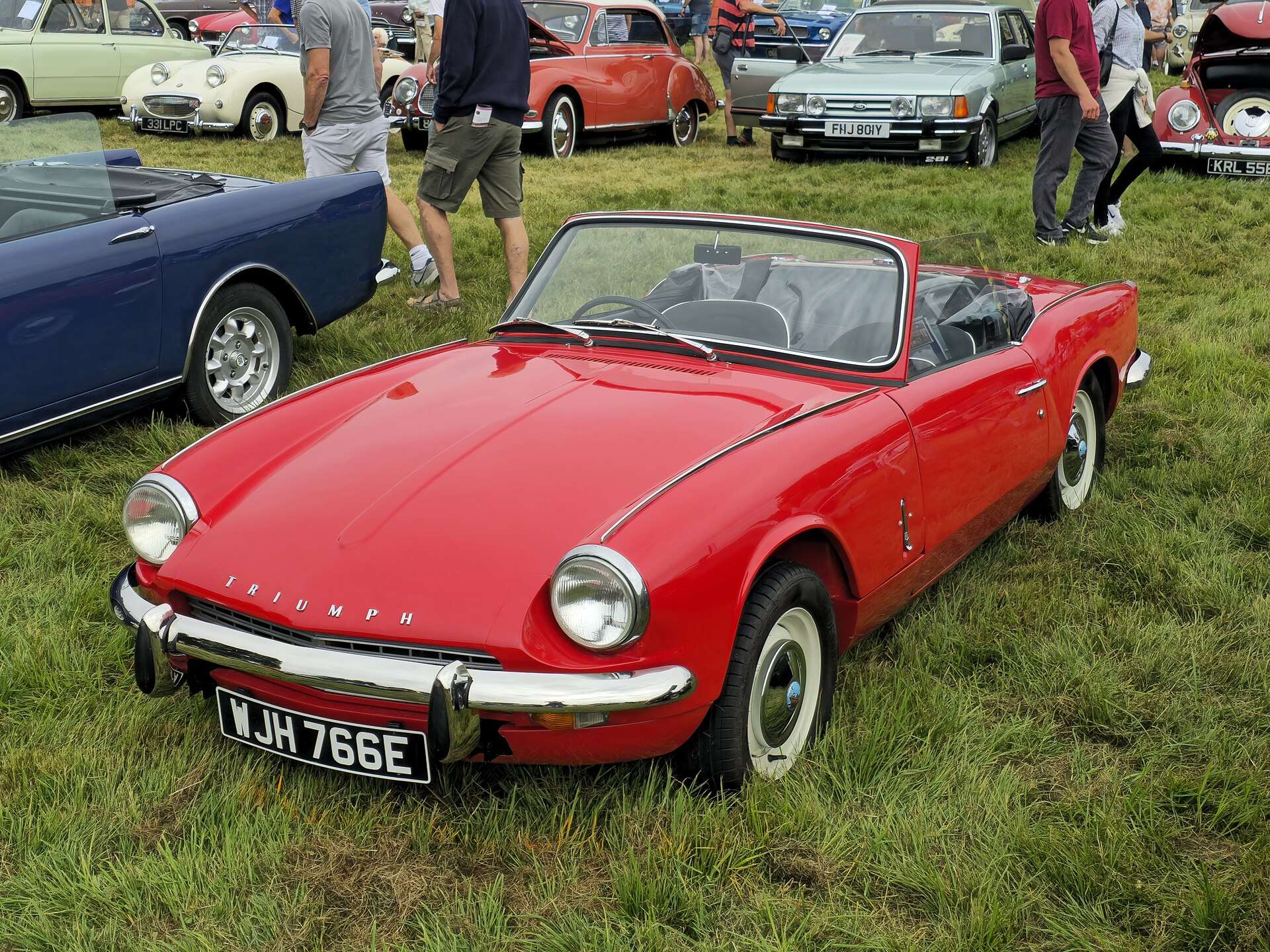
UNUSUAL CARS BRAND GUIDE
Triumph’s most memorable cars combined accessible engineering with genuine invention: fuel-injected roadsters, a compact 16-valve sports saloon, a Michelotti-styled V8 grand tourer and a six-cylinder fastback derived from the Spitfire. This hub brings together the model histories, specifications and practical buying guidance needed to understand them.
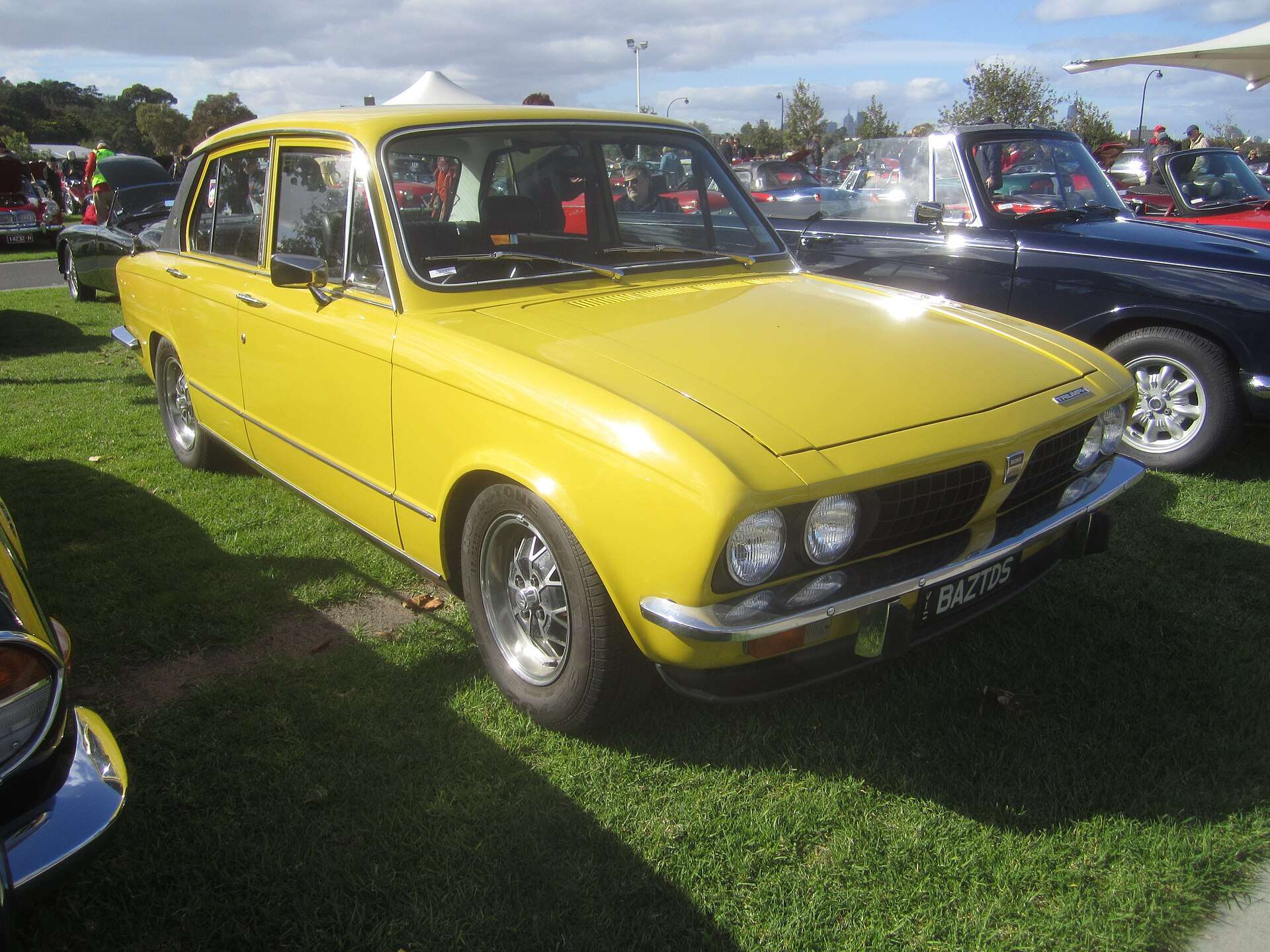
The Triumph story
From Coventry saloons to open sports cars, Triumph repeatedly stretched familiar components into something more ambitious. The best examples feel mechanical and direct, but condition matters: rust, cooling, suspension and previous restoration work can transform the ownership experience.
Start here
Choose the guide that matches your interest. Each article explains the model’s development and variants before turning to the structural and mechanical checks that matter when viewing a car.
Love cars you don’t see every day?
Get forgotten cars, surprising motoring stories and the most interesting finds from Unusual Cars by email.
Free to join. No spam. Unsubscribe whenever you like. See our privacy policy.
Triumph model guides
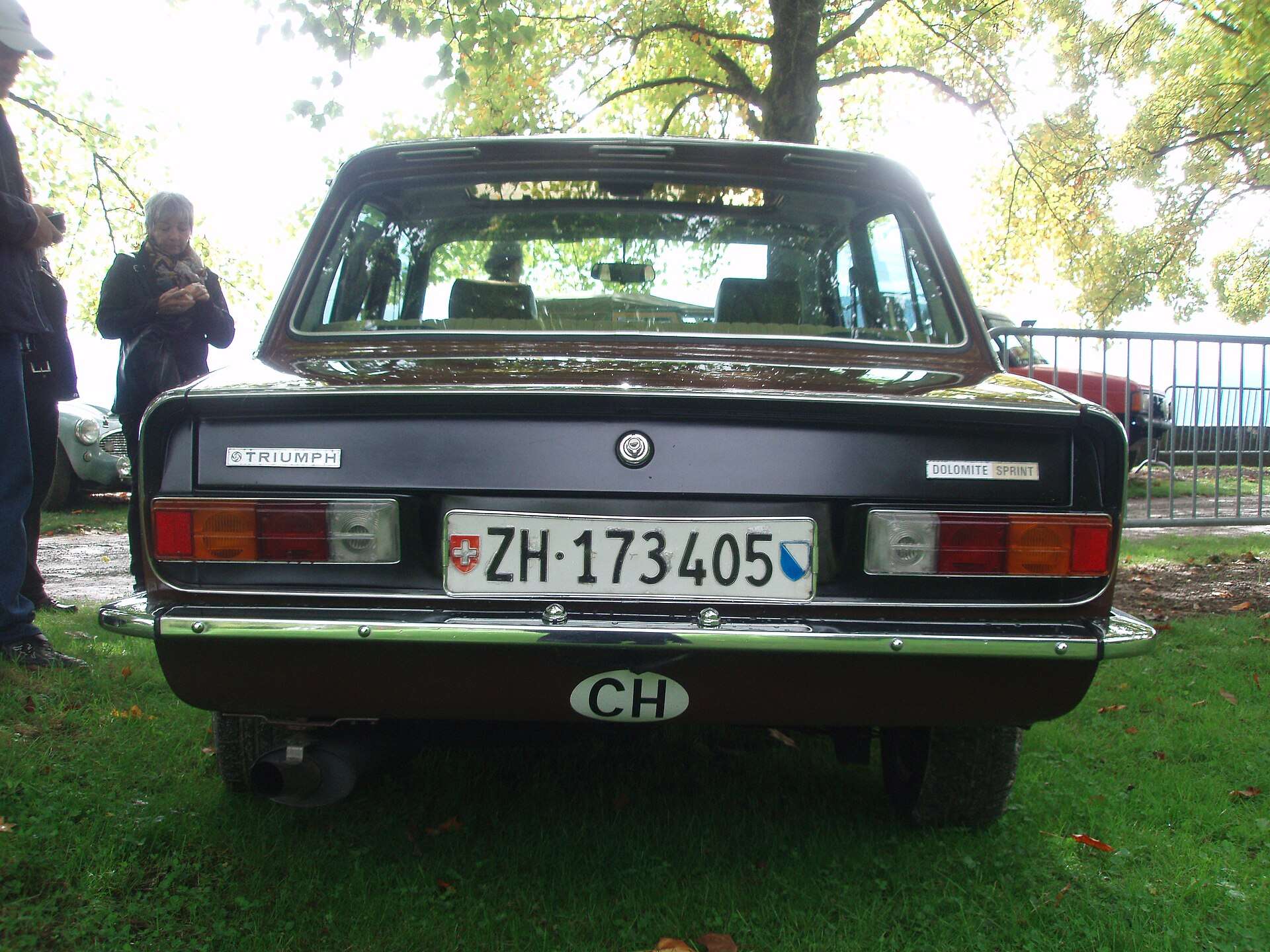
Triumph Dolomite Sprint
The pioneering 16-valve sports saloon: history, racing, specifications and buying checks.

Triumph GT6 Mk1, Mk2 and Mk3
The compact six-cylinder fastback, including suspension changes and ownership essentials.
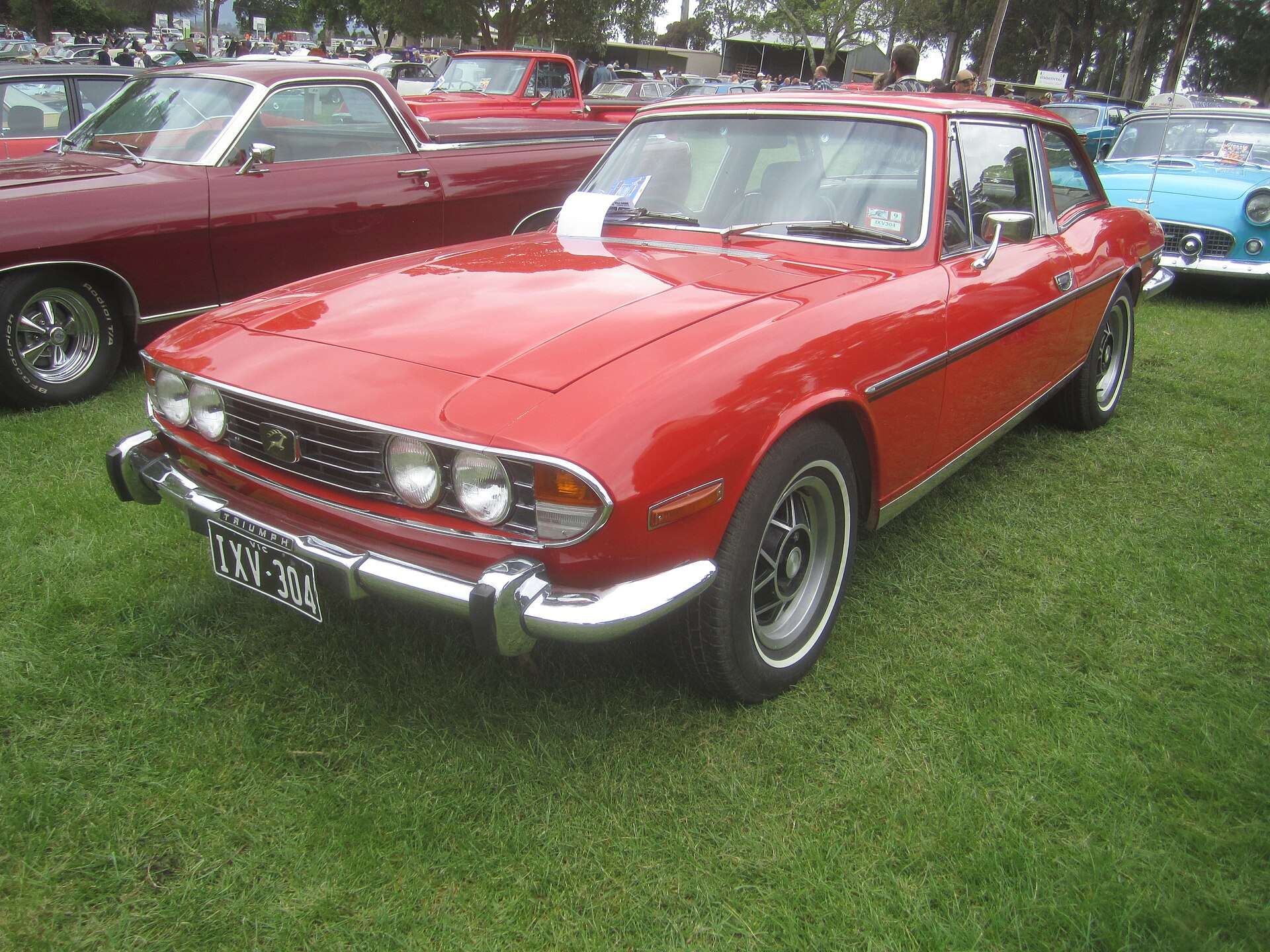
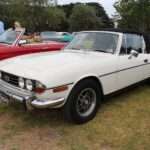
Triumph Stag
Michelotti styling, the 3.0-litre Triumph V8, cooling-system lessons and a complete buying guide.
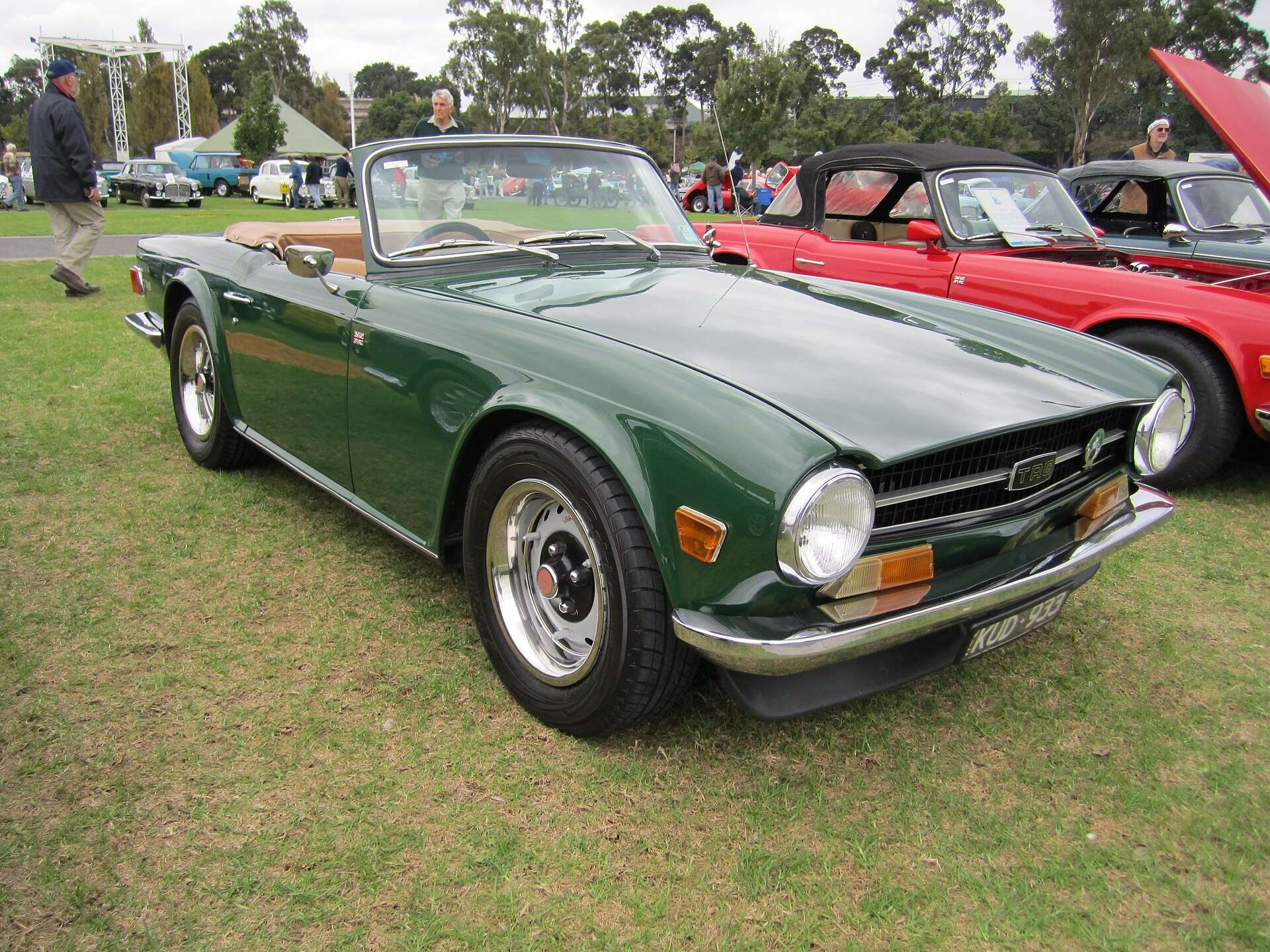
Triumph TR6
Karmann’s muscular roadster, from UK petrol injection to North American carburettor models.
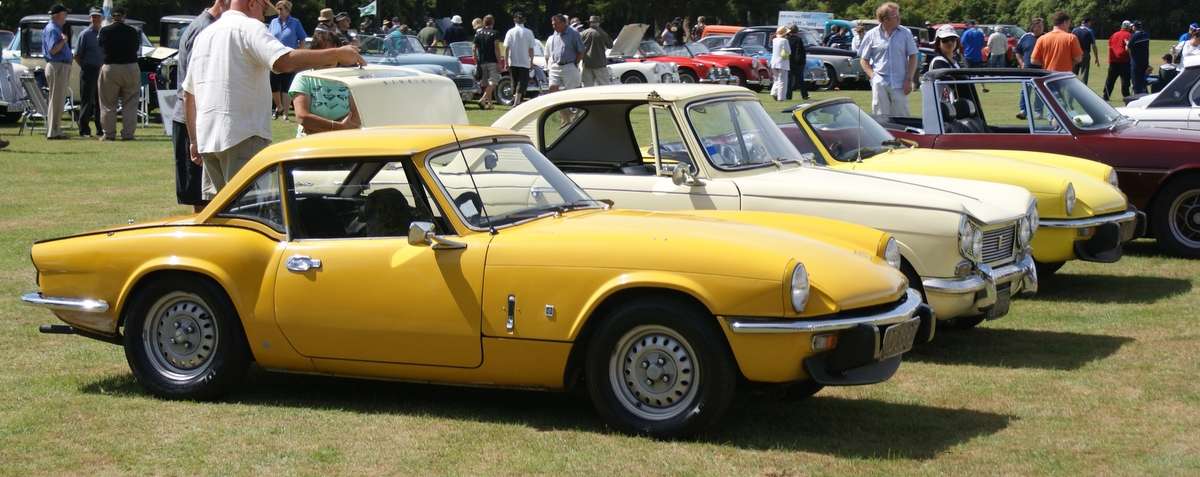
Triumph Spitfire Mk1 to 1500
Every Spitfire generation compared, with chassis, rust, suspension, engine and buying checks.

Triumph TR7 and TR8
Harris Mann’s wedge, from four-cylinder coupé and convertible to the rare factory V8.
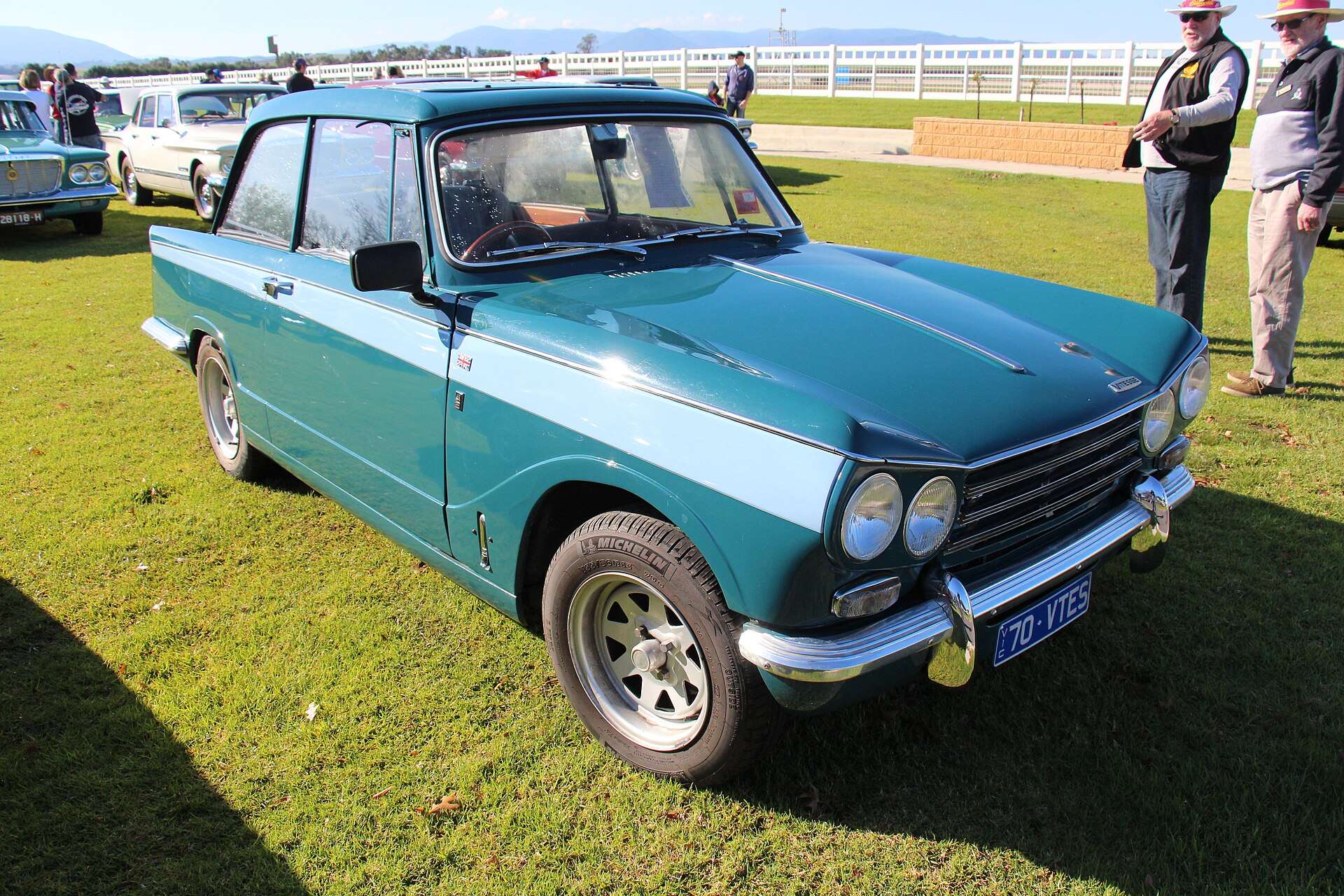
Triumph Herald and Vitesse
Michelotti family cars, convertibles and estates, plus the smooth six-cylinder Vitesse.
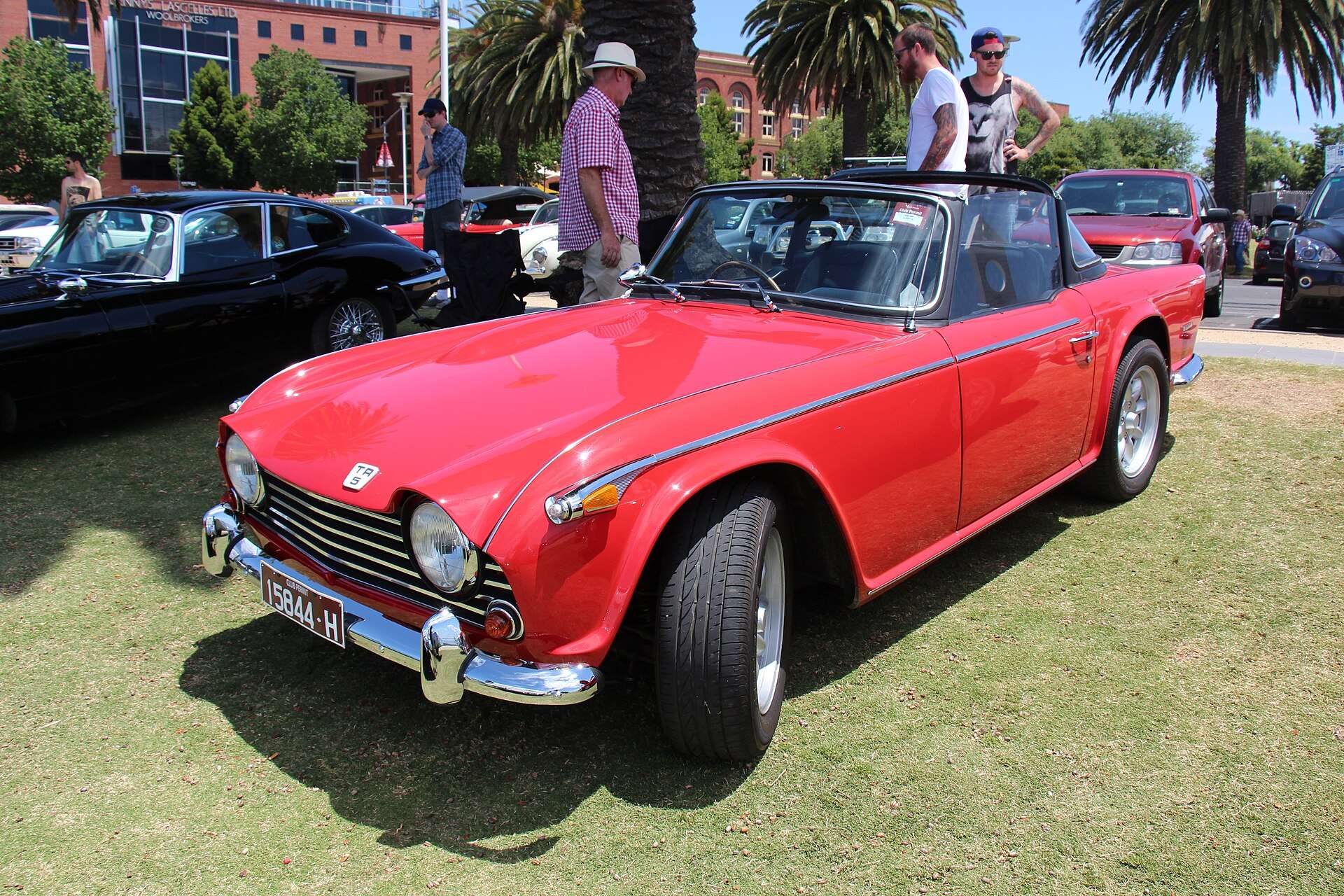
Triumph TR4, TR4A, TR5 and TR250
Four- and six-cylinder Michelotti roadsters, including IRS, petrol injection and Surrey tops.

Triumph TR2, TR3, TR3A and TR3B
The sidescreen cars that established Triumph’s post-war sports-car reputation.
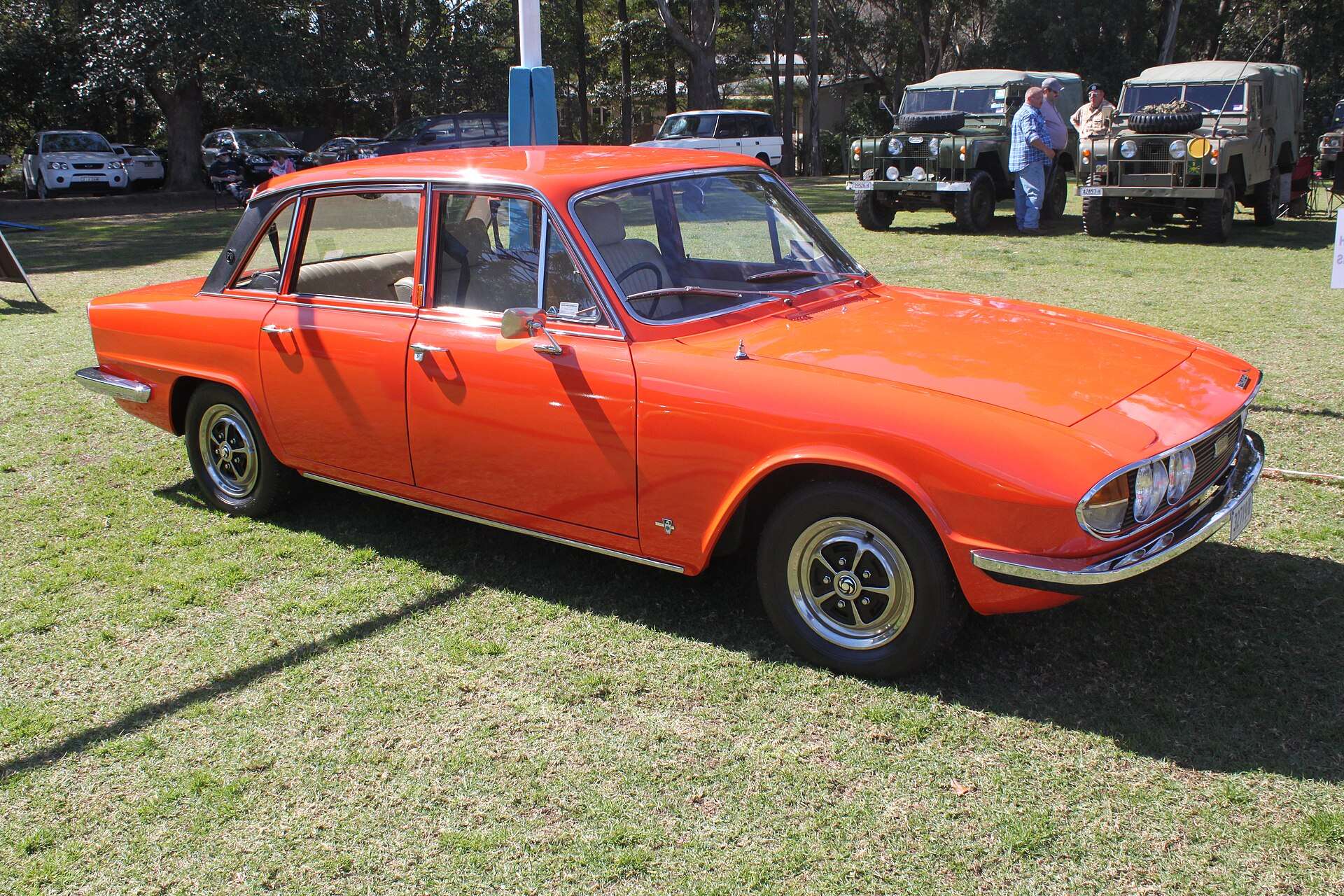
Triumph 2000, 2500 and 2.5 PI
Six-cylinder executive saloons and estates, from the refined 2000 to the injected PI and final 2500S.
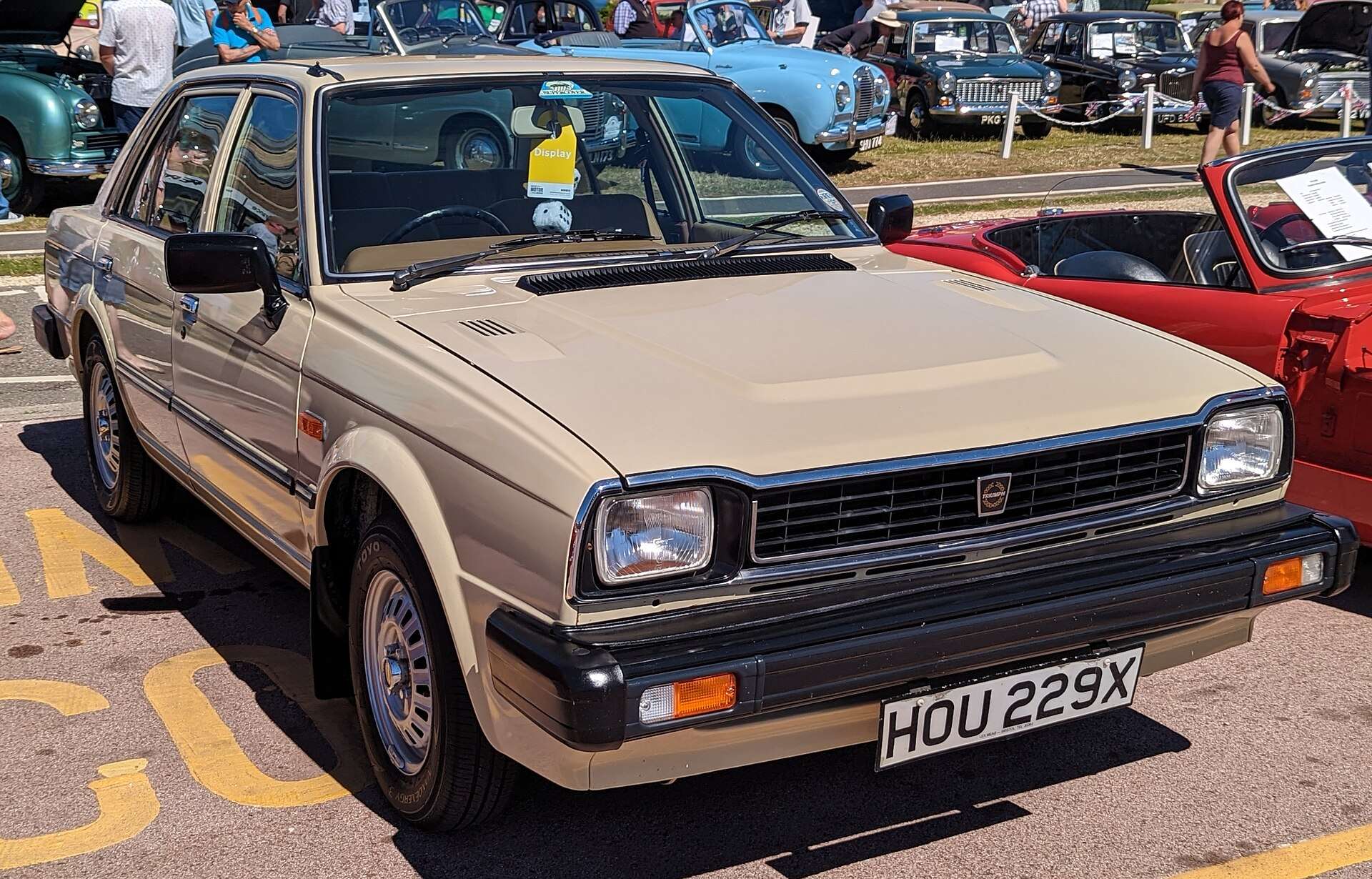
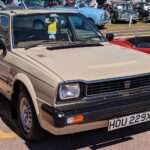
Triumph Acclaim
The Cowley-built Honda partnership car that became the final production Triumph.
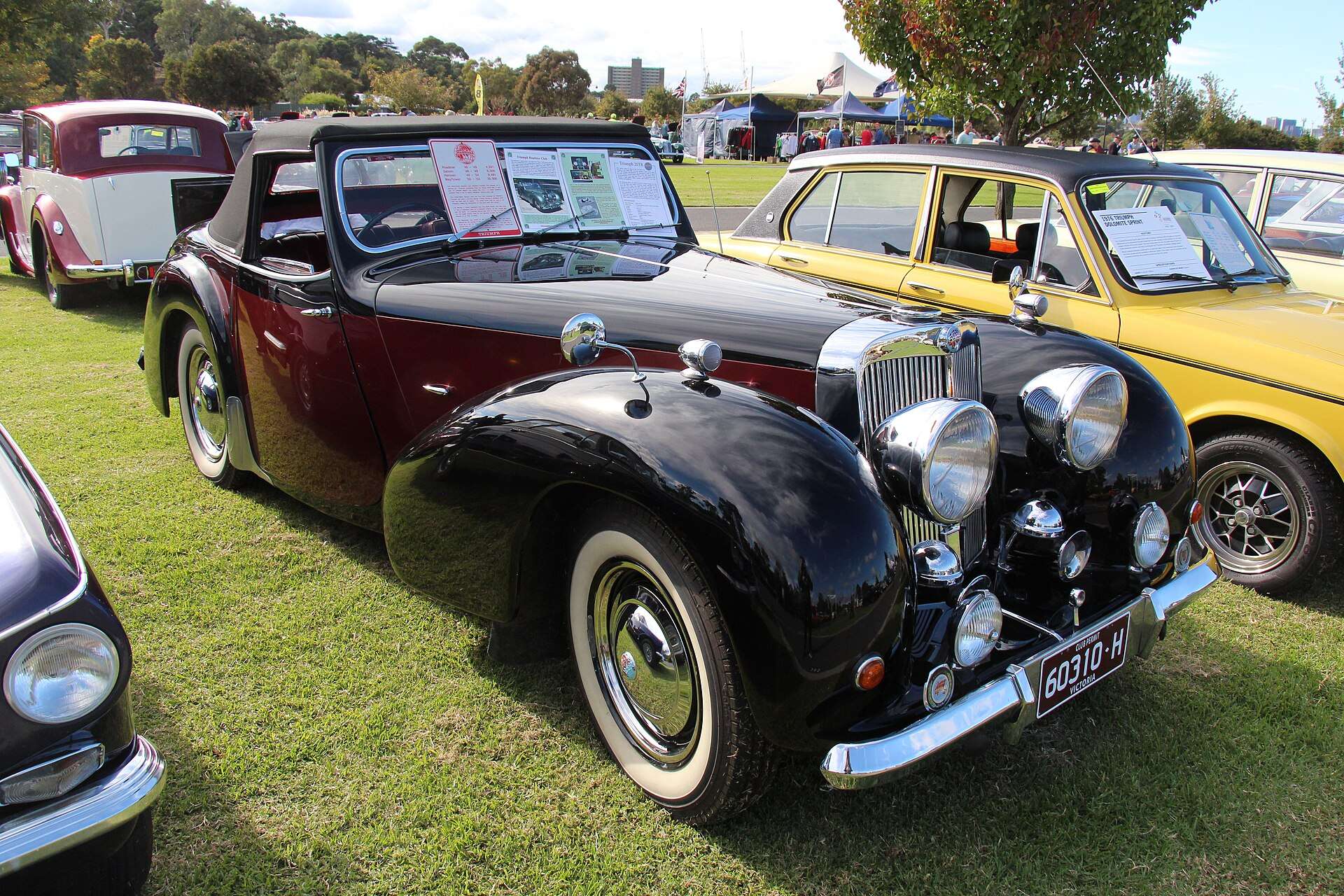
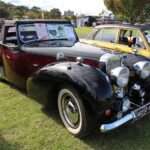
Triumph Roadster 1800 and 2000
Post-war aluminium coachwork, ash framing and the remarkable rear dickey seat.
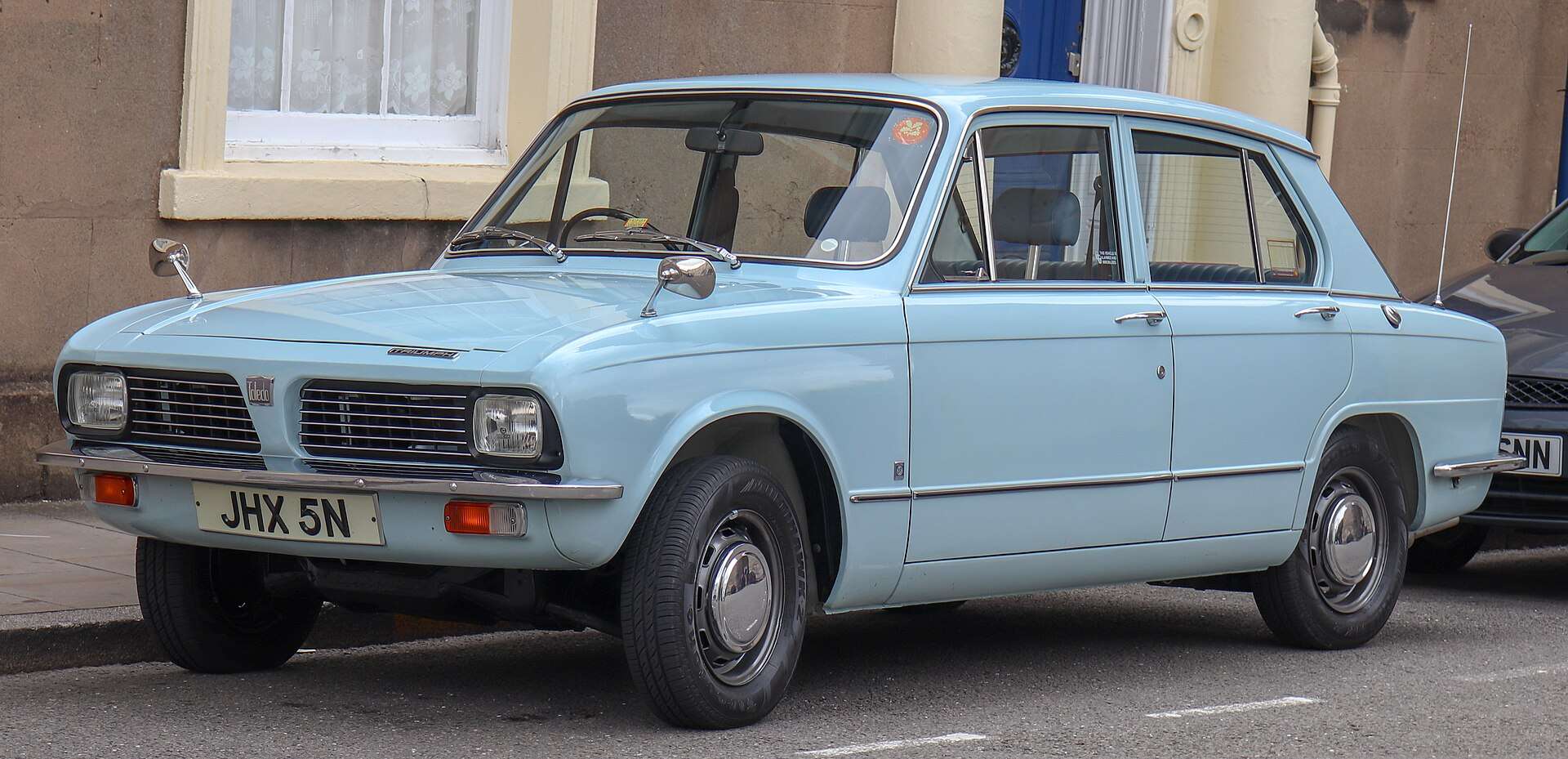
Triumph Toledo
The simple rear-wheel-drive compact saloon that led into the Dolomite family.
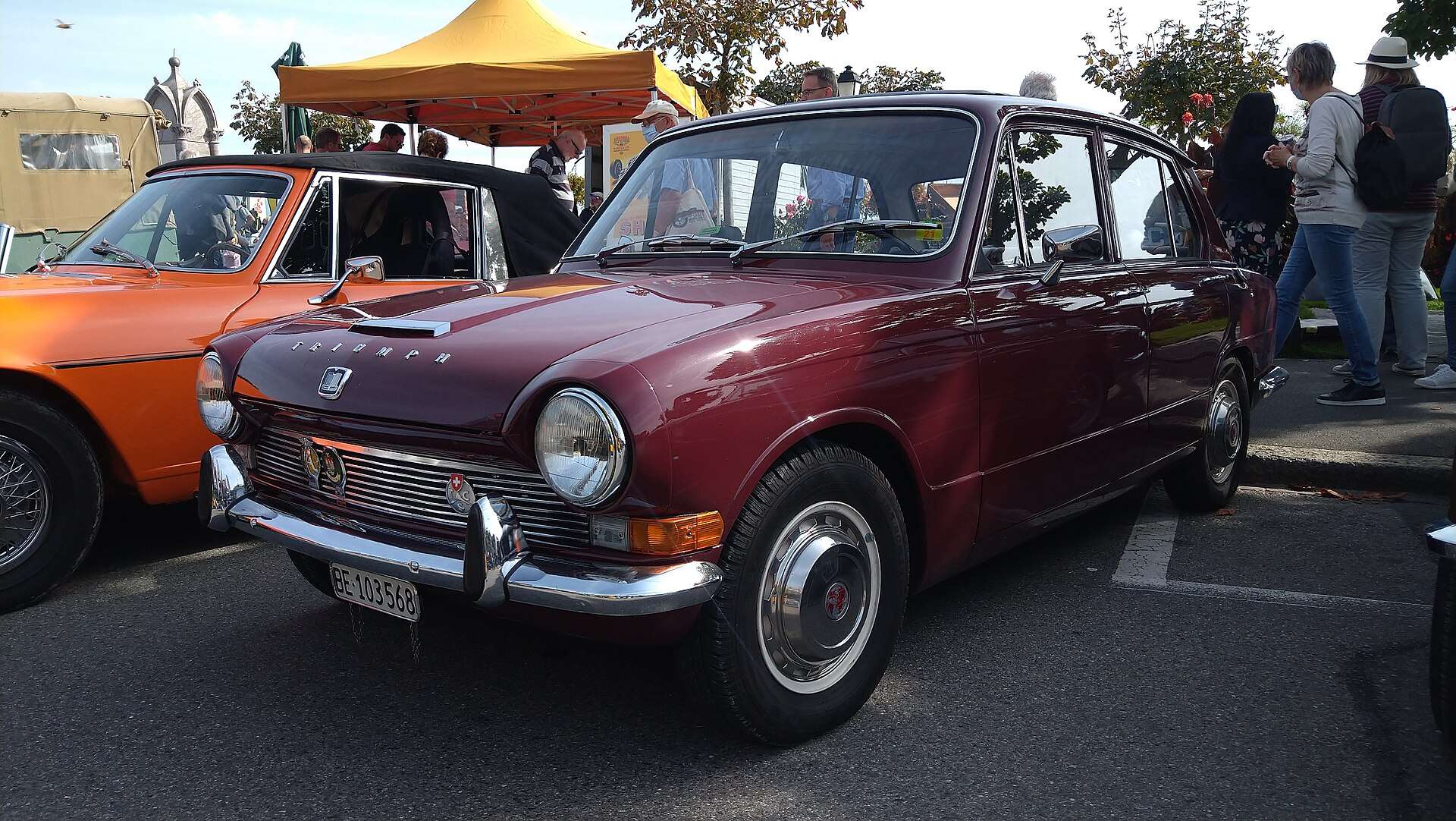
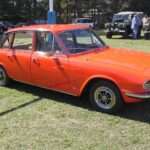
Triumph 1300, 1300TC, 1500 and 1500TC
Triumph’s unusual front-wheel-drive saloons and the later rear-wheel-drive 1500TC.
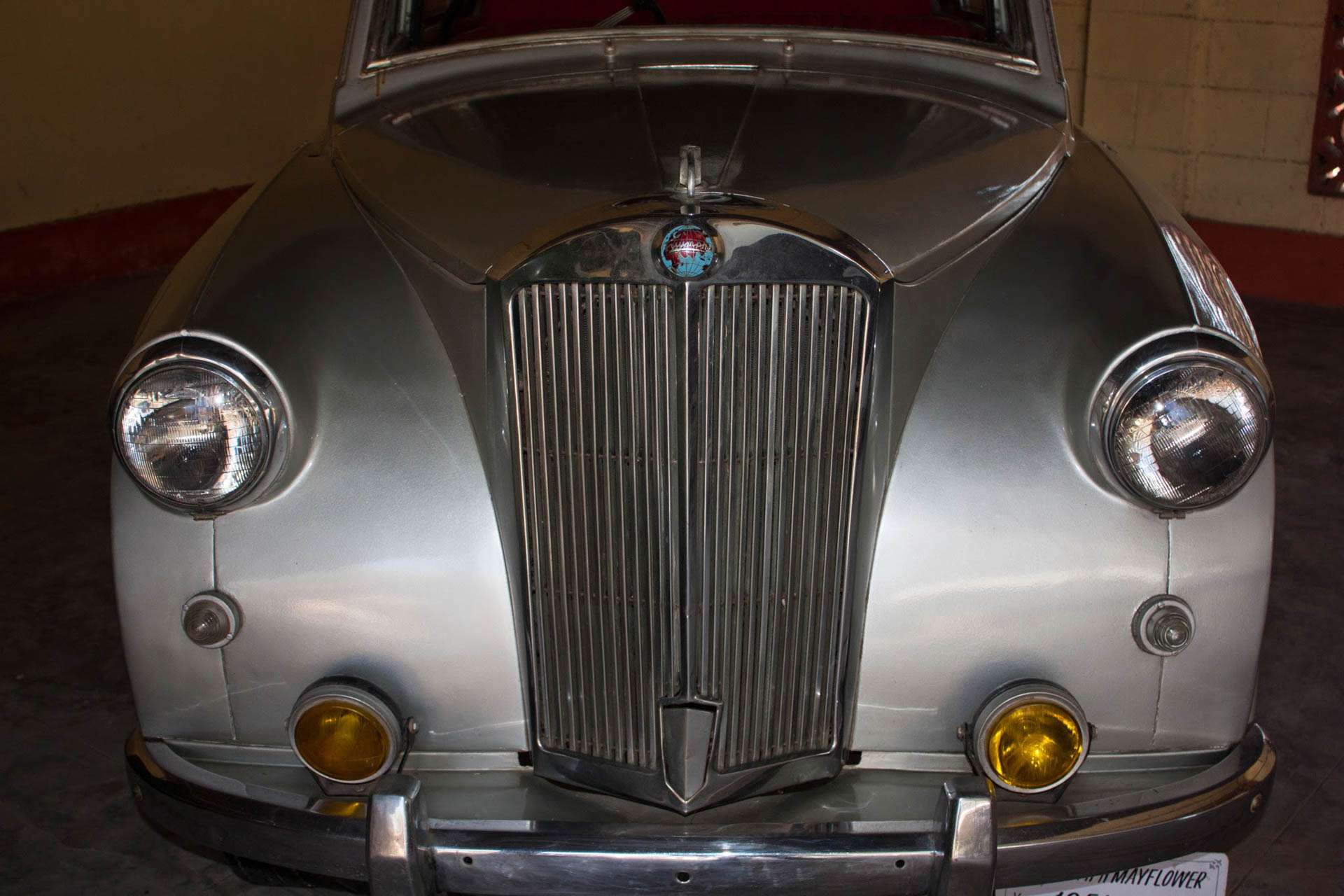
Triumph Mayflower
Razor-edge miniature luxury, unitary construction and post-war ambition.
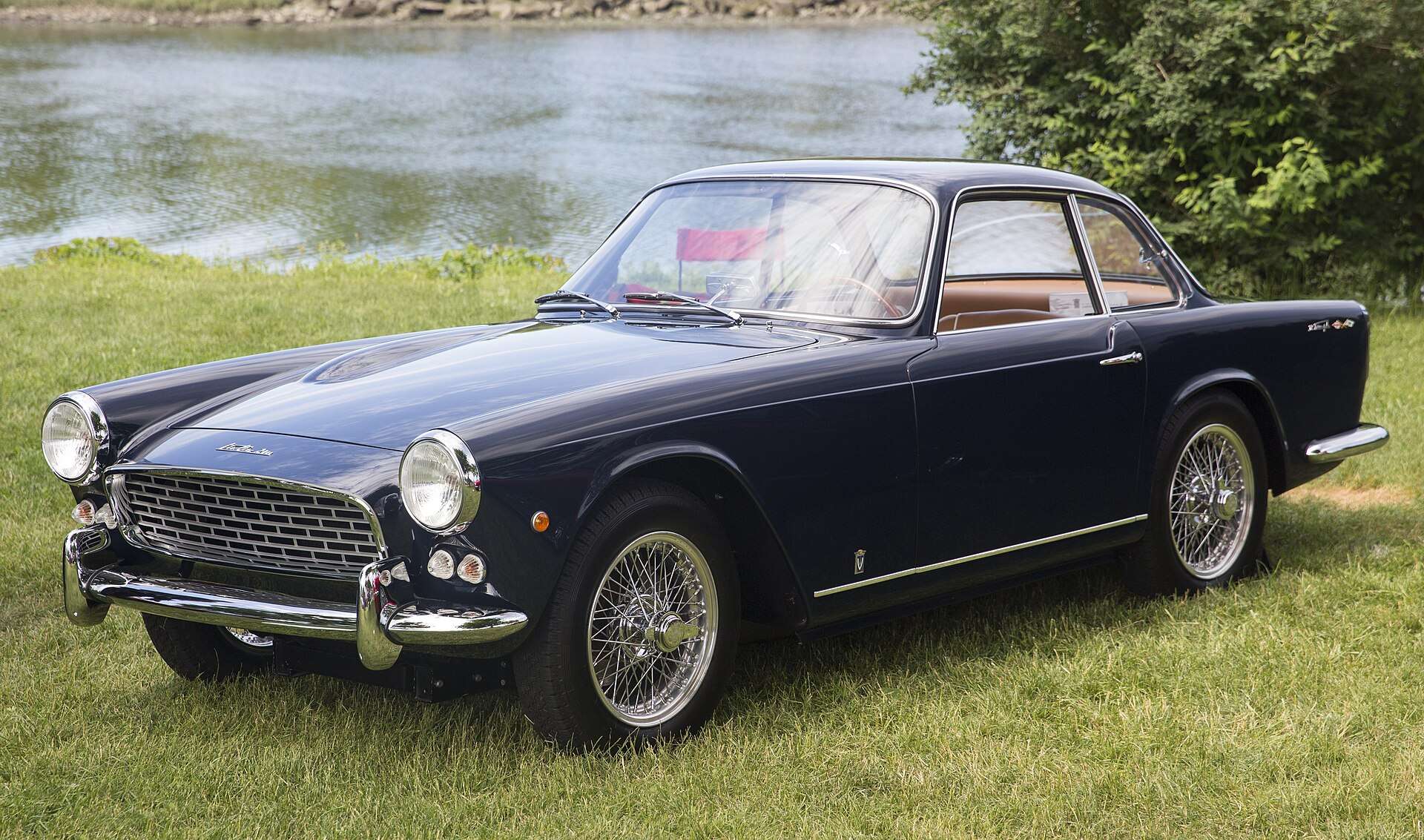
Triumph Italia 2000
Michelotti design, Vignale coachwork and dependable TR3 mechanicals.
What connects these cars?
These sixteen guides now span Triumph’s post-war recovery, front- and rear-wheel-drive family saloons, Italian coachbuilding, sidescreen sports cars, six-cylinder executives, compact performance models and the final Honda partnership. Condition, identity and restoration quality remain the decisive buying factors across the range.
Frequently asked questions
Which classic Triumph is the best place to start?
A sound Dolomite Sprint offers four-door practicality, while a GT6 is compact and sporting, a TR6 is the traditional open roadster and a Stag is the relaxed four-seat V8 tourer.
Did Triumph build its own V8?
Yes. The Stag used Triumph’s own 2,997 cc overhead-cam V8 rather than the Rover V8 fitted to some later conversions.
Which Triumph models used petrol injection?
UK and European TR6 models used Lucas mechanical petrol injection; North American TR6s generally used twin Stromberg carburettors.
What is the biggest risk when buying a classic Triumph?
Structural corrosion and poorly repaired chassis or bodywork are the largest shared risks. Each model also has specific cooling, suspension, fuel-system and drivetrain checks.