UNUSUAL CARS MODEL GUIDE
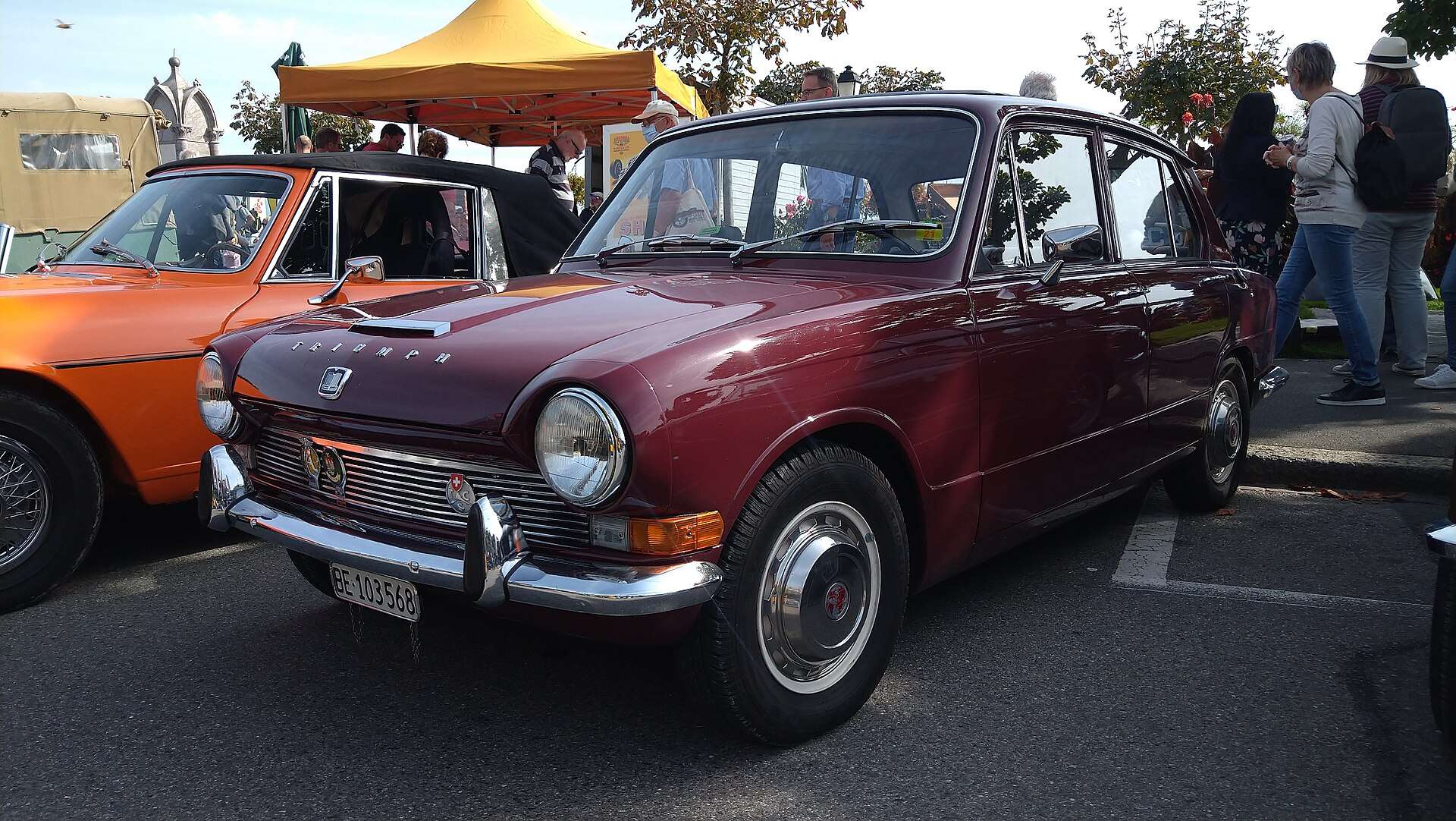
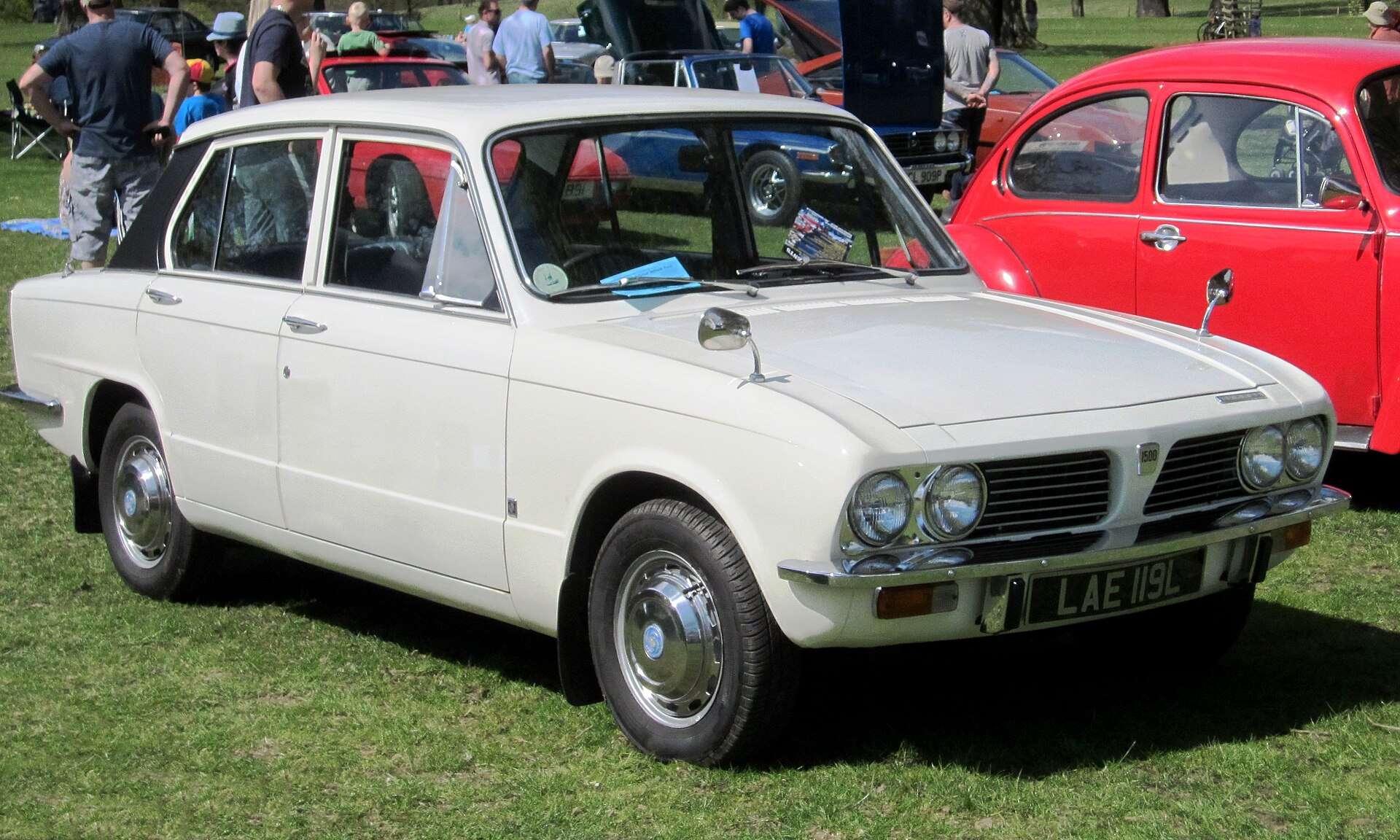
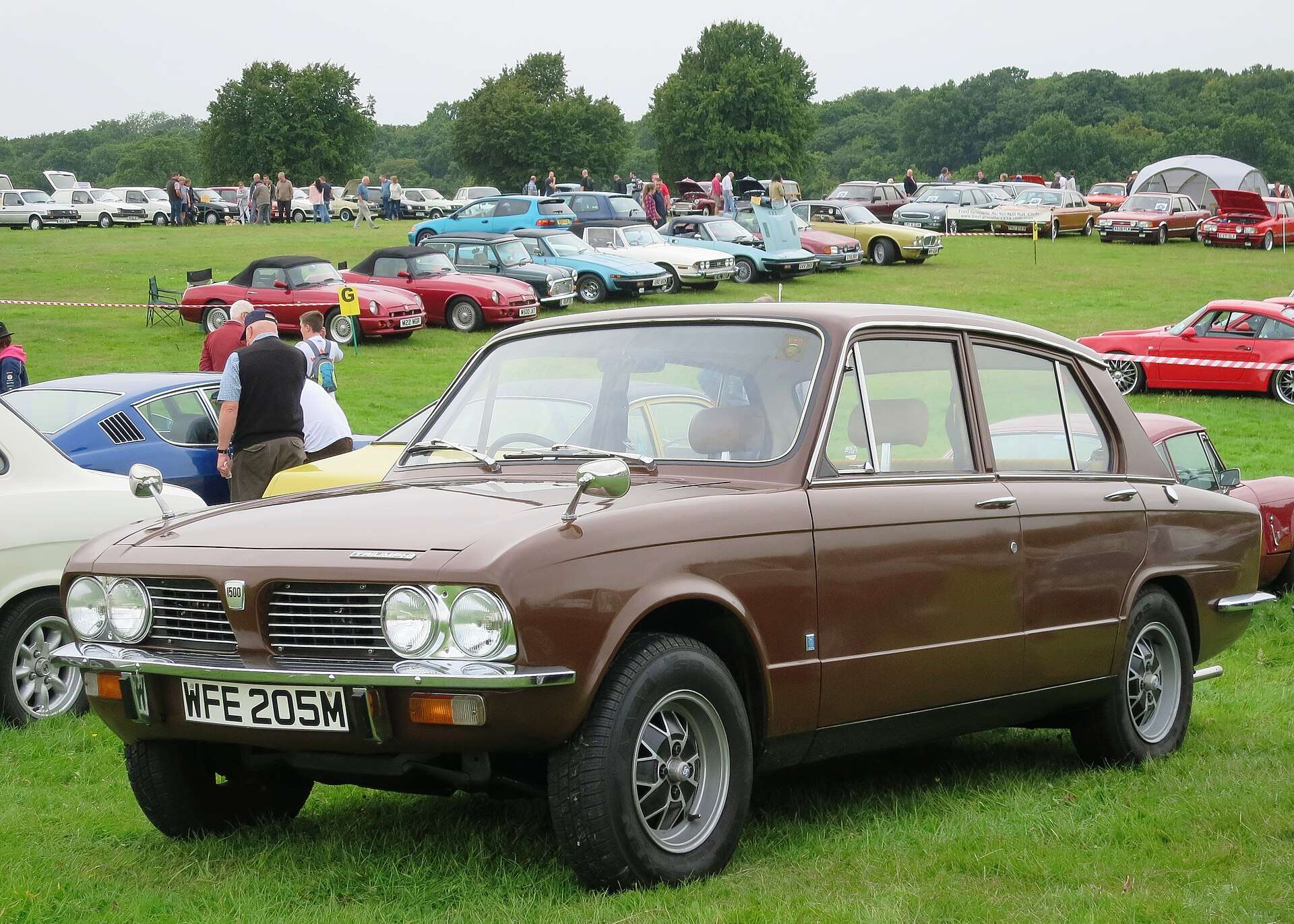
The Triumph 1300, 1300TC, 1500 and 1500TC form one of the marque’s most easily confused families. The 1300 introduced front-wheel drive in 1965, the 1300TC added twin-carburettor performance, the original 1500 retained front-wheel drive with a longer nose and tail, and the later 1500TC moved to rear-wheel drive using Toledo-derived engineering.
Quick answer: identify the drivetrain before buying. A 1300 or early 1500 is an unusual front-wheel-drive Triumph; a 1500TC is rear-wheel drive. All share Michelotti styling and a comfortable cabin, but rust, transmission wear and scarce trim can outweigh the attraction of a cheap car.
A new direction for Triumph
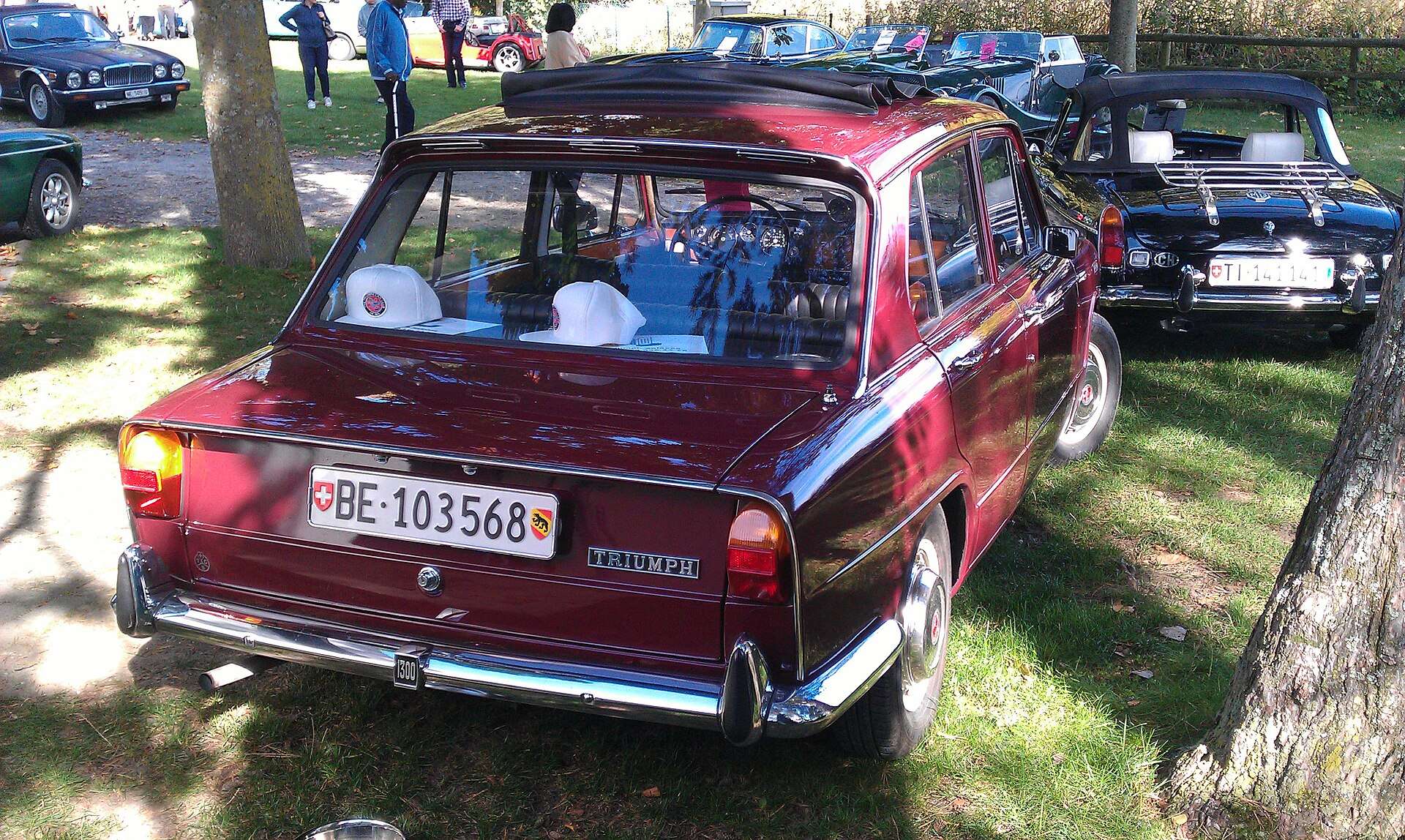
Introduced in 1965, the 1300 was intended as a sophisticated small saloon above the Herald. Its 1,296 cc engine sat longitudinally, but drive passed through a compact gearbox and differential arrangement to the front wheels. The body, designed by Giovanni Michelotti, echoed the larger Triumph 2000.
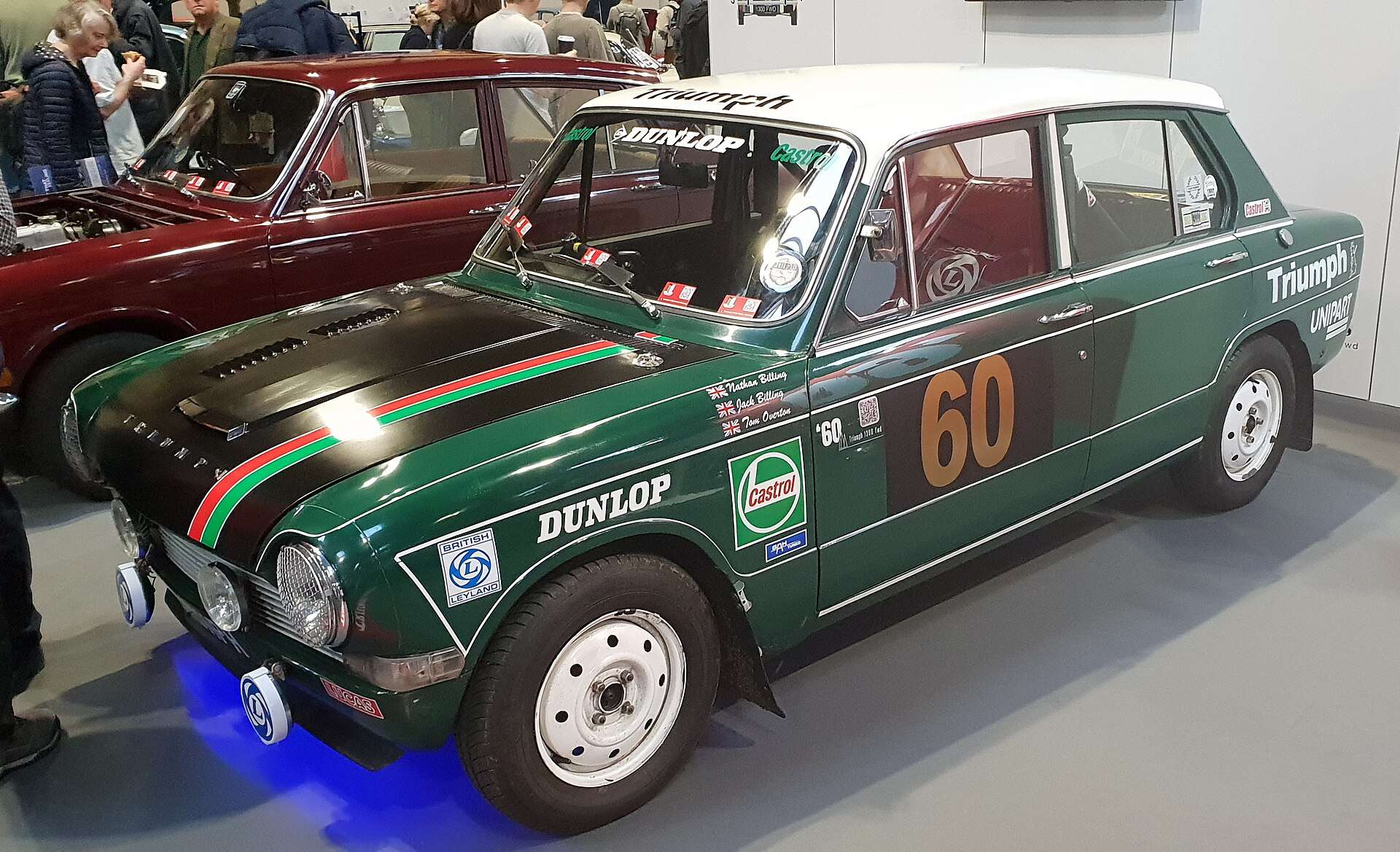
The layout delivered good cabin space and traction, although it was more complex than the Herald’s conventional drivetrain. The 1300TC arrived with twin SU carburettors and stronger performance, creating a discreet sporting saloon before the Dolomite Sprint.
Model family explained
| Model | Layout | Main distinction |
|---|---|---|
| 1300 | Front-wheel drive | 1,296 cc single-carburettor compact saloon |
| 1300TC | Front-wheel drive | Twin carburettors and higher output |
| 1500 | Front-wheel drive | 1,493 cc engine, longer nose and tail, revised interior |
| 1500TC | Rear-wheel drive | Toledo-derived drivetrain with twin-carburettor 1,493 cc engine |
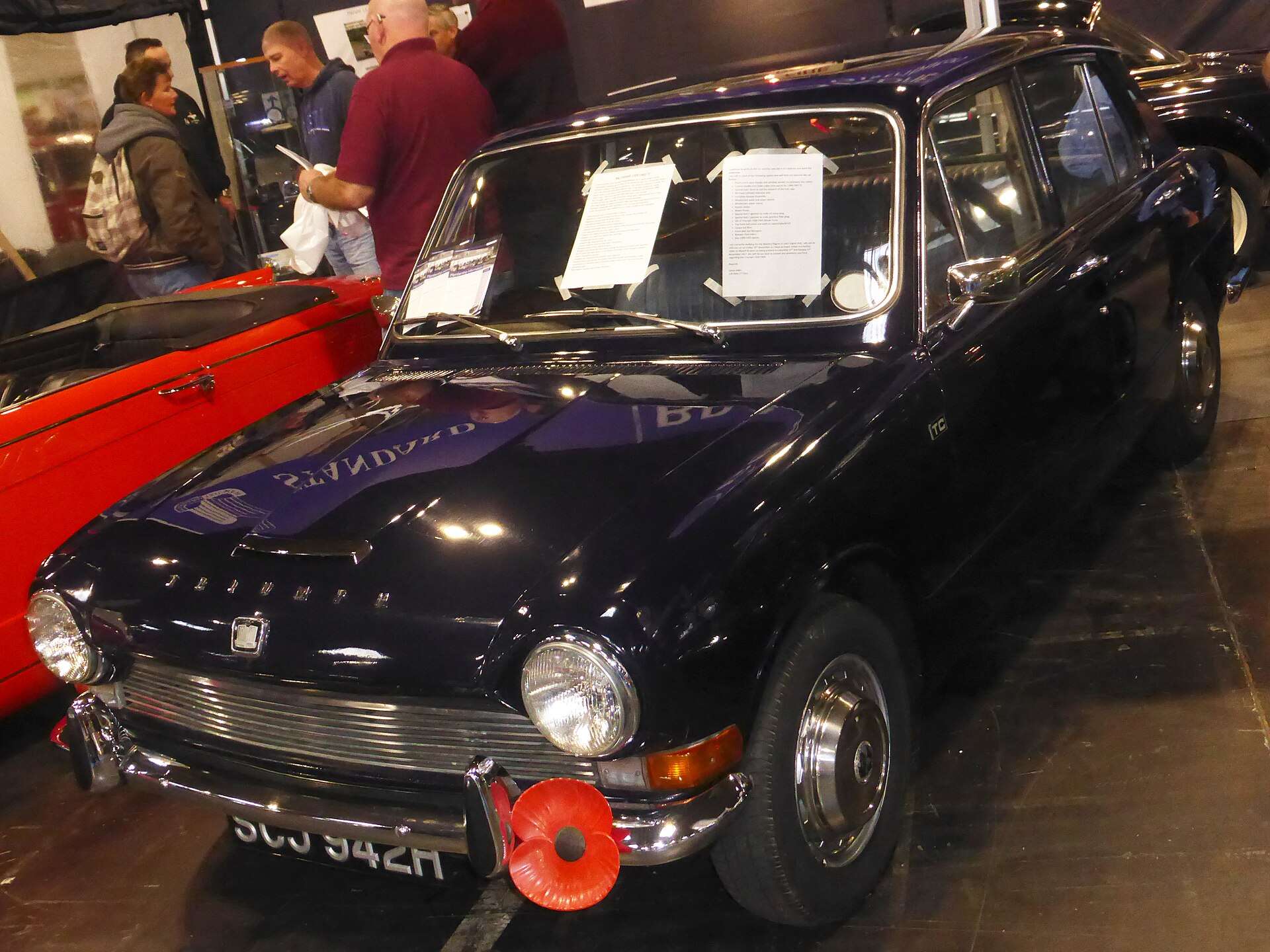
The 1300 and 1300TC ended in 1970. Their replacement 1500 retained front-wheel drive, but rationalisation within British Leyland soon produced the rear-wheel-drive 1500TC. That change makes the badge especially important—and especially unsafe as the only means of identification after decades of engine and trim swaps.
Love cars you don’t see every day?
Get forgotten cars, surprising motoring stories and the most interesting finds from Unusual Cars by email.
Free to join. No spam. Unsubscribe whenever you like. See our privacy policy.
Engines and cooling
Both engine sizes belong to Triumph’s familiar overhead-valve four-cylinder family. Check cold starting, hot oil pressure, exhaust smoke, timing-chain rattle, coolant condition and crankshaft end float. The larger 1500 can suffer bottom-end wear if neglected. Carburettors and linkages must be balanced and free of air leaks.
Front-wheel-drive transmission
The 1300 and early 1500 use a distinctive combined gearbox and final-drive arrangement. Listen for bearing noise, check every synchromesh, and look for oil leaks and worn driveshaft joints. Parts and expertise exist through specialists, but rebuilding the correct assembly is not the same as repairing a Herald gearbox.
The rear-wheel-drive 1500TC uses a more conventional gearbox, propshaft and live axle. It still needs checks for layshaft noise, weak synchromesh, clutch hydraulics, universal joints and differential whine.
Structure and corrosion
Inspect the front valance, wings, inner wings, suspension mountings, bulkhead, screen surrounds, sills, floors, doors, rear arches and boot floor. On front-wheel-drive cars, check the structure around the drivetrain and front suspension especially carefully. Water leaks can leave the wood-trimmed cabin looking respectable above damp carpets and corroded floors.
Suspension, brakes and steering
The independent suspension should give a composed ride without knocking or wandering. Check ball joints, bushes, dampers, wheel bearings and steering joints. Uneven tyre wear can indicate alignment problems or accident damage. Brakes must operate evenly with a firm pedal; seized calipers and tired hydraulics are common recommissioning jobs.
1500 versus 1500TC
The visual resemblance hides the crucial mechanical change. The front-wheel-drive 1500 continued the 1300 concept, whereas the 1500TC adopted the rear-wheel-drive platform used by the Toledo and Dolomite. The later car’s twin-carburettor engine improves performance, but originality requires more than a TC badge.
Interior and buying priorities
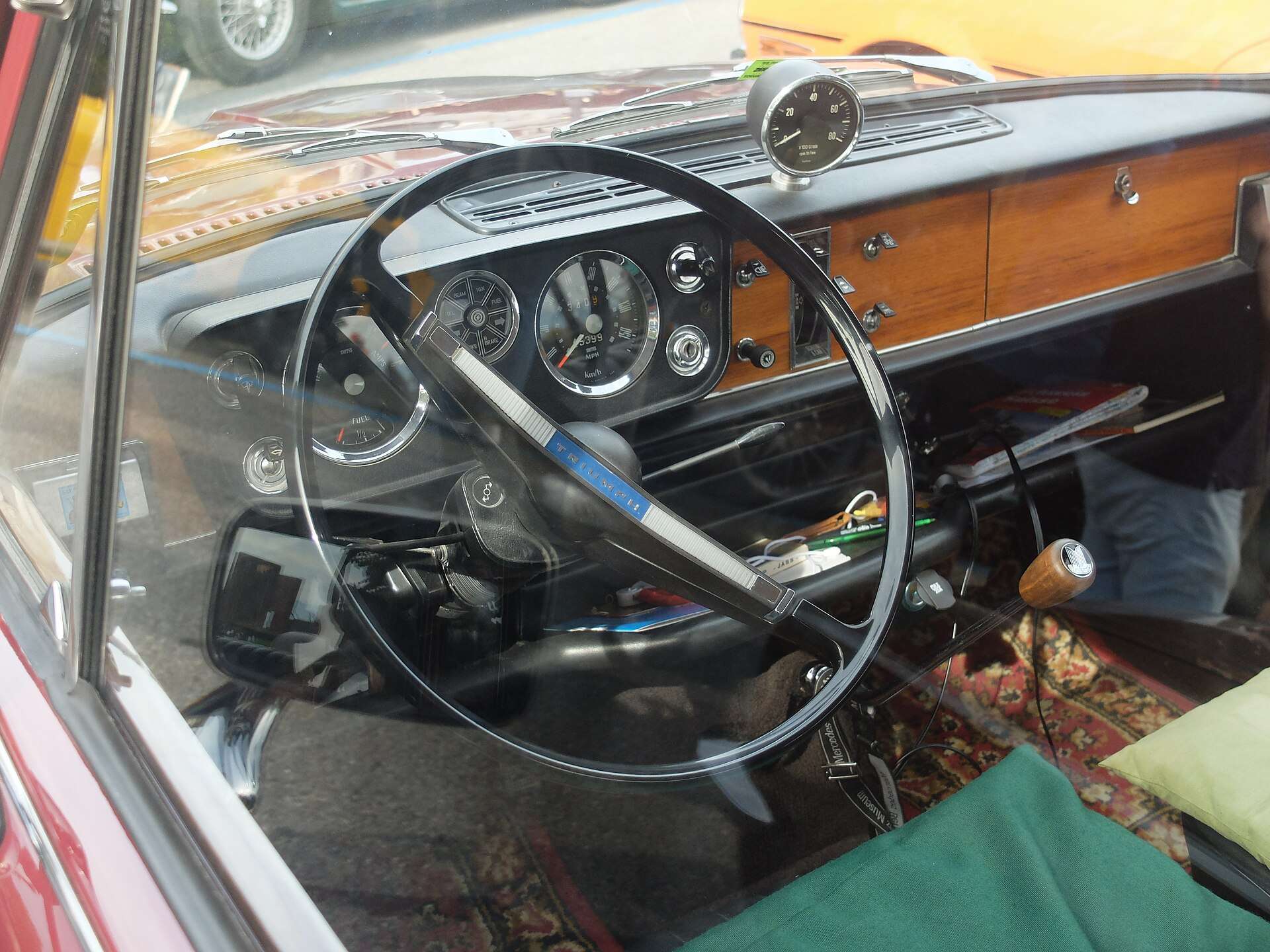
Wood veneer, instruments, seats, door cards, lamps and brightwork are central to the car’s character and are not always easy to replace. Check all electrics and look for brittle wiring alterations. A complete interior can justify choosing a mechanically tired but structurally sound car over an incomplete restoration.
Prioritise sound structure, clear identity and a complete drivetrain. These cars are rarer than their Dolomite relatives, so the best purchase is usually the example requiring the least model-specific fabrication.
Sources and further reading
- Triumph Sports Six Club: 1300/1500 FWD
- Triumph Club de France: 1300TC specifications
- Classic & Sports Car buyers’ guide
Continue the Triumph story
The 1300 family shows Triumph experimenting with front-wheel drive before the range returned to a simpler rear-driven platform. Explore the complete Triumph hub and read the Dolomite Sprint guide.
Frequently asked questions
Was the Triumph 1300 front-wheel drive?
Yes. The Triumph 1300 and 1300TC use front-wheel drive with a longitudinal engine and compact combined transmission.
Is the Triumph 1500 front- or rear-wheel drive?
The original Triumph 1500 is front-wheel drive. The later 1500TC is rear-wheel drive, so the exact version must be identified.
What does TC mean on these Triumphs?
TC means twin carburettors. The 1300TC and 1500TC use twin-carburettor engines, although the two cars have different drivetrain layouts.
What are the main buying risks?
Structural corrosion, drivetrain noise, worn suspension, incomplete trim and confusion between front- and rear-wheel-drive versions are the main risks.
Did the 1300 lead to the Dolomite?
Yes. Its Michelotti body architecture was adapted for the rear-wheel-drive Toledo and then developed into the Dolomite range.