UNUSUAL CARS MODEL GUIDE
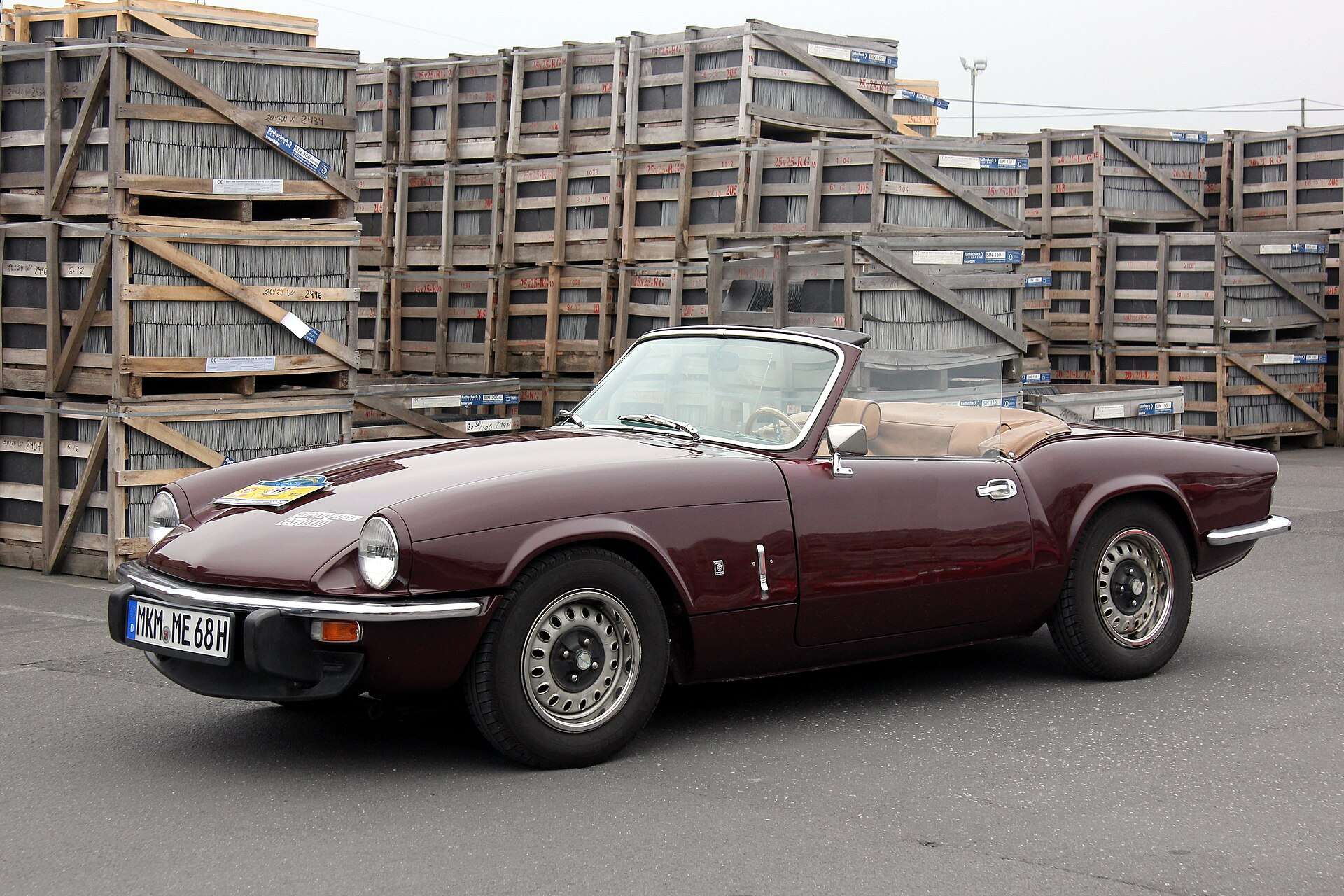
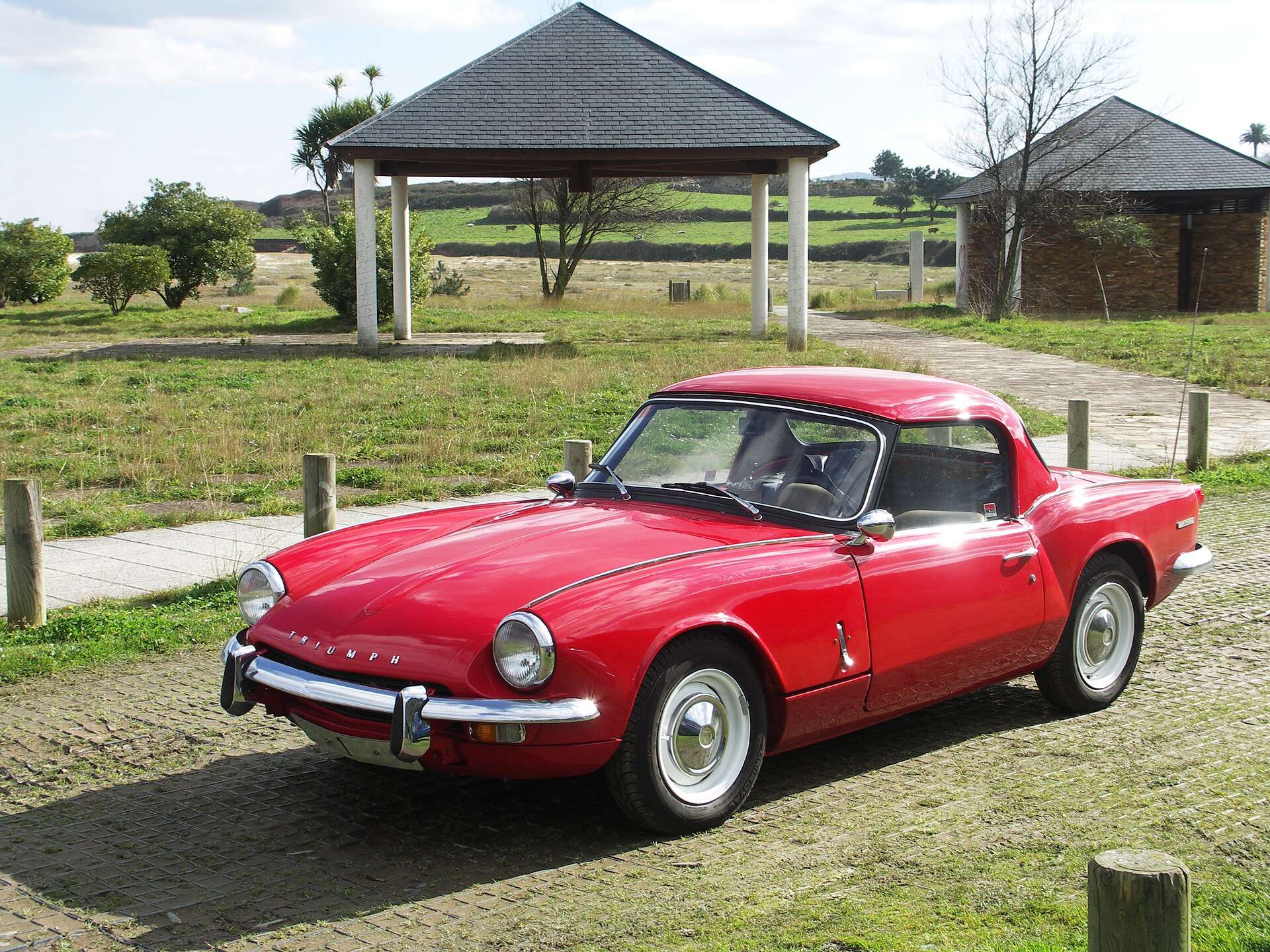
The Triumph Spitfire was a small two-seat roadster produced from 1962 until 1980. Designed by Giovanni Michelotti around a shortened version of the Triumph Herald chassis, it offered accessible open-top motoring through five main generations: Spitfire 4, Mk2, Mk3, MkIV and 1500.
Quick answer: the Mk3 is the most recognisably 1960s version, the MkIV brought cleaner styling and improved swing-spring rear suspension, and the 1500 adds useful torque. On every version, a straight chassis, sound sills and floors, correctly maintained front trunnions and an engine with healthy oil pressure matter more than cosmetic shine.
How the Herald became a sports car
Triumph used the Herald’s separate chassis and forward-hinged bonnet to create a sports car that was simple to build and unusually easy to service. The body sat lower and the wheelbase was shortened, while familiar four-cylinder engines and running gear kept costs under control. Michelotti’s shape gave the car a long bonnet, low doors and a compact tail without disguising its practical origins.
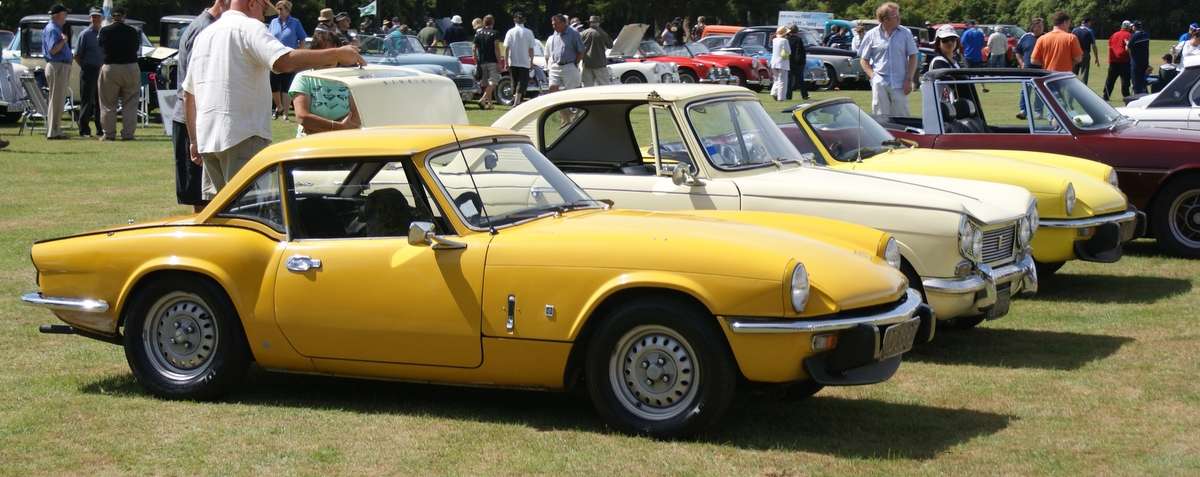
The one-piece bonnet exposes the engine, steering and front suspension. That access remains one of the model’s advantages, but it can also hide poor repairs: bonnet pivots, wheelarches and catches must be aligned carefully if panel gaps are to remain even.
Spitfire generations compared
| Version | Production period | Main distinction |
|---|---|---|
| Spitfire 4 / Mk1 | 1962–1964 | 1,147 cc engine, early interior and pure original styling. |
| Spitfire Mk2 | 1964–1967 | Revised engine, trim and detail improvements. |
| Spitfire Mk3 | 1967–1970 | 1,296 cc engine and raised front bumper; strongest early performance. |
| Spitfire MkIV | 1970–1974 | Michelotti restyle, Kamm tail and swing-spring rear suspension. |
| Spitfire 1500 | 1974–1980 | 1,493 cc engine with more low-speed torque and later trim. |
Engines, gearboxes and overdrive
Capacity grew from 1,147 cc through 1,296 cc to 1,493 cc. Earlier engines reward revs, while the 1500’s longer-stroke unit feels stronger in ordinary road use but needs good lubrication and sensible engine speeds. Four-speed manual gearboxes were standard, and optional overdrive is valuable for quieter cruising.
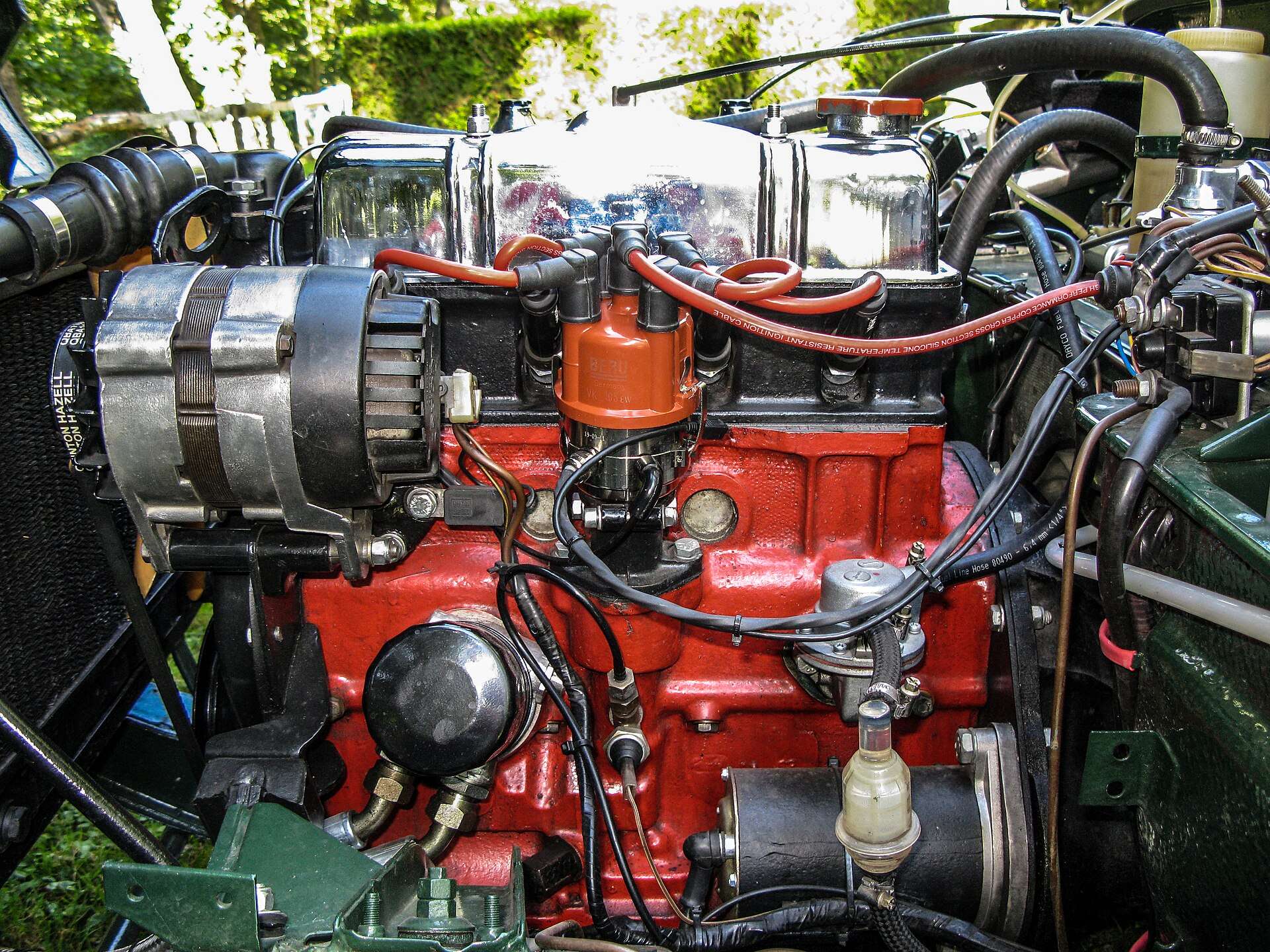
Start the engine from cold. Listen for timing-chain rattle, bottom-end knock and excessive valve noise, then check that oil pressure remains healthy when fully warm. Blue exhaust smoke, crankcase fumes or a rattling thrust bearing when the clutch is pressed all justify further investigation. Gear selection should be clean and overdrive should engage promptly without slipping.
Love cars you don’t see every day?
Get forgotten cars, surprising motoring stories and the most interesting finds from Unusual Cars by email.
Free to join. No spam. Unsubscribe whenever you like. See our privacy policy.
Chassis, sills and bodywork
Inspect the full chassis rather than only the visible outriggers. Important areas include the main rails, front suspension towers, engine mounts, body outriggers, differential mountings and rear extensions. Uneven door gaps can indicate corrosion, accident damage or a body that was not braced correctly during sill replacement.
Check inner and outer sills, A-posts, floors, bulkhead, battery area, rear arches, boot floor, windscreen surround and every bonnet seam. Replacement panels are available, but correcting a distorted shell can consume far more labour than fitting routine mechanical parts.
Rear suspension and front trunnions
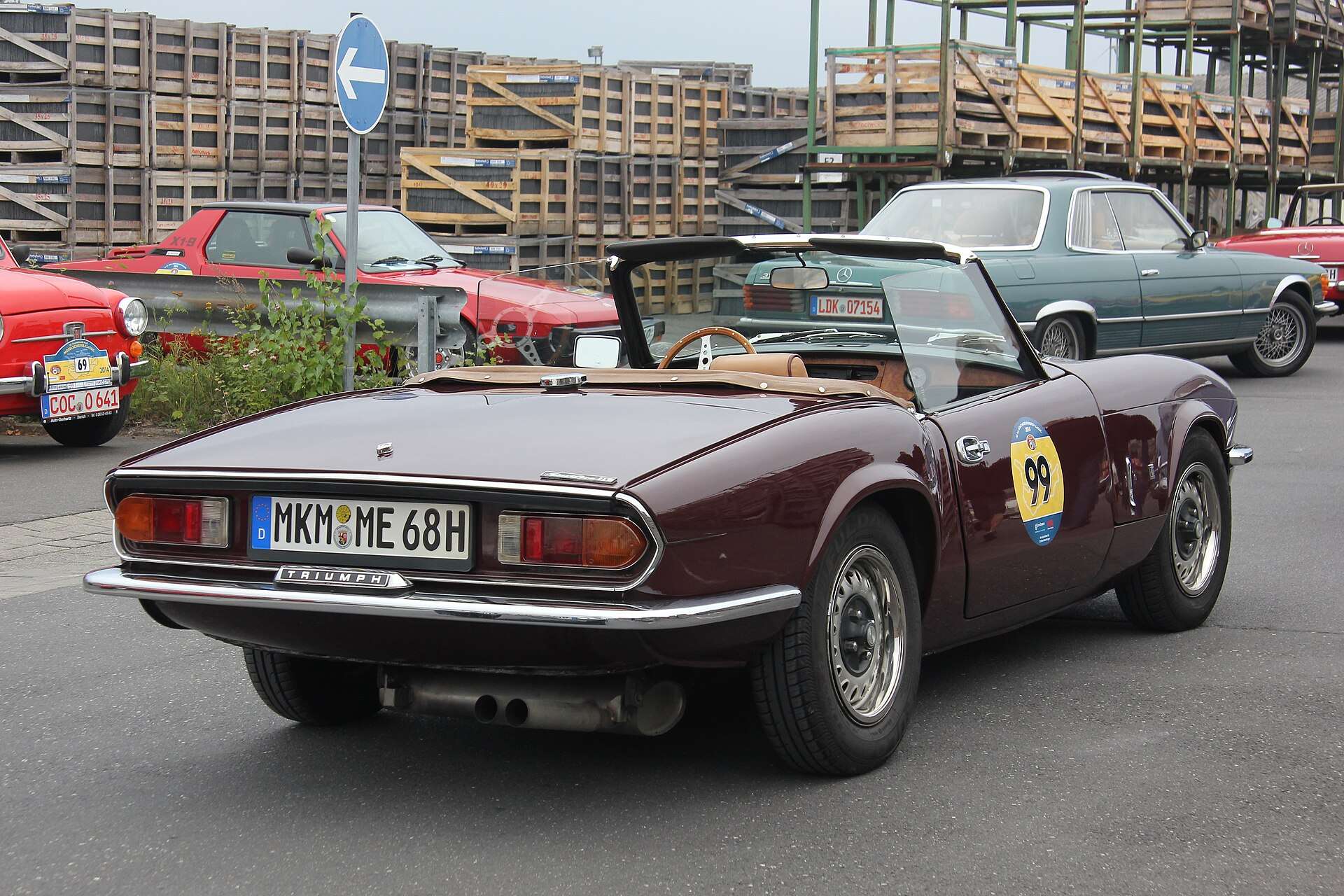
Early swing-axle cars can develop substantial rear-wheel camber change near the limit. Correct springs, dampers, bushes and tyre pressures are essential, and aggressive lowering can make behaviour worse. The MkIV introduced a swing-spring arrangement that allowed more movement between the half-shafts and made breakaway more progressive.
The front vertical links run in threaded trunnions that require the specified lubrication and regular inspection. Stiff steering, corrosion or unknown maintenance is a warning. Also inspect ball joints, wheel bearings, steering-rack mounts and anti-roll-bar bushes.
Interior, weather equipment and originality
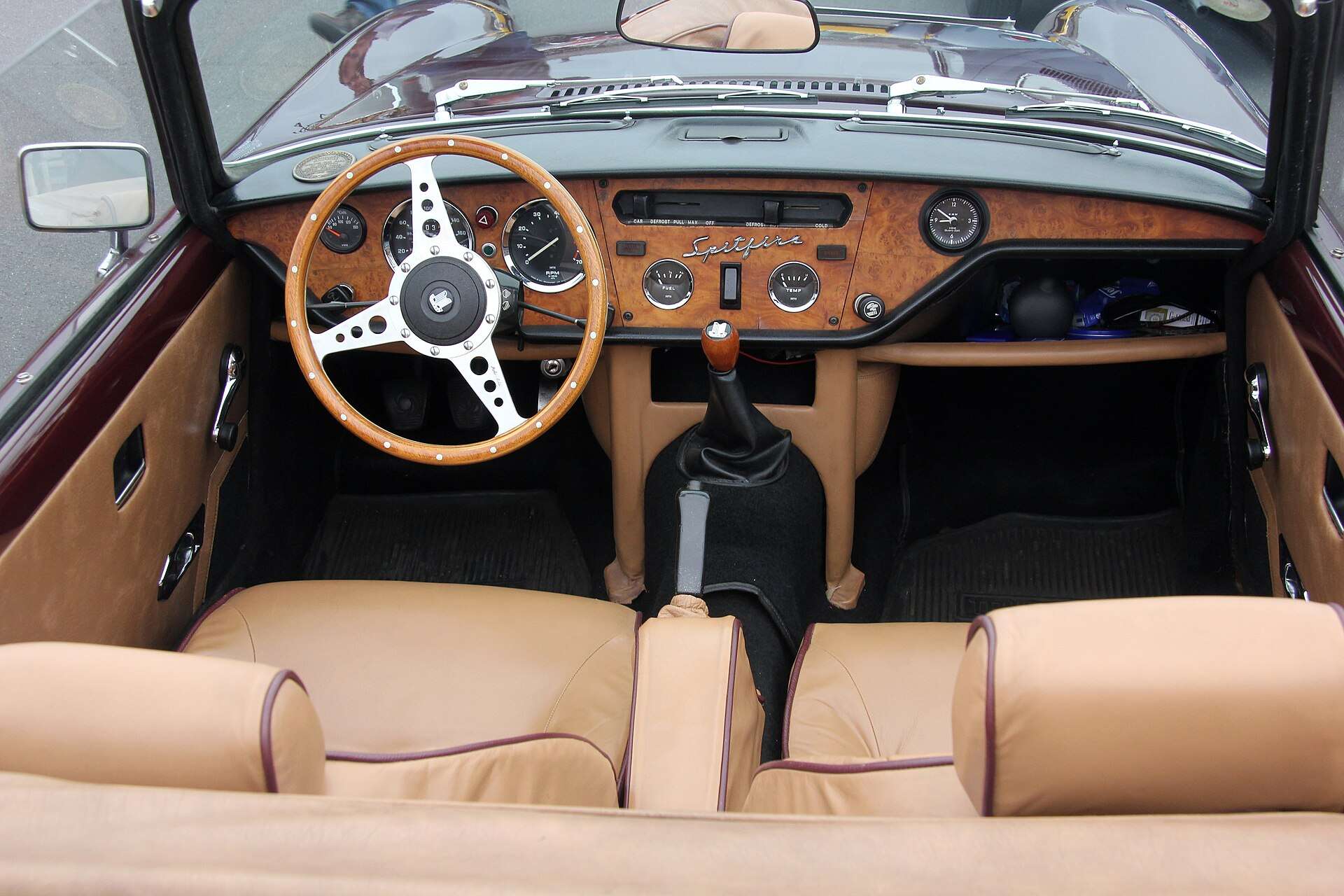
Make sure the hood frame folds freely and that the fabric seals around the windscreen and side windows. Hardtops are useful but must fit the correct generation. Test the heater, wipers, instruments, lights and charging system; water leaks often damage carpets, floors and electrical connections.
Many Spitfires combine engines, gearboxes, seats, wheels or bonnets from different years. Sensible upgrades are not automatically undesirable, but the seller should describe them accurately. Verify the commission number, engine number, body details and production date before paying a premium for originality.
Sources and further reading
Continue the Triumph story
The Spitfire turned Herald engineering into one of Britain’s most approachable sports cars. Explore the Triumph hub Read the Triumph GT6 guide Read the Triumph TR6 guide
Frequently asked questions
When was the Triumph Spitfire built?
Triumph produced the Spitfire from 1962 until 1980 across the Spitfire 4, Mk2, Mk3, MkIV and 1500 generations.
Which Triumph Spitfire is best for regular driving?
A sound MkIV or 1500 is often the easiest regular-use choice because of the later swing-spring rear suspension; condition remains more important than generation.
Does a Triumph Spitfire have a separate chassis?
Yes. The Spitfire uses a shortened derivative of the Triumph Herald separate chassis with a bolt-on body.
Where do Triumph Spitfires rust?
Check the chassis, outriggers, sills, A-posts, floors, bulkhead, rear arches, boot floor, windscreen surround and bonnet seams.
What should be checked before buying a Spitfire?
Verify identity and structure, then assess engine oil pressure, gearbox and overdrive, front trunnions, rear suspension, brakes, steering, hood, electrics and previous restoration work.