UNUSUAL CARS MODEL GUIDE
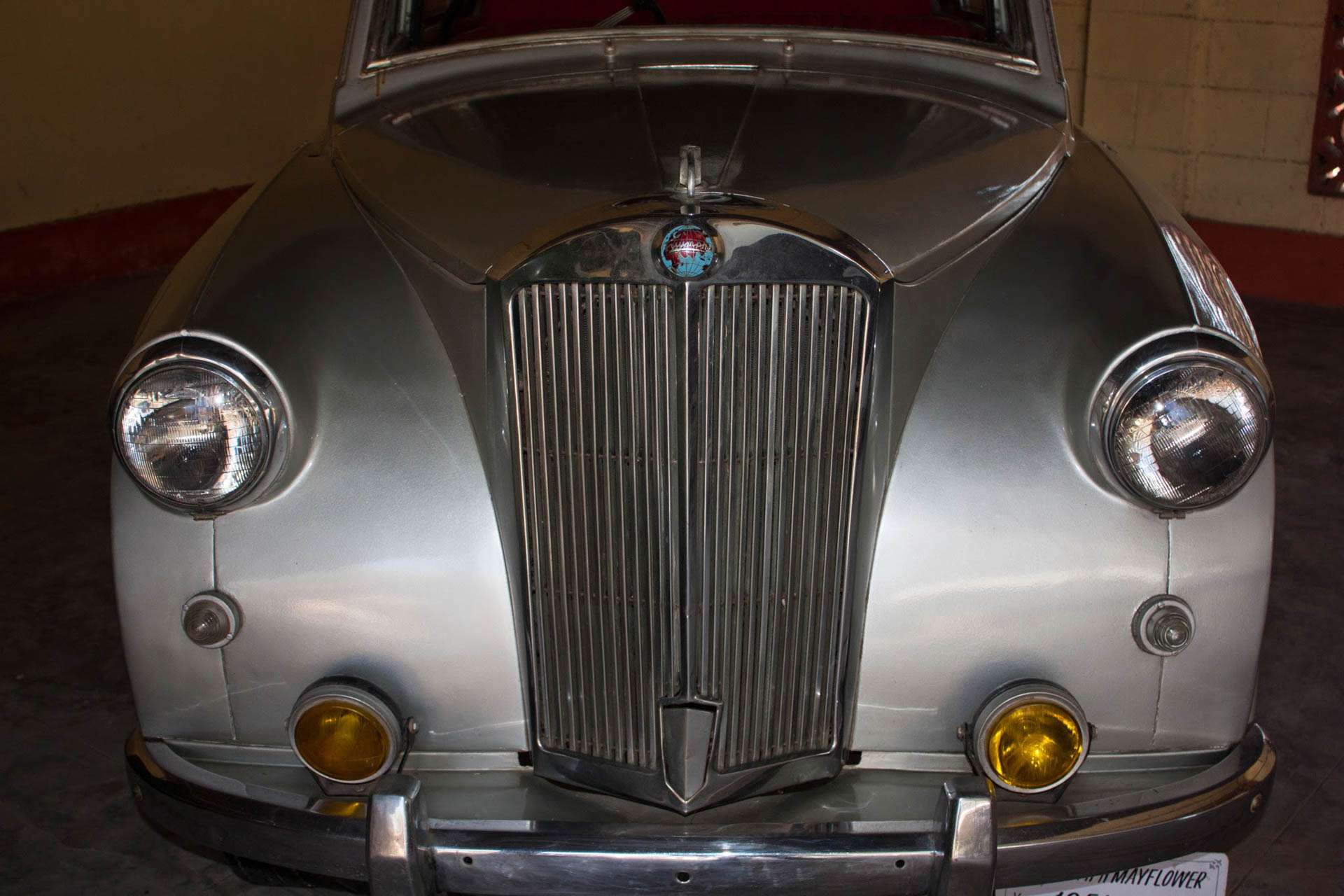
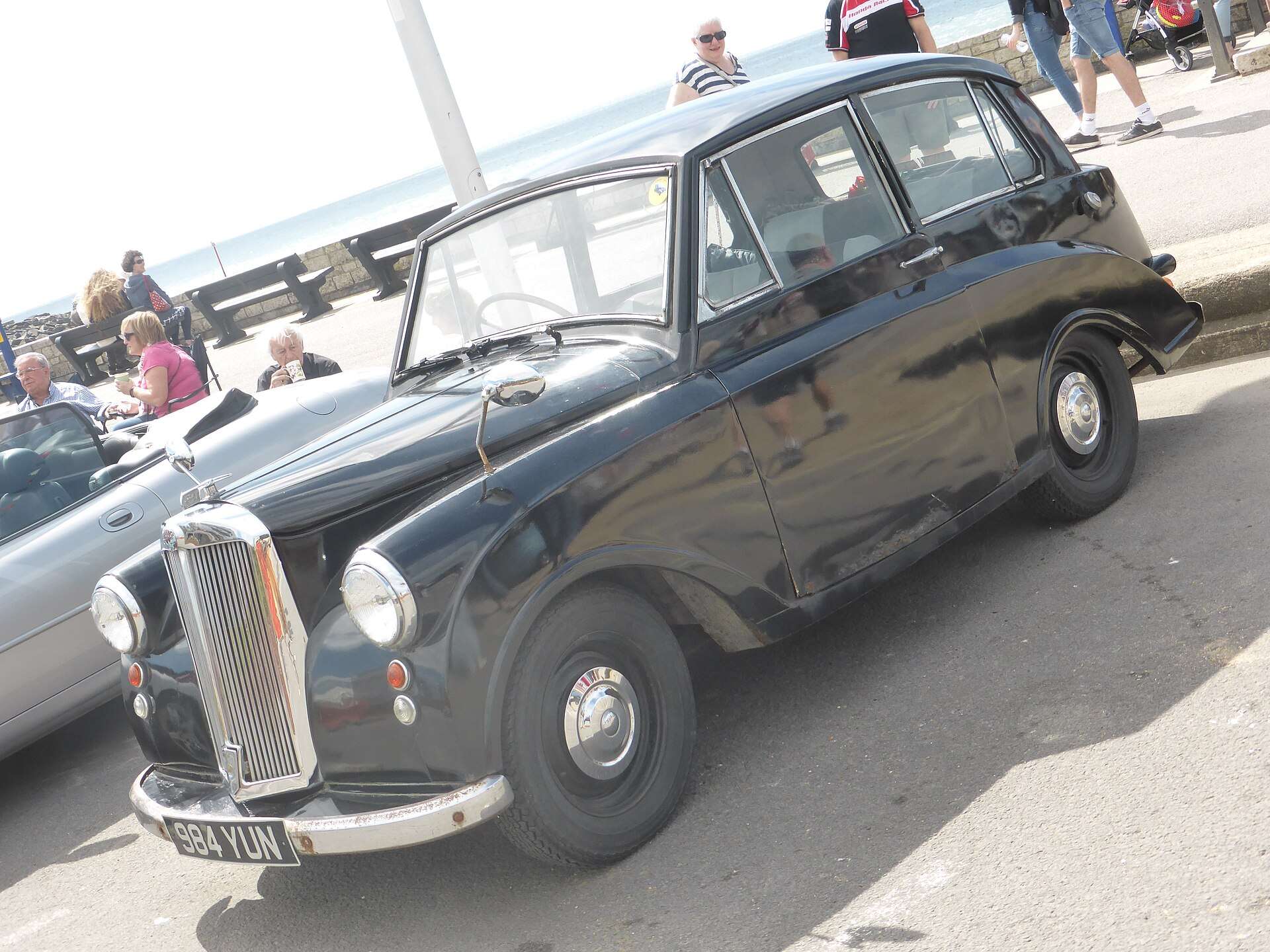
The Triumph Mayflower was a small two-door saloon built from 1950 to 1953. Its upright razor-edge body deliberately echoed expensive formal cars, while a 1,247 cc side-valve engine and compact dimensions placed it firmly in the family-car market. It was also the first Standard or Triumph production car to use unitary construction.
Quick answer: the Mayflower is historically important and visually unique, but it is slow by modern standards. Buy for structure, completeness and originality: body corrosion, scarce trim and an incomplete interior are more serious than routine engine work.
A small luxury car for a new market
The Mayflower was unveiled at the 1949 Earls Court motor show and reached customers in 1950. Standard-Triumph chairman Sir John Black hoped a compact, well-finished car would appeal in Britain and North America. The name and ship emblem reinforced that transatlantic ambition.
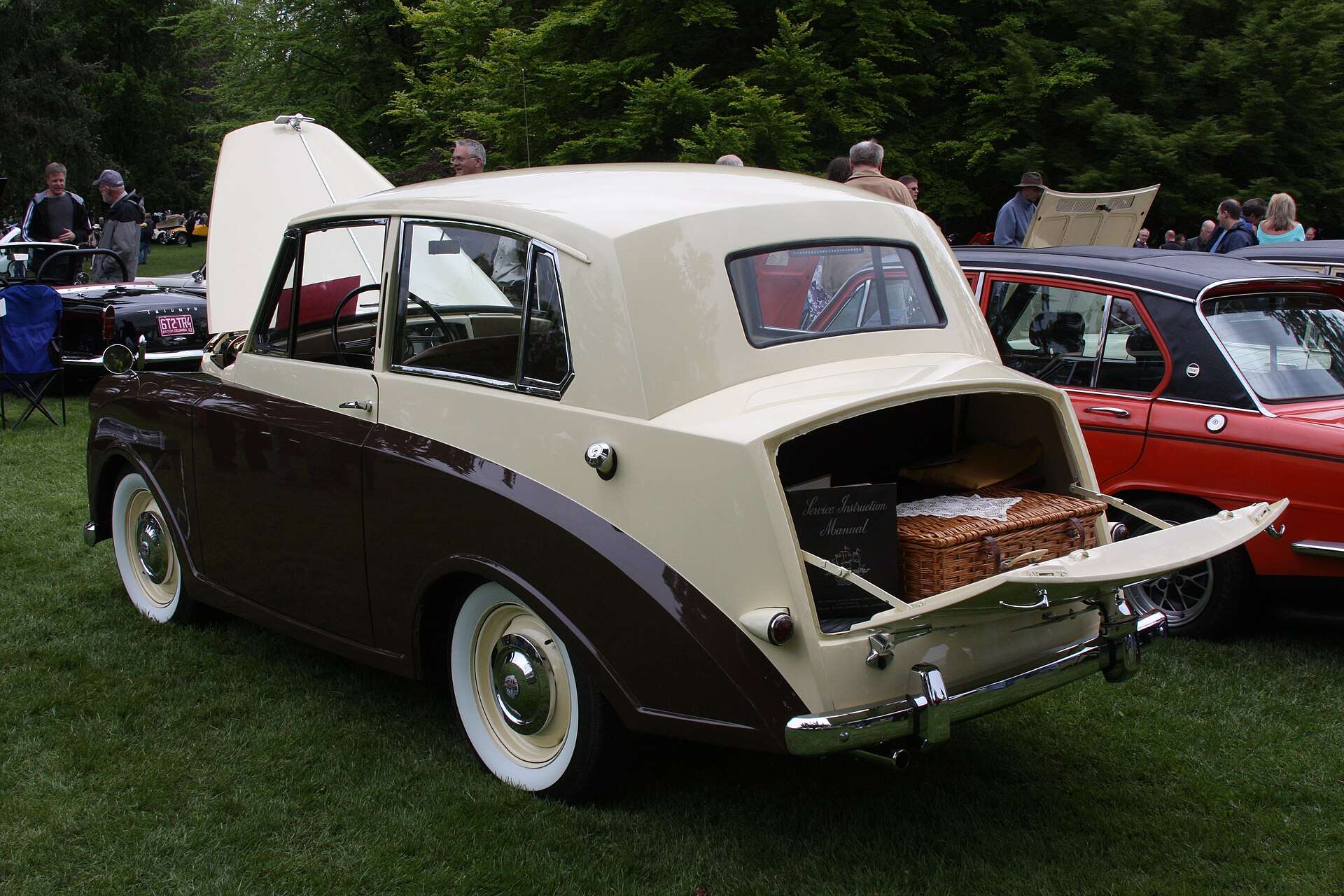
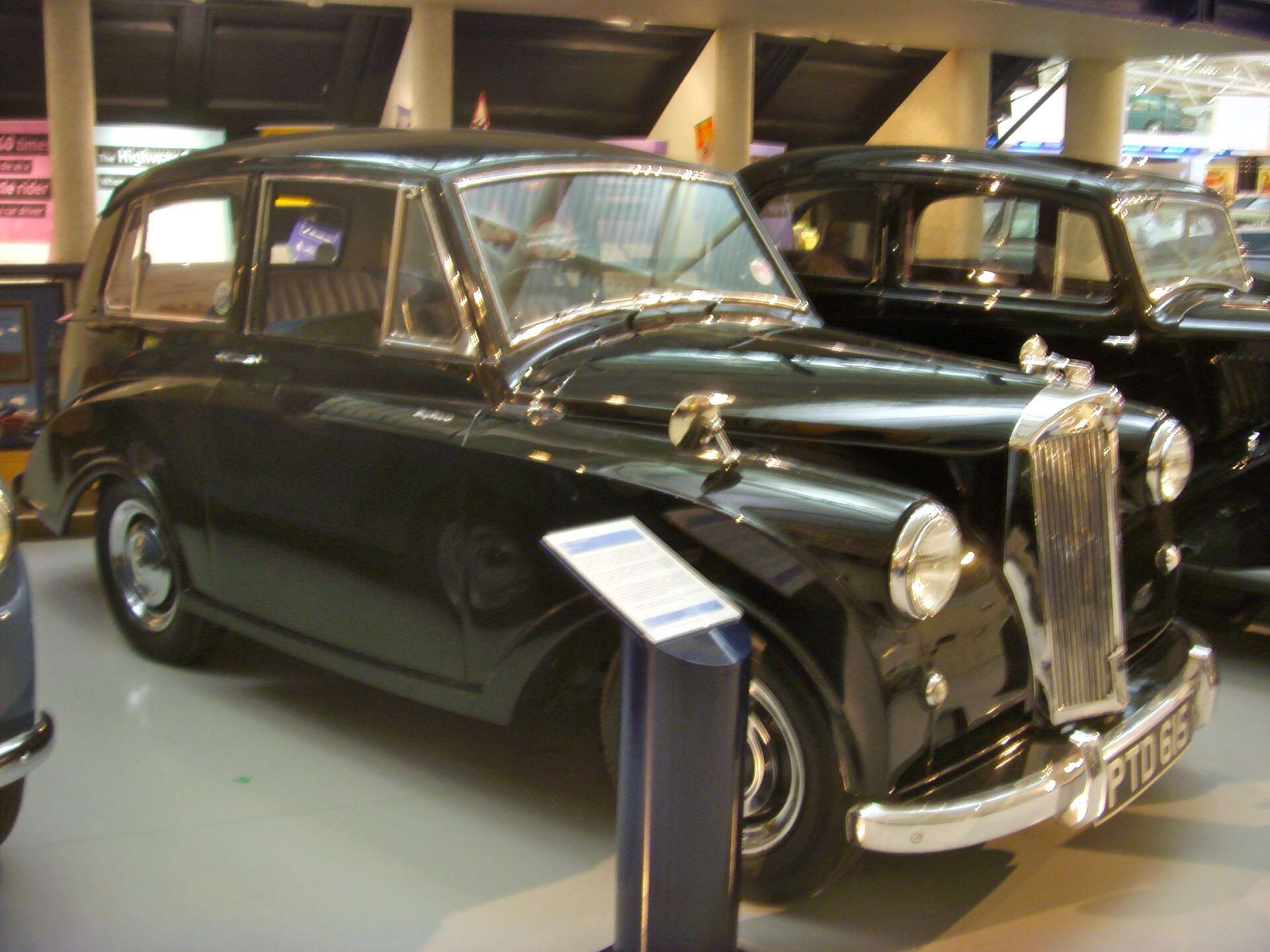
Leslie Moore at Mulliners of Birmingham developed the body with input from Standard-Triumph stylist Walter Belgrove. Fisher and Ludlow produced the shells. The sharply creased roof, upright grille and separate-looking wings created the “baby Rolls-Royce” image, although the mechanical specification was modest.
Specification
| Item | Triumph Mayflower |
|---|---|
| Production | 1950–1953 |
| Engine | 1,247 cc side-valve four-cylinder |
| Power | Approximately 38 bhp |
| Transmission | Three-speed column-change manual, synchromesh on forward gears |
| Suspension | Independent front; live rear axle with semi-elliptic springs |
| Brakes | Hydraulic drums |
The Mayflower Club records around 34,000 cars over the four-year run, including roughly 16,400 for the UK and only 510 sold in North America. Figures can vary slightly between summaries, so the club total is the most useful rounded reference.
Love cars you don’t see every day?
Get forgotten cars, surprising motoring stories and the most interesting finds from Unusual Cars by email.
Free to join. No spam. Unsubscribe whenever you like. See our privacy policy.
Engine and road behaviour
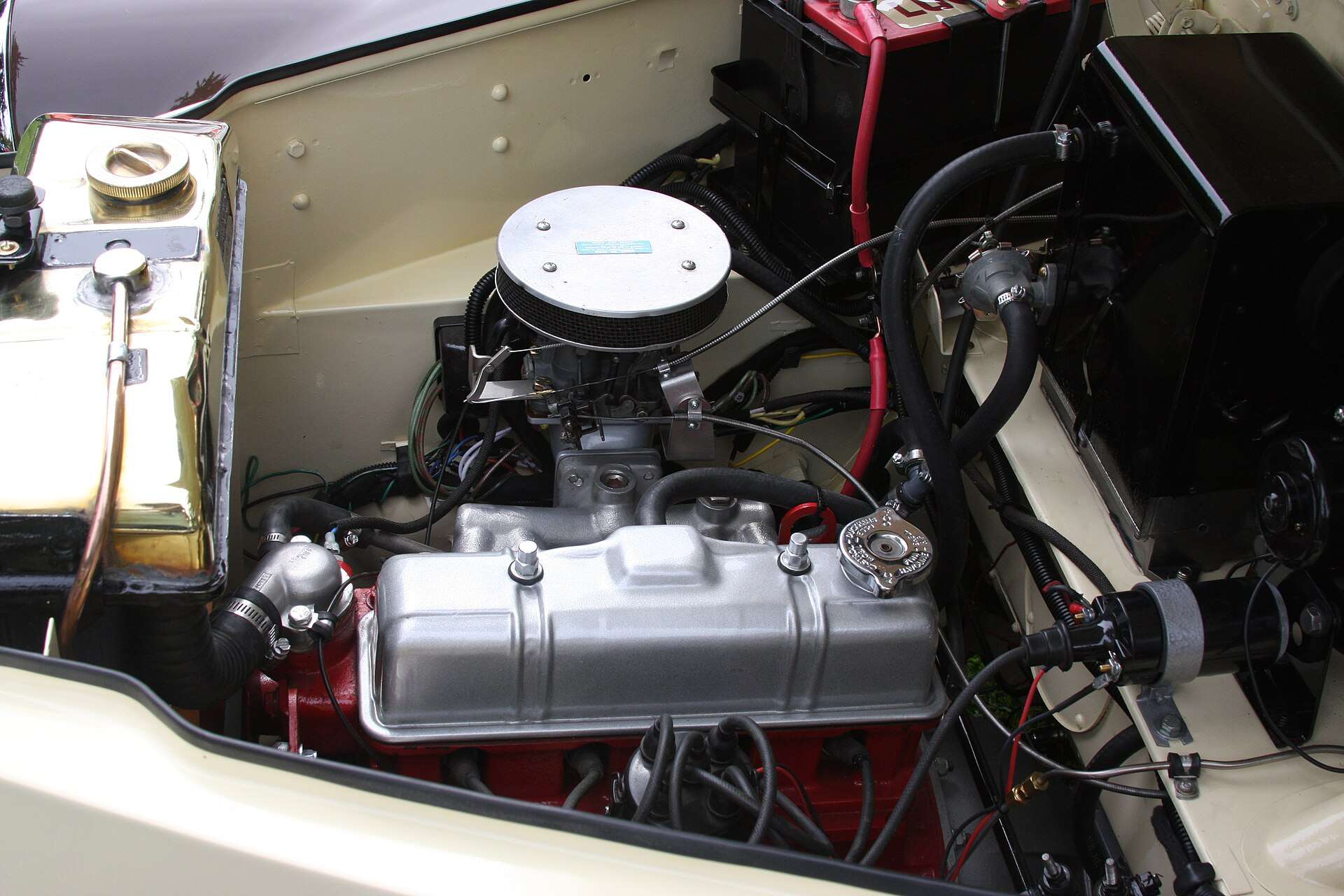
The long-stroke engine is designed for steady progress rather than speed. Check for easy starting, even idle, sensible oil pressure, cooling-system cleanliness and excessive smoke or mechanical knock. The aluminium cylinder head requires correct coolant and careful attention to corrosion, flatness and gasket condition.
The three-speed column change should select cleanly without jumping out. Worn linkages can make the pattern imprecise. Listen for axle whine and check the clutch, propshaft joints and engine mounts. A healthy Mayflower rewards unhurried driving; forcing modern motorway pace is neither comfortable nor mechanically sympathetic.
Body, structure and corrosion
Unitary construction makes structural condition critical. Inspect the sills, floors, inner wings, suspension pick-up points, bulkhead, screen surrounds, door pillars, rear arches, boot floor and spare-wheel area. Check beneath old underseal and look for distortion around jacking points.
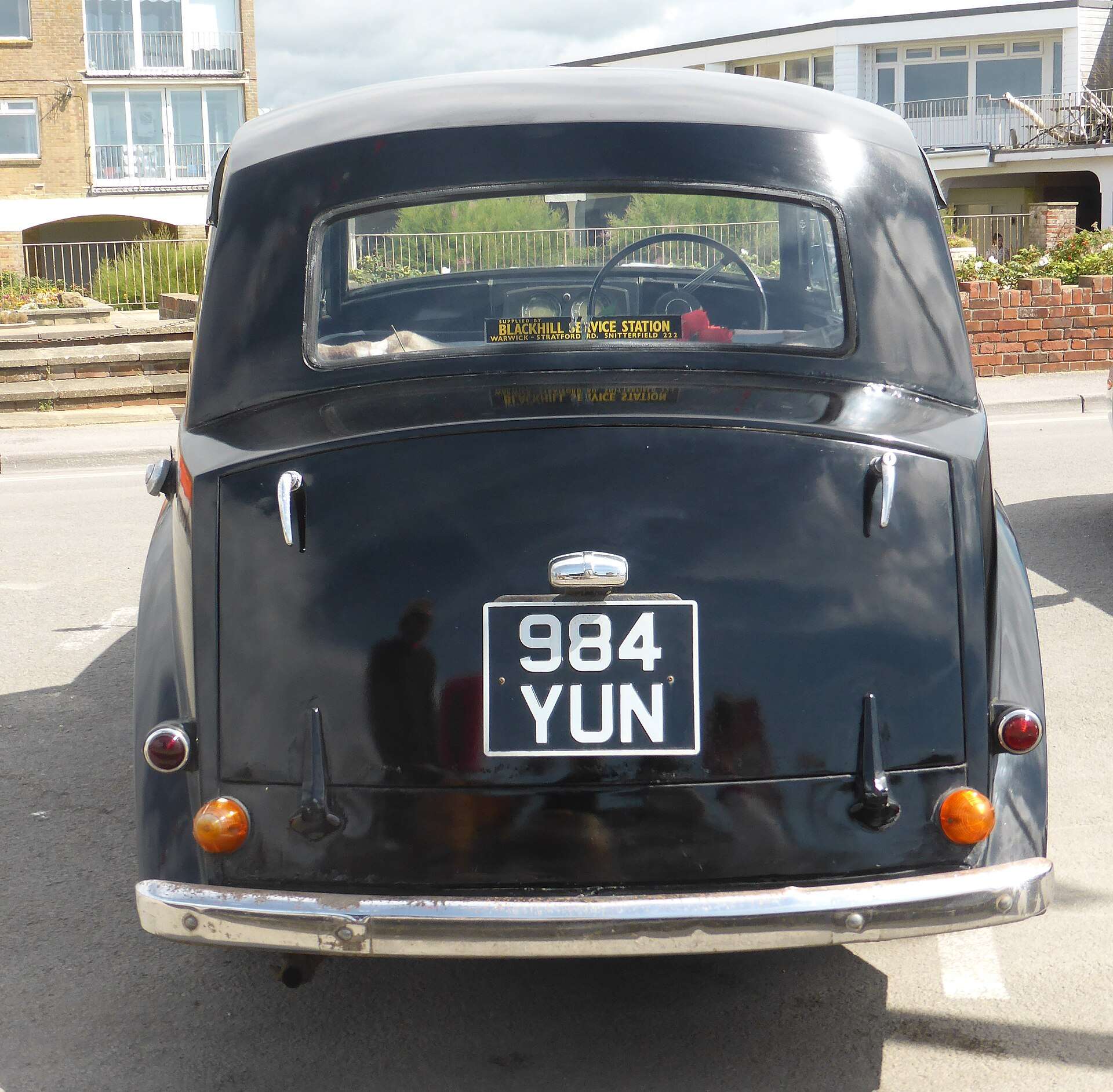
Panel alignment should be consistent and the heavy doors should not drop. Razor-edge styling needs accurate repairs: soft filler and poorly formed seams quickly spoil the shape. Chrome grille pieces, lamps, handles, bonnet fittings and the ship badge can be expensive to restore.
Suspension, steering and brakes
Front coil springs and telescopic dampers work with a live rear axle on leaf springs. Look for worn kingpins and bushes, leaking dampers, broken leaves and play in wheel bearings or steering joints. The hydraulic drum brakes can work effectively at the car’s performance level, but seized cylinders, contaminated linings and old hoses require a complete overhaul rather than adjustment alone.

Interior and rare variants
The cabin is part of the Mayflower’s miniature-luxury promise. Check seats, headlining, door cards, dashboard fittings, instruments and column-change hardware. Damp interiors often indicate failing seals and may hide structural corrosion. Original trim patterns and small fittings matter because replacement stock is limited.
Ten drophead coupés were reportedly built, and the Australian operation produced approximately 150 locally modified coupé utilities from imported kits. Claims for either version require strong documentary and construction evidence.
Choosing a Mayflower
A complete club-known car is usually the safest route. Confirm the commission and engine numbers, restoration history and whether major structural work was photographed. Mechanical parts have links with other Standard products, but body and trim pieces are much more specific.
The Mayflower’s appeal lies in its contradictions: elaborate formal styling, modest performance and advanced unitary construction. It was not a major export success, but it remains one of the most recognisable small British cars of its period.
Sources and further reading
- Triumph Mayflower Club model history
- Triumph Mayflower Club technical documents
- British Motor Museum collections
Continue the Triumph story
The Mayflower brought Triumph’s post-war razor-edge image into a compact unitary saloon before the Herald changed direction completely. Explore the complete Triumph hub and read the Dolomite Sprint guide.
Frequently asked questions
When was the Triumph Mayflower made?
Customer production ran from 1950 until 1953 after the car was unveiled at the 1949 Earls Court motor show.
What engine does a Triumph Mayflower have?
It uses a 1,247 cc side-valve four-cylinder engine with a single carburettor and approximately 38 bhp.
How many Triumph Mayflowers were built?
The Triumph Mayflower Club records approximately 34,000 cars, including about 16,400 for the British market.
Why is the Mayflower called a razor-edge car?
Its sharply creased roof, upright grille and formal body imitate the razor-edge styling associated with larger luxury saloons.
Where does a Triumph Mayflower rust?
Check the sills, floors, inner wings, suspension mounts, bulkhead, screen surrounds, pillars, rear arches and boot floor because corrosion affects the unitary structure.