UNUSUAL CARS MODEL GUIDE
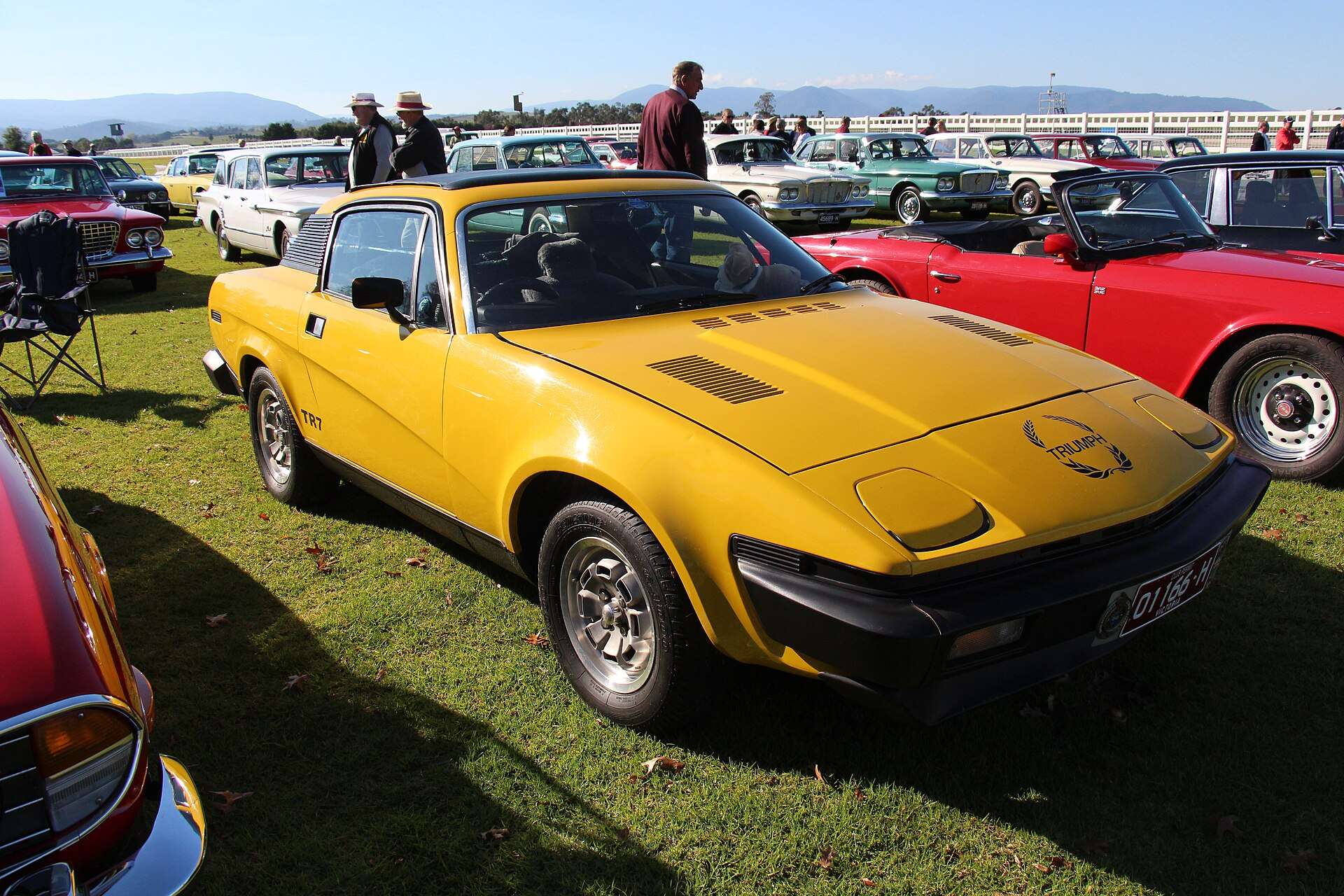
The Triumph TR7 was the wedge-shaped rear-wheel-drive sports car produced by British Leyland from 1974 to 1981, first as a fixed-head coupé and later as a convertible. The rarer TR8 placed Rover’s 3.5-litre aluminium V8 in the same basic body and was sold principally in North America.
Quick answer: a late five-speed TR7 or properly documented factory TR8 can be an enjoyable and practical classic. Buy on shell condition, production identity and the quality of previous work. A V8-engined TR7 is not automatically a TR8, and an early car with poor repairs can absorb more money than a better late example.
The shape of things to come
Harris Mann’s styling abandoned the separate wings and upright grille associated with earlier TRs. The deep windscreen, rising waistline, concealed headlamps and short tail made the new car unmistakable. The initial launch concentrated on the United States, with British sales following later.

The convertible arrived after substantial structural development and removed the coupé’s controversial roofline without losing the wedge identity. Production moved between Speke, Canley and Solihull, and build detail varies with factory and period. Later cars generally benefit from accumulated manufacturing improvements.
TR7 and TR8 compared
| Model | Engine | Transmission and character |
|---|---|---|
| TR7 | 1,998 cc slant-four | Four-speed on early cars; five-speed and automatic versions. Balanced, accessible and widely available. |
| TR7 convertible | 1,998 cc slant-four | Open body with strengthened shell; five-speed cars are popular for touring. |
| TR8 | 3,528 cc Rover V8 | Factory V8 model, mainly left-hand drive and North American; identity must be documented. |

The Rover V8 and factory TR8 identity
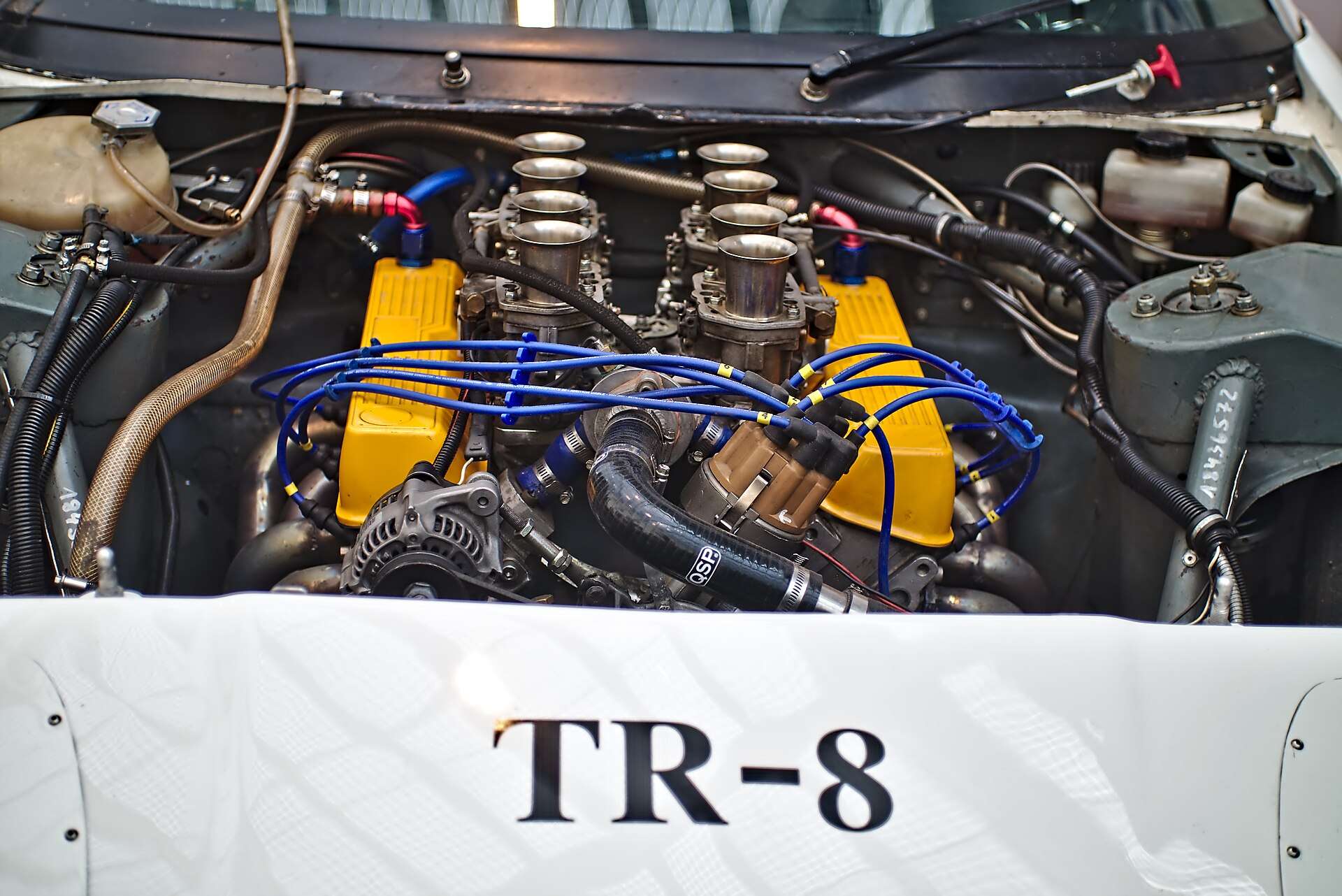
The compact aluminium Rover V8 transformed the car’s torque and sound without imposing the weight penalty of a large iron engine. Factory TR8s received more than an engine swap: specification, chassis identification, brakes, axle, cooling and market equipment must be considered together. Genuine right-hand-drive factory cars are exceptionally rare, while many capable conversions have been built privately.

Ask for a heritage certificate, original commission and body numbers, market documentation and a continuous history. For conversions, assess the engineering on its own merits: engine and gearbox mounts, cooling, fuel delivery, wiring, brakes, axle ratio and suspension must form a coherent package.
Love cars you don’t see every day?
Get forgotten cars, surprising motoring stories and the most interesting finds from Unusual Cars by email.
Free to join. No spam. Unsubscribe whenever you like. See our privacy policy.
Competition and the V8 rally cars
British Leyland developed V8-powered TR7 rally cars before the showroom TR8 programme was fully established. Works cars competed internationally with progressively developed engines, suspension and bodywork. Their dramatic appearance and sound helped the wedge earn credibility that early production problems had obscured.
Body and structural inspection
Corrosion can affect the sills, floorpans, front suspension turrets, bulkhead, windscreen surround, door bottoms, rear arches, boot floor and rear suspension mountings. On convertibles, inspect the strengthened sill and floor structure carefully and check that the doors open cleanly with the car resting on its wheels.
Pop-up headlamps should rise together and sit flush when closed. Look for poorly aligned bumpers, repaired nose sections and filler around the wheelarches. Water entering through roof, screen or lamp seals can damage the interior and concealed metalwork.

Engine, cooling and transmission
On a TR7, listen for timing-chain noise, check hot oil pressure and examine the cooling system for leaks, sediment and signs of overheating. Twin carburettors need correct balancing and intact mounts. The five-speed gearbox should select cleanly; worn synchromesh, layshaft noise, propshaft vibration and differential whine require attention.
V8 cars need evidence of regular oil changes, sound cooling, correct carburation and secure exhaust installation. Watch for overheating in traffic, low hot oil pressure and neglected ignition components. Four matching tyres and correct suspension geometry matter on both versions.
Interior, trim and choosing the right car
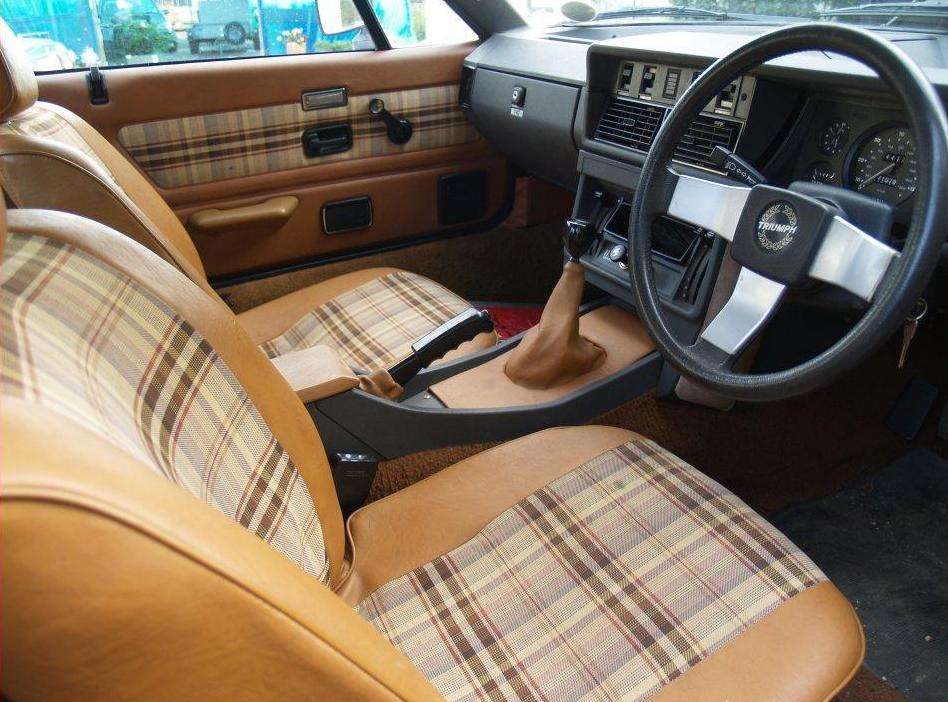
Dashboard plastics, seat fabrics, door cards and exterior trim differ by year and market. Complete originality can be harder to restore than mechanical condition because some colour-specific parts are scarce. Test the headlamps, instruments, heater, wipers, windows and all column controls.
The best TR7 is usually a straight, complete late car with documented maintenance. The best TR8 is one whose identity and specification withstand careful scrutiny. A well-engineered conversion can be entertaining, but it should be described and valued as a conversion.
Sources and further reading
Continue the Triumph story
The wedge closed the original TR story with a design unlike any earlier Triumph. Explore the Triumph hub Read the Triumph GT6 guide Read the Triumph TR6 guide
Frequently asked questions
When was the Triumph TR7 built?
The TR7 was produced from 1974 until 1981, initially as a fixed-head coupe and later as a convertible.
What is the difference between a TR7 and TR8?
The TR7 uses a 2.0-litre slant-four, while the factory TR8 uses the 3.5-litre Rover V8 and associated specification changes.
Was the Triumph TR8 sold in Britain?
The TR8 was sold principally in North America. Genuine factory right-hand-drive cars exist in very small numbers, so documentation is essential.
Are all V8-engined TR7s genuine TR8s?
No. Many TR7s have been converted to Rover V8 power. A conversion can be good, but it is not a factory TR8 without supporting identity and production evidence.
What should be checked before buying a TR7 or TR8?
Inspect structural corrosion, identity, cooling, engine, gearbox, axle, suspension, brakes, pop-up headlamps, hood or roof seals, trim and the quality of previous repairs.