UNUSUAL CARS MODEL GUIDE
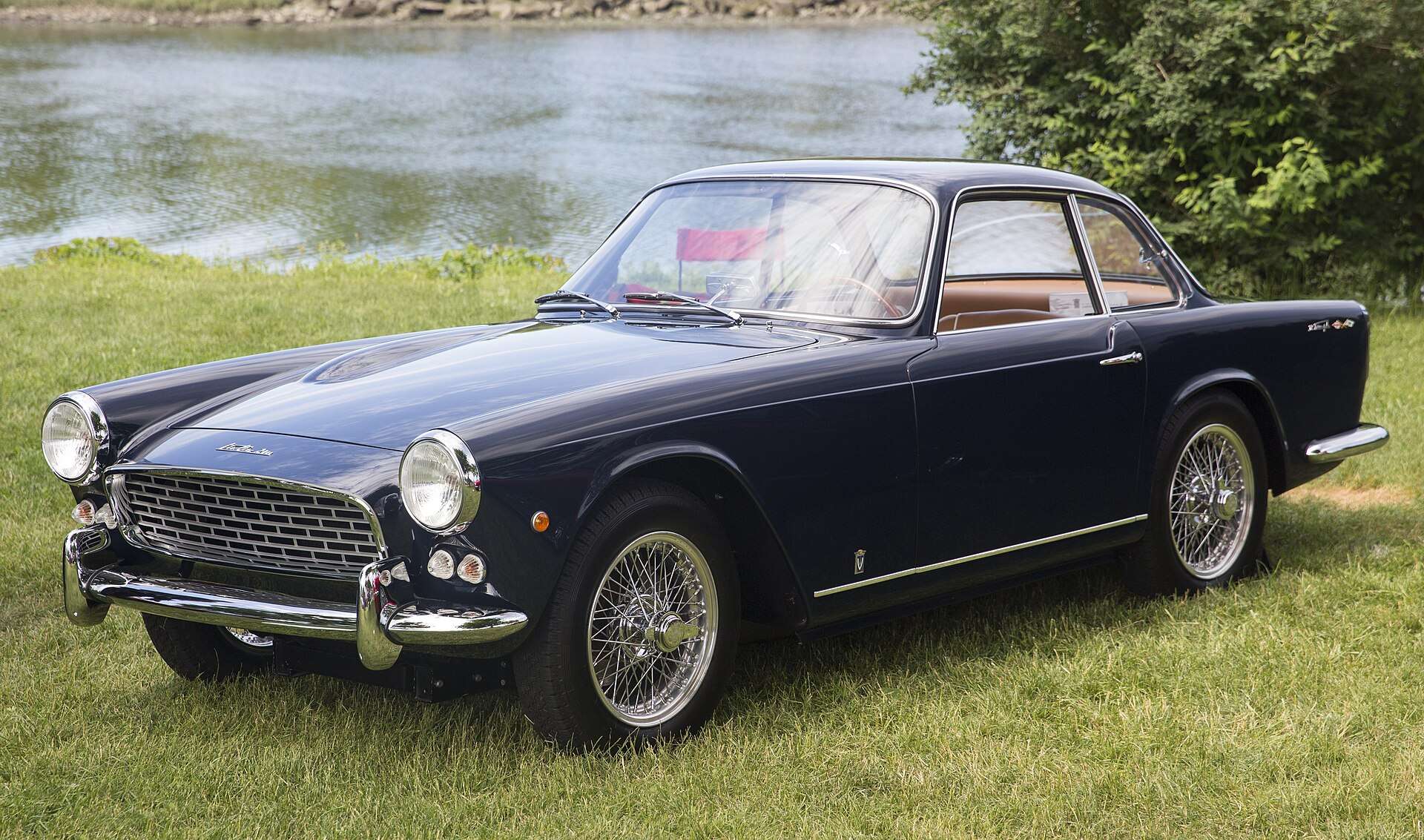
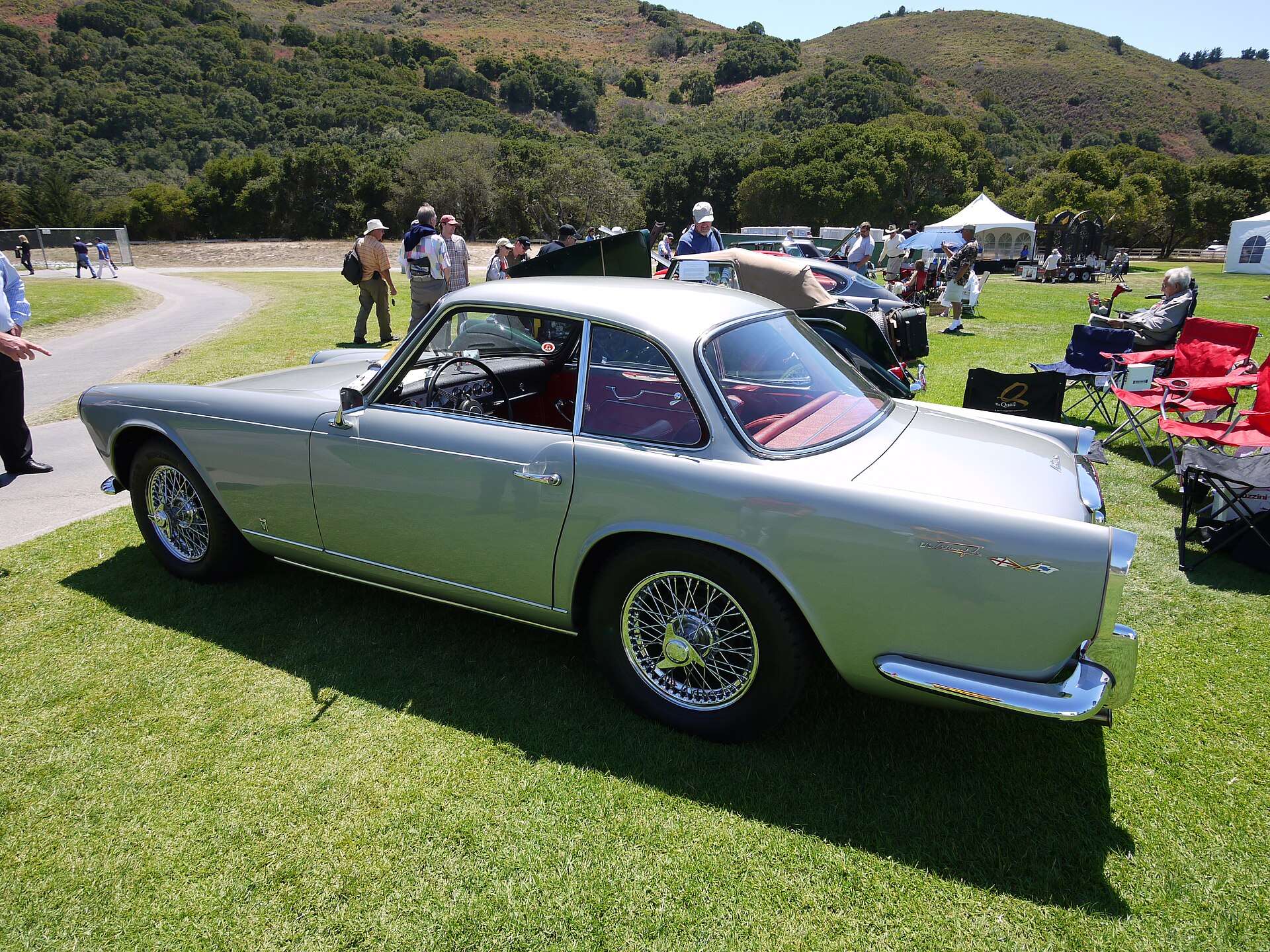
The Triumph Italia 2000 is a steel-bodied Italian grand-touring coupé built on Triumph TR3 running gear. Conceived by Italian distributor Salvatore Ruffino, styled by Giovanni Michelotti and constructed in Turin with Vignale involvement, it combined familiar British mechanical parts with bespoke coachbuilt bodywork.
Quick answer: the Italia drives much like a refined closed TR3 but is far rarer and more difficult to restore. Identity, body authenticity, completeness and provenance dominate the buying decision. Sources usually cite 329 or 330 cars; only a handful were right-hand drive.
Salvatore Ruffino’s idea
Ruffino believed customers would pay more for an elegant fixed-head coupé using dependable, serviceable Triumph components. Michelotti produced a clean two-seat GT body whose bonnet bulge, proportions and side treatment anticipated themes later seen on the TR4.
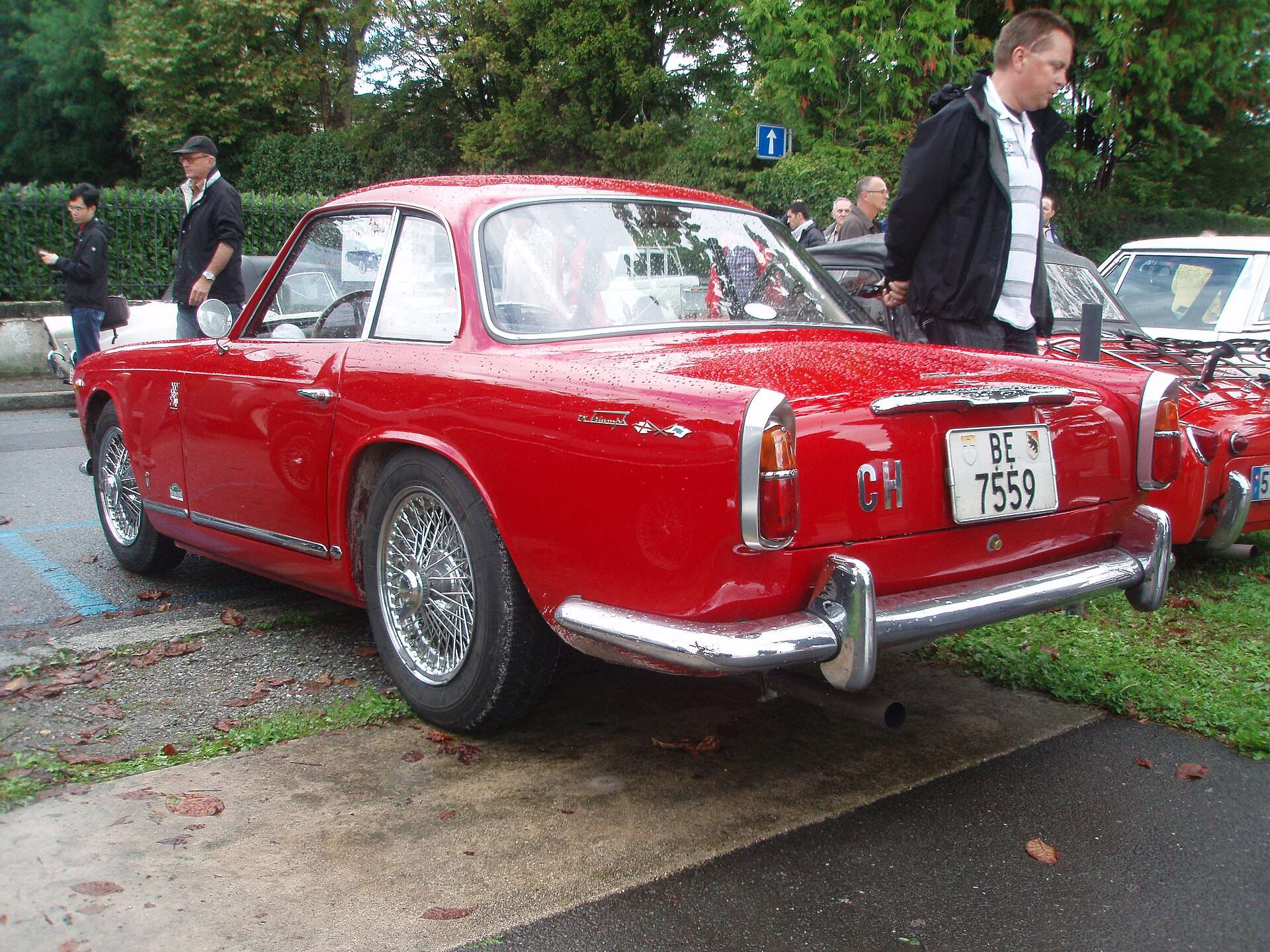
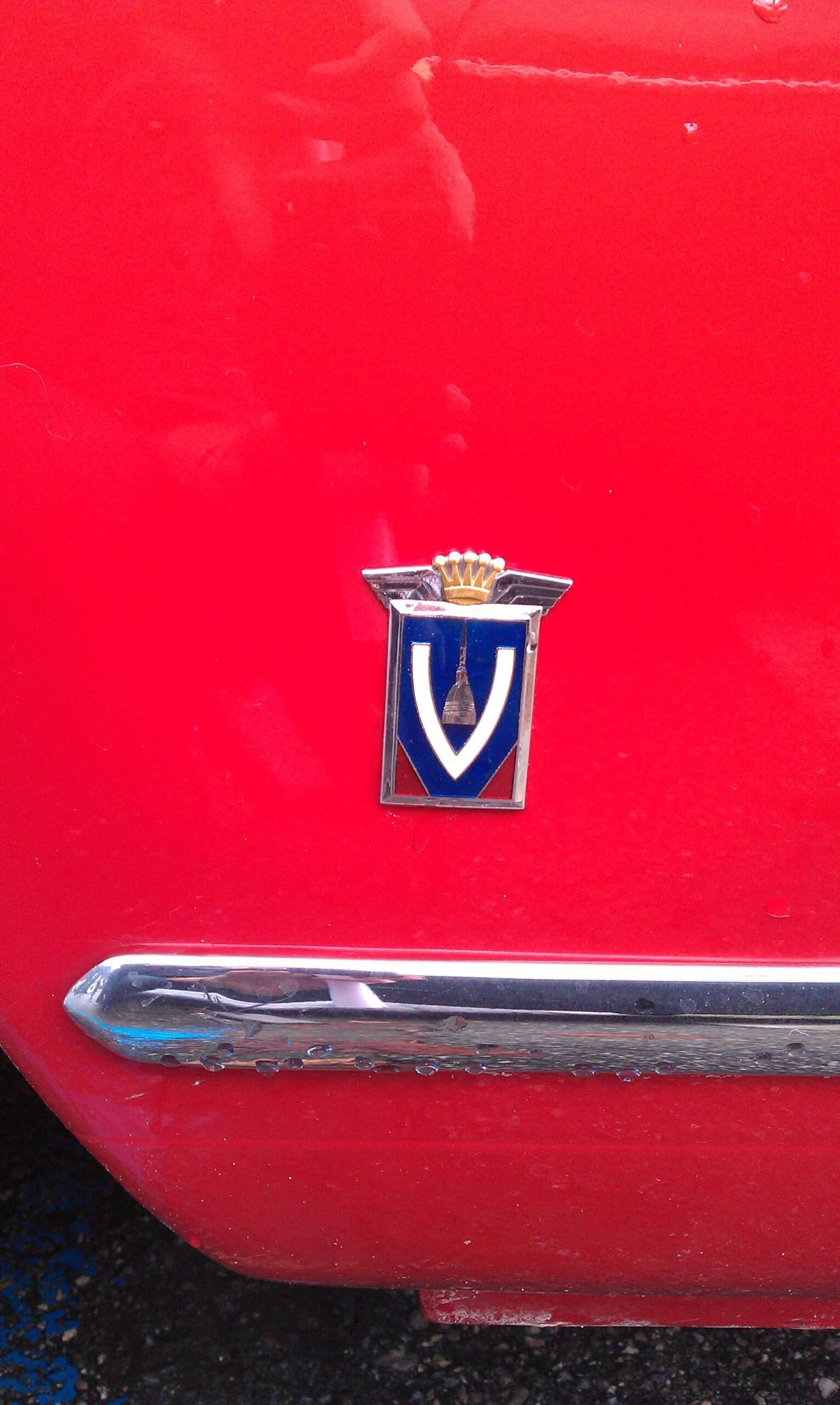
Early bodies were associated directly with Vignale; production continued in facilities arranged by Ruffino. Triumph supplied chassis and mechanical components but did not ultimately make the Italia a normal factory-distributed model. The change in Standard-Triumph ownership and strategy helped end the project before the proposed thousand-car run.
Specification and production
| Item | Italia 2000 |
|---|---|
| Production | 1959–1962, with some sources extending completion or registration dates |
| Chassis and drivetrain | Triumph TR3/TR3A-derived |
| Engine | 1,991 cc wet-liner four-cylinder, twin SU carburettors |
| Gearbox | Four-speed manual; overdrive optional on some cars |
| Brakes | Front discs and rear drums |
| Production total | Usually recorded as 329 or 330, depending on prototypes and counting method |

The TR Register and Italian marque histories support the essential outline: TR3 mechanicals, Michelotti design, Vignale construction and fewer than 330 completed cars. Because production records and prototype definitions differ, an article or sales description should qualify the exact total rather than presenting false precision.
Love cars you don’t see every day?
Get forgotten cars, surprising motoring stories and the most interesting finds from Unusual Cars by email.
Free to join. No spam. Unsubscribe whenever you like. See our privacy policy.
Engine, gearbox and chassis
The 1,991 cc wet-liner engine is fundamentally familiar to TR specialists. Check cold starting, hot oil pressure, coolant contamination, crankshaft end float, smoke and bottom-end noise. Modifications are common, so verify engine number, capacity, carburettors, cylinder head and exhaust rather than assuming factory specification.
The separate chassis, steering, front suspension and braking system follow TR3 practice. Inspect the chassis for corrosion, cracks and distortion, especially around suspension mounts, outriggers and the centre structure. Gearbox and overdrive checks are equally familiar: clean selection, quiet bearings and prompt electrical engagement matter.
The bespoke steel body
The Italia’s body is its greatest attraction and greatest financial risk. Unlike a TR3, replacement exterior panels are not routine catalogue items. Inspect the sills, floors, wheelarches, lower wings, door structures, screen surrounds, boot floor and every junction between body and chassis.
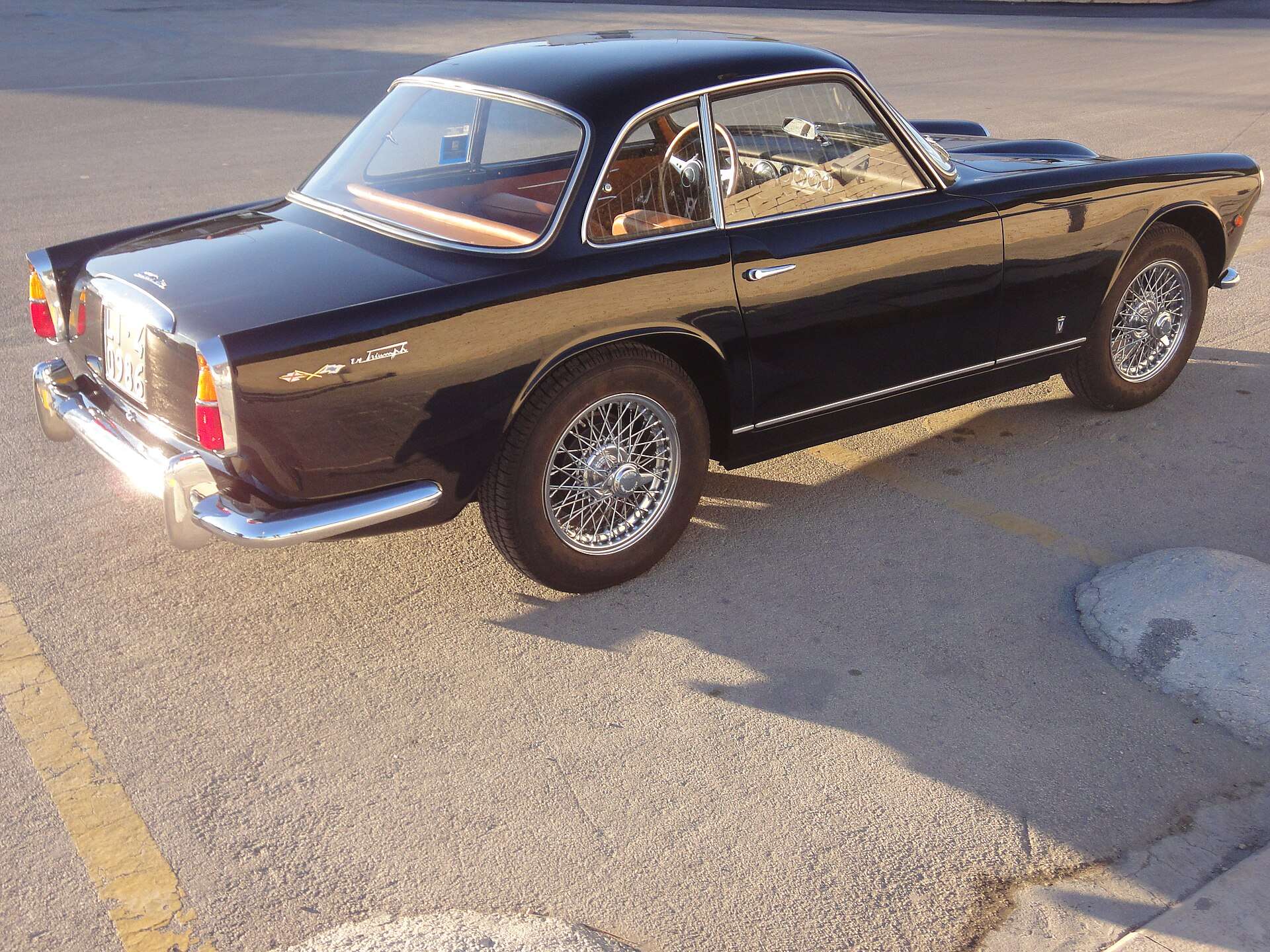
Panel gaps, glass fit and symmetry reveal restoration quality. A shiny car can still conceal extensive filler or incorrectly shaped repairs. Doors, bonnet and boot lid should open cleanly without contacting adjacent panels. Specialist metalwork and access to an accurate reference car are valuable.
Interior, glass and unique trim
The dashboard, seats and controls mix Italian presentation with British hardware. Check instruments, switchgear, seat frames, door furniture, window mechanisms and ventilation. Bespoke glass, badges, lamps and exterior trim are difficult and expensive to reproduce; missing details should influence value immediately.
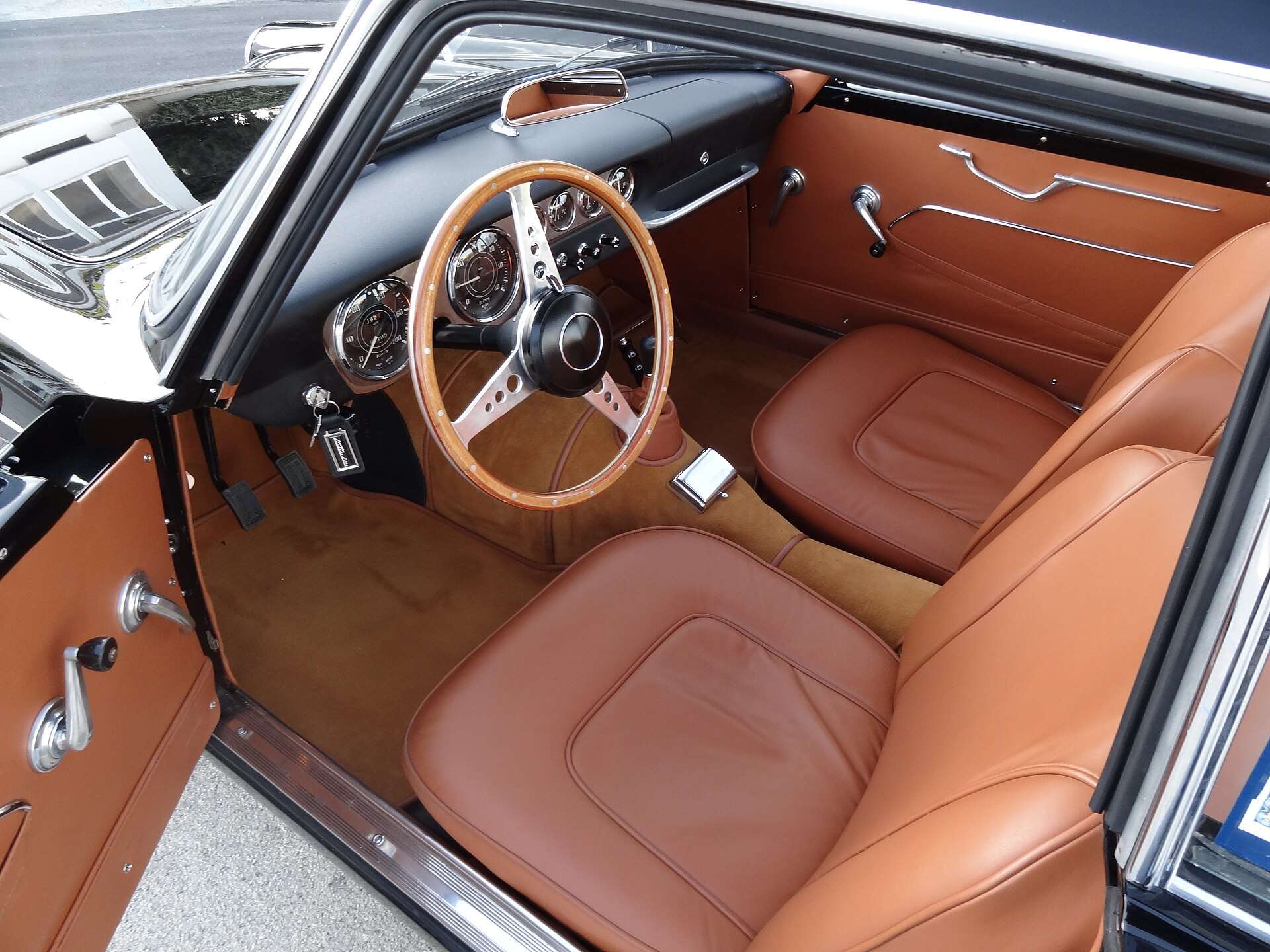
Right-hand-drive cars are exceptionally rare—period specialists often cite only six—so conversion claims require careful inspection. Verify the steering layout, pedal arrangement, dashboard, chassis number and documented history.
Authenticity and provenance
Specialist registers can connect a chassis number with production sequence, original colour and known ownership. An Italia assembled from TR components and a recreated body may still be an appealing car, but it is not equivalent to a documented period example. Confirm the chassis stamping, body numbers, Ruffino or Italia identification and restoration photographs.
Driving character and ownership
TR3 torque and compact dimensions give the Italia useful pace, while the closed body changes noise, ventilation and touring comfort. It should feel mechanically robust rather than delicate. Cooling, fuel supply, brakes and tyres must nevertheless be maintained for modern traffic.
Routine mechanical work benefits from TR parts availability; body and trim work does not. The best car is therefore the most complete and best documented, even if another example has fresher paint. Commission a specialist inspection and involve the relevant register before purchase.
Sources and further reading
- TR Register: Triumph Italia 2000
- Triumph in Italy model history and specifications
- Classic & Sports Car Italia feature
Continue the Triumph story
The Italia is the rarest expression of the same TR engineering that powered Triumph’s sidescreen sports cars. Explore the complete Triumph hub and read the Dolomite Sprint guide.
Frequently asked questions
Who designed the Triumph Italia 2000?
Giovanni Michelotti designed the Italia, and its steel body was constructed in Turin with Vignale involvement for Salvatore Ruffino’s project.
Is the Triumph Italia based on a TR3?
Yes. It uses Triumph TR3-derived chassis, engine, gearbox, suspension and brakes beneath a bespoke Italian coupé body.
How many Triumph Italia 2000s were built?
Sources generally record 329 or 330 cars. The difference reflects how prototypes and completed production cars are counted.
How many right-hand-drive Italias were made?
Specialist histories commonly cite only six right-hand-drive examples, so any car or conversion requires careful documentary verification.
What is the biggest buying risk?
The bespoke steel body, unique glass and scarce trim are the greatest risks because mechanical TR3 parts are much easier to source than Italia-specific components.