UNUSUAL CARS MODEL GUIDE
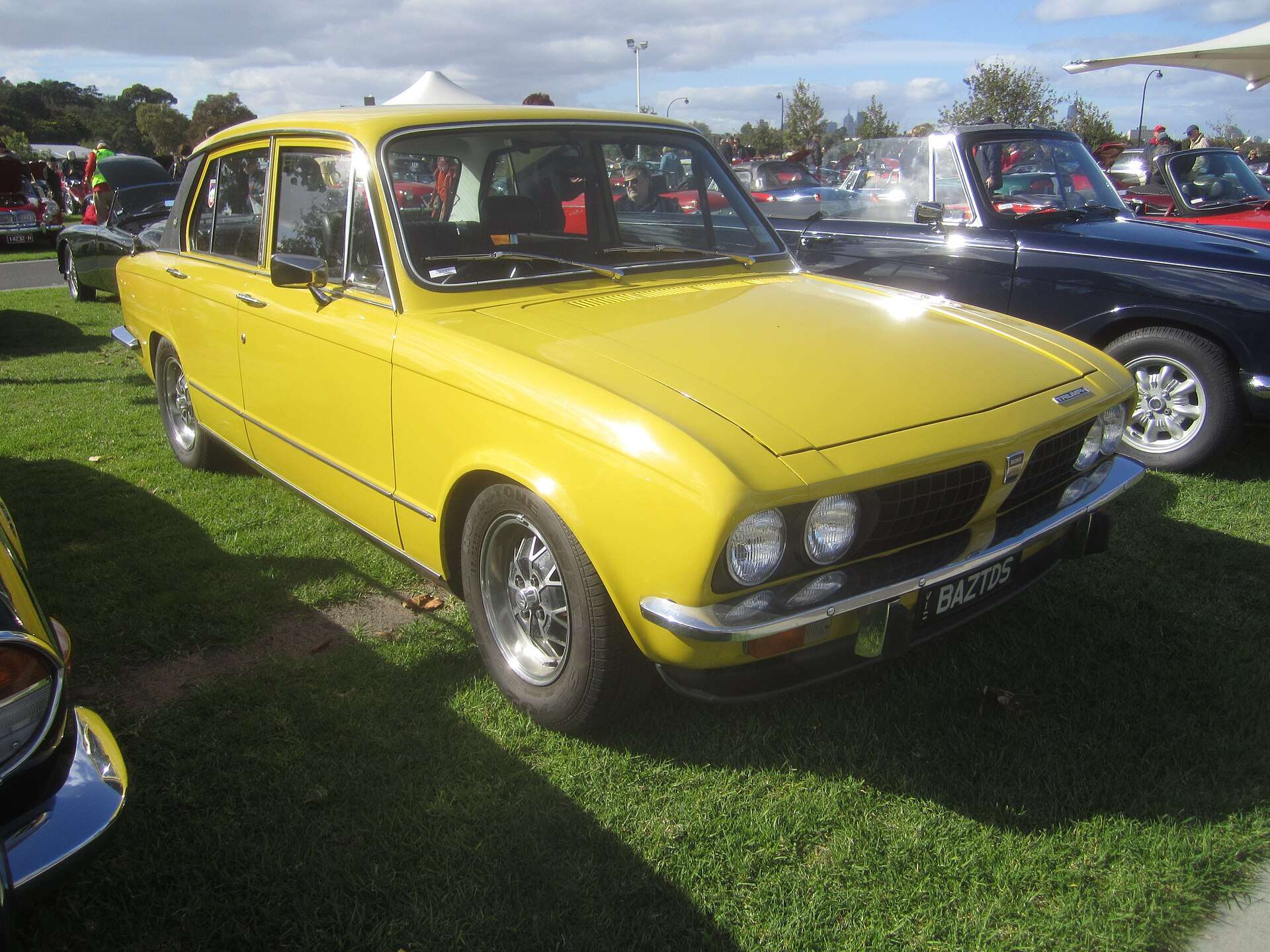
The Triumph Dolomite Sprint was the high-performance version of Triumph’s compact executive saloon, launched in June 1973 with a 1,998 cc engine, a single-camshaft 16-valve cylinder head and about 127 bhp. It combined four doors, wood-and-cloth comfort and rear-wheel drive with performance that made it one of Britain’s defining sports saloons of the 1970s.
Quick answer: the Sprint is fast, characterful and historically important, but it rewards careful inspection. Cooling-system health, cylinder-head work, timing-chain history, overdrive operation and structural corrosion matter much more than shiny paint. A documented standard car is usually safer than an unknown modified example.
Why the Dolomite Sprint mattered
Triumph needed an answer to increasingly quick compact saloons from BMW, Ford and Alfa Romeo. Engineers developed an eight-valve slant-four into a 16-valve unit using an ingenious layout in which one camshaft operated one bank of valves directly and the other through rockers. The design gave multi-valve breathing without the complexity of twin overhead camshafts.

The result arrived before the Volkswagen Golf GTI and helped establish the template of a practical family car with serious performance. Standard equipment included a four-speed manual gearbox with overdrive on most UK cars, front disc brakes, a vinyl roof and distinctive alloy wheels.
Engine, performance and specification
The 1,998 cc engine used twin SU carburettors and produced approximately 127 bhp in road form. Period tests recorded brisk acceleration and a top speed around 115 mph, but the Sprint’s appeal was broader than numbers: it delivered flexible mid-range power, good visibility and a comfortable cabin that could carry four adults.

| Specification | Triumph Dolomite Sprint |
|---|---|
| Production | 1973–1980 |
| Engine | 1,998 cc inline four, single overhead camshaft, 16 valves |
| Power | Approximately 127 bhp |
| Transmission | Four-speed manual; overdrive widely fitted, automatic optional |
| Layout | Front engine, rear-wheel drive |
| Brakes | Front discs, rear drums |
Touring-car and rally legacy
Competition success gave the Sprint credibility beyond the showroom. Prepared examples won races in British touring-car competition during the 1970s, including Andy Rouse’s 1975 British Saloon Car Championship title. The model also appeared in international touring-car and rally events, where its power was balanced against the need to keep the engine and brakes cool.
Love cars you don’t see every day?
Get forgotten cars, surprising motoring stories and the most interesting finds from Unusual Cars by email.
Free to join. No spam. Unsubscribe whenever you like. See our privacy policy.
Body and structural checks
Corrosion is the first buying priority. Inspect the front suspension turrets, inner wings, bulkhead seams, sills, A- and B-pillars, jacking points, floors, rear arches, boot floor, rear suspension mountings and the area around the windscreen. Vinyl roofs can conceal corrosion at the screen pillars and gutters.
Panel fit should be consistent and all four doors should open without dropping. Fresh paint and heavy underseal require closer inspection, not reassurance. Replacement panels and trim exist, but correcting a poorly repaired shell can exceed the cost of buying a better car.
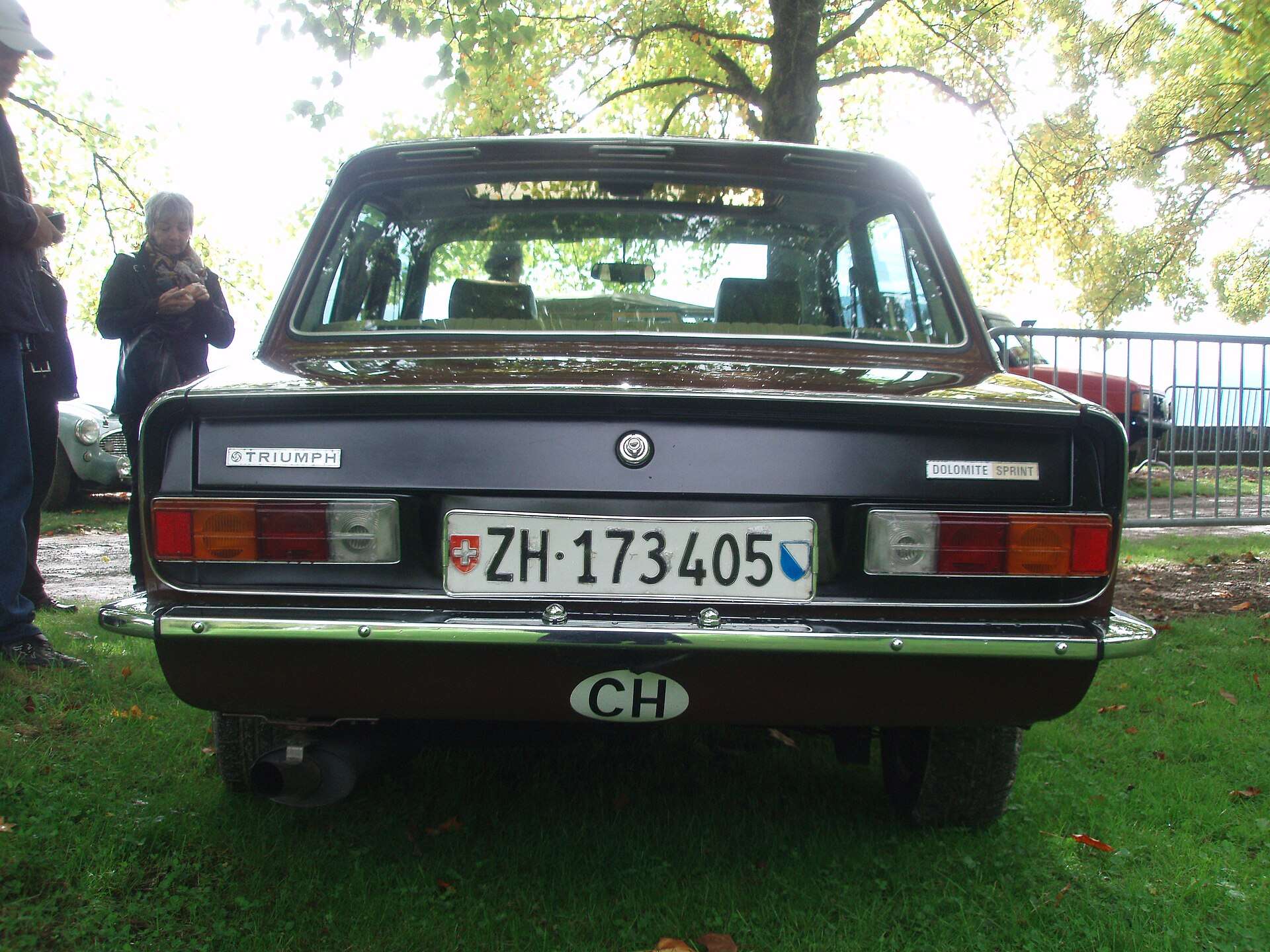
Cooling system, cylinder head and timing chain
The aluminium cylinder head sits on an iron block, so correct coolant and regular maintenance are essential. Check from cold for clean coolant, stable temperature, sound hoses and radiator, a working viscous fan and no persistent pressure, bubbles or mayonnaise. Evidence of a properly rebuilt water pump and cylinder head is valuable.
Listen for timing-chain rattle and ask when the tensioner, guides and chain were last renewed. Head removal can be difficult when corrosion seizes the angled studs, so an invoice from a Triumph specialist is worth more than a vague claim of a recent rebuild.

Gearbox, overdrive, axle and suspension
The four-speed gearbox should select cleanly and the overdrive should engage and disengage promptly under light throttle. A slow or intermittent response may be electrical, hydraulic or mechanical. Listen for differential whine, propshaft vibration and worn universal joints.
Front trunnions need regular lubrication; neglect can cause stiffness or failure. Check wishbone bushes, ball joints, dampers, rear radius arms and wheel bearings. The steering should feel accurate rather than vague, and the car should sit level without excessive negative camber.

Interior, originality and choosing the right car
Dashboards, instruments, seats, wood veneer, steering wheels and Sprint-specific alloy wheels contribute strongly to value. Test every gauge, light, heater control and the heated rear window. Water leaks can damage both the cabin and the floor beneath it.
Modifications are common. Electronic ignition, an improved radiator or discreet suspension upgrades can make sense when documented, but extreme lowering, poorly matched carburettors and unidentified engine parts can make diagnosis difficult. Confirm chassis, engine and registration identities and compare them with club records before purchase.
Sources and further reading
- FIA Historic Database: BL Triumph Dolomite Sprint
- Triumph Sports Six Club: Dolomite Sprint history and specification
Continue the Triumph story
The Sprint turned a civilised compact saloon into a pioneering multi-valve performance car. Explore the Triumph hub and the Stag guide and the TR6 guide.
Frequently asked questions
When was the Triumph Dolomite Sprint built?
The Dolomite Sprint was produced from 1973 until 1980.
What engine is in a Dolomite Sprint?
It uses a 1,998 cc slant-four with a single overhead camshaft and 16 valves, producing approximately 127 bhp in standard form.
Did every Dolomite Sprint have overdrive?
Overdrive was widely fitted to UK manual cars but specification varies; an automatic transmission was also optional.
Why do Dolomite Sprint engines overheat?
Neglected coolant, a failing water pump, blocked radiator, fan problems or poor previous cylinder-head work can all cause overheating, so the complete system must be checked.
What should be inspected before buying a Dolomite Sprint?
Inspect the entire shell for corrosion, then check cooling and cylinder-head history, timing chain, gearbox and overdrive, differential, suspension trunnions, brakes, electrics, trim and identity.