UNUSUAL CARS MODEL GUIDE
The Triumph TR2, TR3, TR3A and TR3B form the sidescreen generation of Triumph sports cars built from 1953 to 1962. They established the TR formula: a strong separate chassis, a torquey wet-liner four-cylinder engine, simple weather protection and performance that made long-distance competition genuinely credible.
Quick answer: the TR2 is the purest and rarest early form, the TR3 introduced a recognisable grille and later gained front disc brakes, the wide-mouth TR3A is the most numerous and easiest to identify, and the TR3B was a short-lived North American bridge to the TR4. Condition, identity and restoration quality matter more than choosing one badge over another.
From the 20TS prototype to the TR2
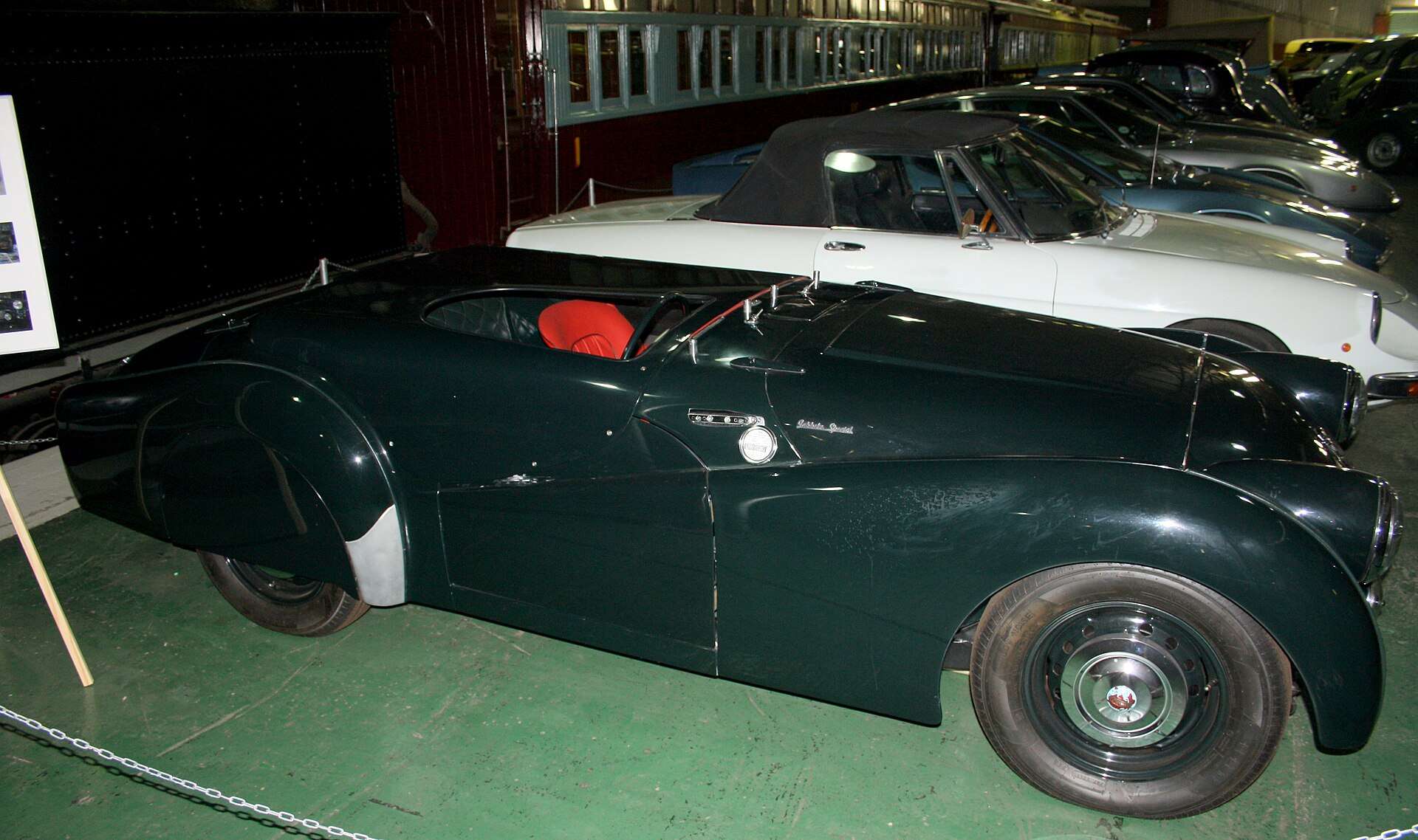
Standard-Triumph developed the TR2 after the underdeveloped 20TS prototype shown in 1952. Ken Richardson’s testing helped turn the idea into a sturdier car with a revised chassis, better handling and useful performance. Production began in 1953, using the 1,991 cc wet-liner four-cylinder engine related to Standard and Ferguson applications but tuned with twin SU carburettors.
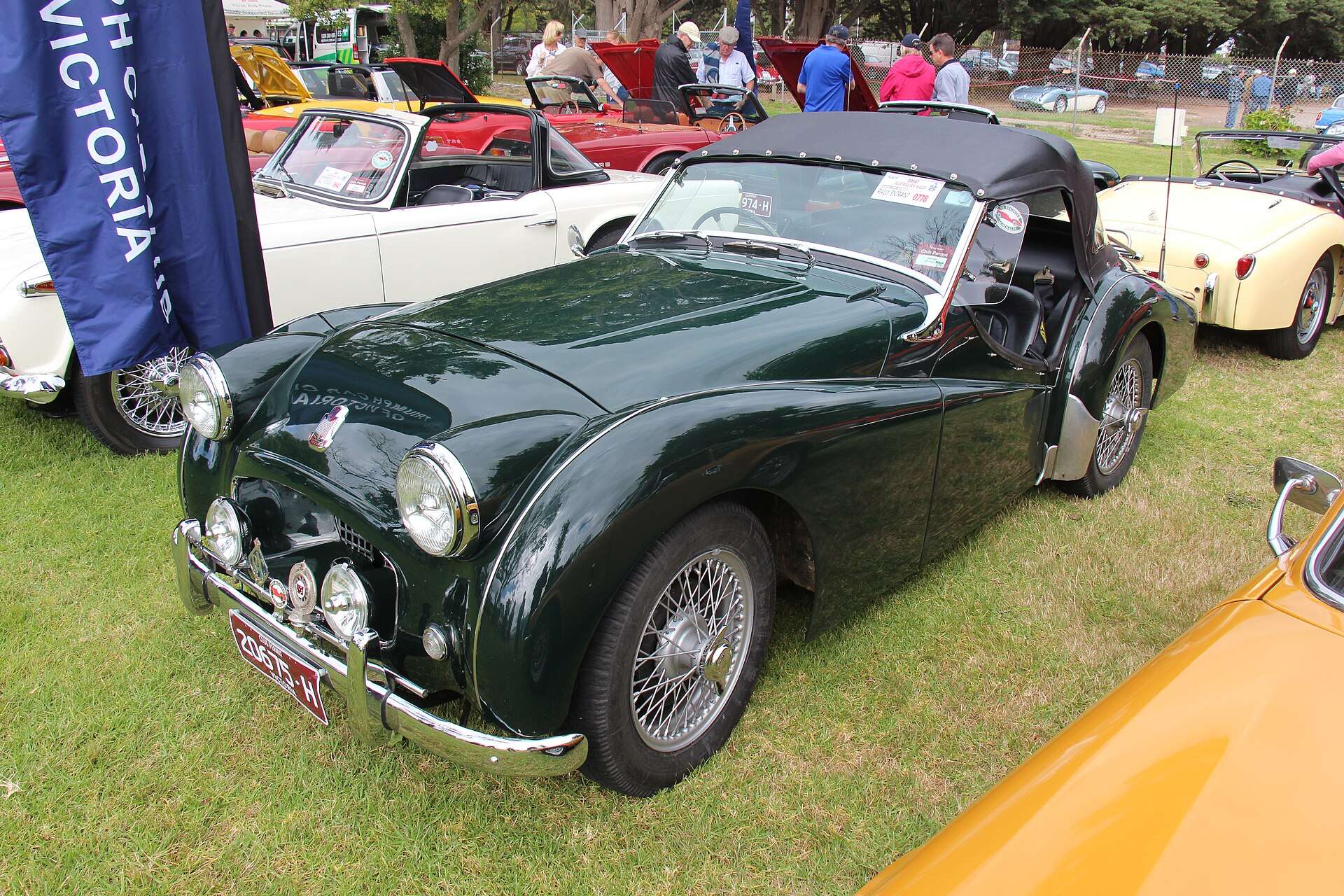
The early long-door TR2 was quickly refined into the more practical short-door body. Standard-Triumph promoted the car through competition and record running. At Jabbeke in Belgium a streamlined prototype exceeded 124 mph in 1953, an achievement that gave the new model valuable credibility before the TR name had become familiar.
TR2, TR3, TR3A and TR3B compared
| Model | Approximate period | Key distinction |
|---|---|---|
| TR2 | 1953–1955 | Small mouth, 1,991 cc engine and drum brakes; early cars have long doors. |
| TR3 | 1955–1957 | Egg-crate grille, increased output and front disc brakes on later production. |
| TR3A | 1957–1961 | Unofficial but widely used name for the wide-mouth facelift with exterior door handles. |
| TR3B | 1962 | North American continuation model; later cars used the 2,138 cc engine and all-synchromesh gearbox associated with the TR4. |

Published totals vary slightly because factory records and later model labels do not always align. The TR Register records roughly 8,600 TR2s, about 13,000 TR3s and around 58,000 TR3A-type cars, while the TR3B added only a little over 3,000 examples. The important point is that most sidescreen production went overseas, especially to North America.
Love cars you don’t see every day?
Get forgotten cars, surprising motoring stories and the most interesting finds from Unusual Cars by email.
Free to join. No spam. Unsubscribe whenever you like. See our privacy policy.
Engines, gearboxes and overdrive
The wet-liner four is durable and responds well to careful tuning, but age and modification make individual condition decisive. Check cold starting, oil pressure when fully hot, crankshaft end float, coolant cleanliness and evidence of head-gasket leakage. Listen for timing-chain and bottom-end noise. Many engines have been enlarged to 2,138 cc, so capacity should be verified rather than assumed from the badge.
Four-speed gearboxes may have optional overdrive. Early boxes lack synchromesh on first gear; the later TR3B arrangement is different again. Gear selection should be positive, overdrive should engage promptly in the permitted gears and the clutch should release without excessive travel or bearing noise.
Chassis, body and identity
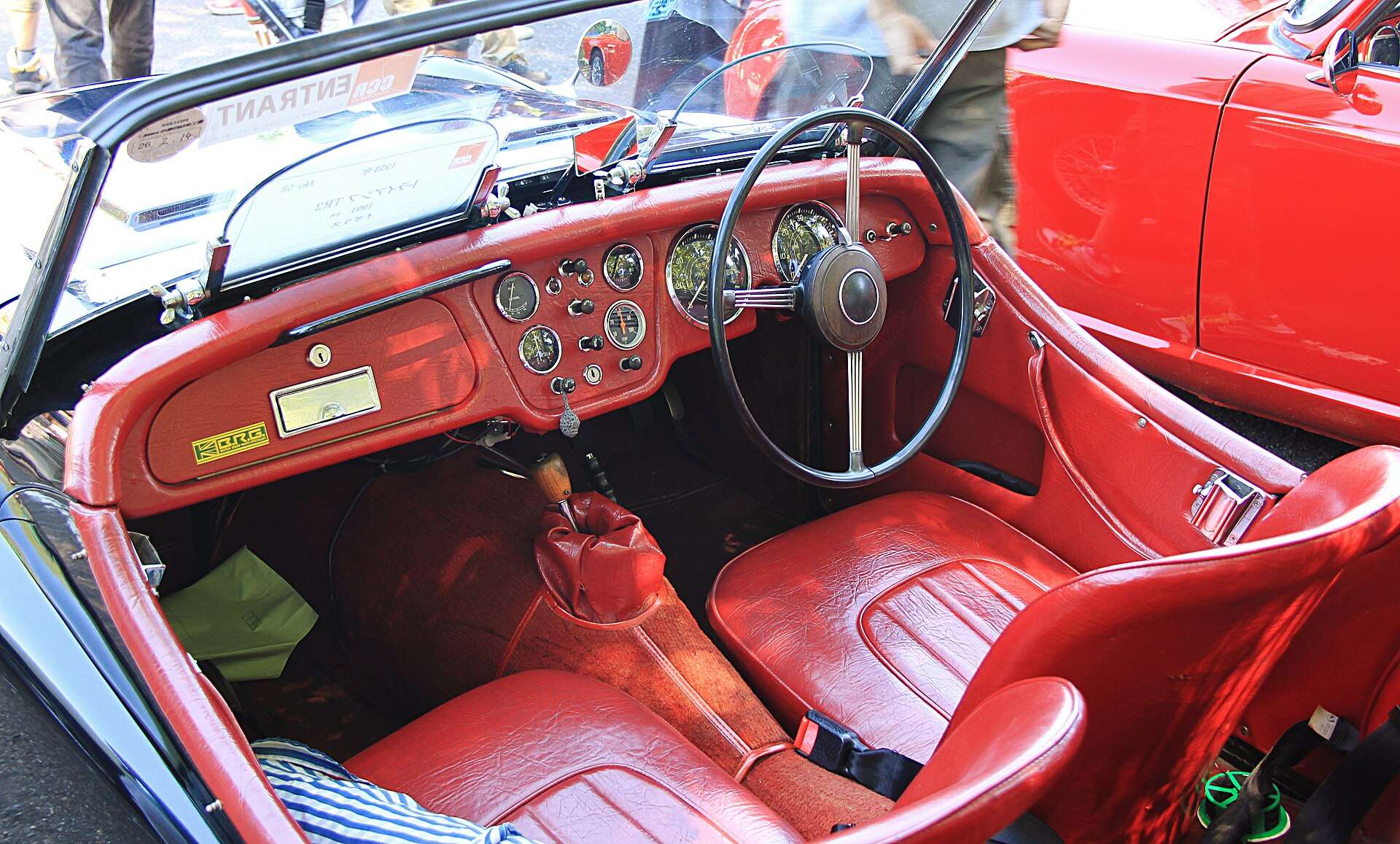
Inspect the chassis from front suspension mounts to rear spring hangers. Pay particular attention to outriggers, the centre cruciform, body mounts and areas concealed by dirt or old underseal. Poor repairs can leave a car dimensionally wrong even when fresh paint looks impressive.
The body can corrode around floors, sills, door frames, wings, battery box, scuttle, boot floor and spare-wheel compartment. Door fit, bonnet alignment and the relationship between body and chassis reveal the quality of earlier restoration work. Aluminium panels, including bonnet and boot lid on many cars, require appropriate repair techniques.
Brakes, steering and suspension
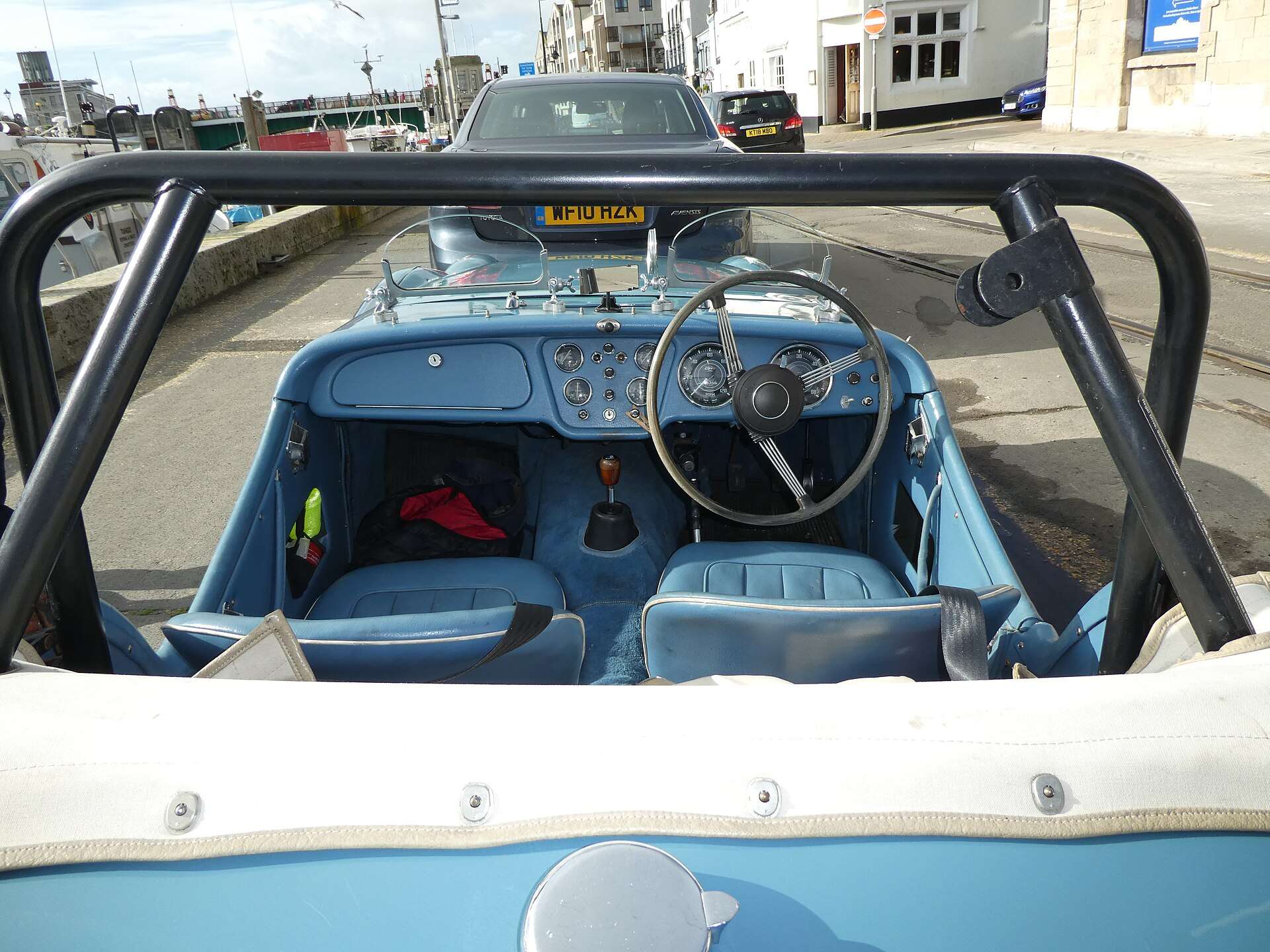
Later TR3s helped popularise front disc brakes on a British production sports car. Cars often acquire later components, so inspect what is actually fitted and whether the conversion is documented. Steering should be reasonably precise without stiffness or excessive play. Check trunnions, ball joints, wishbone bushes, lever-arm dampers, rear leaf springs and wheel bearings.
Wire wheels need sound splines and correctly tightened knock-offs. Tyres should be appropriate in size, construction and age. A sidescreen TR on mismatched old tyres can feel far less secure than its chassis deserves.
Competition history and choosing the right car
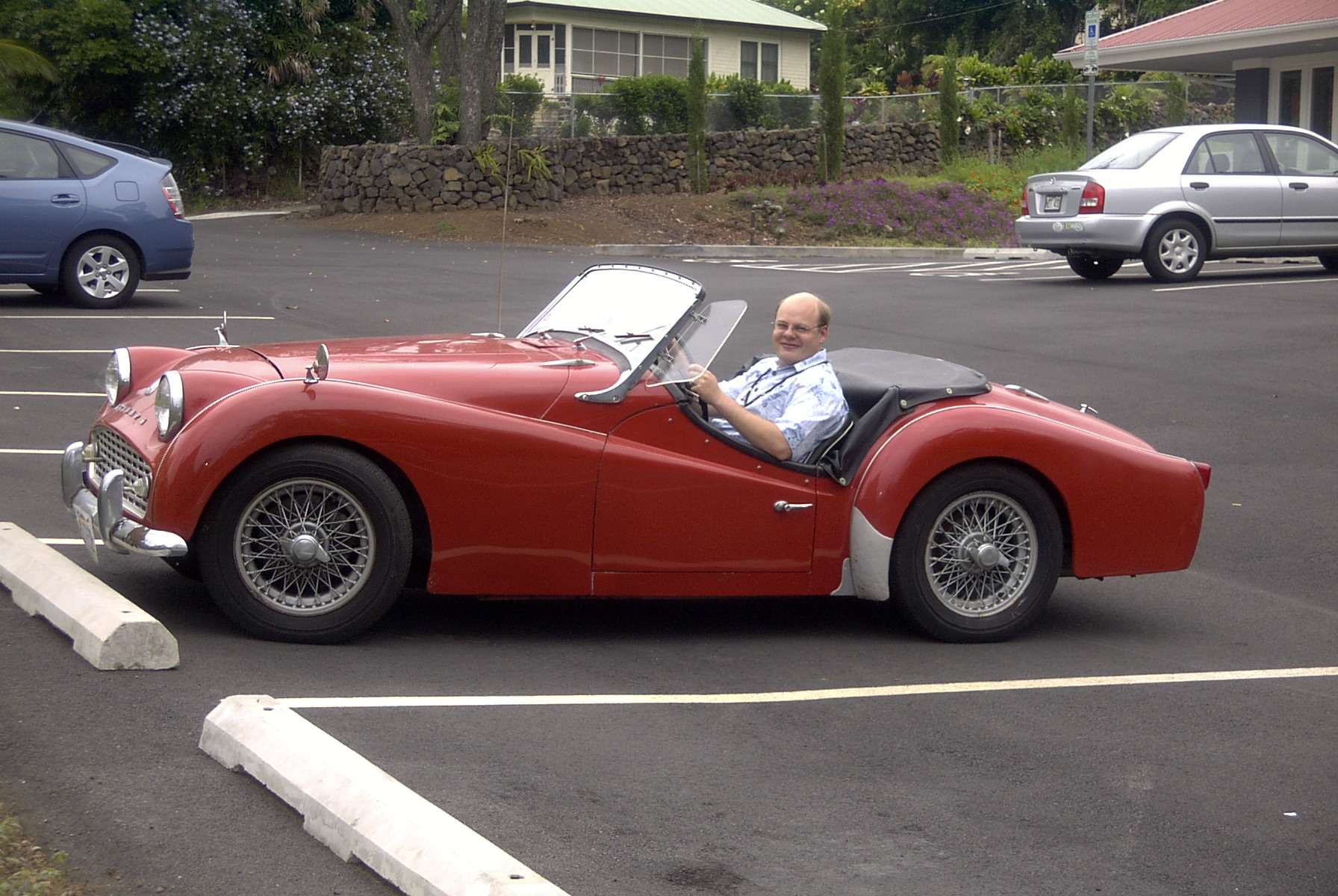
TR2s and TR3s were used in rallies, endurance races and club competition. Works-supported cars appeared at Le Mans, in the Mille Miglia and on demanding Alpine events. That history explains both the model’s reputation and the number of road cars modified to resemble competition examples.
Authentication matters most where originality or competition provenance carries a premium. Check the commission number, engine and body numbers, production trace and ownership file. A converted left-hand-drive car can still be enjoyable, but the workmanship and description should be transparent.
Sources and further reading
- TR Register TR2 buyers’ guide
- TR Register TR3 buyers’ guide
- TR Register TR3A buyers’ guide
- British Motor Museum online collections
Continue the Triumph story
The sidescreen cars established the engineering and competition reputation that every later TR inherited. Explore the Triumph hub Read the Triumph TR4, TR5 and TR250 guide Read the Triumph Dolomite Sprint guide
Frequently asked questions
What is the difference between a Triumph TR2 and TR3?
The TR3 added a visible front grille and higher quoted output, while later TR3 production adopted front disc brakes. The TR2 has the earlier small-mouth nose and originally used drum brakes.
Is TR3A an official factory model name?
TR3A is the widely accepted name for the wide-mouth facelift introduced in 1957, although Standard-Triumph continued to describe the car simply as the TR3.
What is a Triumph TR3B?
The TR3B was a short-lived 1962 continuation model built mainly for North America while TR4 supply was established. Later examples used the 2,138 cc engine and all-synchromesh gearbox.
Where do sidescreen Triumph TRs rust?
Check the chassis, outriggers, floors, sills, door frames, battery box, scuttle, wings, boot floor, spare-wheel compartment and suspension mounting areas.
What should be verified before buying a TR2 or TR3?
Confirm the commission, engine and body numbers, restoration history, chassis alignment, engine specification, brake type, gearbox and overdrive, wheel condition and any claimed competition provenance.