UNUSUAL CARS MODEL GUIDE
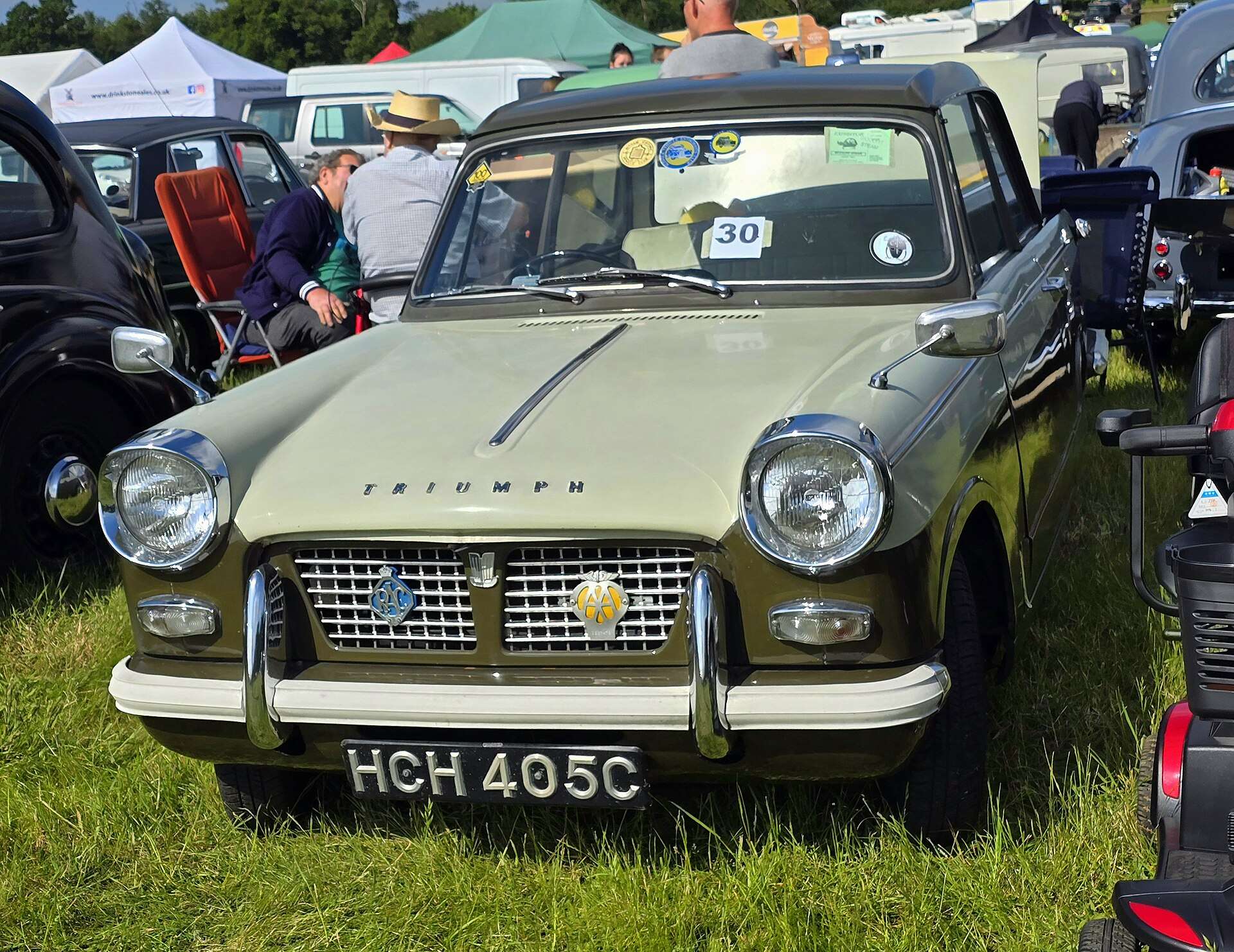
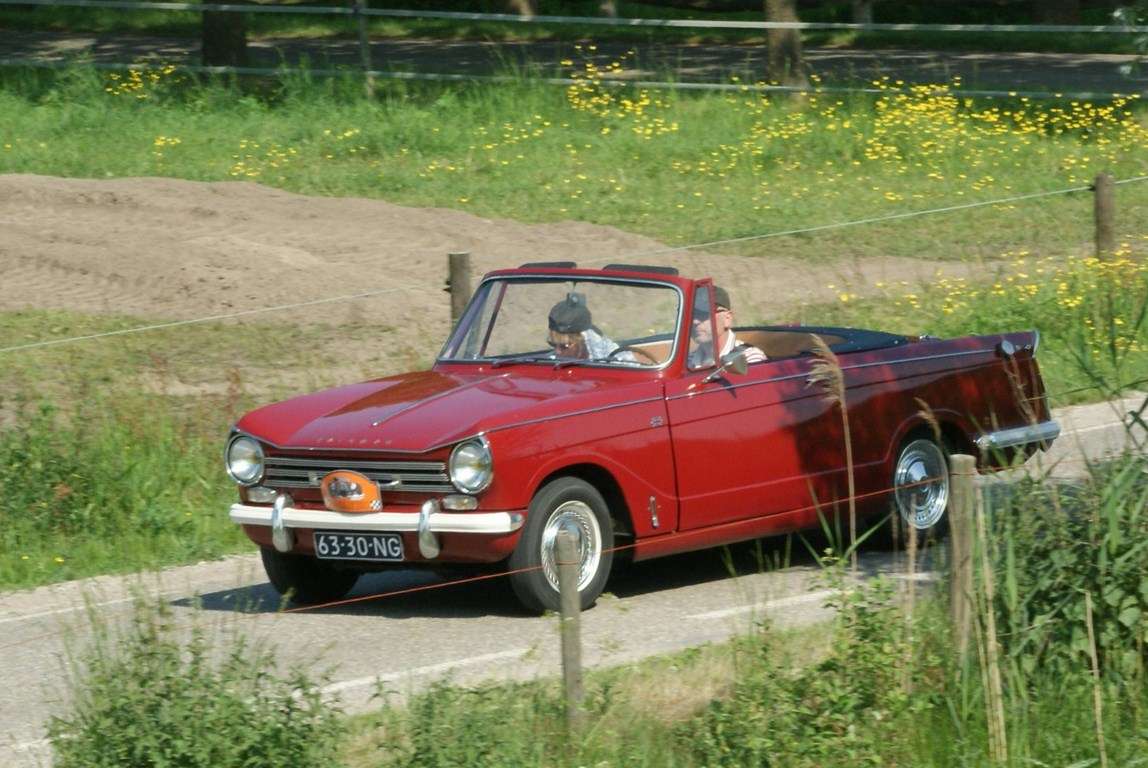
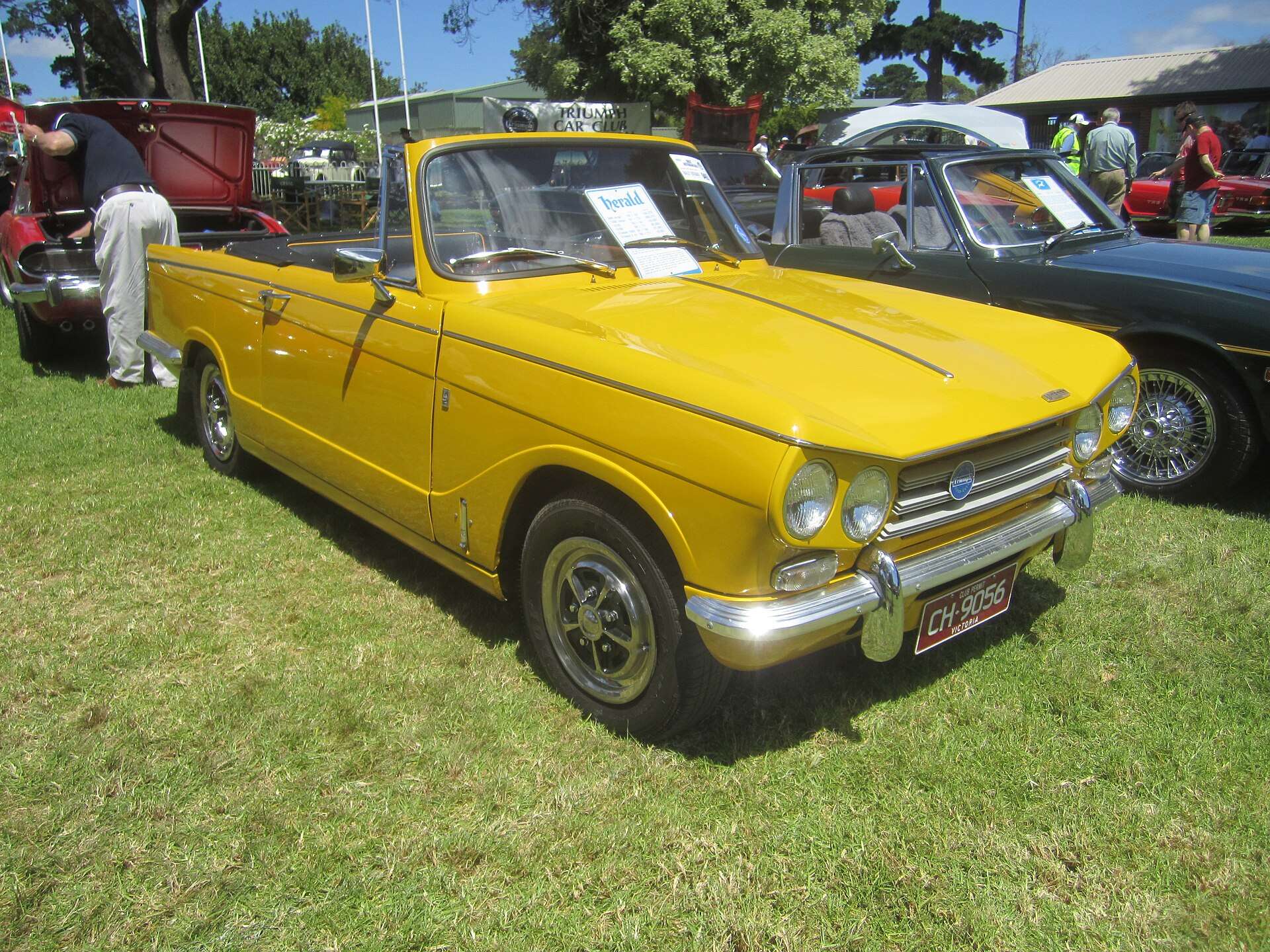
The Triumph Herald was the Michelotti-styled small family car produced from 1959 to 1971 in saloon, coupé, convertible and estate forms. The Vitesse used the same basic separate-chassis platform with a distinctive four-headlamp nose and six-cylinder engines, creating one of the most characterful compact performance cars of the 1960s.
Quick answer: the Herald is simple, practical and exceptionally easy to service; the Vitesse adds smooth six-cylinder performance. Both need a straight chassis, sound outriggers and carefully repaired body mounts. On earlier Vitesse models, rear-suspension condition and geometry deserve particular attention.
Michelotti styling and separate-chassis engineering
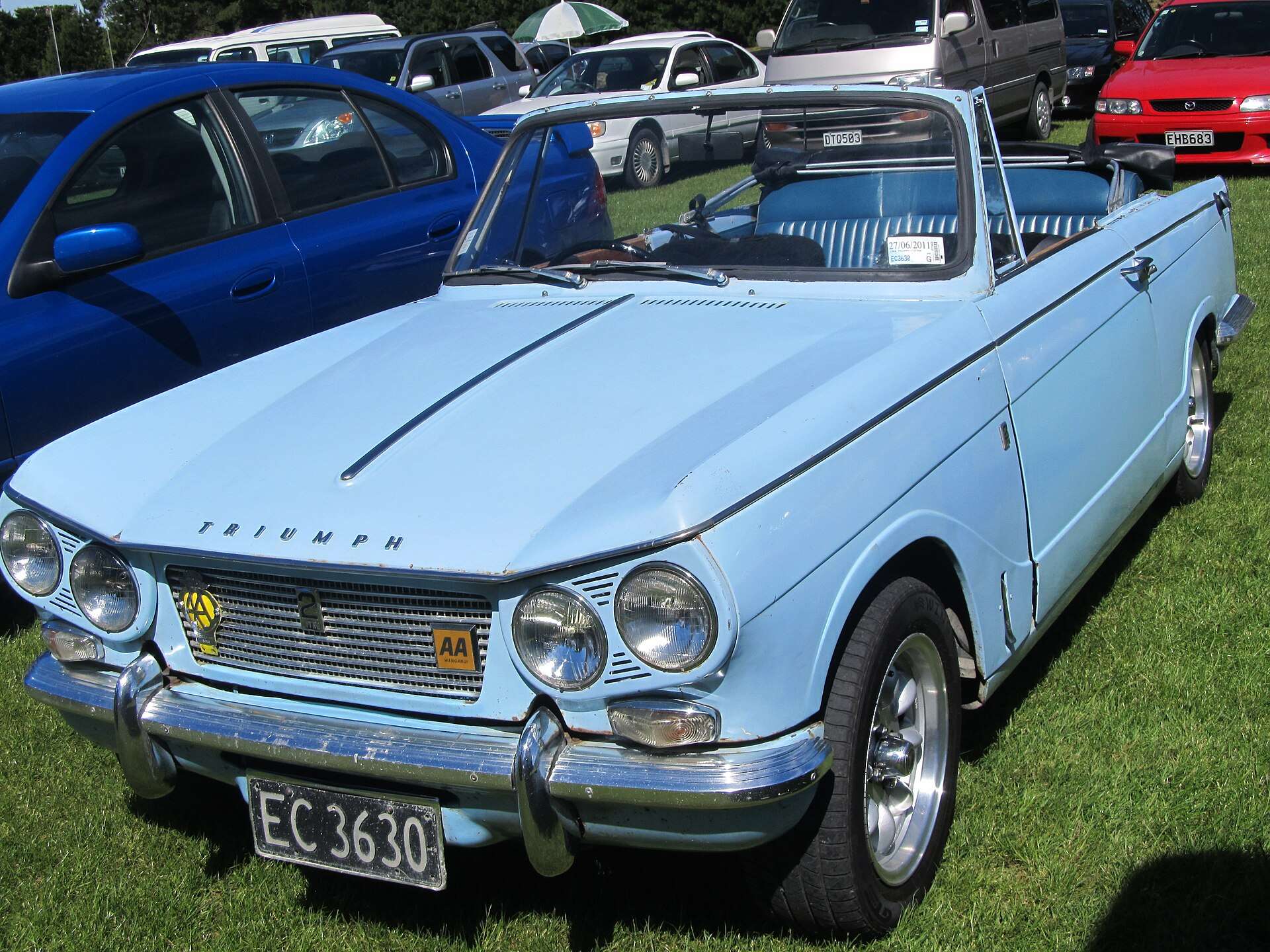
Triumph chose a separate chassis partly because outside suppliers could build body assemblies while the company controlled final production. The entire front end hinges forward, giving unrivalled access to the engine and front suspension. Bolt-on outer panels also make isolated repairs straightforward, although the structural sills, floors and body mounts still matter.
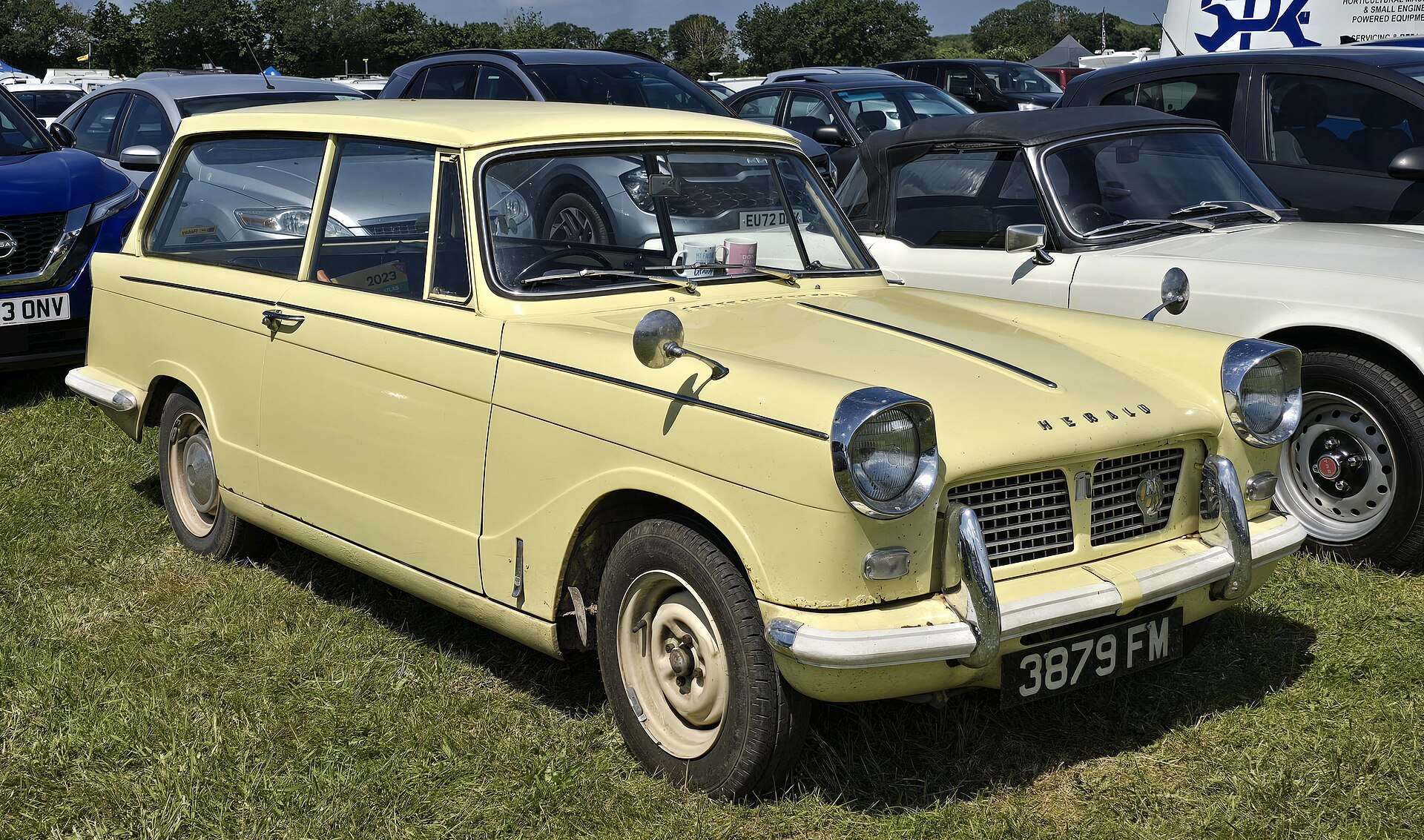
The Herald’s tight turning circle and excellent visibility suited town use. Convertible and estate derivatives broadened its appeal, while the Vitesse proved that the same compact package could support a six-cylinder engine and higher touring speeds.
Herald range explained
| Version | Engine | Main features |
|---|---|---|
| Herald 948 | 948 cc four-cylinder | Original saloon and coupé, later joined by convertible; early trim and modest performance. |
| Herald 1200 | 1,147 cc four-cylinder | Largest-volume version; saloon, coupé, convertible and estate variants. |
| Herald 12/50 | 1,147 cc four-cylinder | Higher-output saloon with folding fabric roof and upgraded specification. |
| Herald 13/60 | 1,296 cc four-cylinder | Final development with Vitesse-influenced nose and improved performance. |
Vitesse 1600, 2-Litre and Mk2
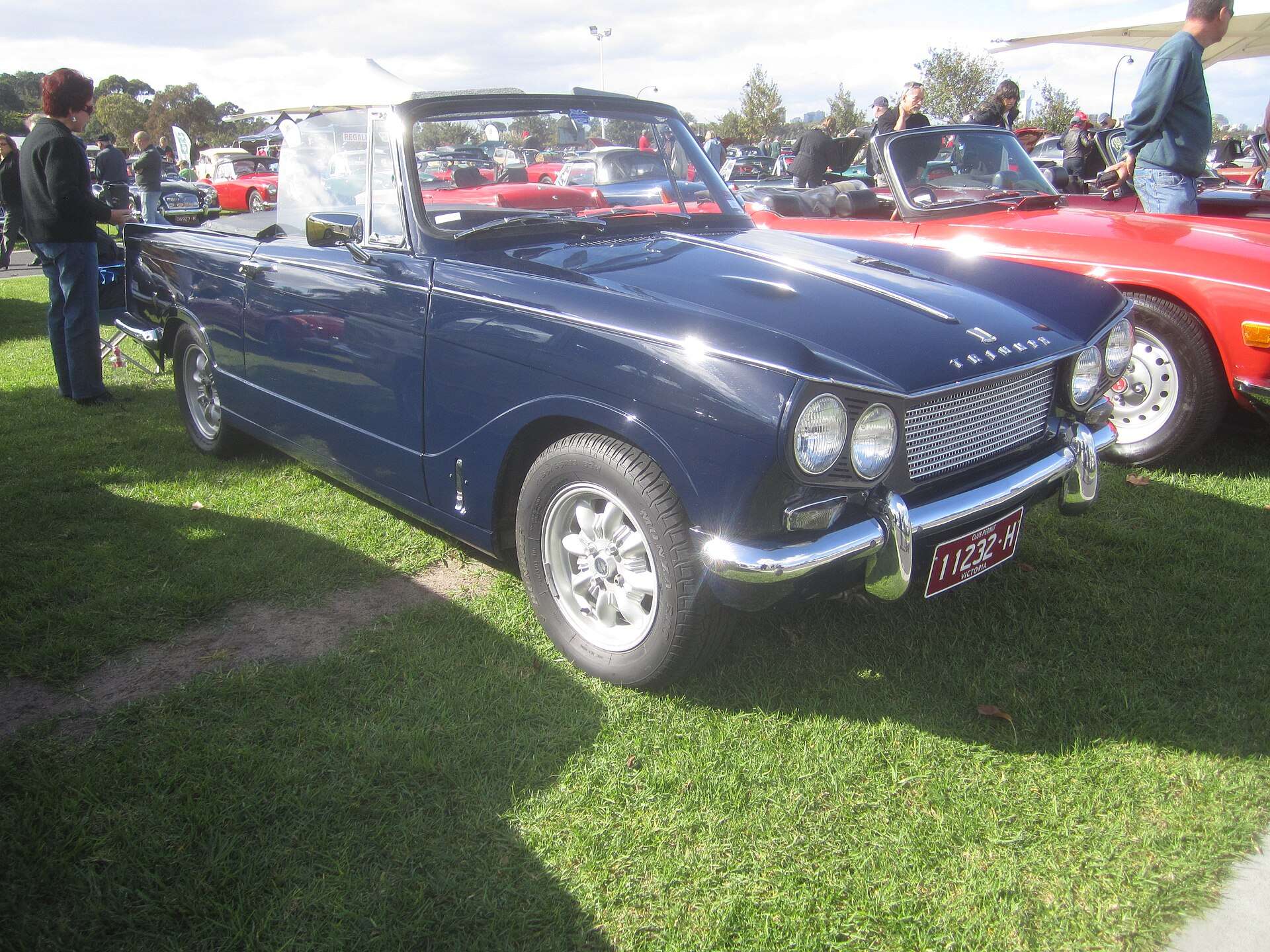
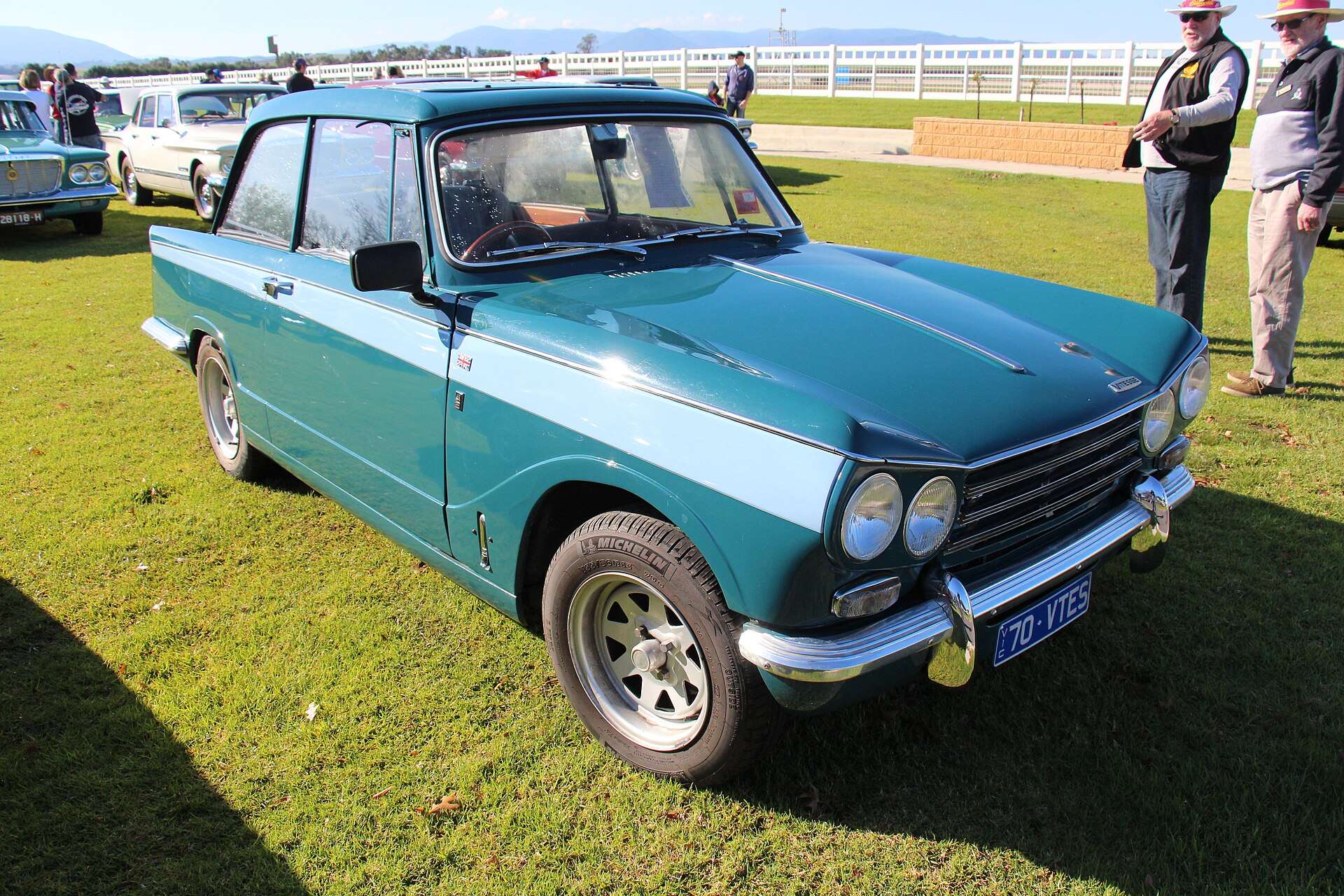
The Vitesse arrived in 1962 with a 1,596 cc inline six and saloon or convertible bodies. The 2-Litre of 1966 increased capacity to 1,998 cc. In 1968 the Mk2 combined a more powerful engine with Rotoflex rear suspension, lower wishbones and revised geometry, greatly reducing the camber change associated with the earlier swing-axle arrangement.
| Vitesse version | Period | Key distinction |
|---|---|---|
| Vitesse 1600 | 1962–1966 | 1,596 cc six-cylinder engine and four-headlamp nose. |
| Vitesse 2-Litre | 1966–1968 | 1,998 cc engine with stronger performance; early rear suspension retained. |
| Vitesse Mk2 | 1968–1971 | Approximately 104 bhp and Rotoflex rear suspension with lower wishbones. |
Love cars you don’t see every day?
Get forgotten cars, surprising motoring stories and the most interesting finds from Unusual Cars by email.
Free to join. No spam. Unsubscribe whenever you like. See our privacy policy.
Chassis, sills and body mounts
Inspect the main chassis rails, front suspension towers, outriggers, differential area, rear extensions and every body mounting. The centre outriggers and side rails can corrode beneath apparently tidy bodywork. Measure door gaps and check that convertible doors do not drop when opened.
Body corrosion affects inner and outer sills, floors, A- and B-posts, wheelarches, door bottoms, boot floor, windscreen surround and bonnet seams. Because many panels unbolt, a car can look presentable while its structural centre section is weak. Fresh underseal should prompt a closer inspection.
Engines, gearbox and overdrive
Four-cylinder Herald engines are straightforward, but worn crankshafts, timing chains, pressure, valve gear and carburettors still require attention. Check oil pressure hot, listen for knocks and inspect for coolant or oil leaks. The Vitesse six should pull smoothly without overheating, persistent smoke or rumbling main bearings.
Gearboxes can develop layshaft and synchromesh wear. Optional overdrive is desirable and should engage without delay. Differential whine, worn universal joints and loose rear hubs become obvious on a careful road test.
Suspension, steering and brakes
Front trunnions need the specified lubrication and must move freely without corrosion or play. Inspect steering-rack mounts, ball joints, wheel bearings and dampers. On swing-axle cars, incorrect springs, tired bushes and poor geometry can exaggerate rear-wheel tuck-under. Rotoflex Vitesse Mk2 cars need sound couplings, wishbones, driveshafts and hubs.
Drum-braked Heralds must stop evenly and maintain adjustment. Vitesse models use front discs, but old flexible hoses, seized calipers and contaminated fluid remain common on cars used infrequently.
Interior, trim and choosing a model
Test the heater, wipers, lights, gauges and charging system. Original dashboards, seats, door cards and convertible fittings can be more difficult to replace than routine mechanical components. Check for water beneath carpets and around the windscreen.
A Herald 13/60 is an appealing first classic because it combines the developed engine with strong parts support. A Vitesse Mk2 is the most capable standard performer, while early coupés and unusual estates appeal through rarity. In every case, structure and the quality of restoration should decide the purchase.
Sources and further reading
- Triumph Sports Six Club: Herald 13/60
- Vintage Triumph Register: Herald and Vitesse history
- British Motor Museum online collections
Continue the Triumph story
The herald platform supported family cars, convertibles and the six-cylinder Vitesse. Explore the Triumph hub Read the Triumph GT6 guide Read the Triumph TR6 guide
Frequently asked questions
When was the Triumph Herald built?
The Triumph Herald was produced from 1959 until 1971 in saloon, coupe, convertible and estate forms.
What is the difference between a Herald and Vitesse?
The Vitesse uses the Herald platform and central body structure but adds a four-headlamp nose, six-cylinder engine and upgraded specification.
Which Vitesse has Rotoflex rear suspension?
The Vitesse Mk2 introduced lower wishbones and Rotoflex half-shaft couplings in 1968.
Does a Triumph Herald have a separate chassis?
Yes. The body bolts to a separate chassis, but the sills, floors and body mountings still require careful structural inspection.
What should be checked before buying a Herald or Vitesse?
Inspect the chassis, outriggers, sills and floors, then check engine, gearbox and overdrive, front trunnions, rear suspension, brakes, steering, electrics, trim and identity.