UNUSUAL CARS MODEL GUIDE
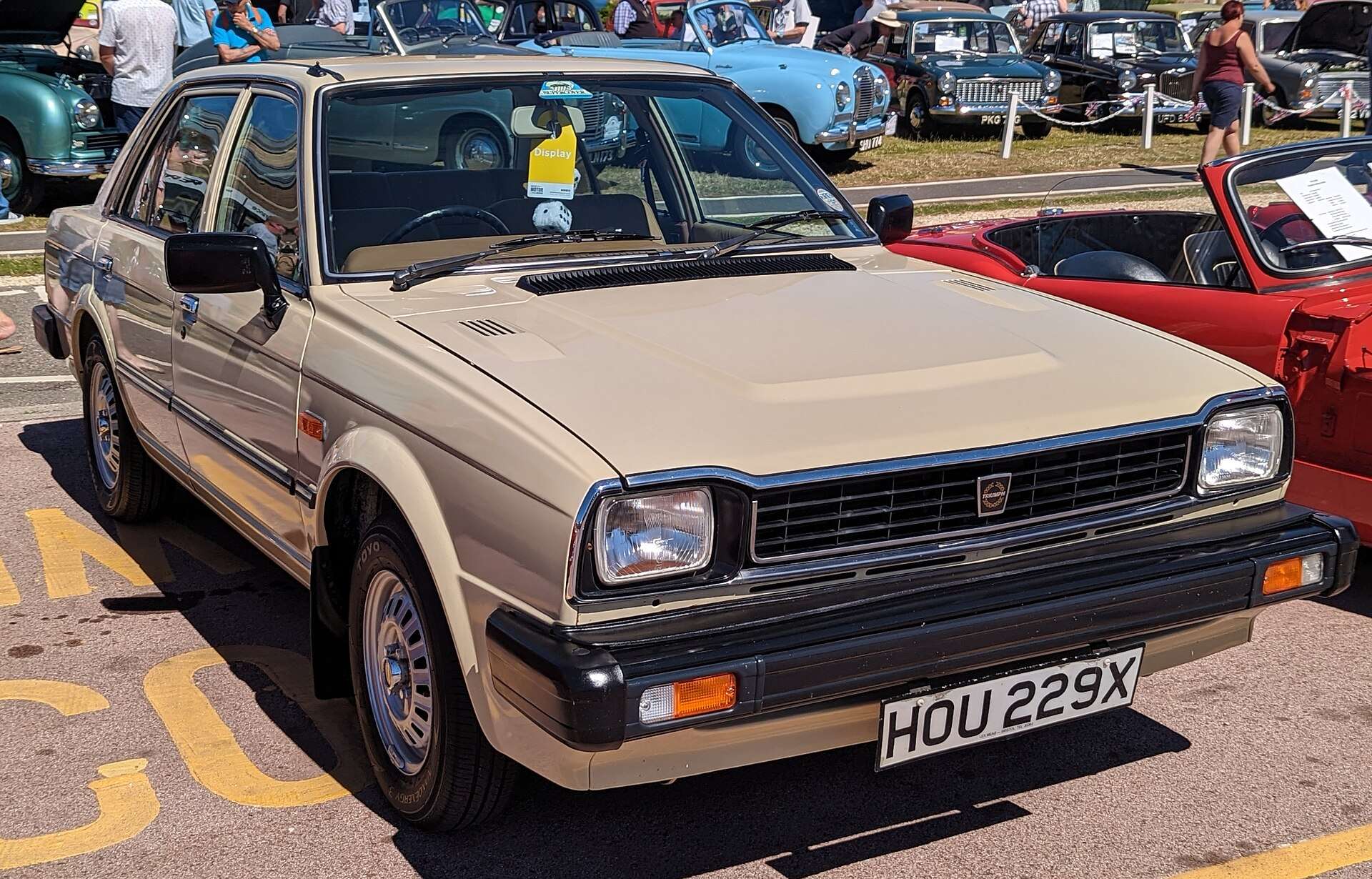
The Triumph Acclaim was a compact four-door saloon built from 1981 to 1984 as the British-produced counterpart of the Honda Ballade. It combined Honda engineering with Cowley assembly and British-market trim, becoming both the first product of the British Leyland–Honda partnership and the final production car to wear the Triumph badge.
Quick answer: the Acclaim matters less for traditional Triumph engineering than for proving that British and Japanese manufacturers could collaborate successfully. Its 1,335 cc engine, five-speed manual or three-speed Hondamatic-derived Triomatic transmission made it refined and economical, while corrosion and scarce trim are now bigger ownership risks than the basic mechanical design.
Why British Leyland turned to Honda
By the end of the 1970s British Leyland needed a modern small saloon before its own Maestro and Montego programmes were ready. Honda wanted greater access to European production and markets. The resulting agreement adapted the second-generation Honda Ballade for assembly at Cowley using a mixture of imported and locally sourced components.
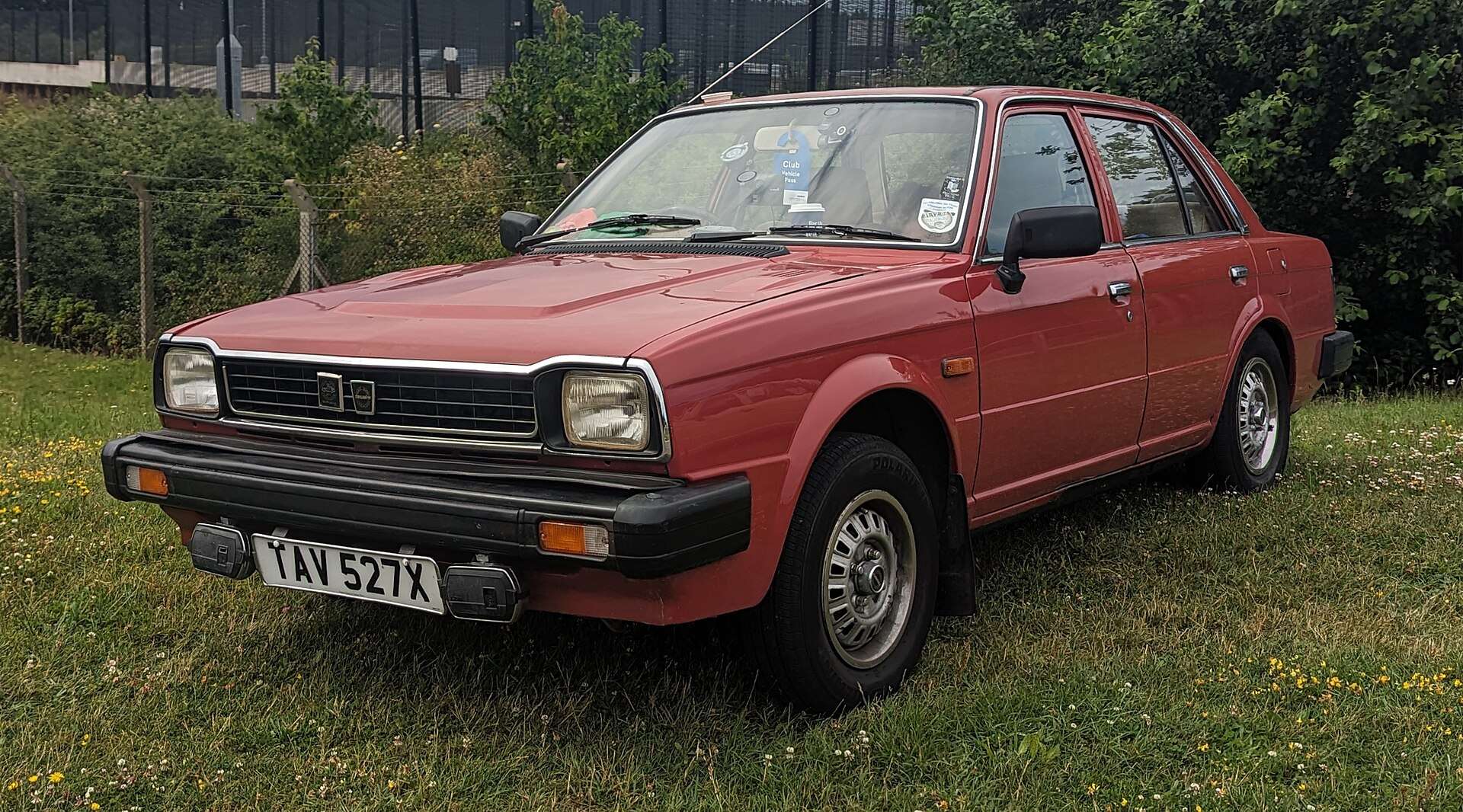
The Acclaim replaced the ageing Dolomite range but did not attempt to imitate it mechanically. It used a transverse engine, front-wheel drive, independent suspension and a compact body with excellent visibility. The conservative grille, trim and badges gave the car a British showroom identity without disguising its Honda origins.
Acclaim models and equipment
| Trim | Position | Typical distinction |
|---|---|---|
| L | Entry model | Simpler equipment and trim; now particularly scarce. |
| HL | Mid-range | More comfortable trim and popular mainstream specification. |
| HLS | Upper trim | Higher equipment level and four-lamp front treatment on many cars. |
| CD | Top model | Luxury-oriented specification, frequently associated with the Triomatic transmission. |
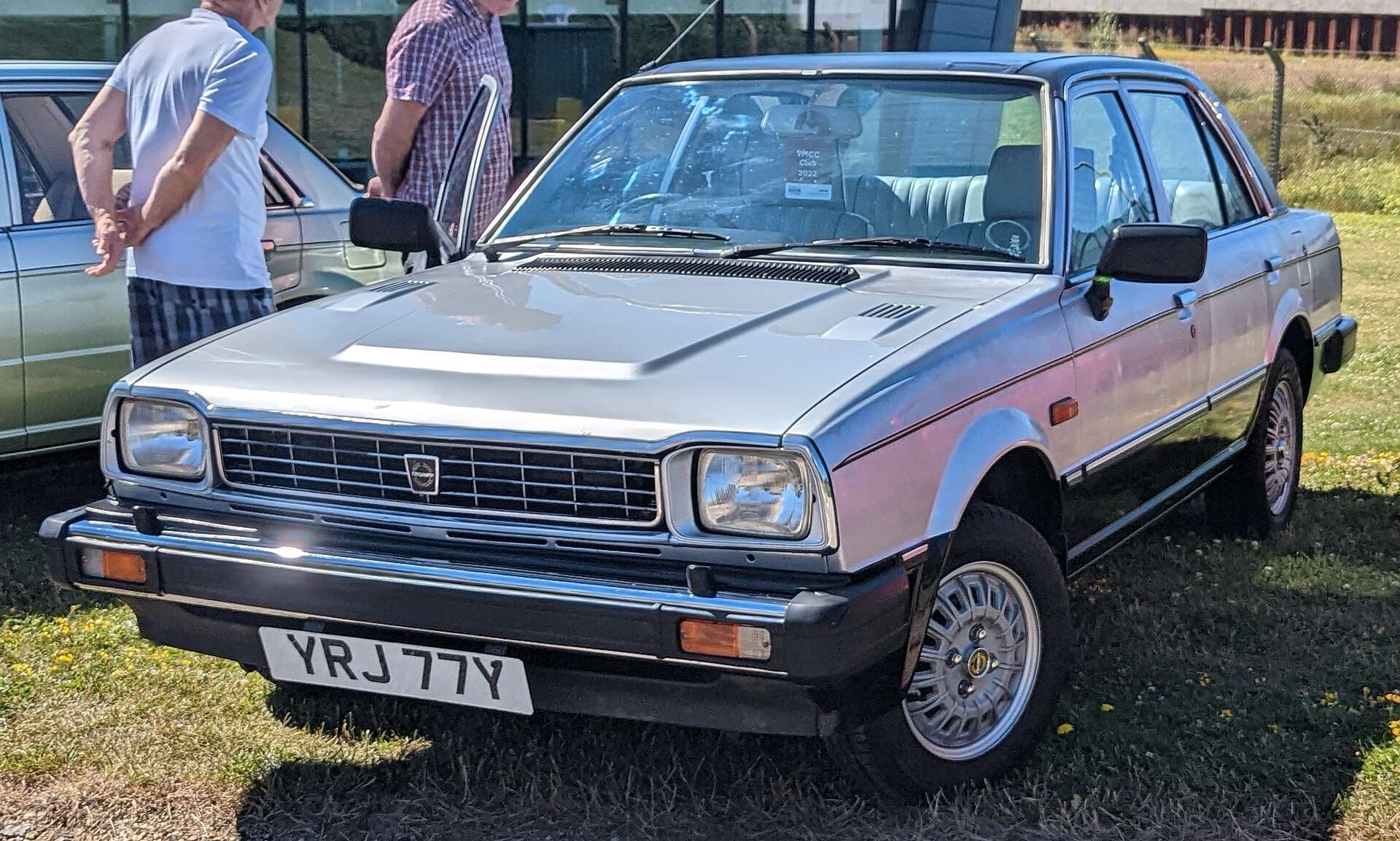
Equipment and detail changed during the short production life, so brochures and build records are useful when judging originality. The British Motor Industry Heritage Trust identifies the Acclaim as a Honda Ballade derivative built at Cowley and retains production records for 1981–1984 cars.
Engine and transmission
The 1,335 cc overhead-camshaft four-cylinder engine used Honda’s CVCC combustion system and twin carburettors in UK specification. Contemporary literature quoted about 70 bhp. A five-speed manual gearbox was standard on most cars, while the three-speed Triomatic used a torque converter with manually selected ratios rather than behaving exactly like a conventional fully automatic gearbox.
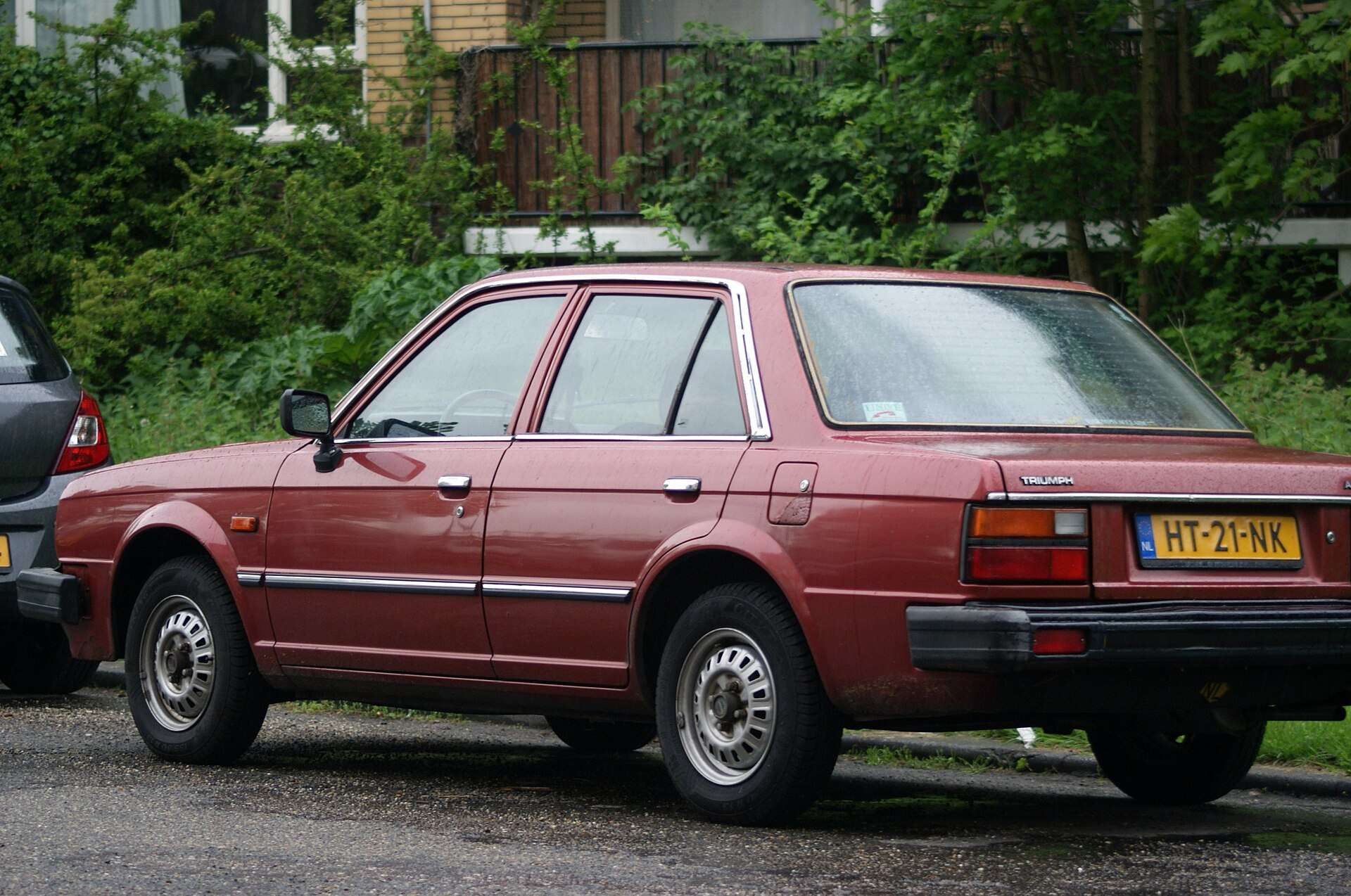
A healthy Acclaim should start readily, idle evenly and pull without hesitation. Carburettor imbalance, perished vacuum hoses, cooling-system neglect and tired engine mounts can spoil refinement. Cambelt history matters. On a Triomatic car, check cold and hot operation, engagement and smooth selection through all ranges.
Love cars you don’t see every day?
Get forgotten cars, surprising motoring stories and the most interesting finds from Unusual Cars by email.
Free to join. No spam. Unsubscribe whenever you like. See our privacy policy.
Bodywork and corrosion
Rust is the decisive issue. Inspect front wings, inner wings, suspension mounting areas, sills, floors, door bottoms, wheelarches, screen surrounds, boot floor and rear panel. Pay attention to seam sealer and drainage around the scuttle and luggage compartment. Replacement panels are far less plentiful than parts for mainstream 1980s classics.

Panel fit should be even and doors should close without lifting. Repairs made when the car was worth very little may be cosmetically acceptable but structurally poor. A professional inspection is sensible because good mechanical condition cannot compensate for complex corrosion.
Suspension, brakes and steering
The independent suspension and rack-and-pinion steering contribute to the car’s light, precise feel. Check struts, bushes, wheel bearings, steering joints and driveshaft boots. Uneven tyre wear can reveal alignment or accident damage. Front discs and rear drums should give a firm, straight stop without seized calipers or leaking wheel cylinders.
Interior, electrics and originality
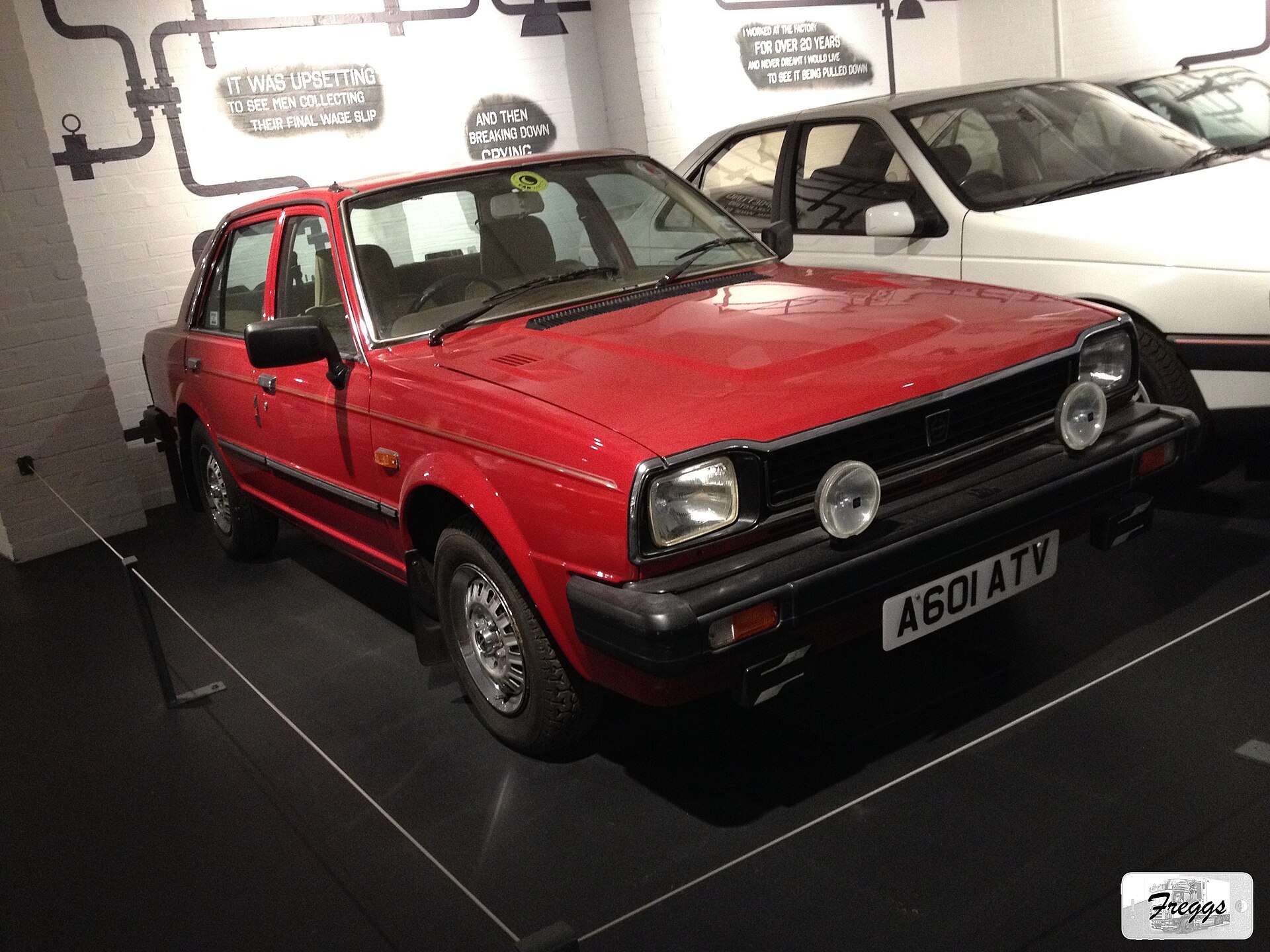
Cabin plastics, patterned upholstery, wheel trims, badges and model-specific lamps can be harder to replace than service items. Damp carpets may indicate screen or body leaks and can conceal floor corrosion. Test every switch, instrument, light, heater control and window mechanism.
The Acclaim’s identity is often misunderstood. It was not merely a finished Japanese car rebadged in Britain: it was assembled at Cowley under a manufacturing partnership and adapted for its market. Equally, it did not share the traditional rear-wheel-drive Triumph platform used by the Dolomite or TR7.
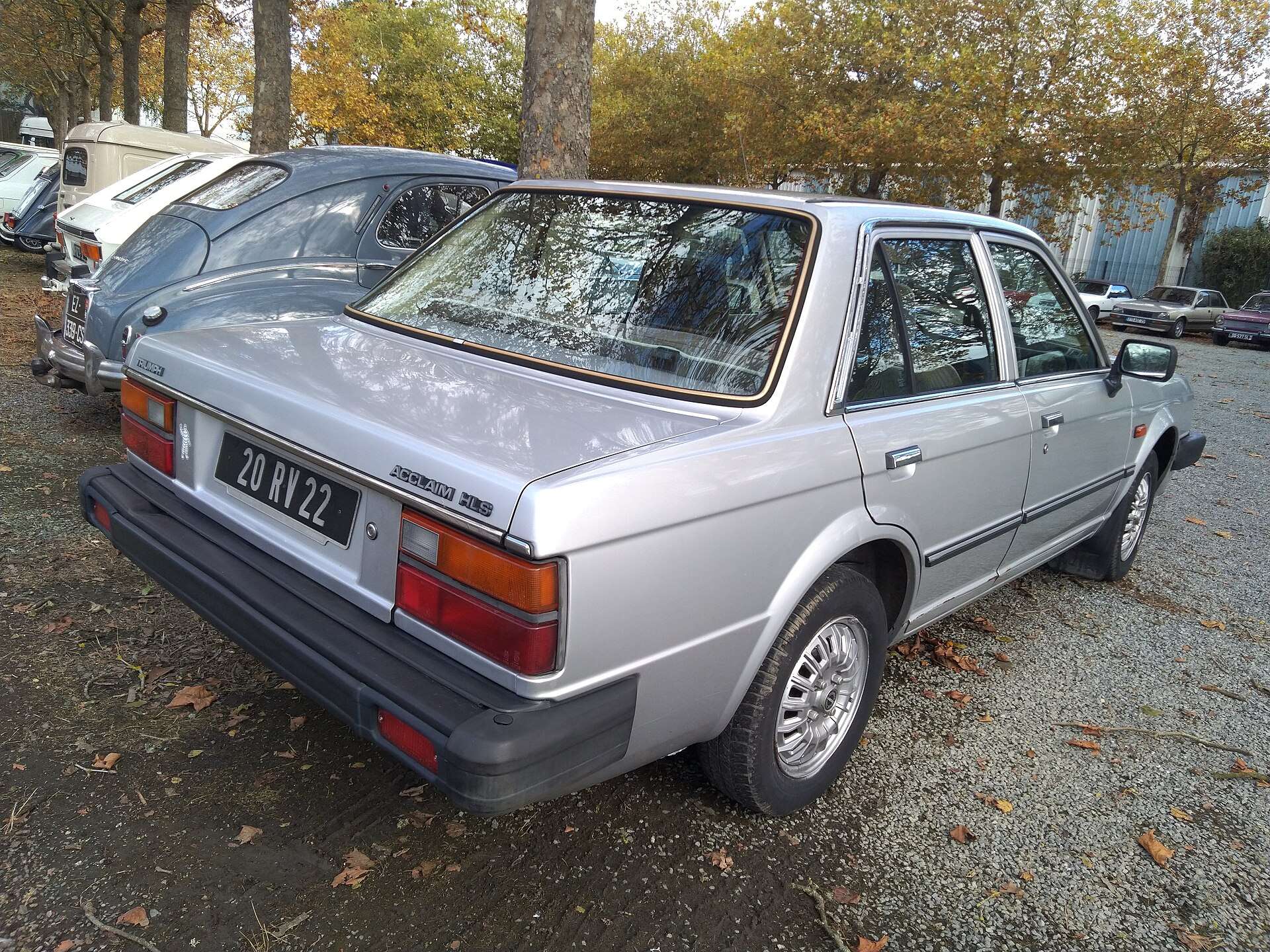
The final Triumph and the start of something larger
Production ended in 1984 after roughly 133,000 cars, with totals varying slightly between references. The Triumph name then disappeared from new cars, but the industrial relationship continued through later Rover and Honda programmes. The Acclaim therefore sits at an important junction: an ending for one historic marque and a beginning for a partnership that shaped British cars for more than a decade.
Sources and further reading
- British Motor Museum production records and heritage certificates
- British Motor Industry Heritage Trust archive coverage
- 1981 Triumph Acclaim launch brochure scan
Continue the Triumph story
The Acclaim closed Triumph’s production history while opening British Leyland’s long relationship with Honda. Explore the Triumph hub Read the Triumph TR4, TR5 and TR250 guide Read the Triumph Dolomite Sprint guide
Frequently asked questions
Was the Triumph Acclaim a Honda?
The Acclaim was the British-built counterpart of the Honda Ballade, assembled at Cowley under the British Leyland–Honda partnership with market-specific trim and components.
Was the Acclaim the last Triumph car?
Yes. The Acclaim was the final production car sold with the Triumph badge, built from 1981 until 1984.
What engine does a Triumph Acclaim use?
It uses a Honda-designed 1,335 cc overhead-camshaft four-cylinder petrol engine with CVCC combustion and twin carburettors in UK specification.
What is the Acclaim Triomatic transmission?
Triomatic is a three-speed torque-converter transmission whose ranges are selected manually; it is related to Honda’s Hondamatic design rather than a conventional four-speed automatic.
Where does a Triumph Acclaim rust?
Check the wings, suspension mounts, sills, floors, doors, wheelarches, screen surrounds, boot floor, rear panel and seams around water drains.