UNUSUAL CARS MODEL GUIDE
The Triumph TR4, TR4A, TR5 and TR250 form the Michelotti-styled middle chapter of the traditional TR sports-car line. The TR4 introduced wind-up windows and a wider, more modern body in 1961; the TR4A added independent rear suspension on most cars, and the short-lived TR5 and North American TR250 brought 2.5-litre six-cylinder power.
Quick answer: the TR4 is the simplest and most direct, the TR4A IRS is more compliant, the fuel-injected TR5 is the rare UK performance flagship, and the carburetted TR250 is its North American counterpart. Chassis integrity, identity, panel fit and the quality of old restorations matter more than a claimed model label.
TR4: a modern body over proven engineering
Giovanni Michelotti replaced the separate-wing appearance of the TR3 with a squared body, full-width nose and a more weatherproof cockpit. Rack-and-pinion steering and wind-up windows made the car easier to use, while the familiar wet-liner four-cylinder engine and separate chassis preserved the established TR character.

The optional Surrey top combined a fixed rear frame and backlight with a removable centre panel. Original frames, aluminium panels and fittings are valuable, so every component should be checked when a seller claims the car has a complete factory-style system.
TR4A and independent rear suspension
The TR4A arrived in 1965 with a revised chassis. Most received independent rear suspension using semi-trailing arms and coil springs, although a smaller number of solid-axle cars were produced for some markets. The body gained detail changes and “IRS” badging where appropriate.

| Model | Engine | Main distinction |
|---|---|---|
| TR4 | 2,138 cc four-cylinder | Live rear axle, rack-and-pinion steering and new Michelotti body. |
| TR4A | 2,138 cc four-cylinder | Revised chassis; independent rear suspension on most examples. |
| TR5 | 2,498 cc six-cylinder with Lucas petrol injection | UK and European high-performance model produced for a short period. |
| TR250 | 2,498 cc six-cylinder with twin carburettors | North American counterpart to the TR5, generally with lower quoted output. |
TR5 and TR250: the six-cylinder transition
For 1967 Triumph installed the 2.5-litre straight-six in the TR4A-style body. The TR5 used Lucas mechanical petrol injection, while the TR250 was adapted for North American requirements with twin carburettors. Both provided the bridge to the Karmann-restyled TR6.
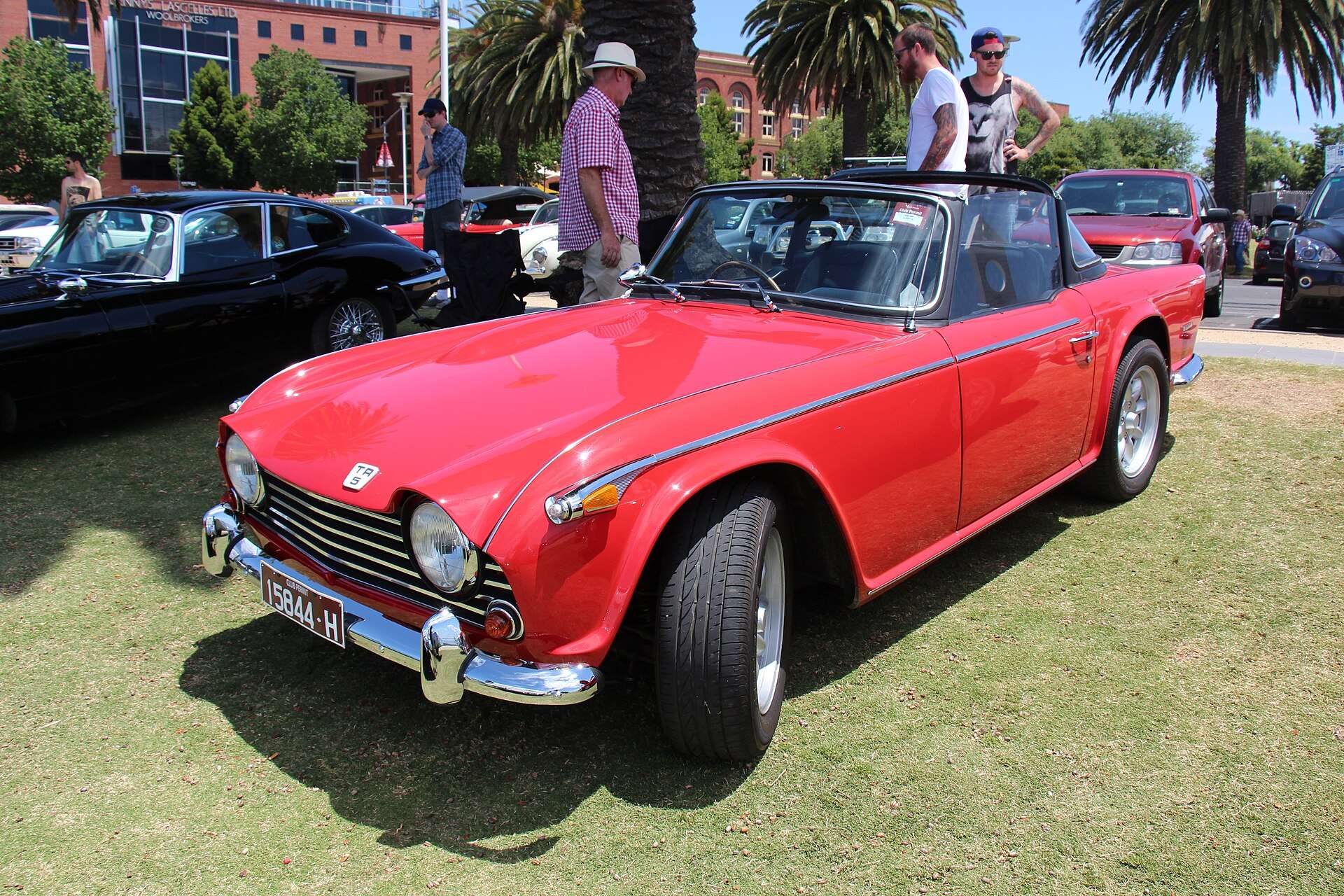
Because the cars are valuable and their bodies interchange, identity must be established from the commission number, body numbers, engine, market equipment and documentary history. Badges, bonnet stripes and fuel-system conversions alone do not prove what the car was when built.
Love cars you don’t see every day?
Get forgotten cars, surprising motoring stories and the most interesting finds from Unusual Cars by email.
Free to join. No spam. Unsubscribe whenever you like. See our privacy policy.
Chassis and structural inspection
Examine the main rails, front suspension turrets, outriggers, centre cruciform, differential bridges, rear suspension brackets and body mountings. TR4A, TR5 and TR250 chassis can crack or corrode around the independent rear-suspension mounts. Reinforcement is acceptable when accurately positioned and professionally welded.
Check sills, floors, A- and B-posts, door bottoms, front wings, inner wings, battery area, rear deck, boot floor and spare-wheel well. Doors should open cleanly and gaps should remain consistent. A car restored with the body poorly aligned on the chassis may never fit correctly.

Engines, fuel systems and cooling
The wet-liner four-cylinder engine is robust when correctly assembled. Check hot oil pressure, crankshaft end float, coolant condition, cylinder-head sealing and carburettor wear. The six-cylinder cars need the same basic checks plus careful assessment of thrust washers, fuel delivery and the accuracy of any engine conversion.

A TR5 petrol-injection system should start cleanly, pull without hesitation and avoid persistent fuel smell or leakage. Hot-start problems may involve pressure loss, pump condition or heat. Many cars have been converted between injection and carburettors; documentation should explain the parts and calibration used.
Gearbox, overdrive, suspension and brakes
The four-speed gearbox should not jump out of gear or rumble in neutral. Overdrive is desirable and should engage promptly in the permitted gears. Check clutch operation, propshaft joints, differential mounts and rear hubs. On IRS cars, worn trailing-arm bushes, driveshaft joints and incorrect bracket geometry can cause rear steer or uneven tyre wear.
Front trunnions require correct lubrication. Inspect ball joints, wishbone bushes, steering rack, wheel bearings and dampers. Brakes should stop the car straight with a firm pedal; old hoses and sticking calipers are common after storage.

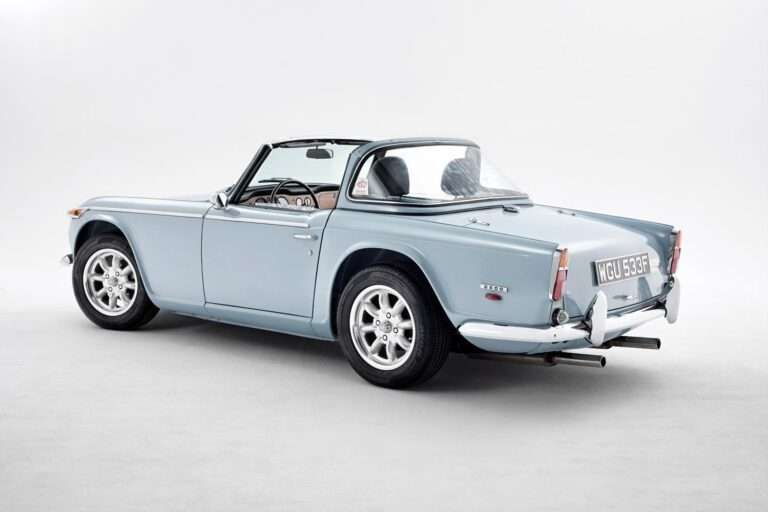
Archived 1968 TR250 previously featured by Unusual Cars
This URL originally documented a restored 1968 TR250 offered for sale in 2023. Its three locally hosted listing photographs are retained as part of that page’s archive value; the original photographer was not recorded.


Sources and further reading
- British Motor Museum online collections
- Rimmer Bros TR4 to TR250 model history
- FIA Historic Database
Continue the Triumph story
These Michelotti-bodied TRs connect the rugged four-cylinder roadsters with the six-cylinder TR6. Explore the Triumph hub Read the Triumph GT6 guide Read the Triumph TR6 guide
Frequently asked questions
What is the difference between a Triumph TR4 and TR4A?
The TR4A uses a revised chassis and most examples have independent rear suspension, while the TR4 uses a live rear axle.
What is the difference between a TR5 and TR250?
Both use the 2.5-litre six-cylinder engine, but the TR5 used Lucas mechanical petrol injection for the UK and Europe while the North American TR250 used twin carburettors.
Did every TR4A have independent rear suspension?
No. Most TR4As used independent rear suspension, but solid-axle cars were produced for some markets.
What is a Triumph Surrey top?
It is a roof system using a fixed rear frame and backlight with a removable centre panel, offered on the Michelotti-bodied TR range.
What should be checked before buying a TR4, TR4A, TR5 or TR250?
Verify identity, inspect chassis and body corrosion, then assess engine, fuel system, cooling, gearbox and overdrive, differential mounts, rear hubs, suspension, brakes, steering, weather equipment and restoration quality.