
UNUSUAL CARS BRAND GUIDE
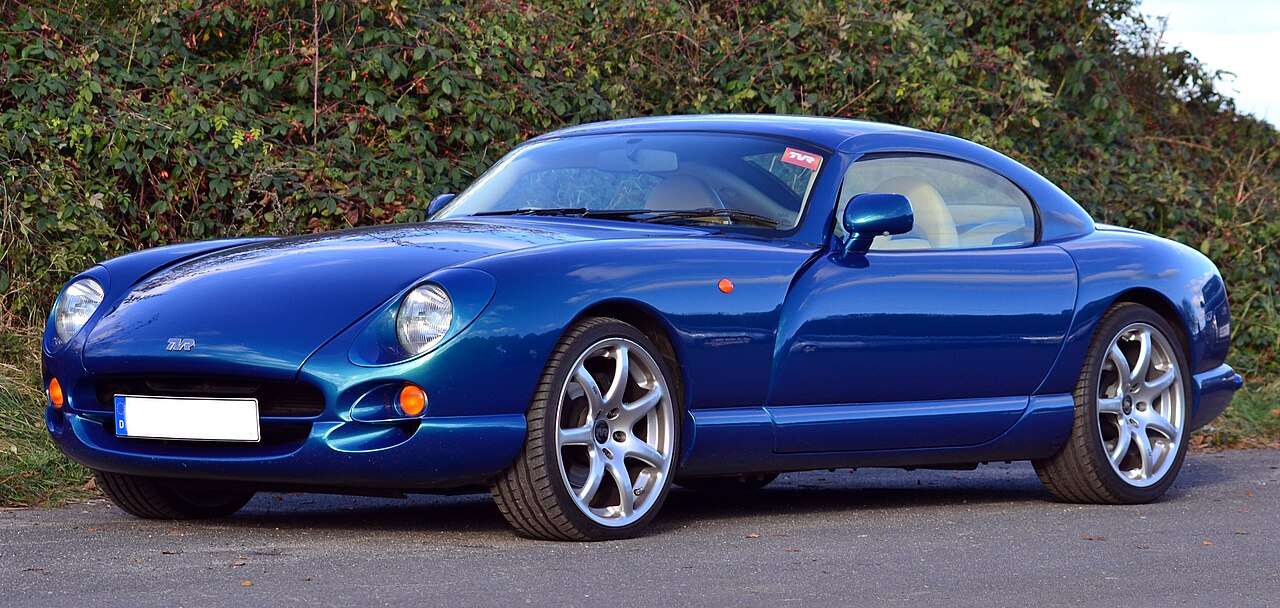
TVR Cerbera Speed Six. Photograph by Huhu Uet, CC BY 3.0, via Wikimedia Commons; locally hosted.
TVR model guides
TVR built lightweight British sports cars around glassfibre bodies, tubular steel chassis and increasingly ambitious engines. The Peter Wheeler era moved from Rover V8 roadsters to the company’s own AJP8 and Speed Six powertrains.
This collection explains the models, versions, engineering and ownership risks without treating every variation or claimed factory figure as interchangeable.
Start here
Choose the Grantura and early Griffith for TVR’s origins, the M Series and Wedges for the route into the 1980s, the Chimaera for the most accessible V8 roadster, or the Cerbera and Tuscan Speed Six for TVR’s own-engine era.
Detailed TVR guides
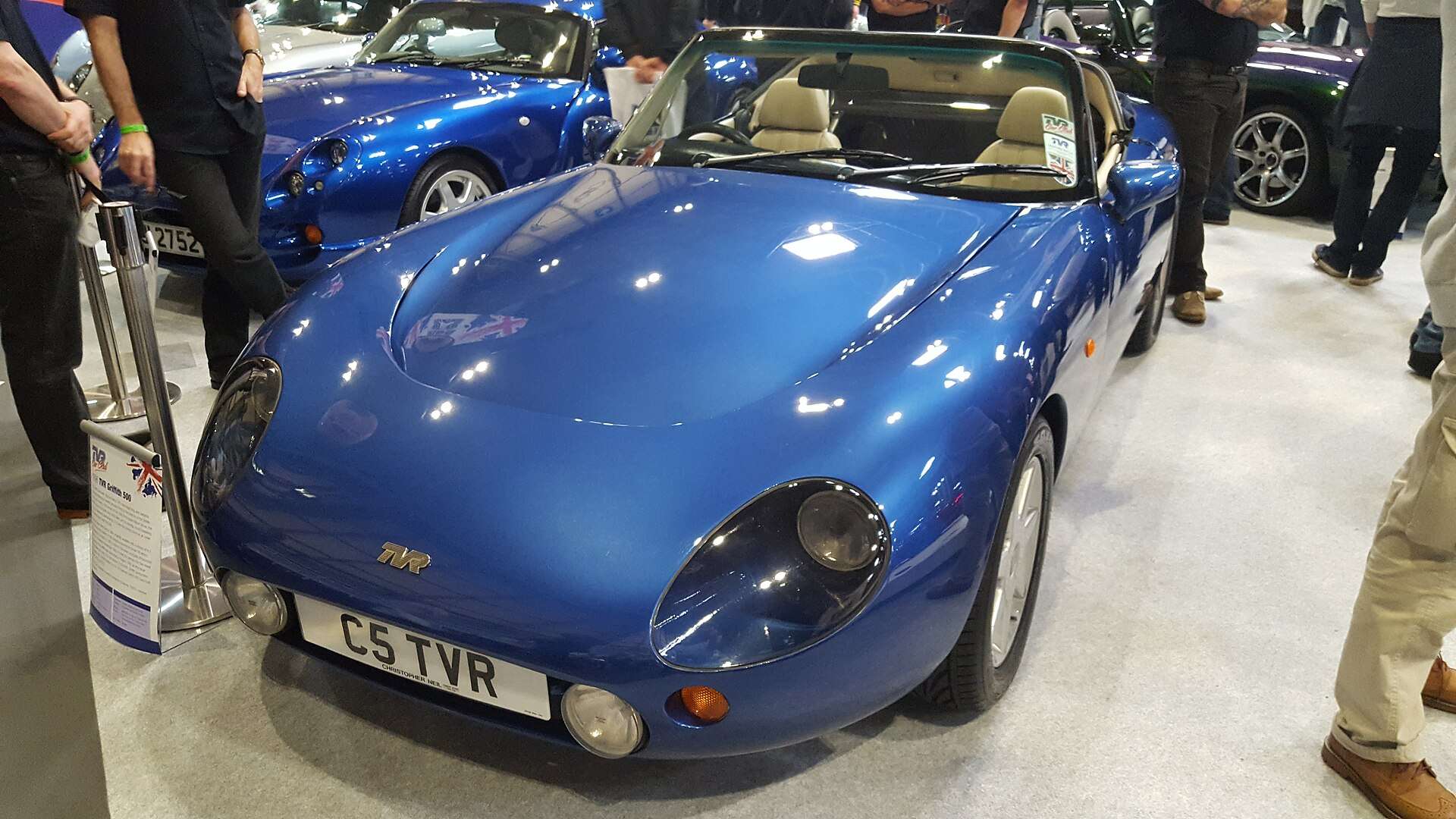
TVR Griffith 500
The five-litre Rover-V8 roadster: development, versions, specifications and buying checks.

TVR Chimaera
TVR’s best-selling roadster, from the 400 and 430 to the 450 and 500.
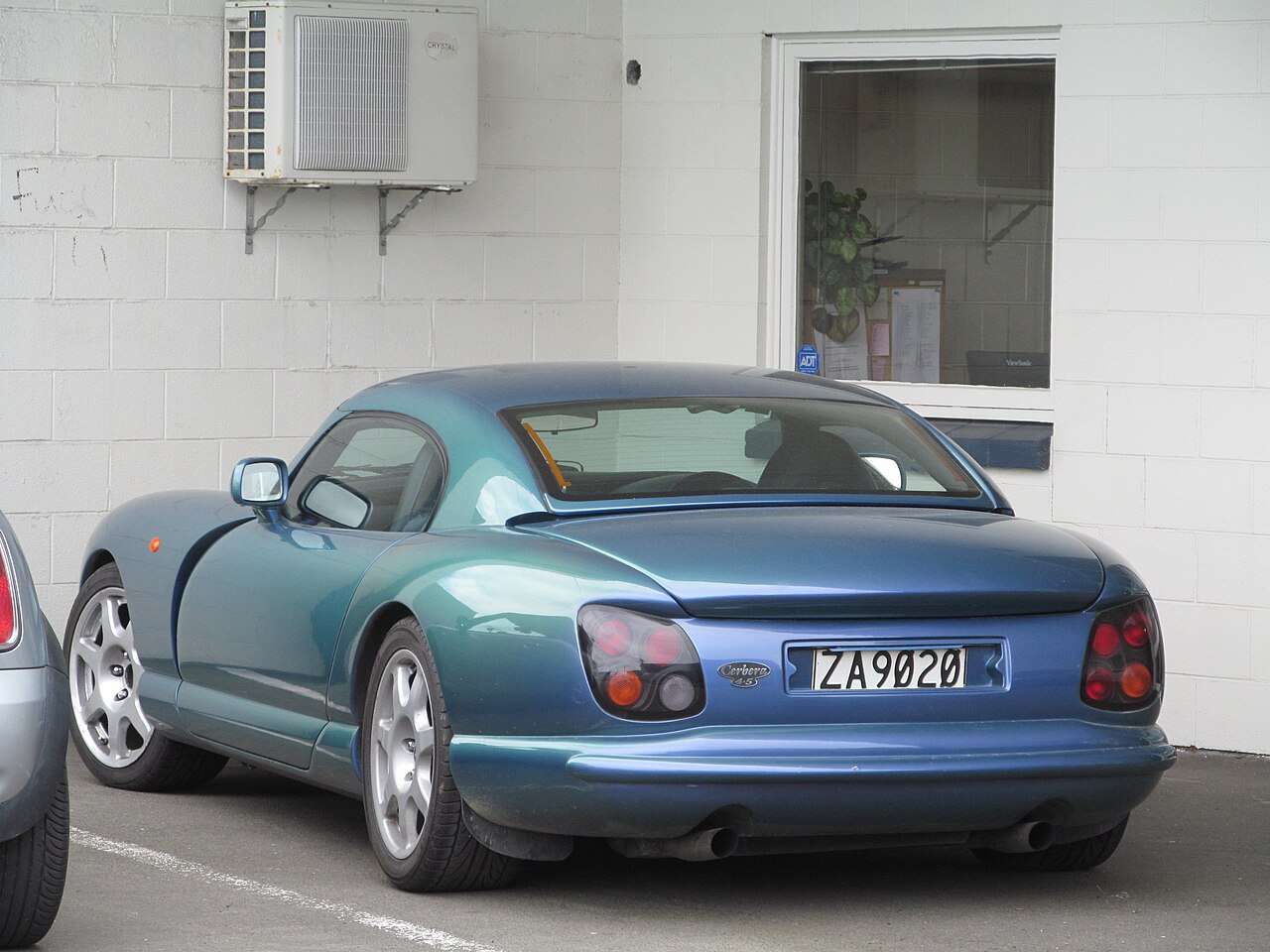
TVR Cerbera
The AJP8 and Speed Six 2+2 that made TVR an engine manufacturer.
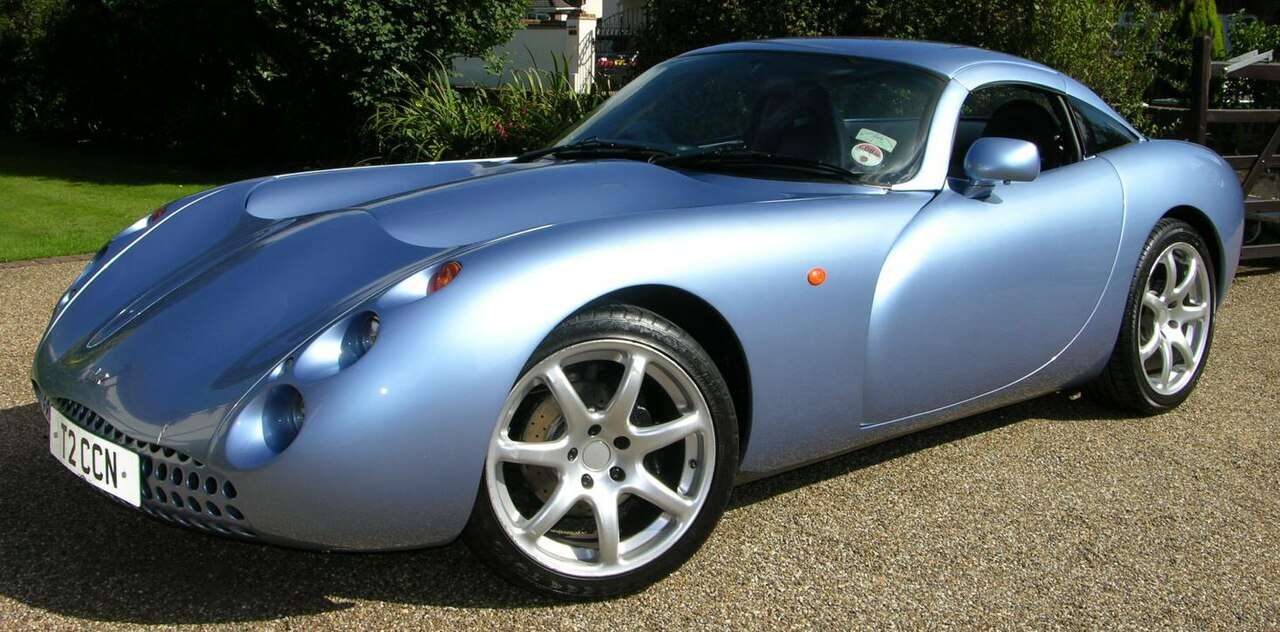
TVR Tuscan Speed Six
Mk1, Red Rose, S, Mk2 and convertible versions of TVR’s in-house straight-six sports car.

TVR Sagaris
The final Blackpool-era flagship: Speed Six performance, extreme aerodynamics and essential buying checks.
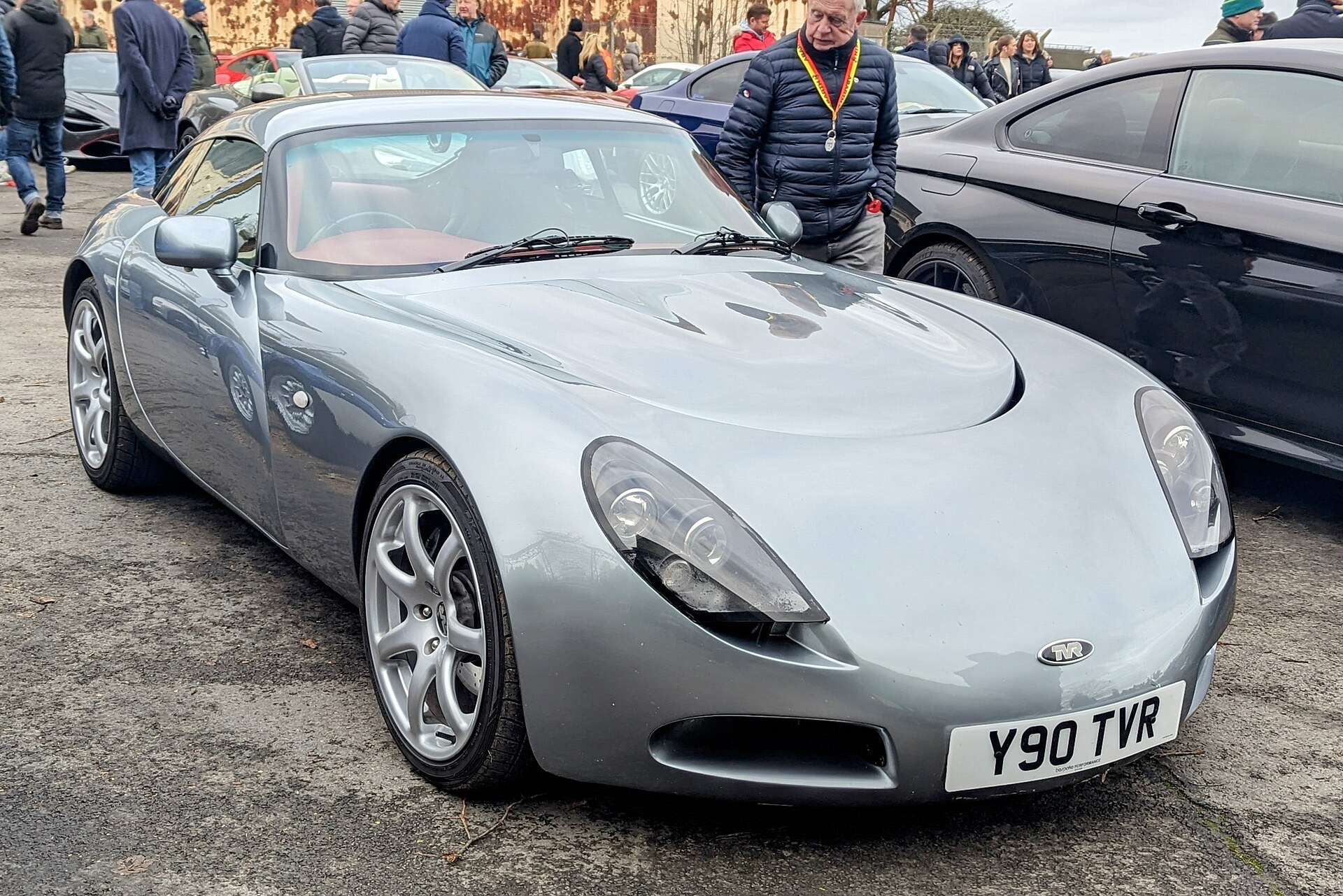
TVR T350C and T350T
The fixed-roof and removable-panel Speed Six coupés that connected the Tamora to the Sagaris.
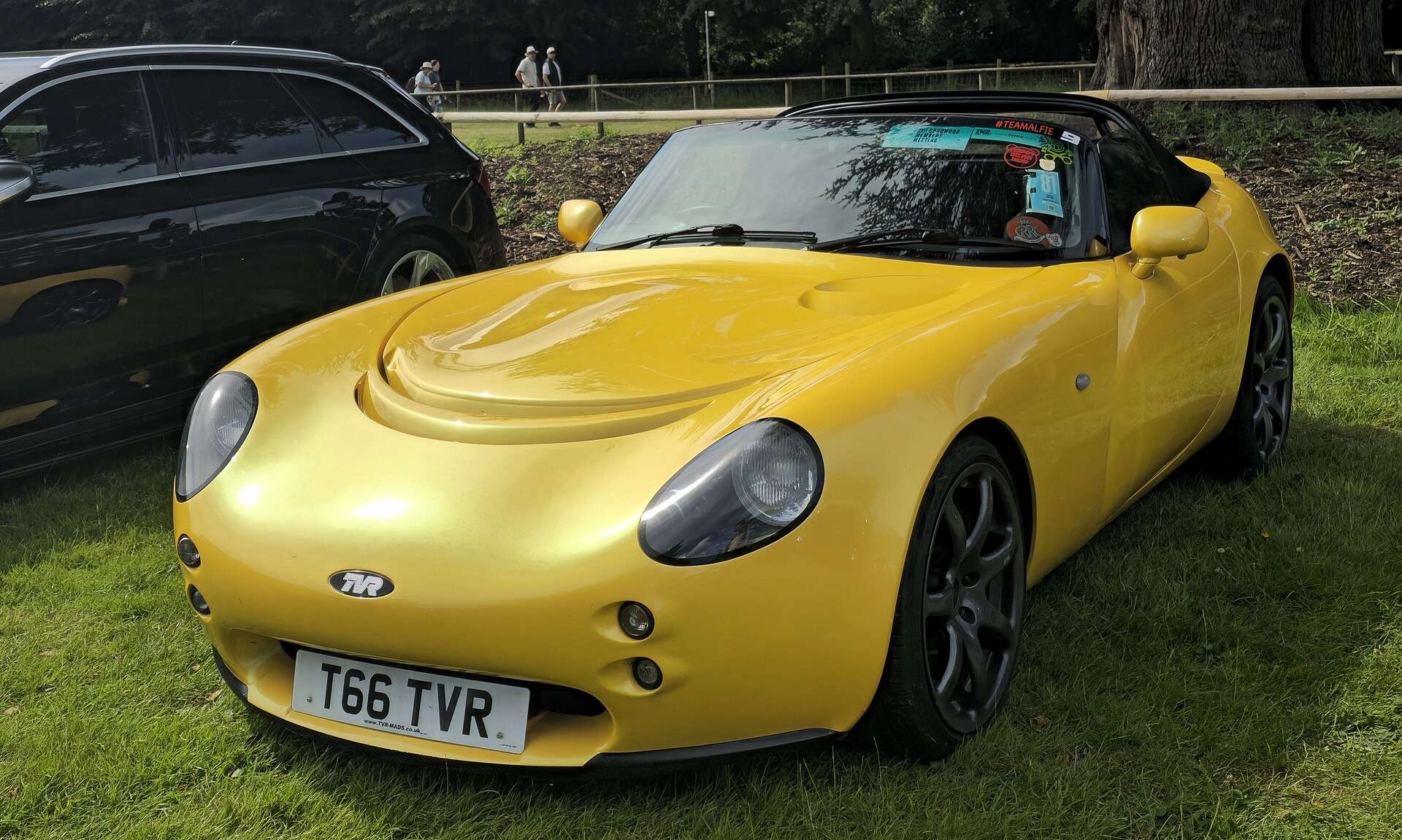
TVR Tamora
TVR’s rare compact Speed Six roadster and the platform behind the T350 and Sagaris.

TVR S Series and V8S
The roadster that revived TVR, from Ford-V6 S1 to S4 and the Rover-V8 V8S.

TVR Tasmin and Wedge
From Ford-powered Tasmins to the V8 350i, 390SE and 400SE, with identification and buying checks.
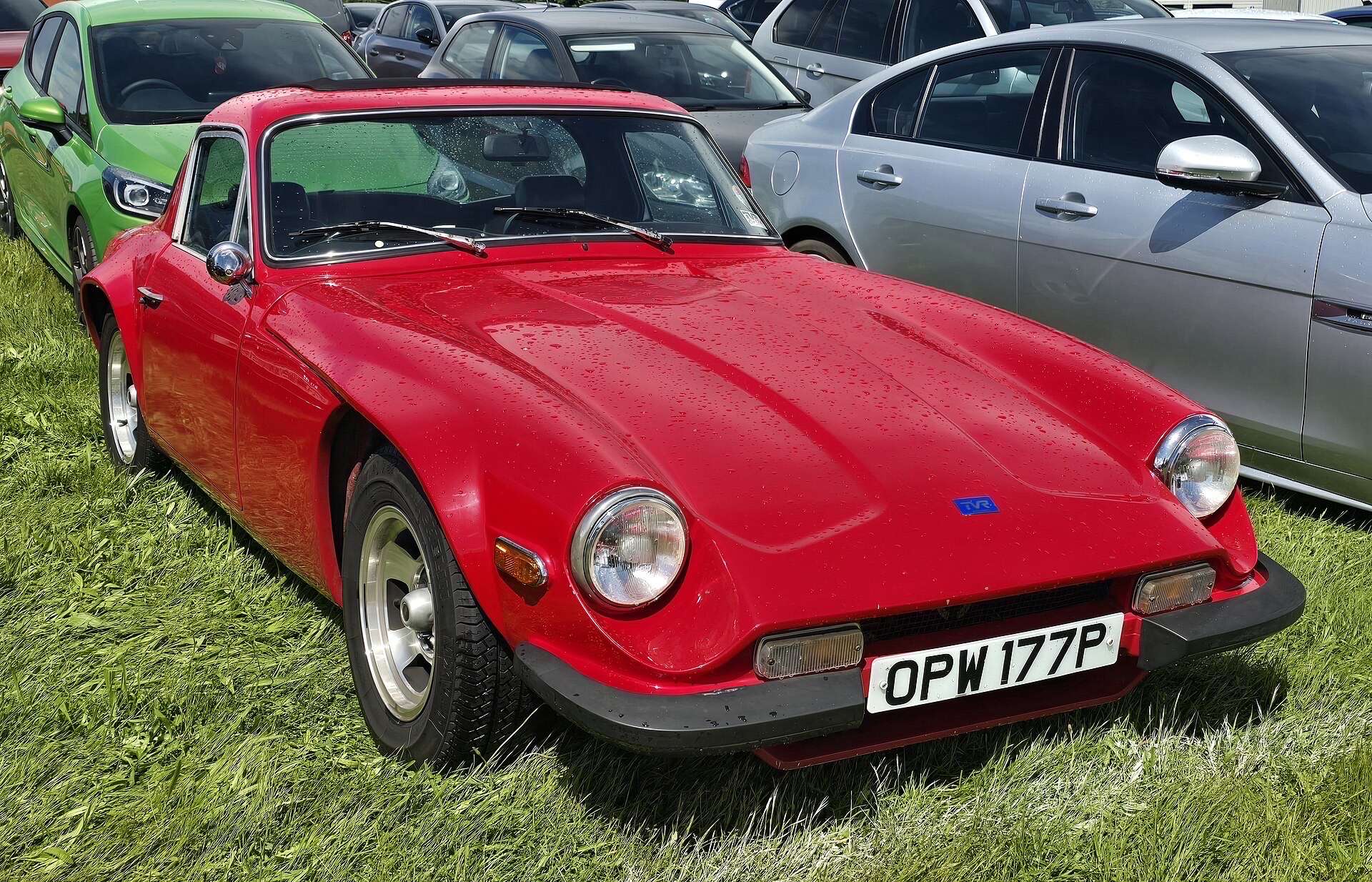
TVR M Series and Taimar
The 1600M, 2500M, 3000M, Taimar, 3000S and Turbo family explained.

TVR Grantura and Griffith 200/400
The Grantura foundations and the Ford-V8 Griffiths that created TVR’s transatlantic legend.
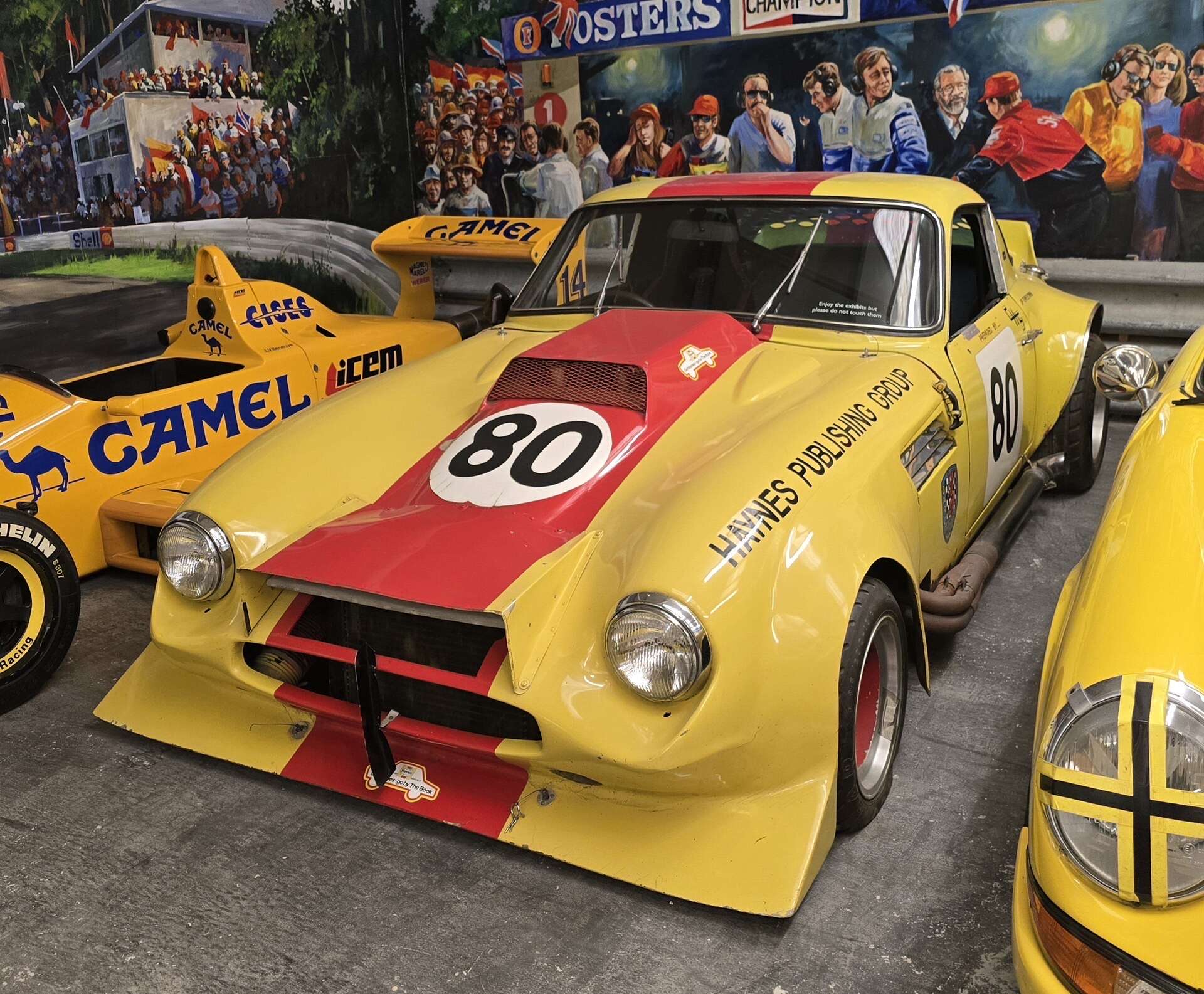
Classic TVR Tuscan V6 and V8
The scarce 1967–71 Tuscan range, including V6, SWB, LWB and wide-body V8 variants.
Image credits and licences
- TVR Griffith 500: Kieran White, CC BY 2.0, via Wikimedia Commons.
- TVR Chimaera: Steve Glover, CC BY 2.0, via Wikimedia Commons.
- TVR Cerbera: Riley, CC BY 2.0, via Wikimedia Commons.
- TVR Tuscan Speed Six: The Car Spy, CC BY 3.0, via Wikimedia Commons.
- TVR Sagaris: FotoSleuth, CC BY 2.0, via Wikimedia Commons.
- TVR T350C: Calreyn88, CC BY 4.0, via Wikimedia Commons.
- TVR Tamora: Calreyn88, CC BY-SA 4.0, via Wikimedia Commons.
- TVR S Series: Calreyn88, CC BY-SA 4.0, via Wikimedia Commons.
- TVR Tasmin and Wedge: MrWalkr, CC BY-SA 4.0, via Wikimedia Commons.
- TVR M Series and Taimar: Calreyn88, CC BY-SA 4.0, via Wikimedia Commons.
- TVR Grantura and Griffith 200/400: Charles, CC BY 2.0, via Wikimedia Commons.
- Classic TVR Tuscan V6 and V8: Calreyn88, CC BY 4.0, via Wikimedia Commons.
Love cars you don’t see every day?
Get forgotten cars, surprising motoring stories and the most interesting finds from Unusual Cars by email.
Free to join. No spam. Unsubscribe whenever you like. See our privacy policy.
From Rover V8 to TVR engines
The Griffith and Chimaera used TVR-developed versions of the Rover V8. The Cerbera introduced the AJP8, followed by the Speed Six that also powered the Tuscan and later models. That transition explains both TVR’s extraordinary ambition and the importance of specialist documentation when buying.
Frequently asked questions
Which TVR is the best starting point?
The Chimaera is normally the most accessible because it combines Rover V8 mechanicals, strong specialist support and greater practicality than the Griffith. Condition remains more important than engine size.
What is the difference between the Griffith and Chimaera?
They share a chassis family and Rover V8 engines, but the Griffith is shorter and more focused while the Chimaera has more cabin and luggage space with softer grand-touring settings.
Which TVR first used the company’s own engine?
The Cerbera introduced TVR’s AJP8 V8 to production and later also used the Speed Six straight-six.
Do TVRs have steel or glassfibre bodies?
These models use glassfibre bodywork over a tubular steel chassis. The body does not rust, but the hidden chassis can corrode seriously.
More TVR stories
The existing TVR V8S LS6 swap is retained as a modified-car case study rather than used as a substitute for an evergreen model guide.


.jpg)
.jpg)
.jpg)

.jpg)

.jpg)


_(52875095910).jpg)
