UNUSUAL CARS MODEL GUIDE
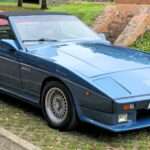
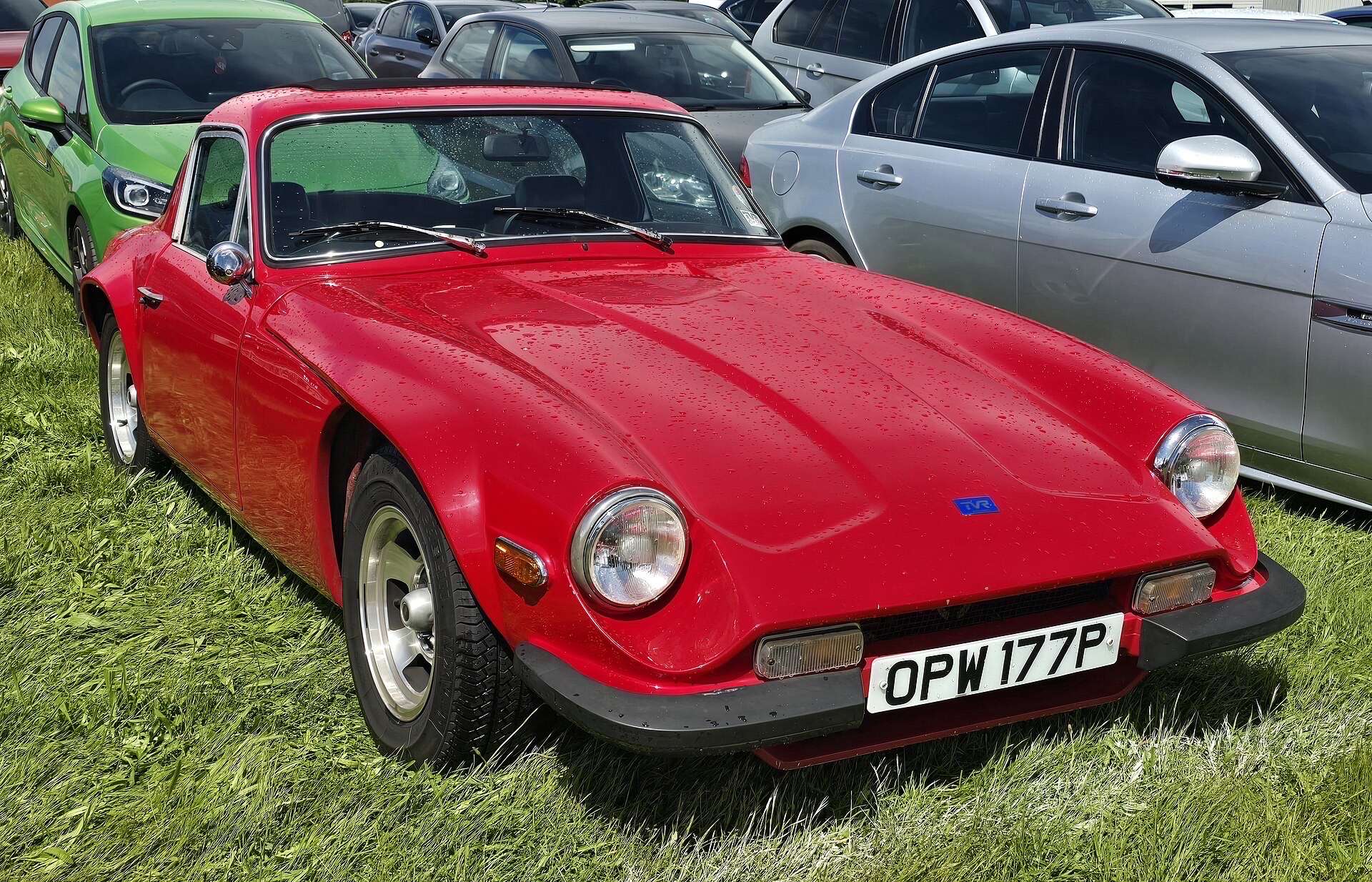
The TVR M Series was the backbone of the company during the 1970s. One chassis and fastback body supported the Ford-powered 1600M and 3000M, the Triumph-engined 2500M, the practical Taimar hatchback and the open 3000S, with rare Broadspeed-developed turbo derivatives at the top.
Featured image: 1976 TVR 3000M. Photograph by Calreyn88, CC BY-SA 4.0, via Wikimedia Commons; locally hosted.
How the M Series evolved
Introduced for the 1972 model year, the M Series combined themes from the Vixen and wide-bodied Tuscan with a new tubular chassis. The familiar glassfibre fastback remained compact, but revised structure, longer doors and updated suspension made the car a more mature product than its predecessors.
TVR could offer several engines without developing a completely different body for each market. That flexibility was vital to a small manufacturer facing changing emissions rules, supply constraints and the importance of North American exports.

1600M, 2500M and 3000M compared
| Model | Engine | Character and market |
|---|---|---|
| 1600M | Ford 1.6-litre crossflow four-cylinder | The lightest and least powerful M, with straightforward Ford mechanicals. |
| 2500M | Triumph 2.5-litre straight-six | Developed largely around export-market demand and Triumph-derived hardware. |
| 3000M | Ford 3.0-litre Essex V6 | The performance mainstay and foundation for the Taimar and 3000S. |
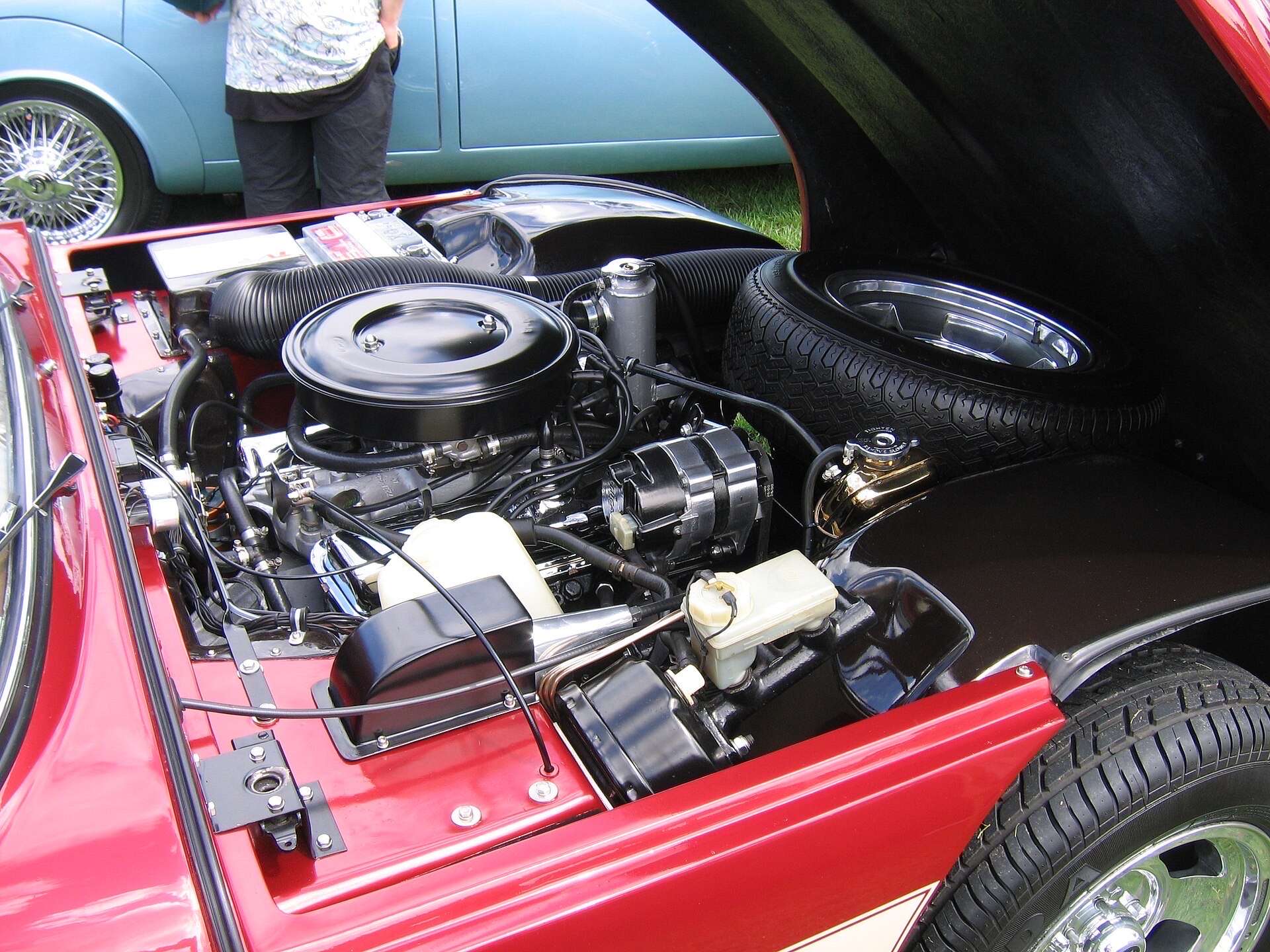
The 3000M’s Essex V6 produced strong low-speed torque and gave the light coupé performance comparable with larger sports cars. Published outputs and acceleration figures vary with market, year and test method, so condition and verified engine specification are more useful than repeating one headline number.
Taimar, 3000S and Turbo
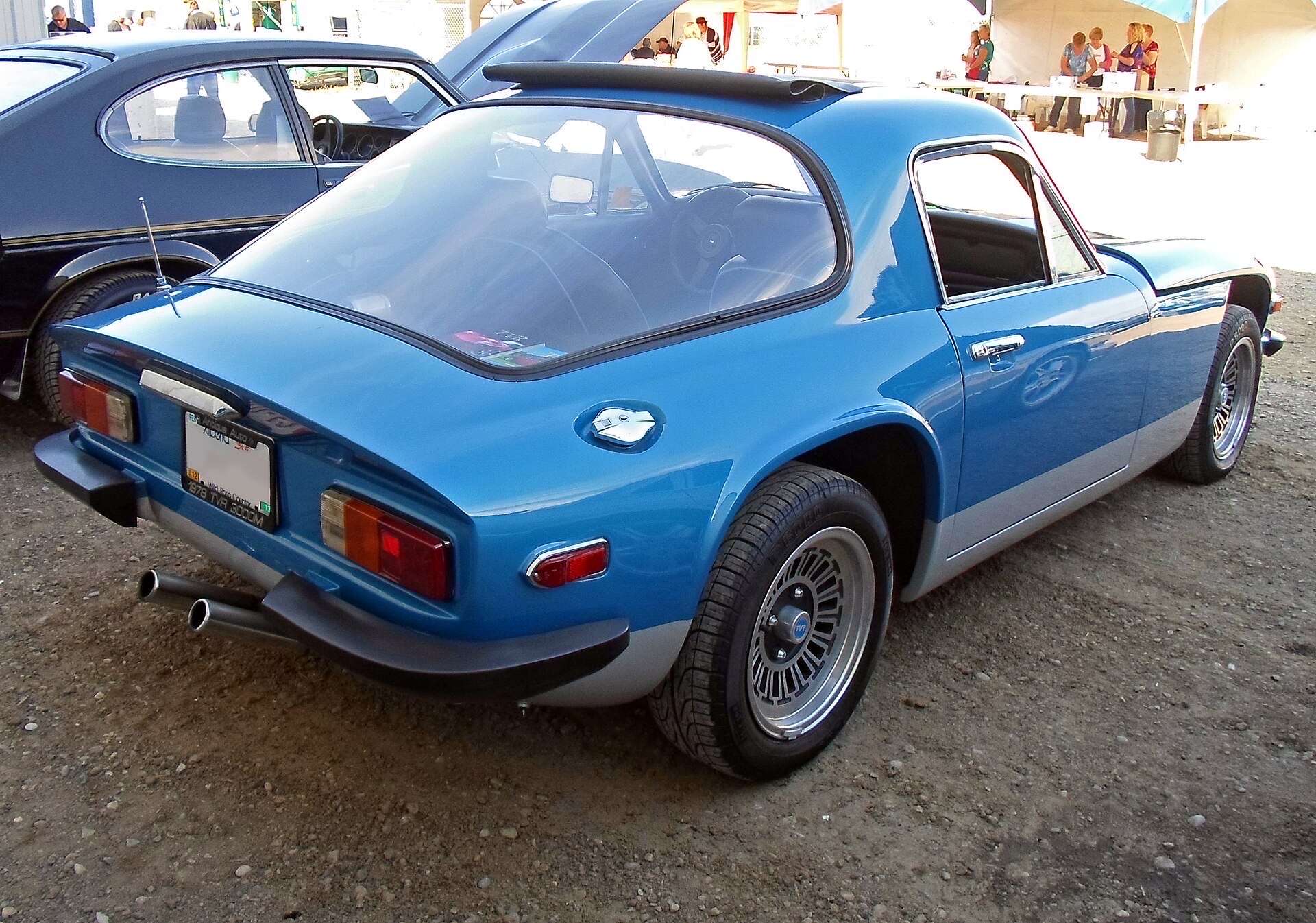
TVR addressed the coupé’s poor luggage access in 1976 by creating the Taimar, effectively a 3000M with an opening rear hatch. The change sounds modest but made the car much easier to use and created one of the family’s most distinctive derivatives.
The 3000S followed in 1978 as TVR’s first regular-production convertible. TVR also worked with Broadspeed to turbocharge the Essex V6 for 3000M, Taimar and 3000S applications. The official TVR archive records 258 normally aspirated 3000Ss and 13 turbocharged 3000Ss; broader totals for all M-series turbo bodies are quoted differently by sources and should be described with their definitions.

Love cars you don’t see every day?
Get forgotten cars, surprising motoring stories and the most interesting finds from Unusual Cars by email.
Free to join. No spam. Unsubscribe whenever you like. See our privacy policy.
Engineering and driving character
The tubular chassis uses independent suspension with coil springs and telescopic dampers, while the glassfibre body keeps mass low. Steering is unassisted and controls are direct, producing an involving car when the suspension and tyres are correctly set up.
The Essex V6 gives the 3000M and Taimar a broad, muscular delivery rather than the high-rev character of a small four-cylinder sports car. Turbo versions add substantial performance but also heat, plumbing and authentication questions. Cars used in competition or modified over several decades need especially clear documentation.
TVR M Series and Taimar buying guide
Chassis and bonding
Inspect the tubular frame, suspension pickups, outriggers and areas hidden by the body. Look for corrosion, accident distortion and patch repairs. Check that the body remains securely bonded and that door and hatch openings have not moved out of alignment.
Engines and cooling
Verify which engine is fitted and whether its number and specification agree with the records. On the Essex V6 check oil pressure, cooling, timing gear history, carburation and exhaust manifolds. Triumph and Ford four-cylinder cars have different parts requirements and should not be assessed using 3000M assumptions.
Gearbox, differential and brakes
Check synchromesh, clutch release, propshaft vibration and differential noise. Brakes must pull up squarely without seized components. Worn bushes, dampers, ball joints and wheel bearings can make the short car feel nervous.
Body, hatch and interior
Glassfibre stress cracks, crazing and old repairs require close inspection. On a Taimar, check the hatch frame, hinges, latch, seal and water drainage. Confirm that instruments, switchgear, seats and model-specific trim are complete because restoration costs can exceed the apparent saving on an incomplete car.

Sources and further reading
- TVR official heritage history
- TVR official 3000S Turbo archive
- TVR Car Club M Series history
- TVR 3000M and Taimar maintenance guide
Continue the TVR story
The M Series turned one compact platform into coupé, hatchback, convertible and turbocharged derivatives. Explore the complete TVR hub, then trace its roots to the Grantura and Griffith and see the Tasmin and Wedge replacement.
Frequently asked questions
What models were in the TVR M Series?
The principal family comprised the 1600M, 2500M and 3000M coupés, followed by the Taimar hatchback and the open 3000S. Turbocharged versions were also produced in small numbers.
What engine does the TVR 3000M use?
The 3000M uses Ford’s 2,994cc Essex V6 with a four-speed manual gearbox. The Taimar and 3000S used the same basic engine in different body configurations.
How is a TVR Taimar different from a 3000M?
The Taimar adds an opening rear hatch to the M-series coupé body, making luggage access substantially easier while retaining the Ford Essex V6 drivetrain.
Was there a turbocharged TVR M Series?
Yes. TVR worked with Broadspeed on turbocharged 3000M, Taimar and 3000S derivatives. Exact totals vary by source and surviving cars require careful authentication.
What should be checked before buying an M Series TVR?
Inspect chassis corrosion, suspension mounts, glassfibre repairs, cooling, engine and gearbox condition, brakes, electrics, water ingress and the completeness of model-specific trim and hatch or roof hardware.