

UNUSUAL CARS MODEL GUIDE
The Grantura established the compact glassfibre coupé that defined early TVR. Its tubular chassis supported a succession of four-cylinder engines and later became the basis for the Griffith 200 and 400, which combined Blackpool-built rolling chassis with American Ford V8 power.
Featured image: 1965 Griffith 200. Photograph by Charles from Port Chester, New York, CC BY 2.0, via Wikimedia Commons; locally hosted.
From early specials to the Grantura
Trevor Wilkinson’s early cars established the principles TVR would retain: a light tubular structure, glassfibre body, front engine and rear-wheel drive. By 1958 the fastback design developed with input from American distributor Ray Saidel had become the Grantura.
Early production was small and specifications varied. MkI and MkII cars could use different Coventry Climax, Ford or BMC-derived engines. The MkII and MkIIA became more consistent, while the MkIII introduced a longer, better-braced chassis and independent coil-spring suspension. That structure proved important far beyond the Grantura itself.

Grantura MkIII, 1800S and MkIV
The MkIII paired the revised chassis with familiar compact bodywork and provided the basis for competition development. A Grantura appeared at Le Mans in 1962, although its race was brief. The later 1800S adopted the BMC B-series engine and a reshaped Manx tail with distinctive rear lamps, while the MkIV gained further length, improved trim and a larger fuel tank.
Names and dates can overlap in period records, and restored cars sometimes mix later mechanical or body details. An accurate description should therefore combine chassis number, factory record, engine type and physical evidence rather than relying only on registration date.
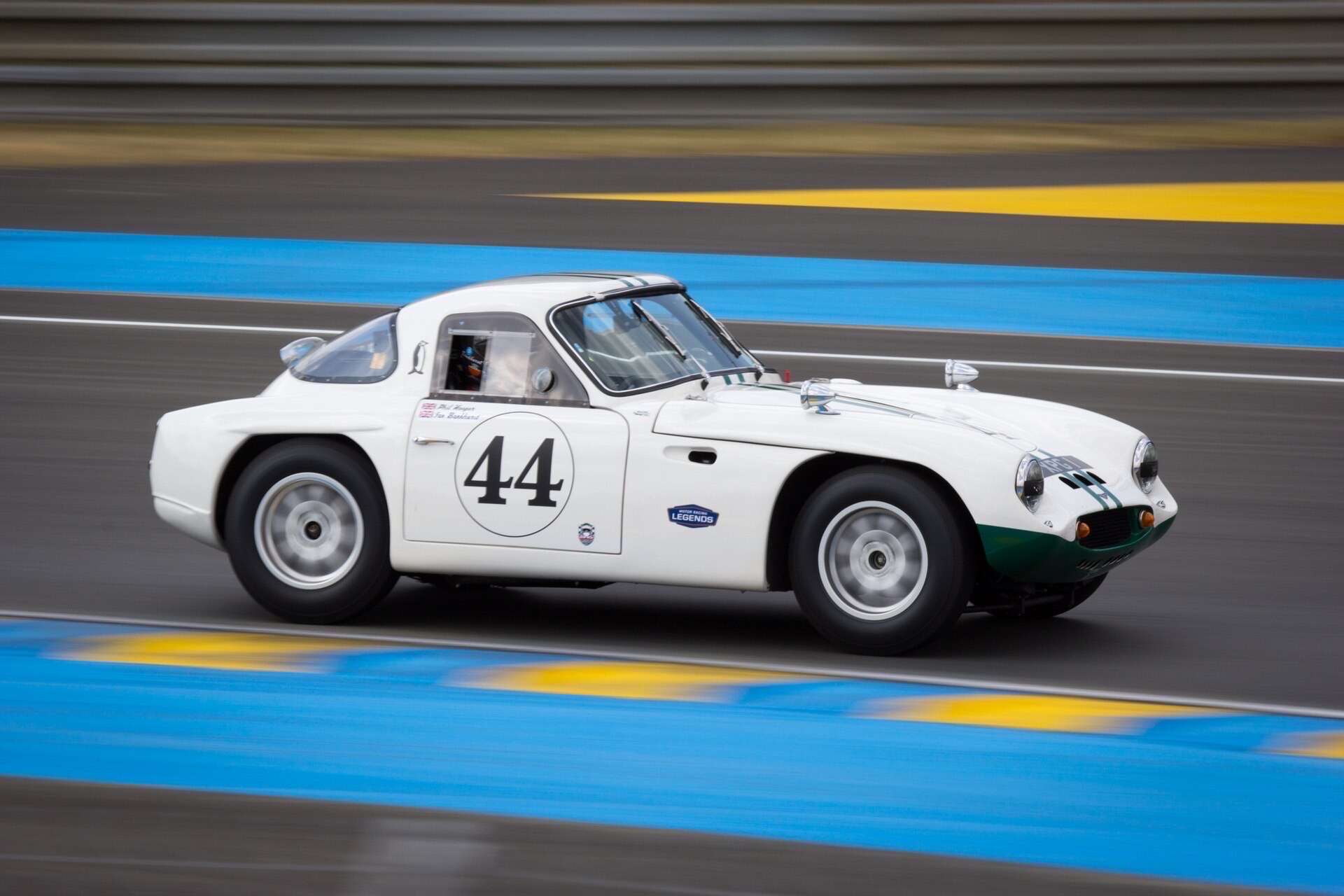
How the Griffith 200 and 400 were created
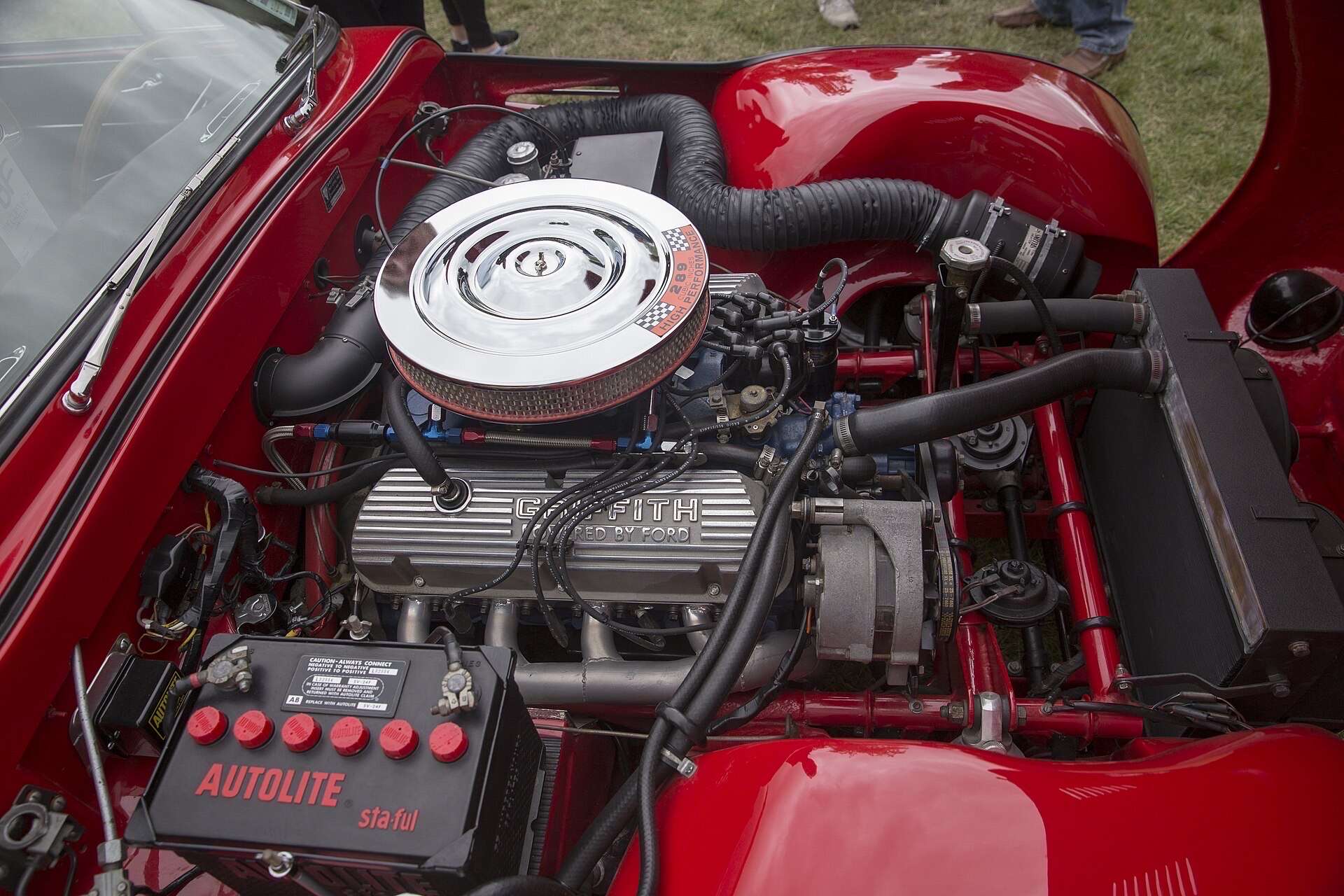
American dealer Jack Griffith pursued the idea of installing Ford’s 289cu in V8 into the Grantura platform. TVR engineering work strengthened and adapted the chassis, after which rolling cars were shipped to the United States for engine and transmission installation. The result delivered extraordinary straight-line performance in a very small package.
| Model | Foundation | Key distinction |
|---|---|---|
| Griffith 200 | Grantura MkIII-related chassis and body | Early Ford-289 V8 form with the earlier rear treatment. |
| Griffith 400 | Revised TVR chassis and 1800S-related body | Later Manx tail, detail improvements and continued American assembly. |
Export disruption, quality problems and TVR’s financial instability limited the project. Production totals vary depending on whether incomplete chassis, competition cars and later factory-finished examples are included, so exact claims should always identify their source.
Love cars you don’t see every day?
Get forgotten cars, surprising motoring stories and the most interesting finds from Unusual Cars by email.
Free to join. No spam. Unsubscribe whenever you like. See our privacy policy.
Performance and historical significance
The combination of a lightweight body and American V8 gave the Griffith performance in the same conversation as the AC Cobra, but with a shorter wheelbase and extremely compact engine bay. Heat management, traction and stability placed serious demands on drivers and on the quality of the conversion.
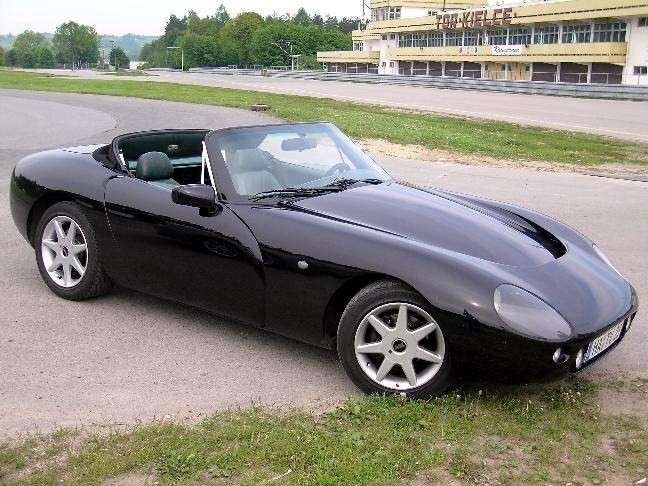
The Griffith story also links several important TVR eras. It grew from the Grantura, was succeeded by the original Tuscan V8 and donated a name that TVR revived for its celebrated 1990s roadster. Understanding the early car prevents the later Griffith from being treated as an isolated idea.
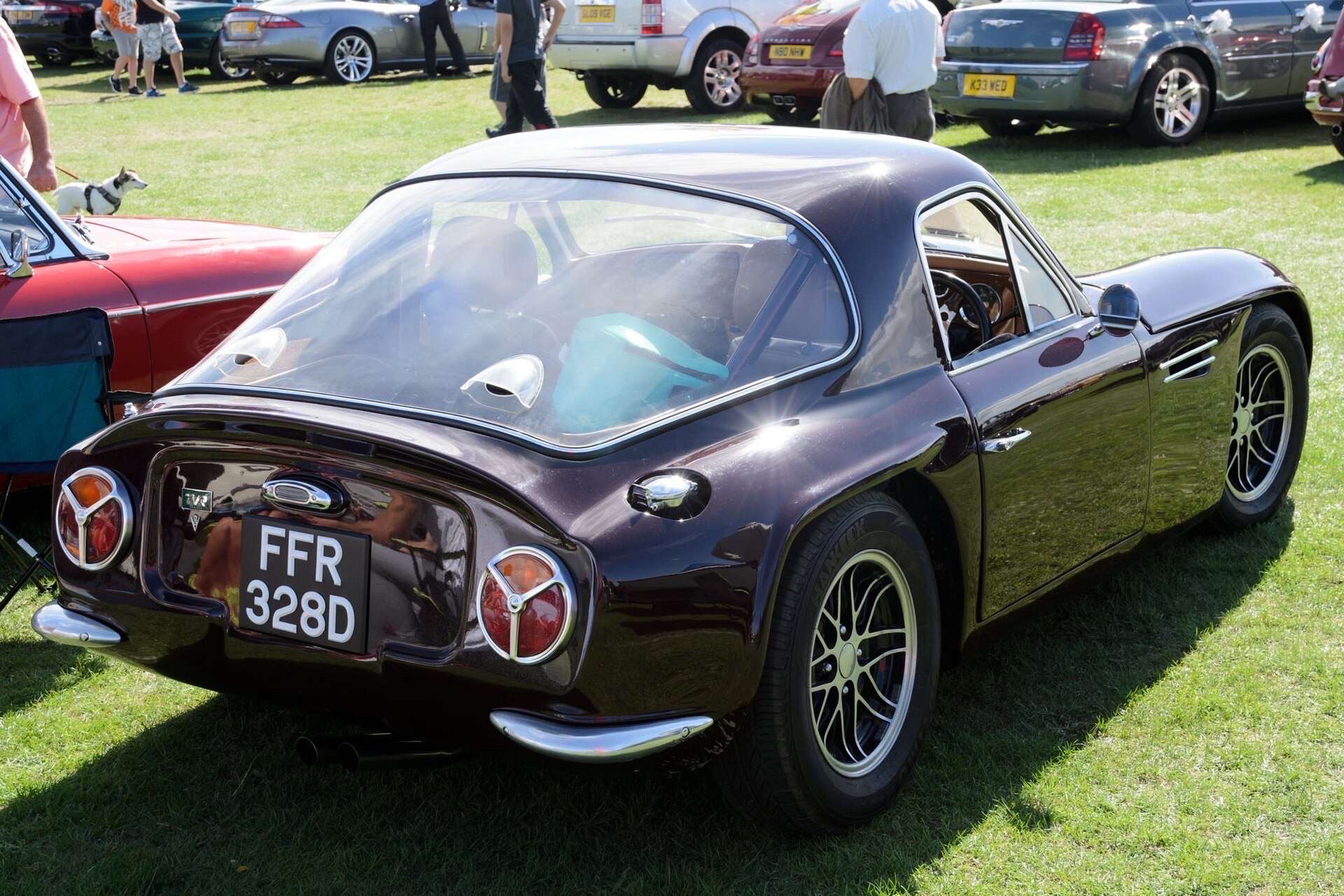
TVR Grantura and Griffith buying guide
Identity and provenance
Begin with chassis number, engine number, body details, factory or club records and a continuous ownership file. Griffith values make replicas, converted Granturas and mixed-specification restorations commercially significant. A conversion can still be enjoyable, but it must be described honestly.
Chassis and suspension
Inspect the complete tubular structure for corrosion, cracks, old repairs and accident distortion. Check suspension mounts, wishbones, hubs, wheel bearings, dampers, springs and steering. Alignment problems in a short-wheelbase car require specialist investigation.
Body and weather sealing
Look for crazing, stress cracks, bubbling, poor panel fit and evidence of heavy filler. Windscreen, rear window and door seals can leak. Correct lights, glazing, bumpers and trim are increasingly difficult to source.
Engine, cooling and brakes
Assess each Grantura according to its actual engine. On a Griffith, confirm the Ford V8 installation, cooling, fuel delivery, exhaust routing and gearbox. Check for overheating and heat damage in the confined bay. Brakes must be correctly specified and balanced for the car’s performance.
Sources and further reading
- TVR official heritage history
- TVR Car Club Grantura history
- TVR Car Club early Griffith history
- TVR company history press material
Continue the TVR story
The Grantura established TVR’s production shape, while the Griffith added American V8 power and international ambition. Explore the complete TVR hub, then continue to the original Tuscan V6 and V8 and follow the chassis lineage into the M Series.
Frequently asked questions
When was the TVR Grantura introduced?
The Grantura emerged in production form in 1958 and developed through MkI, MkII, MkIIA, MkIII, 1800S and MkIV forms before evolving into the Vixen family.
What engines were used in the TVR Grantura?
Granturas used several four-cylinder engines, including Coventry Climax, Ford and MGA/BMC units. Exact specification depends on the model, market and individual chassis.
What is the difference between a Griffith 200 and 400?
Both combined a TVR-built rolling chassis with Ford 289 V8 power and American final assembly. The later 400 used revised body and chassis details, including the 1800S-style Manx tail.
Were Griffith 200 and 400 cars sold in Britain?
Most were intended for North America, but a small number of Griffith-derived cars and related V8 TVRs reached Britain. Identity and market history must be verified individually.
What are the main buying checks?
Confirm chassis identity and provenance, then inspect the tubular frame, suspension, glassfibre body, cooling, brakes, steering and the authenticity and installation quality of the engine and transmission.


