Rare and performance Mazda guides
Mazda’s most memorable cars are united less by one formula than by a willingness to develop unusual engineering thoroughly. Rotary sports cars, the lightweight MX-5 and turbocharged four-wheel-drive rally hatchbacks all grew from clear ideas about compactness, balance and driver involvement.
This hub brings together researched model histories, version guides and practical buying checks. Each guide separates Japanese, UK and export specifications where they differ and links technical claims to manufacturer or homologation sources.
Mazda model guides
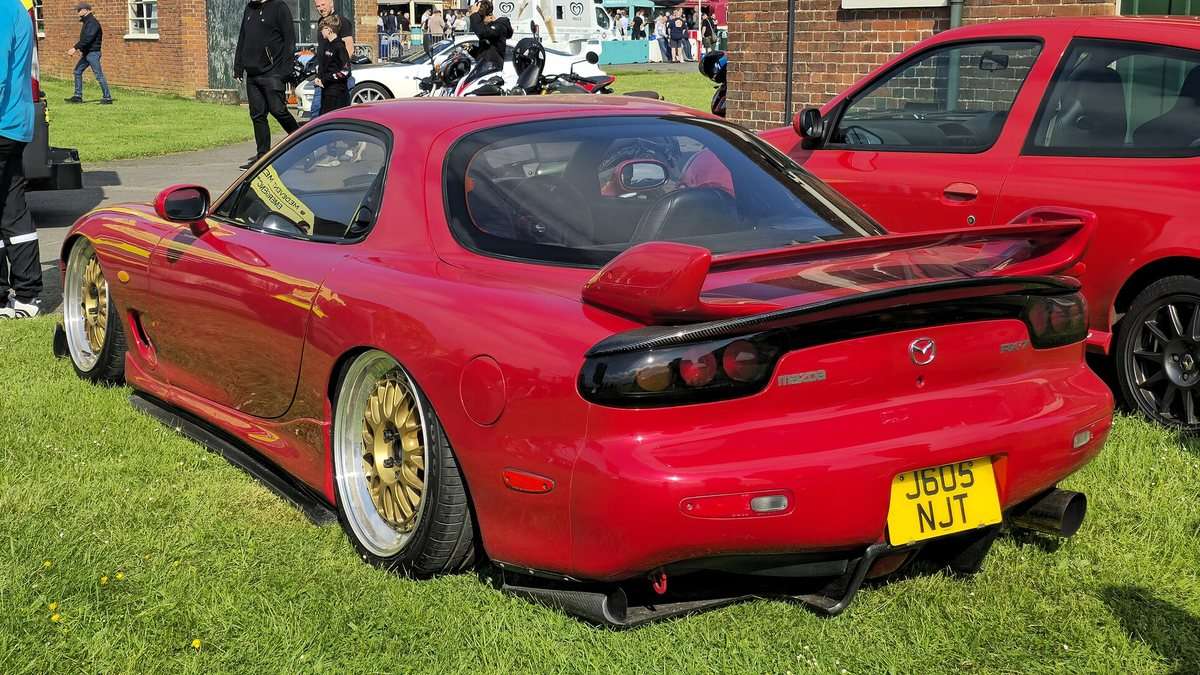
Mazda RX-7 FD
The sequential twin-turbo rotary flagship: versions, engineering, ownership checks and why balance matters more than headline power.

Mazda MX-5 NA and Eunos Roadster
The original pop-up-headlamp roadster, explained from its Jinba Ittai development to 1.6/1.8 differences and rust checks.
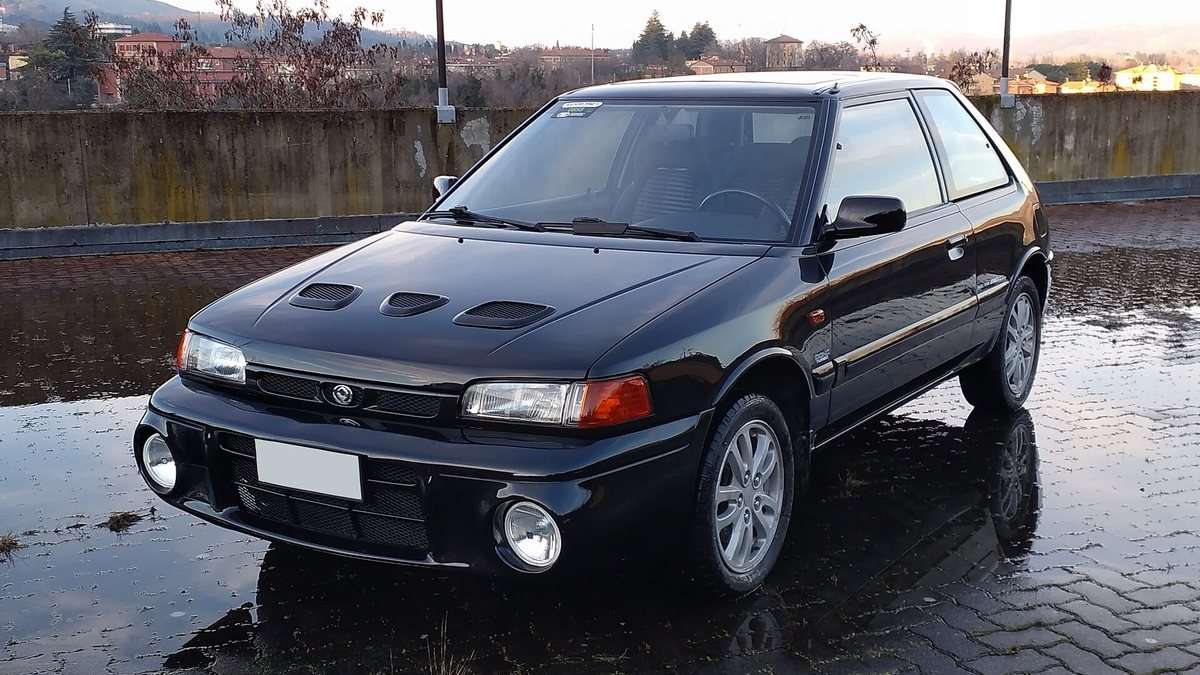
Mazda 323 GTX and GT-R
Mazda’s compact turbocharged 4WD rally family, including GTX and GT-R differences, FIA context and rare-parts advice.
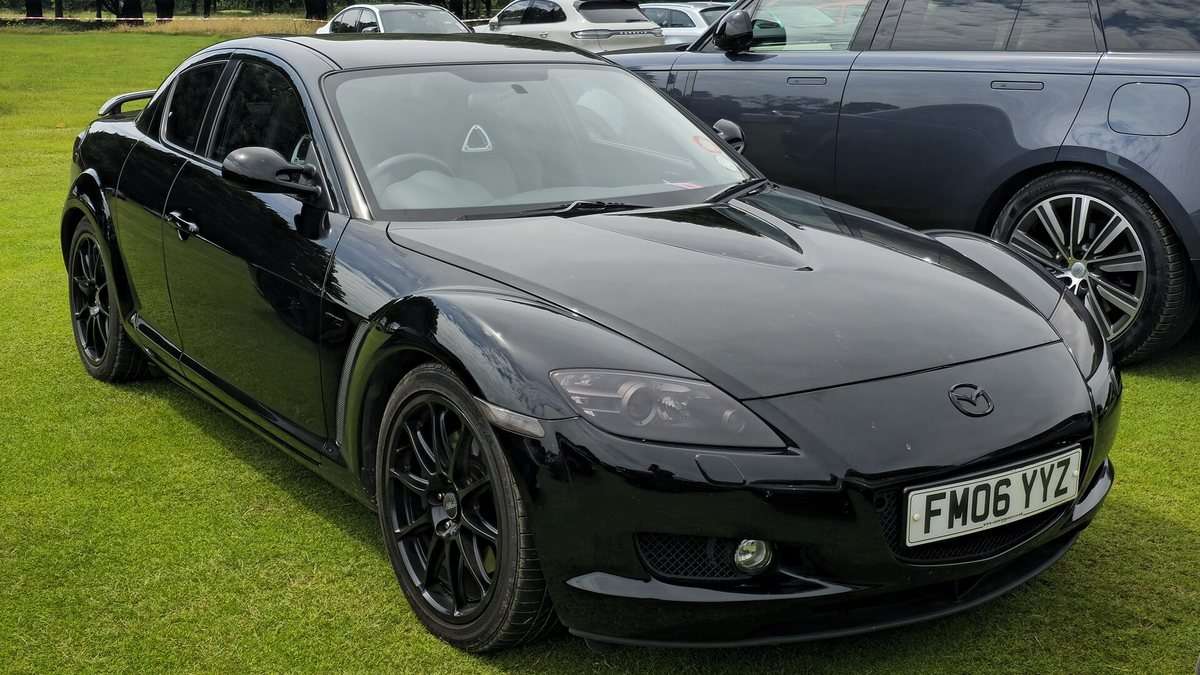
Mazda RX-8
The four-seat RENESIS rotary sports car: Series 1, PZ and R3 context, plus the compression and ignition checks that define a good buy.

Mazda RX-7 FC
The second-generation rotary coupé: Series 4 and 5, Turbo II, Infini and convertible differences, plus specialist buying checks.
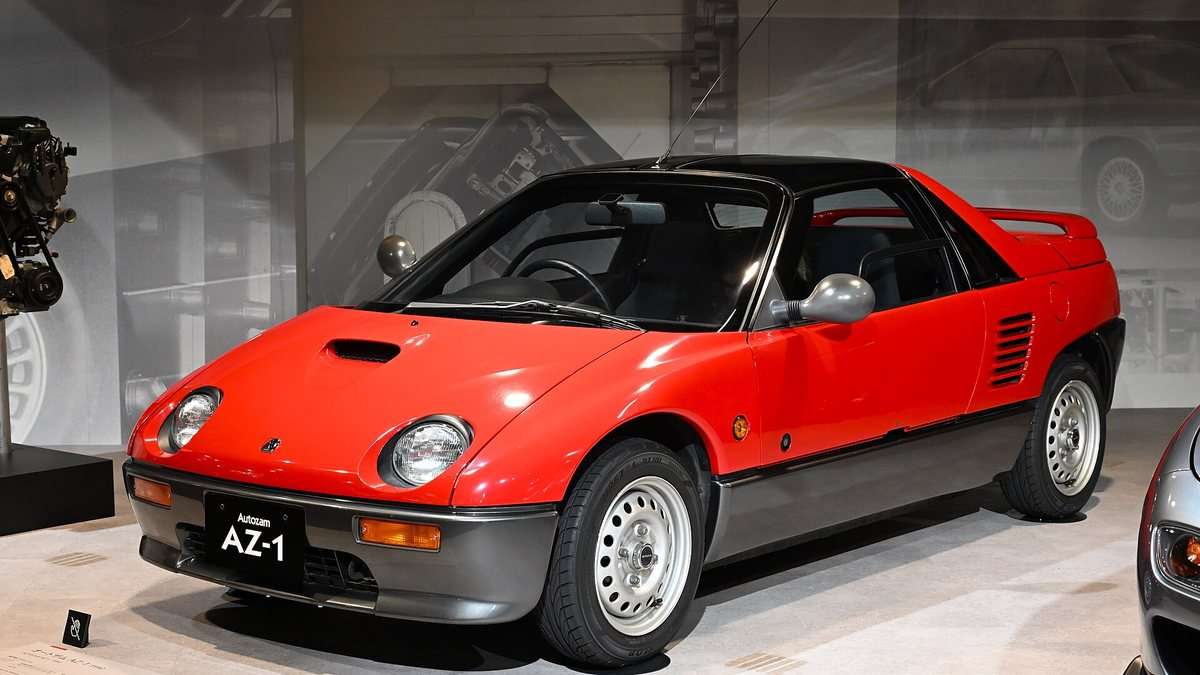
Autozam AZ-1
Mazda’s gull-wing, mid-engined kei coupé, with engineering history, Mazdaspeed context and practical import checks.
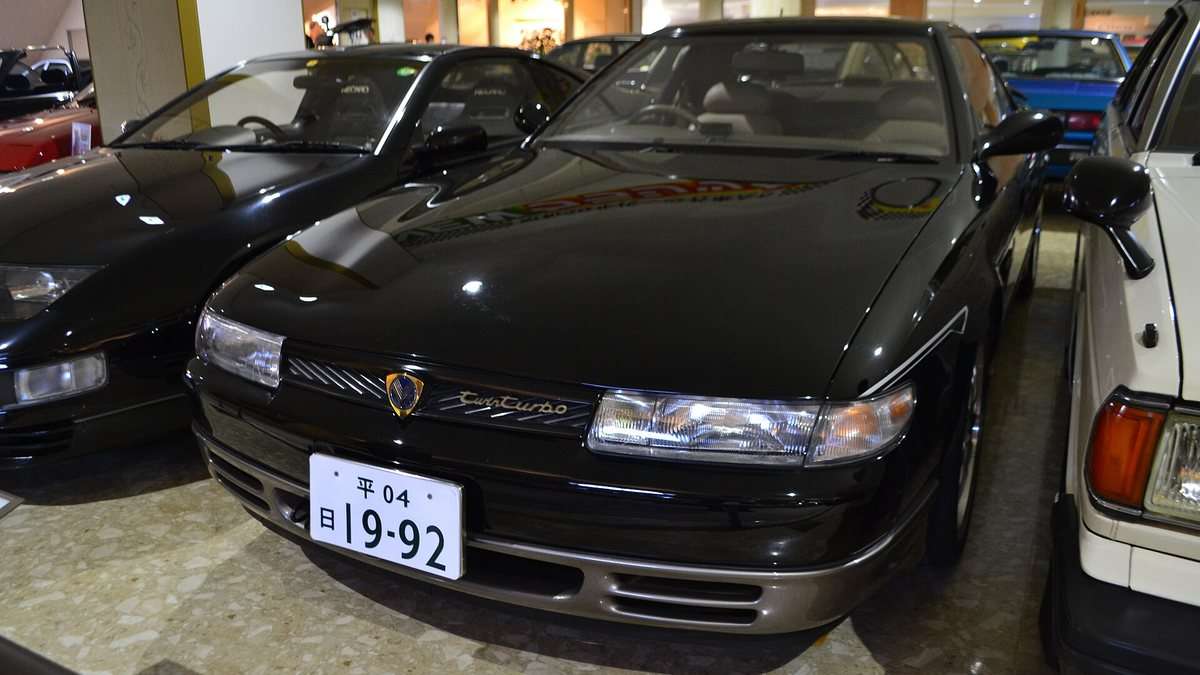
Eunos Cosmo
The three-rotor luxury flagship, including 13B and 20B engines, sequential turbos, CCS electronics and ownership realities.

Mazda6 MPS
The discreet 2.3 DISI turbo all-wheel-drive saloon, known as Mazdaspeed Atenza and Mazdaspeed6 in other markets.
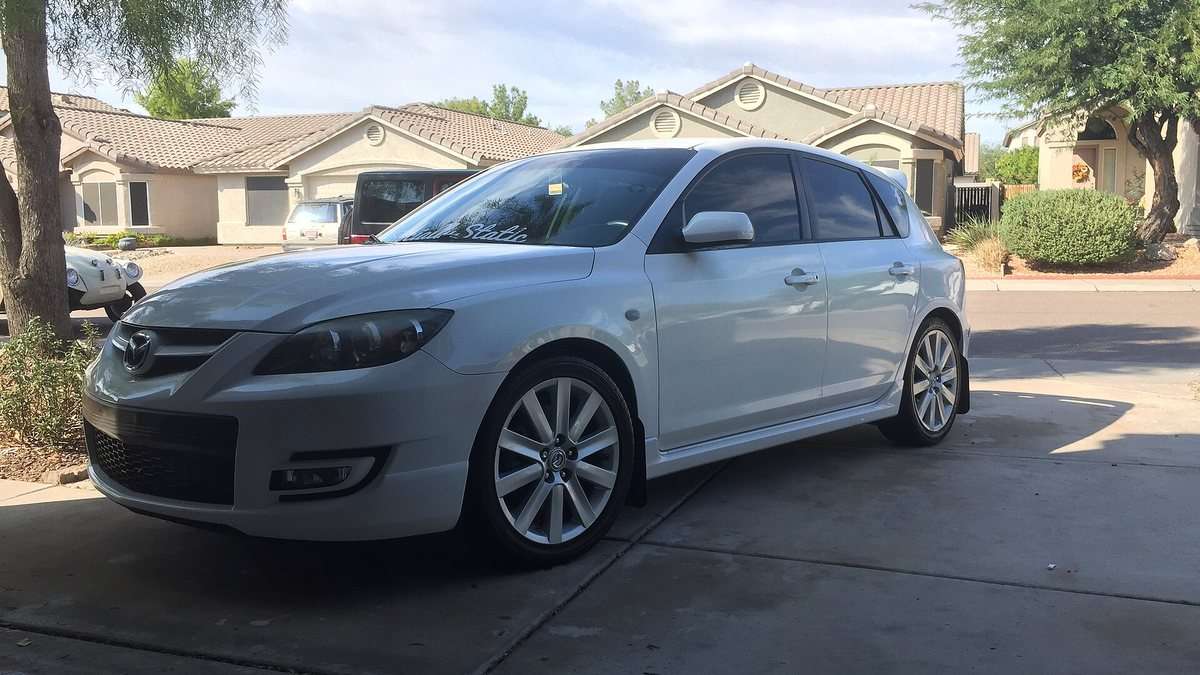
Mazda3 MPS
The 2.3 DISI Turbo hot hatch, sold as Mazdaspeed3 and Mazdaspeed Axela, with both generations and essential buying checks.
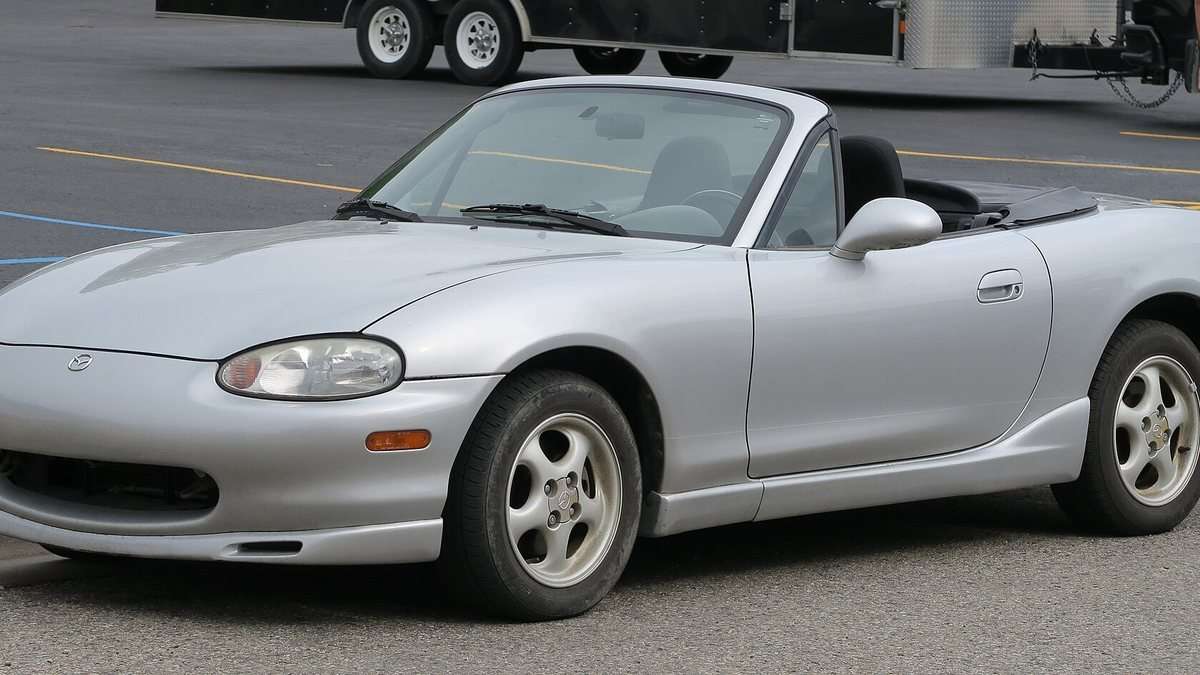
Mazda MX-5 NB
The second-generation roadster, including Mk2 and Mk2.5 differences, engine choices, special editions and corrosion checks.
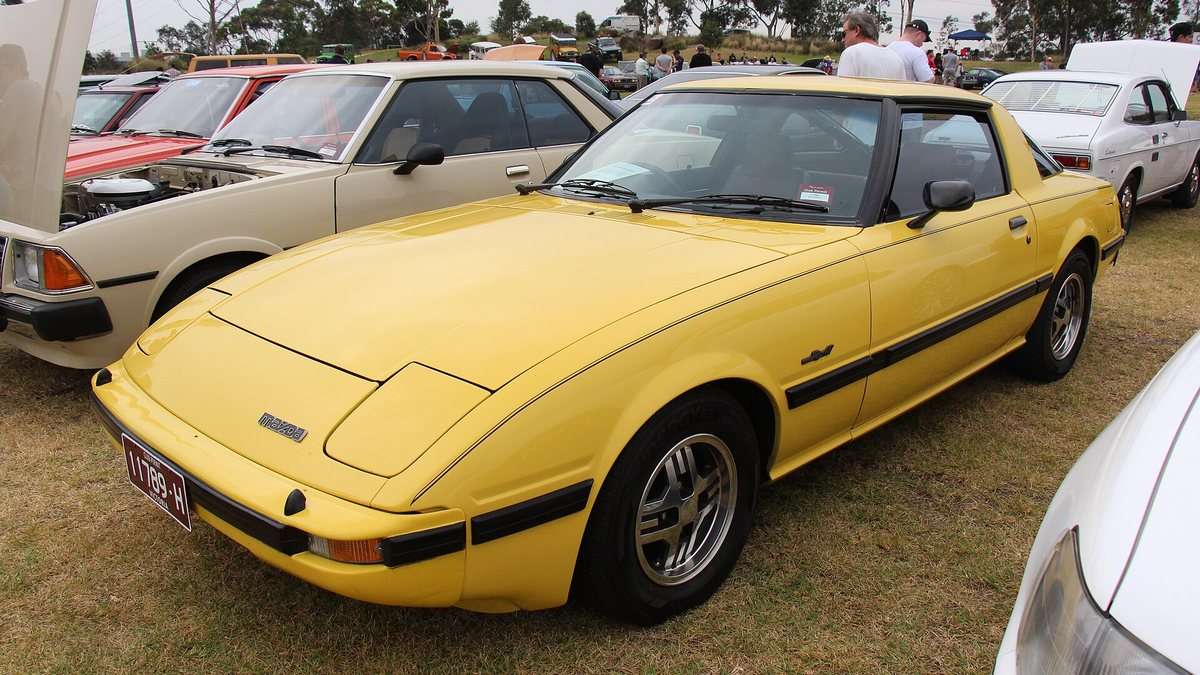
First-generation Mazda RX-7
The original SA and FB rotary coupé, covering 12A engineering, model phases, motorsport history and buyer priorities.
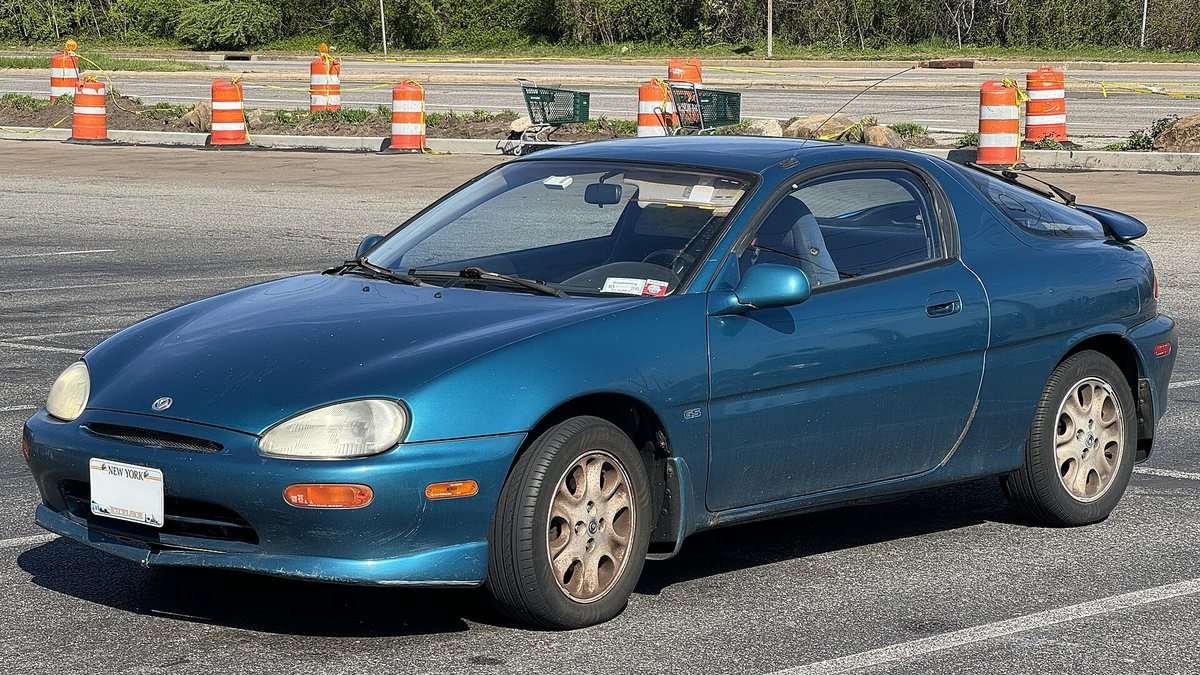
Mazda MX-3 V6
The compact 1.8-litre V6 coupé, with Eunos Presso and Autozam AZ-3 context, specifications and buying advice.
Love cars you don’t see every day?
Get forgotten cars, surprising motoring stories and the most interesting finds from Unusual Cars by email.
Free to join. No spam. Unsubscribe whenever you like. See our privacy policy.
What makes Mazda unusual?
Mazda persisted with the rotary engine after most manufacturers abandoned it, then applied the packaging freedom it offered to generations of sports cars. At the same time, the company used disciplined weight control to make the MX-5 successful without exceptional power and turned the ordinary Familia hatchback into a credible four-wheel-drive rally platform.
The result is a catalogue in which familiar names often hide uncommon technical decisions. These guides focus on those decisions and on the evidence needed to buy surviving cars intelligently.