UNUSUAL CARS MODEL GUIDE
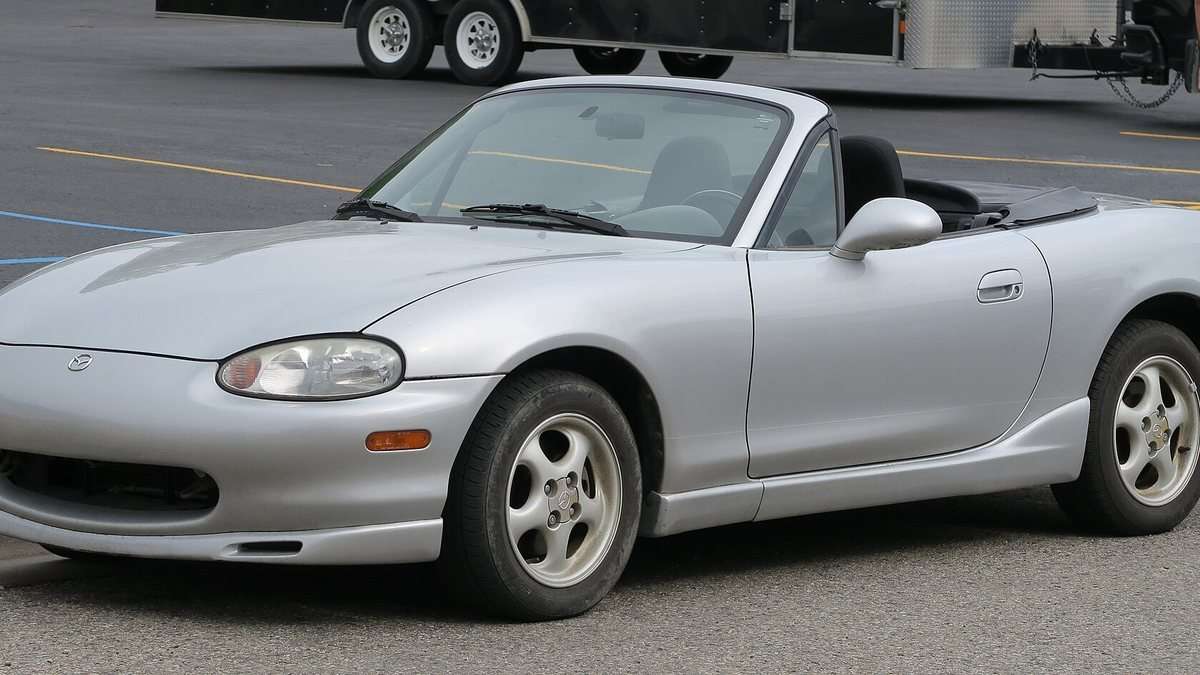
The Mazda MX-5 NB is the second generation of Mazda’s two-seat rear-wheel-drive roadster, produced from 1998 to 2005. Often called the Mk2 in Britain and the second-generation Miata in North America, it retained the original car’s compact proportions and double-wishbone suspension while adding a stiffer body, fixed headlamps and more mature equipment.
Quick answer: the NB uses 1.6- or 1.8-litre four-cylinder engines depending on market and year. A substantial 2001 update created the model enthusiasts often call Mk2.5 or NB2. The decisive buying issue is structural corrosion, especially inside the front chassis rails, rear sills and wheelarches.
From NA to NB
Mazda launched the second-generation Roadster in January 1998. The pop-up lamps disappeared, but the development objective remained Jinba Ittai: low mass, direct responses and a layout that placed the driver close to the car’s centre of motion.
The new body was more rigid and aerodynamically efficient, with a glass rear window available in the soft top. The familiar front-engine, rear-drive layout, double-wishbone suspension and powerplant frame linking gearbox and differential all continued.
Engines and transmissions
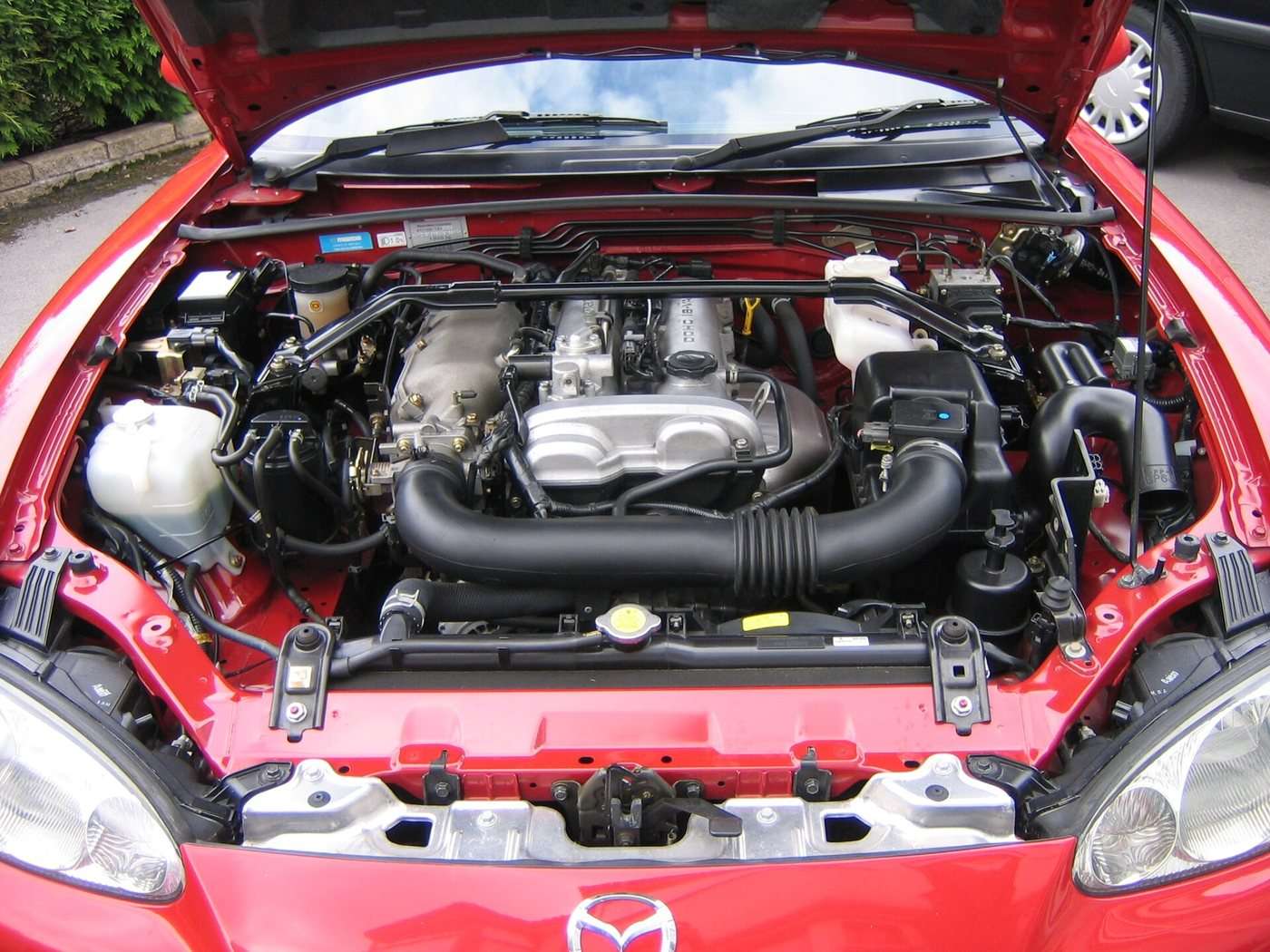
European buyers encountered 1.6- and 1.8-litre versions, while Japan and North America used different grades and output figures. The five-speed manual remained common, with a six-speed fitted to selected 1.8-litre and special-edition cars. Automatics exist, particularly among Japanese imports.
The 1.8 gained a variable-length intake system and later variable intake-valve timing in several markets. Specifications must therefore be tied to a year, market and chassis number rather than inferred from wheels or badges.
NB1, facelift and special editions
| Version | Common description | What to check |
|---|---|---|
| Early NB | 1998–2000, often called NB1 or Mk2 | Original nose and headlamp design; engine and equipment vary by market |
| Facelift NB | From 2001, often called NB2 or Mk2.5 | Revised front styling, lamps and cabin; some 1.8 models gained S-VT |
| Six-speed editions | Selected 1.8 and limited models | Confirm factory specification and differential rather than trusting badges |
| Mazdaspeed Roadster/Miata | Factory turbo in selected markets near the end of production | Not officially equivalent to an aftermarket turbo conversion |
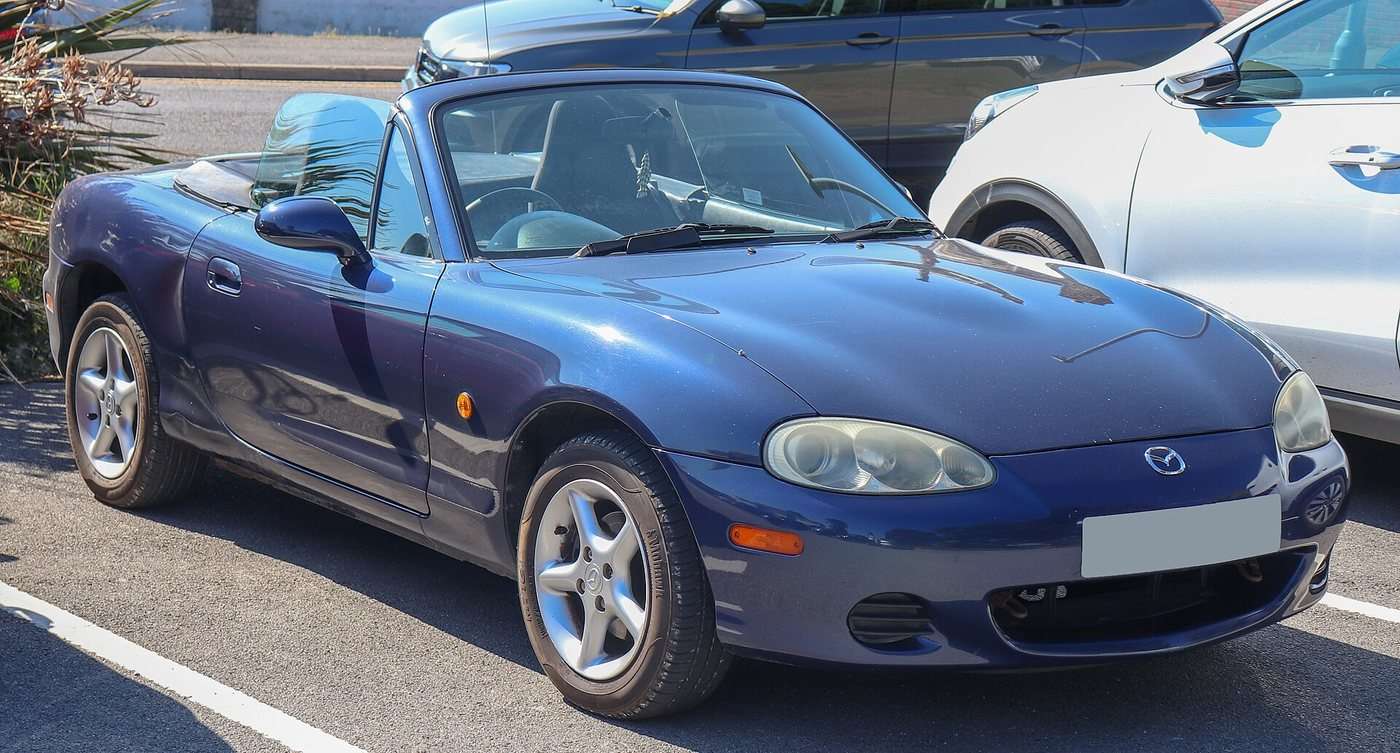
The 2001 facelift is easily recognised by its triple-element headlamps and more assertive front bumper. Mazda also revised seats, trim and chassis tuning. Numerous local special editions followed, so colour and equipment alone do not prove rarity.

Cabin and everyday use
The NB is still a small two-seater, but its cabin feels more substantial than the NA’s. The driving position, short gear lever and simple roof preserve the original appeal. Air conditioning, leather and additional audio equipment appeared on many editions without changing the basic roadster character.
Japanese-market cars are badged Roadster and may carry a mixture of factory, dealer and later-owner equipment. UK history, speedometer conversion and the precise limited-edition specification should be checked together.

Love cars you don’t see every day?
Get forgotten cars, surprising motoring stories and the most interesting finds from Unusual Cars by email.
Free to join. No spam. Unsubscribe whenever you like. See our privacy policy.
Mazda MX-5 NB buying guide
Front chassis rails
The multi-layer rails in the front engine bay can rust internally and may look acceptable from above. Inspect them from below with the undertray removed, concentrating around the anti-roll-bar mounts and areas distorted by poor jacking.
Sills, arches and drains
Blocked hood drains feed moisture into the rear sill structure. Examine rear wheelarches, sill seams, floors and previous welding. A neat outer-sill patch does not prove that the inner structure was repaired.
Roof, water ingress and cabin
Check the hood fabric, rear window, rain rail and drain tubes. Damp carpets can damage trim and hide floor corrosion. Make sure the roof folds evenly and that a hardtop, if supplied, fits correctly.
Engine, cooling and transmission
Look for regular oil and cambelt history, stable temperature and clean coolant. Test the gearbox cold and warm, listen for differential noise and check the clutch biting point. A noisy hydraulic tappet after a long rest should settle quickly.
Suspension and modifications
Tired dampers and bushes make an NB feel loose. Inspect alignment, tyre wear and every suspension arm, and treat badly fitted coilovers, oversized wheels or undocumented forced induction as reasons for a more detailed inspection.

Why the NB deserves its own guide
The NB is more than an NA without pop-up lamps. It refined Mazda’s roadster idea, introduced meaningful engine and structural changes and now presents a distinct preservation challenge because corrosion can be more serious than its outward condition suggests.
Research sources
- Mazda: MX-5 chronology and second-generation launch
- Mazda: Jinba Ittai engineering principles
- Goodwood: Mazda MX-5 NB buyer’s guide
- Classic & Sports Car: MX-5 Mk2 buyer’s guide
Continue the Mazda story
Explore the Rare & Performance Mazdas hub, then compare the MX-5 NA guide and the RX-7 FC guide.
Frequently asked questions
What does NB mean on a Mazda MX-5?
NB is the chassis-family designation for the second-generation MX-5 produced from 1998 to 2005.
What is the difference between an MX-5 Mk2 and Mk2.5?
Mk2 usually means the early NB, while Mk2.5 describes the 2001 facelift with revised lamps, bumpers, interior and market-dependent mechanical updates.
Did the MX-5 NB have 1.6 and 1.8-litre engines?
Yes. Engine availability and output varied by country and year, with selected 1.8 models also receiving six-speed gearboxes and variable valve timing.
Where does a Mazda MX-5 NB rust?
The priority areas are the double-skinned front chassis rails, rear sills, wheelarches, floors, jacking points and suspension mounts.
Is the Mazdaspeed MX-5 the same as a modified NB?
No. The Mazdaspeed Roadster or Miata was a factory turbocharged derivative for selected markets; an aftermarket conversion has a separate specification and history.