UNUSUAL CARS MODEL GUIDE
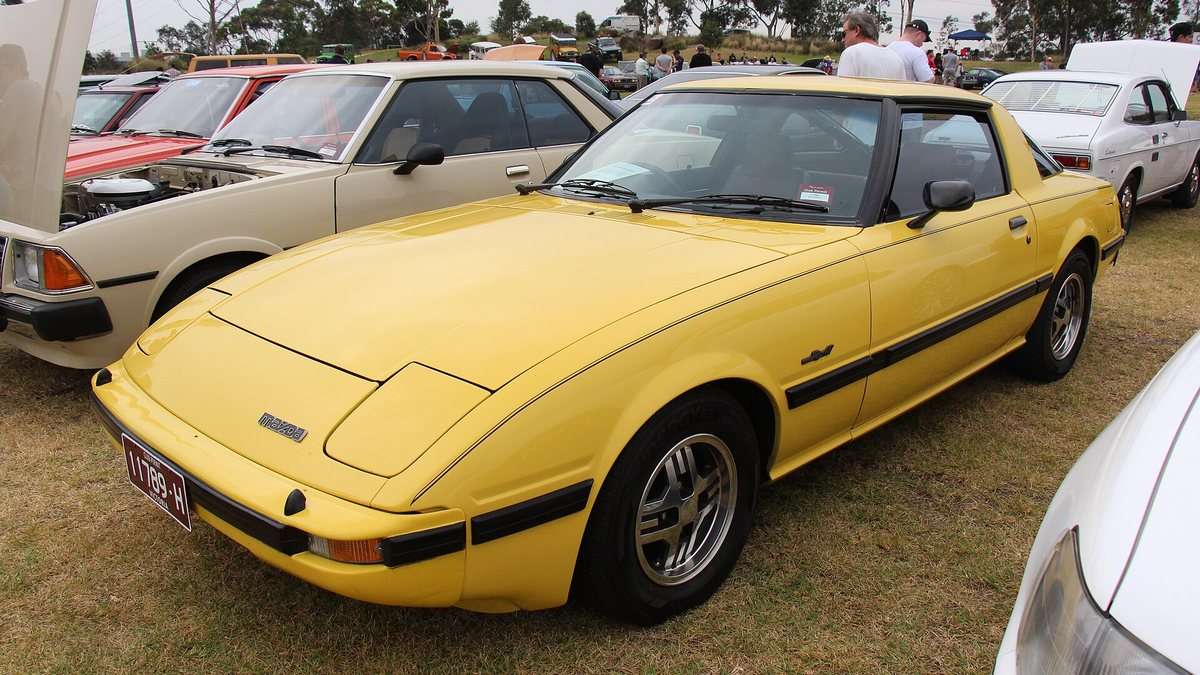
The first-generation Mazda RX-7 is the compact rotary sports coupé launched in Japan in March 1978. Known by the SA22C chassis code and often called FB after its later export-series designation, it placed a twin-rotor engine behind the front axle and used a large glass hatch, pop-up headlamps and rear-wheel drive.
Quick answer: early and most UK cars use Mazda’s carburetted 12A rotary. Later versions gained revised bodywork and equipment, while Japan received a 12A turbo and North America offered a fuel-injected 13B GSL-SE. The exact engine and brake specification therefore depends on market and model phase.
The sports car that made rotary power accessible
Mazda developed the original Savanna RX-7 under the theme “pursuit of driving pleasure”. Official history records a 12A twin-rotor engine mounted in a front-midship position, giving the car stable handling and a low nose that a conventional piston engine would have made harder to achieve.
The RX-7 arrived during a difficult period for sports cars. Emissions and fuel-economy pressures had weakened many earlier coupés, but Mazda used the rotary’s compact size to combine useful luggage space with distinctive proportions and moderate weight.

SA22C, FB and the model phases
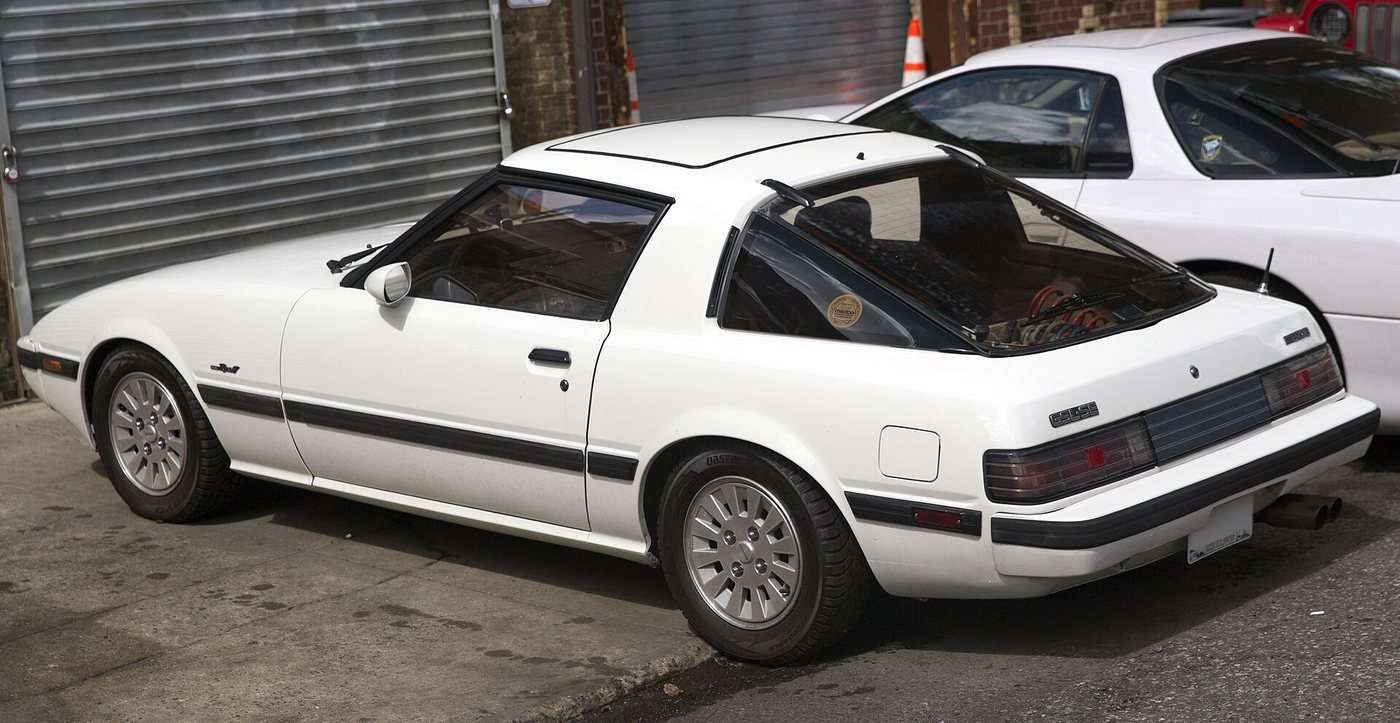
SA22C is Mazda’s chassis designation for the first generation. Enthusiasts often use SA for the earliest cars and FB for the 1981-onward update, particularly in export markets. The later cars gained more integrated bumpers, revised rear lamps, interior changes and continuing mechanical development.
| Phase or version | Key distinction |
|---|---|
| Early SA | 1978 launch appearance, 12A rotary and simpler bumpers and trim |
| Later FB/Series 2–3 | More integrated bumpers, revised lamps, interior and market-dependent chassis changes |
| Japanese 12A Turbo | Japan-only turbocharged first-generation derivative introduced late in the model cycle |
| North American GSL-SE | Late fuel-injected 13B model with market-specific equipment |
These labels are convenient but not universal. A British car’s registration year does not on its own establish its phase, and an imported car may combine market-specific lamps, trim and emissions hardware.

12A rotary engine and front-midship layout
The 12A uses two triangular rotors rather than pistons. Its compact dimensions allowed Mazda to place it low and behind the front axle line, helping weight distribution and steering response. Mazda quoted 130PS gross for the Japanese launch car, but later net figures and export outputs are not directly comparable.
The gearbox sits close behind the engine and drives a conventional rear axle. Many export specifications used a five-speed manual, while brake, differential and automatic-transmission availability varied. The important point is to identify the car in front of you rather than apply one internet specification to every market.

Motorsport and lasting reputation
The RX-7 quickly proved more than an unusual road car. Mazda records overall victory for an RX-7 at the 1981 Spa 24 Hours and 100 wins in the American IMSA series by 1990. Competition success helped establish the RX-7 name long before the more powerful FC and FD generations arrived.
Its character is different from later turbocharged RX-7s. Performance comes from low mass, responsive steering and a smooth engine that rewards revs, not from modern levels of torque.
Love cars you don’t see every day?
Get forgotten cars, surprising motoring stories and the most interesting finds from Unusual Cars by email.
Free to join. No spam. Unsubscribe whenever you like. See our privacy policy.
First-generation Mazda RX-7 buying guide
Start with the structure
Inspect the A-posts, sills, floors, front chassis legs, rear arches, spare-wheel well and the strengthening around rear suspension mounts. Trim can trap moisture, while fresh paint or underseal may hide welding.
Rotary compression and hot starting
Arrange a warm rotary-specific compression test and compare all faces of both rotors. Slow hot starting, uneven readings, coolant loss or persistent smoke need specialist diagnosis. A conventional piston-engine test is not enough.
Carburettor, ignition and oil system
Check cold and hot idle, throttle response and vacuum hoses. Inspect ignition leads, plugs, oil cooler and its pipes, metering-oil system and front and rear engine seals. Oil consumption is part of rotary operation, but leaks and neglected level checks are not.
Gearbox, axle and brakes
Test synchromesh, clutch operation and differential noise. Confirm the brake specification appropriate to the market, then check calipers, pipes, master cylinder and handbrake. Long storage can be as damaging as high mileage.
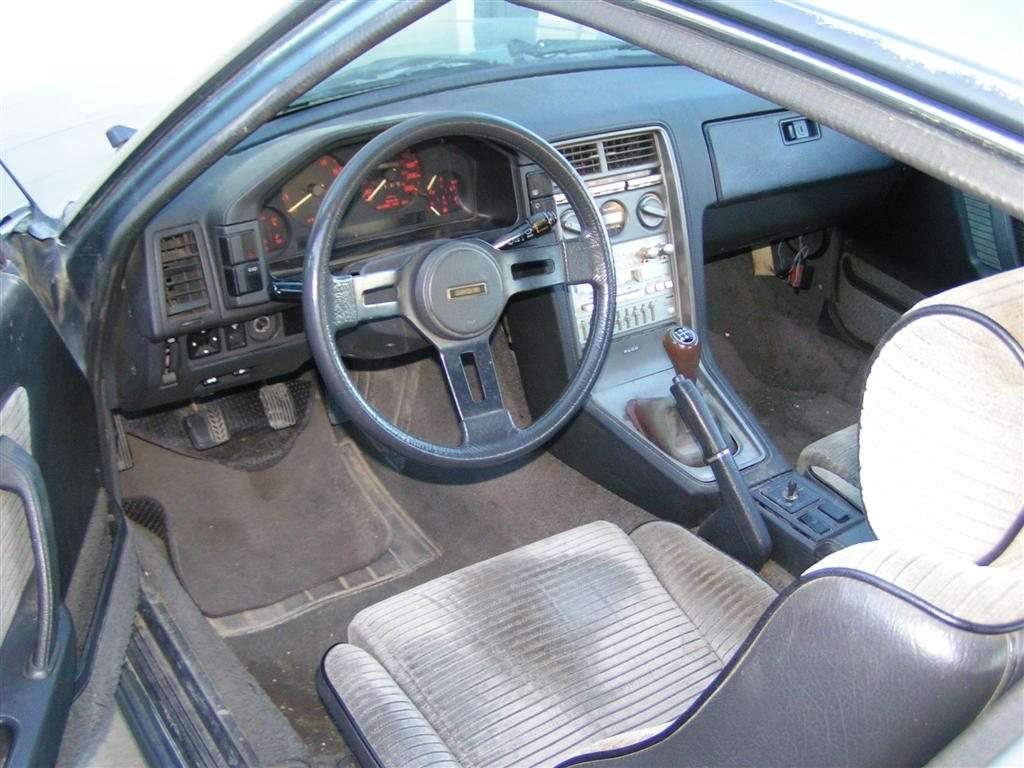
Trim and originality
Interior plastics, lamps, mouldings and phase-specific details are increasingly scarce. Confirm chassis identity, engine type and import history before valuing a car as a rare derivative.
Why the first RX-7 matters
The original RX-7 turned Mazda’s rotary commitment into a genuinely popular sports car. Its importance lies not just in beginning a famous model line, but in showing that unusual engine architecture could support an affordable, practical and successful coupé.
Research sources
- Mazda: first-generation Savanna RX-7 launch history
- Mazda: Savanna and early RX-7 history
- Mazda: RX-7 motorsport and turbo chronology
- Classic & Sports Car: Mazda RX-7 buyer’s guide
- Classics World: first-generation RX-7 buying guide
Continue the Mazda story
Explore the Rare & Performance Mazdas hub, then compare the RX-7 FC guide and the RX-7 FD guide.
Frequently asked questions
What is an SA or FB Mazda RX-7?
Both names refer to the first RX-7 generation. SA22C is the chassis designation, while FB is commonly used for the later export-series update.
What engine is in the first-generation RX-7?
Most use Mazda’s twin-rotor 12A. Japan also received a 12A turbo and North America offered a late fuel-injected 13B GSL-SE.
Was the first RX-7 turbocharged?
Most were naturally aspirated. A factory 12A Turbo was sold in Japan late in the model cycle but was not the standard export specification.
How should rotary compression be tested?
The engine should be warm and tested with rotary-specific equipment or results that identify the compression of each rotor face and correct for cranking speed.
Where does a first-generation RX-7 rust?
Check A-posts, sills, floors, chassis legs, rear arches, the spare-wheel well and the structure around suspension mounts.