UNUSUAL CARS MODEL GUIDE
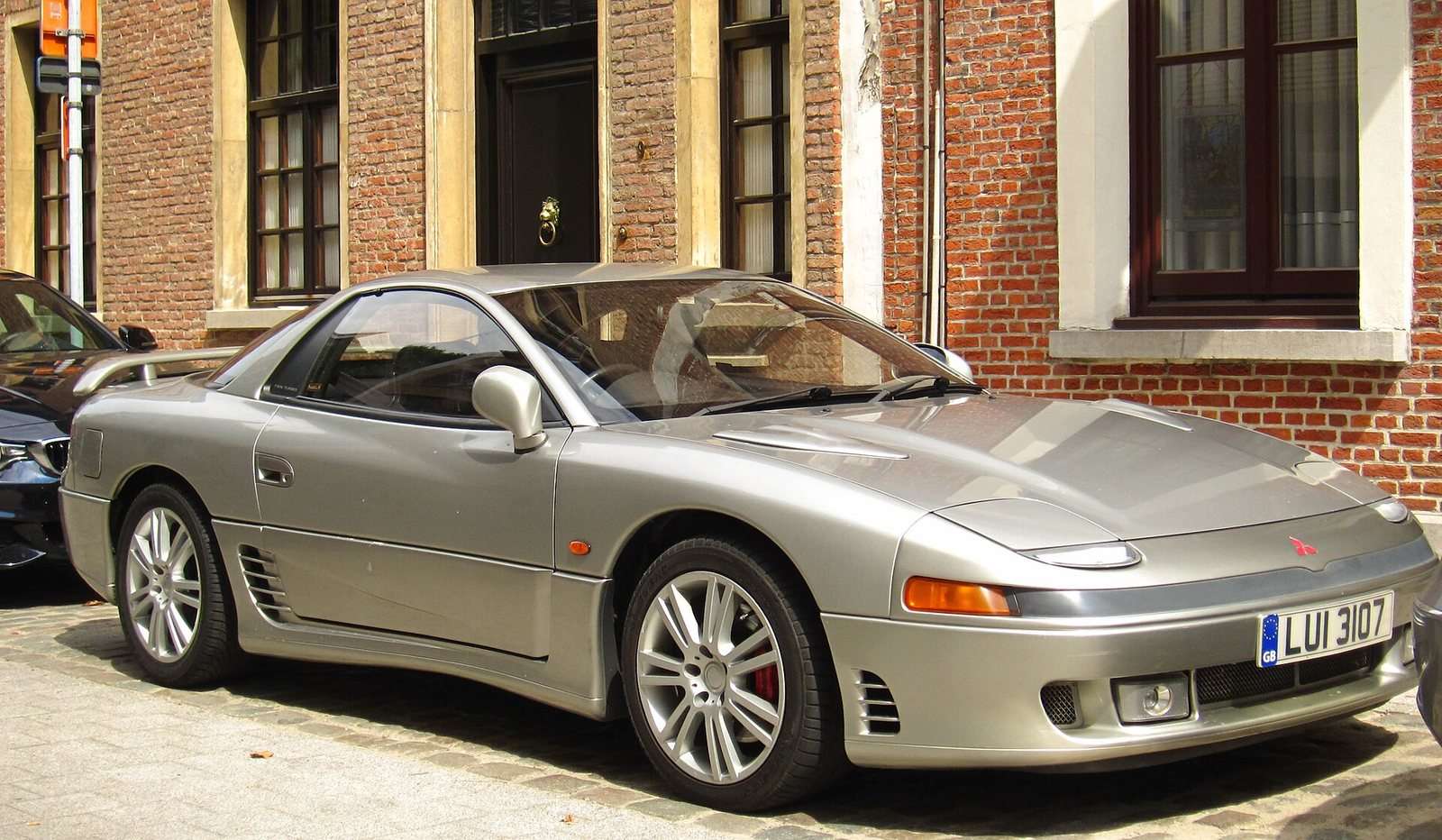
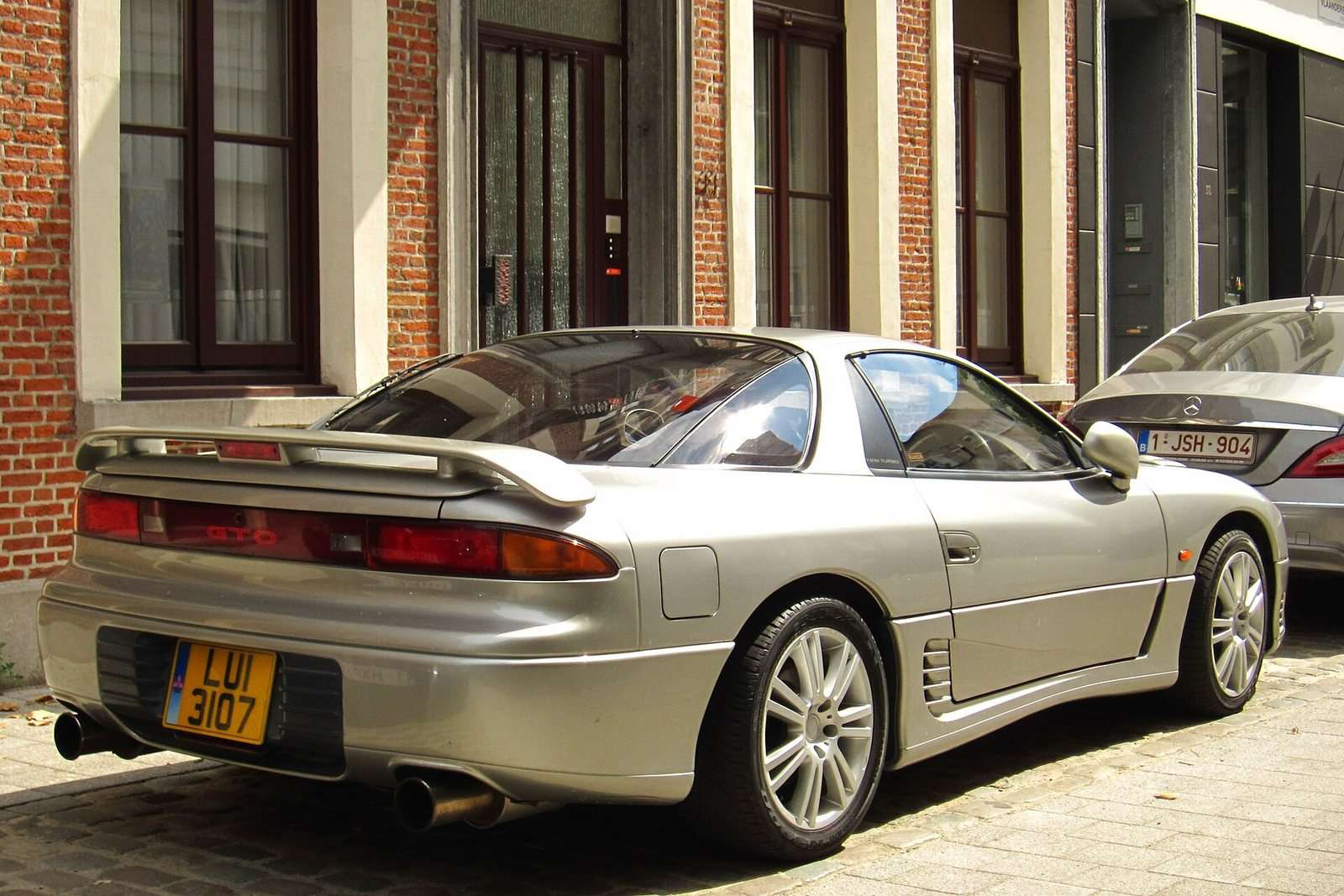
The Mitsubishi GTO, sold as the 3000GT in Britain and North America, was Mitsubishi’s technology-led flagship coupé of the 1990s. Launched in Japan in October 1990, its most ambitious form combined a 3.0-litre twin-turbo V6 with full-time four-wheel drive, four-wheel steering, electronically controlled suspension and active aerodynamics.
Quick answer: the GTO and 3000GT are versions of the same Z15A/Z16A model family, but specifications vary substantially by market. Japanese GTOs included naturally aspirated and twin-turbo cars, while the officially imported UK 3000GT was the high-performance twin-turbo manual. Identity, maintenance history and the condition of its densely packaged drivetrain matter more than appearance alone.
Why Mitsubishi created the GTO
The GTO succeeded the Starion as Mitsubishi’s flagship performance car at a time when Japanese manufacturers were demonstrating that speed, refinement and advanced electronics could coexist. Mitsubishi described it as a new-age four-wheel-drive sports car rather than a simple rear-drive coupé.
Its broad body, low nose and substantial cabin made it a grand tourer as much as an outright sports car. In Japan the historic GTO badge returned; export markets generally used 3000GT, while Chrysler sold the closely related Dodge Stealth in North America.
Engine, four-wheel drive and active systems
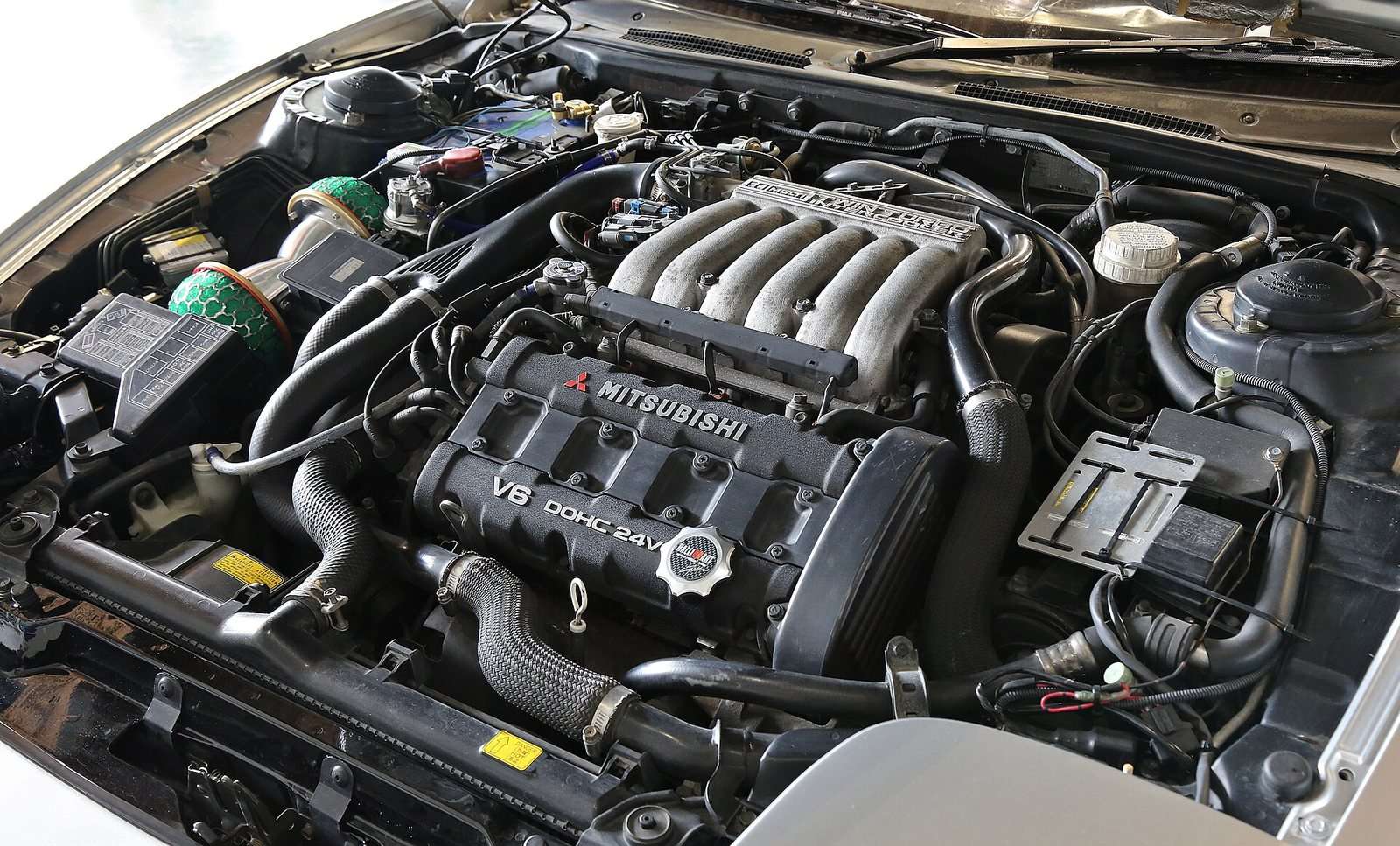
The central engine was Mitsubishi’s 2,972cc 6G72 V6. Naturally aspirated versions were offered in several markets, but the defining model used twin turbochargers and intercoolers. Mitsubishi quoted 280PS for the Japanese twin-turbo car under the period’s voluntary power convention. UK-market 3000GTs were rated at approximately 286PS.
The twin-turbo driveline used a viscous-coupling centre differential with a nominal 45:55 front-to-rear torque split. Four-wheel steering turned the rear wheels in the same direction as the fronts at medium and high speeds. Early flagship cars also used electronically controlled dampers, a switchable exhaust and active front and rear aerodynamic elements.
| Item | GTO and 3000GT overview |
|---|---|
| Production era | 1990–2000, varying by market |
| Engine family | 2,972cc 6G72 V6 |
| Key versions | Naturally aspirated; twin-turbo; export 3000GT; Dodge Stealth |
| Transmissions | Five- or six-speed manual; automatic on selected non-turbo versions |
| Flagship drivetrain | Full-time four-wheel drive and four-wheel steering |
| Japanese twin-turbo output | 280PS official period figure |
GTO, 3000GT and Dodge Stealth differences
The Japanese GTO range was broader than the British 3000GT offering. A Japanese badge does not automatically mean twin turbos or four-wheel drive, and an automatic GTO is not equivalent to the official UK flagship specification. Chassis codes, engine details and import paperwork are therefore essential.
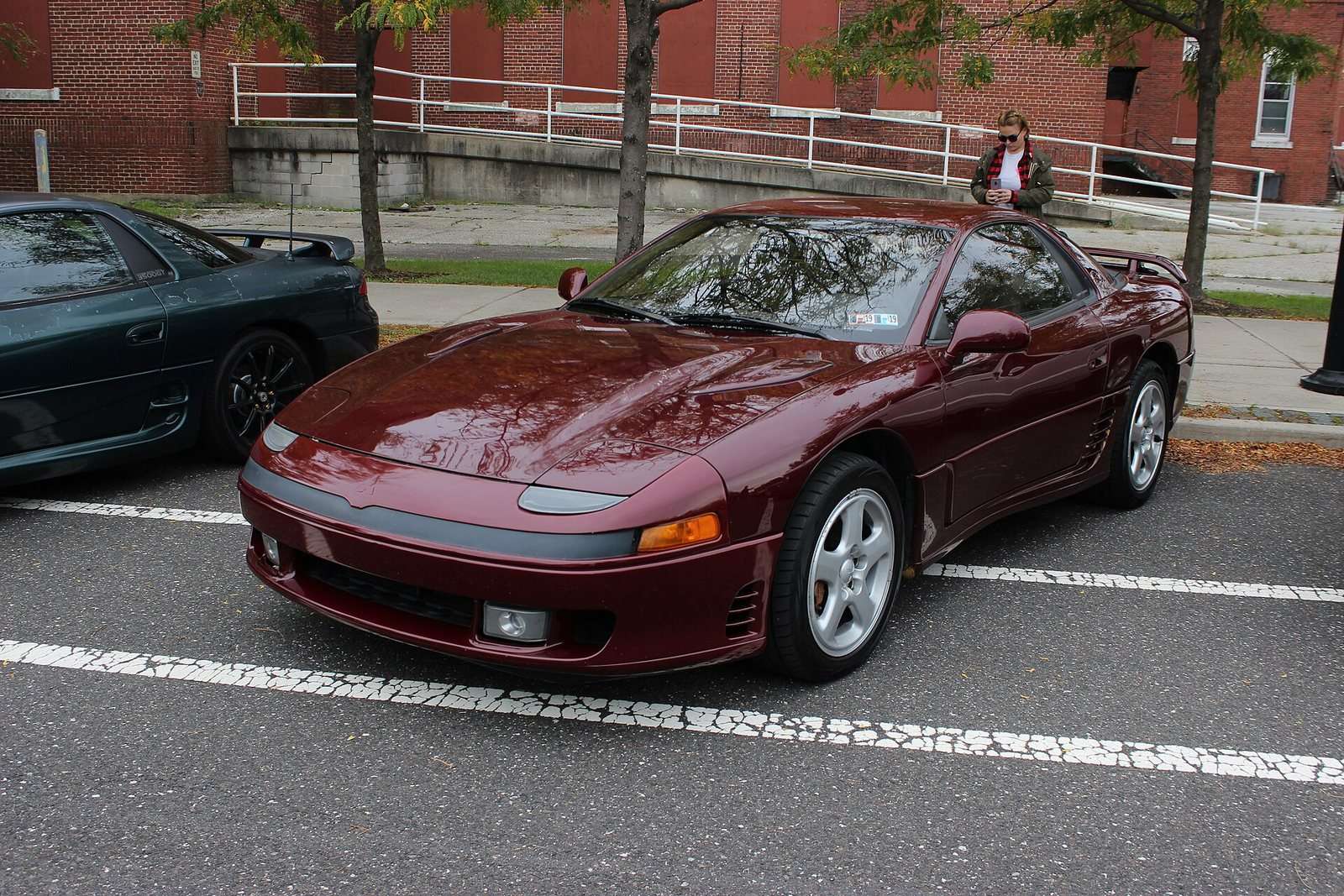
The Dodge Stealth shared the platform and much of its engineering but used distinct body panels and trim. North American 3000GTs were sold in base, SL and VR-4 forms, with front-wheel-drive naturally aspirated cars below the four-wheel-drive twin-turbo VR-4.
Facelifts and model evolution
Early cars are recognised by pop-up headlamps and the fullest suite of active equipment. A major update replaced those lights with fixed projector units and brought a six-speed Getrag gearbox to the twin-turbo model. Later revisions altered bumpers and rear spoilers while some of the costly active systems were progressively removed.
That evolution creates a genuine choice. Early cars provide the strongest period-technology story, while later cars can be simpler in selected areas and offer the revised styling. Specification should be confirmed from the individual car because market and year changes do not align perfectly worldwide.
Driving character and significance
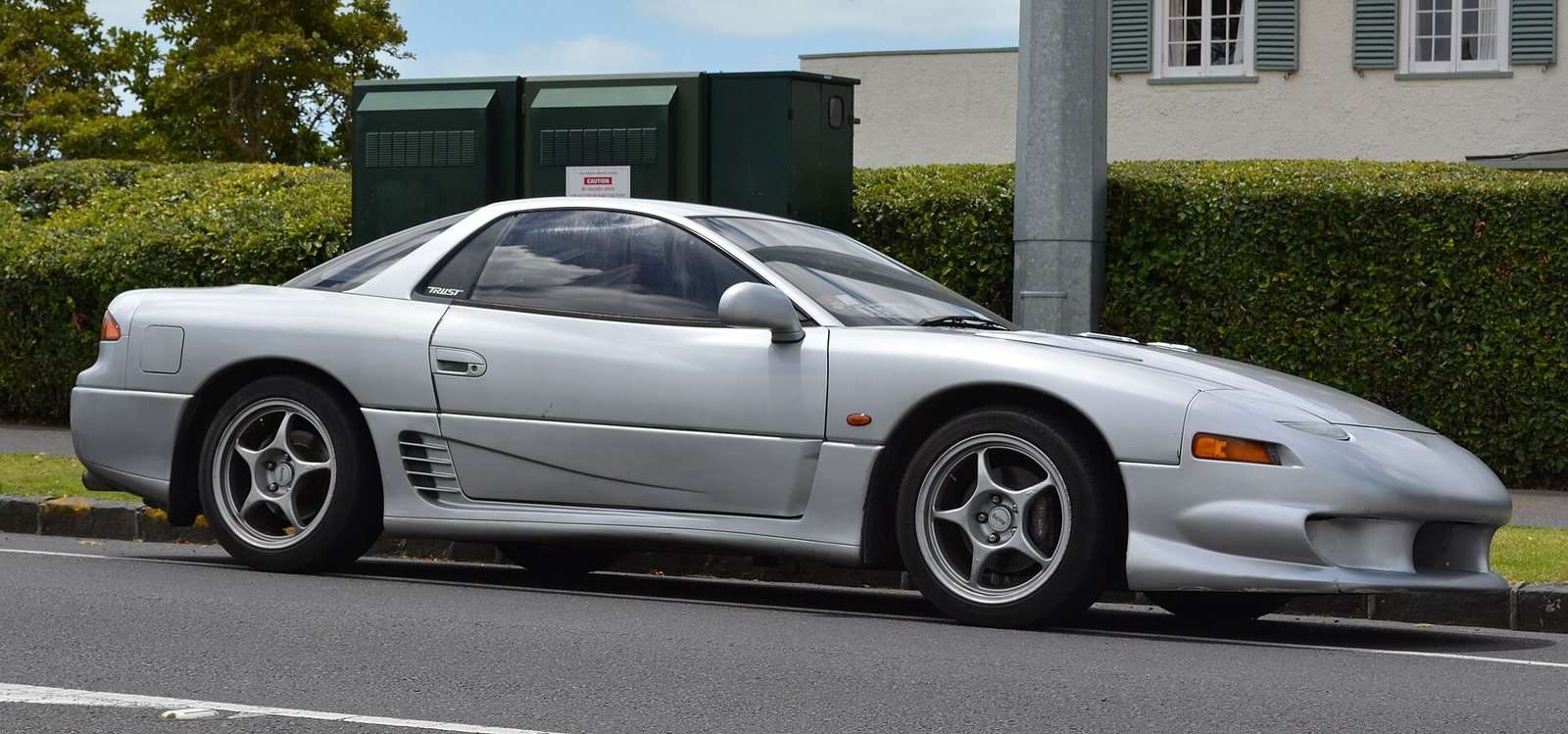
The GTO was never intended to be a lightweight rival to a small sports car. Its identity comes from high-speed stability, traction, equipment and effortless cross-country performance. The weight and complexity that attracted criticism when new are also what make it such a distinctive document of early-1990s engineering ambition.
Love cars you don’t see every day?
Get forgotten cars, surprising motoring stories and the most interesting finds from Unusual Cars by email.
Free to join. No spam. Unsubscribe whenever you like. See our privacy policy.
Mitsubishi GTO and 3000GT buying guide
Identity and specification
Check the chassis code, import or UK-market documentation, gearbox and engine specification. Do not value a naturally aspirated GTO as a twin-turbo car, or an imported GTO as a rare official UK 3000GT, without evidence.
Engine and turbochargers
Demand proof of timing-belt, tensioner and water-pump replacement. Start from cold and investigate smoke, unstable idle, coolant loss, low oil pressure or oil within intake pipework. Access is restricted, so apparently minor leaks can involve significant labour.
Gearbox, transfer case and steering
Second-gear synchromesh wear is a recognised concern. Listen for transfer-case or differential noise and check for leaks. Confirm that four-wheel steering remains connected and operates correctly rather than assuming warning lights have simply been removed.
Active equipment and brakes
Test the electronic damper modes, active aerodynamic system, climate control, electric seats and every instrument. Flashing suspension lights can indicate sensor or wiring faults. Heavy cars require healthy brakes, matched tyres and correct geometry.
Body and trim
Inspect sills, floor, suspension mountings, rear arches, boot and accident-repair areas. Check that pop-up lamps or projector units, spoilers, glass, weather seals and model-specific trim are complete.
Frequently asked questions
Are the Mitsubishi GTO and 3000GT the same car?
They belong to the same model family. GTO was the Japanese name and 3000GT was used in export markets, but engines, drivetrains and equipment differ by market and grade.
Is every Mitsubishi GTO twin-turbo?
No. Japanese buyers could choose naturally aspirated versions as well as the twin-turbo flagship, so the engine and chassis details must be checked.
Does the 3000GT have four-wheel steering?
The flagship twin-turbo four-wheel-drive versions used four-wheel steering, but not every market version carried the complete system.
What changed when the pop-up headlights disappeared?
The major facelift brought fixed projector headlamps and a six-speed manual gearbox for the twin-turbo model, together with styling and equipment revisions.
What is the biggest buying risk?
A neglected, incorrectly identified or heavily modified car can combine several expensive faults. Proven maintenance of the engine, gearbox, transfer case and active systems is crucial.
Research sources
- Mitsubishi Motors car-history archive
- Mitsubishi Motors Japanese heritage archive
- Autocar Mitsubishi 3000GT buying guide
- Hagerty 3000GT model history
Continue the Mitsubishi story
Explore the Rare & Performance Mitsubishis hub, step back to the rear-wheel-drive Mitsubishi Starion Turbo, or discover the compact Colt Ralliart Version-R and CZT.