UNUSUAL CARS MODEL GUIDE
The Mitsubishi Starion was an unusually serious Japanese turbo coupé for the early 1980s: front-engined, rear-wheel drive, fuel injected and developed through several narrow- and wide-body forms. Launched in 1982, it predated Mitsubishi’s better-known Evolution dynasty and helped establish the company’s turbocharged performance identity.
Quick answer: the Starion was produced from 1982 to 1989 with turbocharged 2.0-litre or 2.6-litre four-cylinder engines depending on year and market. Its appeal lies in its sharp wedge styling, rear-wheel-drive chassis and period technology, but corrosion, heat-damaged trim, neglected turbo systems and scarce model-specific parts make condition crucial.
Origins of the Mitsubishi Starion
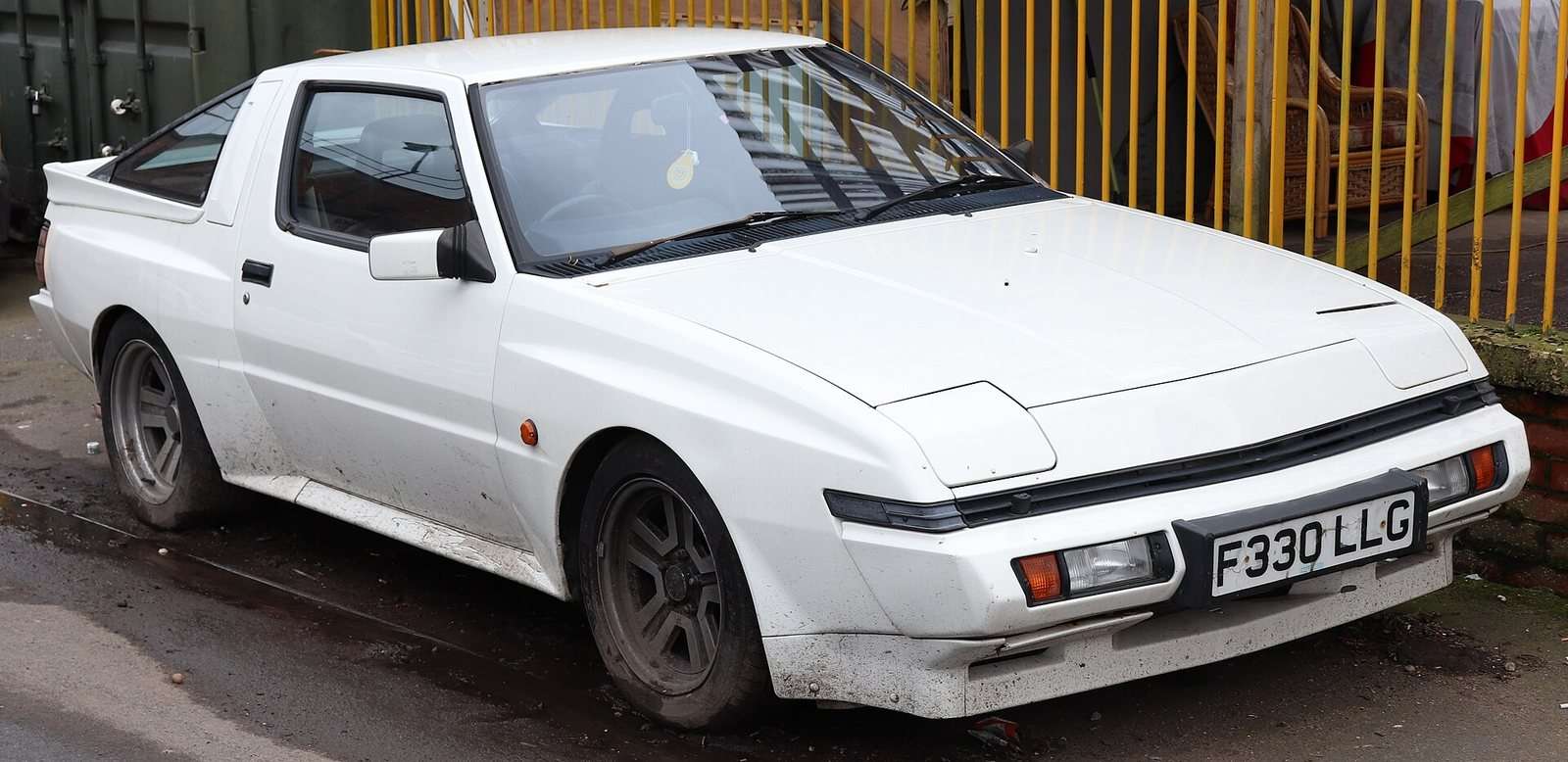
Mitsubishi describes the Starion as its fourth dedicated sports model after the Galant GTO, Galant FTO and Lancer Celeste. It arrived in May 1982 with a sloping nose, pop-up headlamps, a short tail and large doors that gave the body a clean, technical appearance.
Unlike many later Mitsubishi performance cars, the Starion used a conventional front-engine, rear-wheel-drive layout. The chassis incorporated four-wheel ventilated disc brakes and independent rear suspension, giving it the hardware of a genuine grand-touring coupé rather than a sporting version of an economy car.

Engines and development
Early Japanese and European Starions used Mitsubishi’s 2.0-litre Sirius turbo engine. Mitsubishi’s heritage archive records a 175PS intercooled version in 1983 and a 200PS version in 1984. Some Japanese models used the unusual Sirius DASH cylinder head, which brought an additional intake valve into operation at higher engine speeds.
North American cars generally used the larger 2.6-litre G54B turbo engine and were also sold as Dodge, Plymouth and Chrysler Conquests. Wide-body Starions with pronounced wheelarch extensions appeared during the second half of the decade. A 2.6-litre version joined the Japanese range in 1988, and late European cars also adopted the larger engine.
| Item | Starion overview |
|---|---|
| Production | 1982–1989 |
| Layout | Front engine, rear-wheel drive |
| Principal engines | 2.0-litre G63B turbo; 2.6-litre G54B turbo |
| Gearboxes | Five-speed manual or four-speed automatic |
| Body styles | Narrow body and later wide body |
| North American relatives | Dodge, Plymouth and Chrysler Conquest |

Narrow body versus wide body
The earliest Starions have relatively restrained bodywork and a narrow track. Later wide-body cars add boxed wheelarch extensions, wider wheels, deeper spoilers and a more dramatic stance. The wide body is the image most enthusiasts associate with the model, but early narrow cars are historically important and increasingly scarce.
Engine size does not map perfectly to body shape in every market. A 2.0-litre wide-body car and a 2.6-litre narrow-body assumption can both be wrong depending on country and year. The chassis plate, engine number and market-specific sales literature should settle identification.

Cabin and period technology
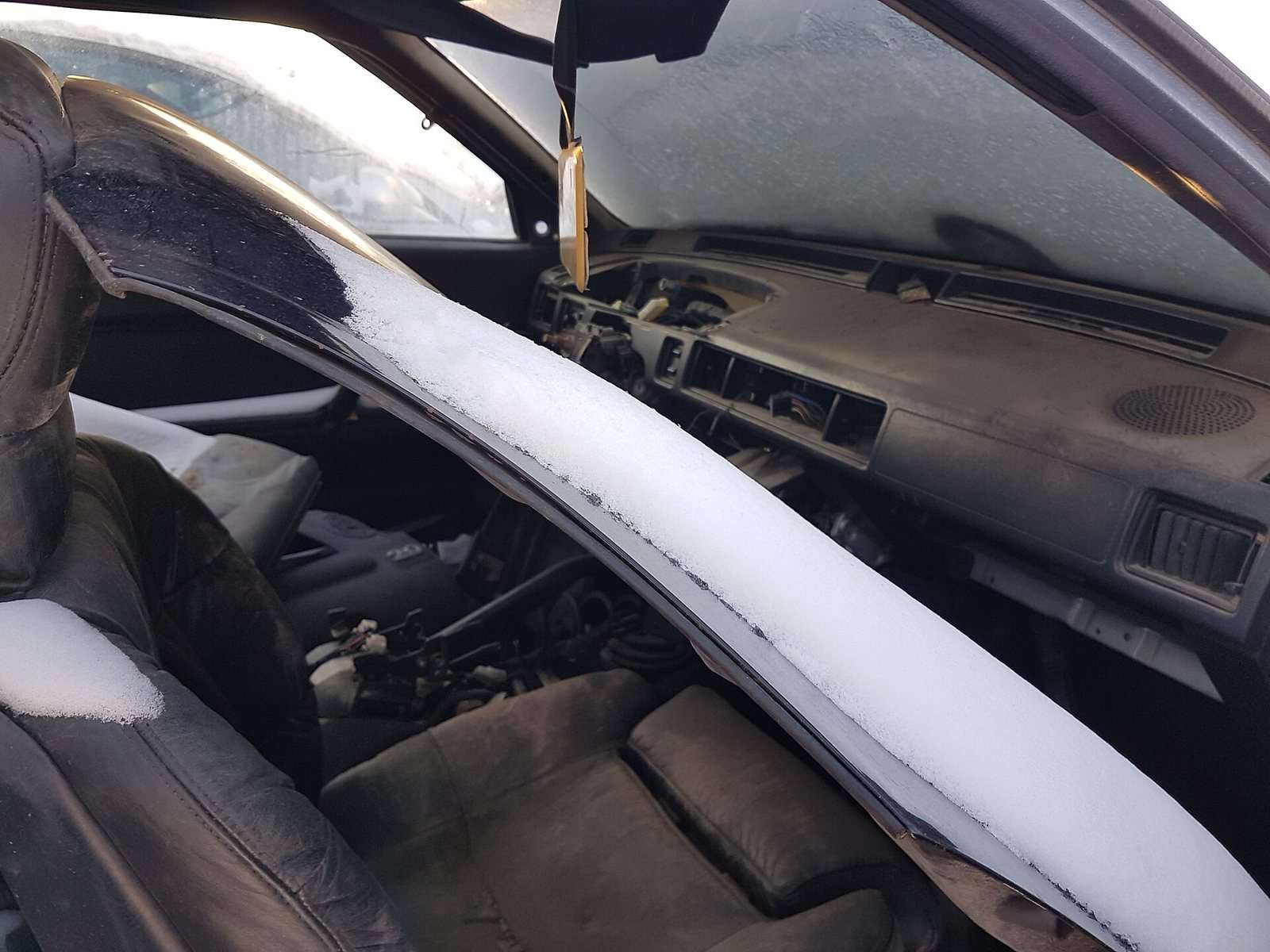
The Starion’s interior is as distinctly 1980s as its exterior. A deep instrument binnacle, graphic switchgear, heavily shaped seats and model-dependent digital equipment give it a cockpit-like atmosphere. Some cars were generously equipped with climate control, power accessories and adjustable seats.
Survival of the interior is important because dashboards, switch packs, seat fabrics and exterior trim can be much harder to replace than routine mechanical parts. UV damage, water leaks and poorly installed audio equipment deserve careful attention.
Competition history and the 4WD prototype
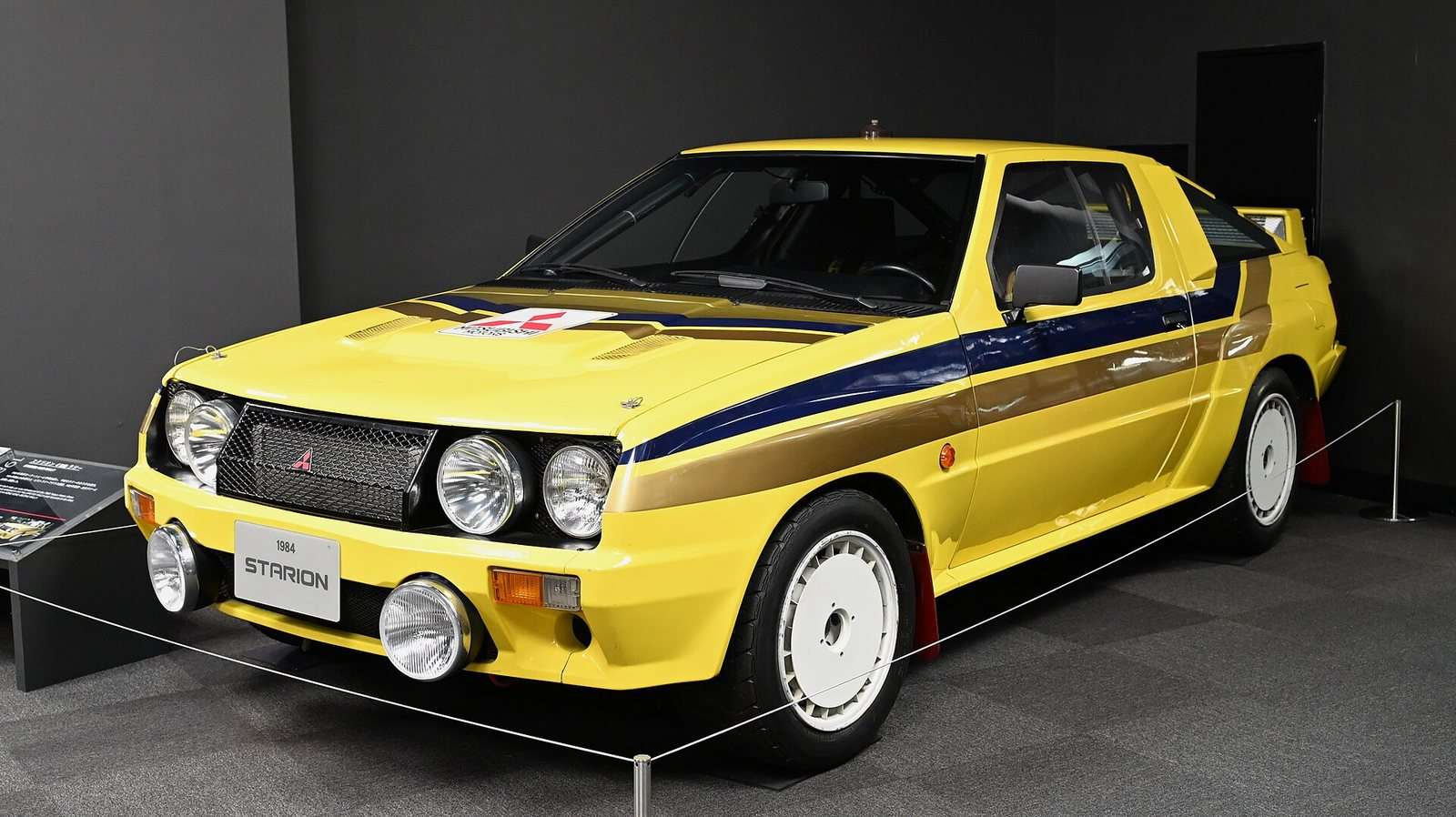
The Starion competed in touring-car racing, endurance events and rallying. Mitsubishi also developed a dramatic four-wheel-drive rally prototype intended for Group B. The prototype’s enlarged arches and competition hardware made it visually memorable, but it did not reach the same competitive programme as the later Galant VR-4 and Lancer Evolution.
That history matters because it places the Starion at the beginning of a technical line. Mitsubishi was already combining turbocharging, electronic fuel injection and competition development before the company became synonymous with four-wheel-drive rally saloons.
Love cars you don’t see every day?
Get forgotten cars, surprising motoring stories and the most interesting finds from Unusual Cars by email.
Free to join. No spam. Unsubscribe whenever you like. See our privacy policy.
Mitsubishi Starion buying guide
Body and corrosion
Inspect sills, floor, chassis rails, wheelarches, suspension mounting points, hatch aperture, scuttle and windscreen surrounds. Wide-body panels and spoilers can conceal repairs. Check drainage paths and look beneath carpets for evidence of persistent leaks.
Engine, injection and turbo
A cold start should be prompt and smoke-free. Check oil pressure, coolant condition, turbo hoses, boost control and evidence of overheating. Vacuum leaks and ageing sensors can create poor running that owners try to mask with unnecessary modifications.
Transmission and differential
The manual gearbox should not crunch or jump out of gear. Listen for differential whine and driveline clunks. Automatics need prompt engagement and clean changes. Verify that a limited-slip differential, where claimed, belongs to the car’s actual specification.
Suspension, steering and brakes
Worn dampers and bushes undermine the Starion’s grand-touring character. Check power steering operation, wheel bearings and seized brake calipers. Correct wheels and tyre sizes matter because unusual offsets can cause rubbing and poor geometry.
Trim and originality
Model-specific lamps, spoilers, badges, dashboard components and upholstery can be scarce. A complete car with a tired engine is often easier to restore than a mechanically sound car missing irreplaceable trim.
Frequently asked questions
Is the Mitsubishi Starion rear-wheel drive?
Yes. The Starion has a front-mounted engine and rear-wheel drive, unlike the four-wheel-drive Lancer Evolutions that later defined Mitsubishi performance.
What engines were fitted to the Starion?
Depending on market and year, the Starion used a turbocharged 2.0-litre G63B or 2.6-litre G54B four-cylinder engine.
What is the difference between narrow- and wide-body Starions?
Wide-body cars have pronounced wheelarch extensions, wider wheels and more aggressive spoilers. Engine and trim combinations still vary by market, so body shape alone does not prove specification.
Is a Chrysler Conquest the same car?
The North American Conquest was a closely related badge-engineered version sold under Dodge, Plymouth and later Chrysler branding, usually with the 2.6-litre turbo engine.
What is the main Starion buying risk?
Structural corrosion and missing model-specific trim are the largest risks, followed by neglected cooling, injection and turbocharger systems.
Research sources
- Mitsubishi Motors: Starion history and representative specifications
- Mitsubishi Motors company and engine history
- Honest John Classics: Mitsubishi Starion overview
- Autocar archive: Starion 2.6 Turbo road test
Continue the Mitsubishi story
Explore the Rare & Performance Mitsubishis hub, follow Mitsubishi’s rally lineage through the Lancer Evolution VI, or discover the Dakar-derived Pajero Evolution.