UNUSUAL CARS MODEL GUIDE
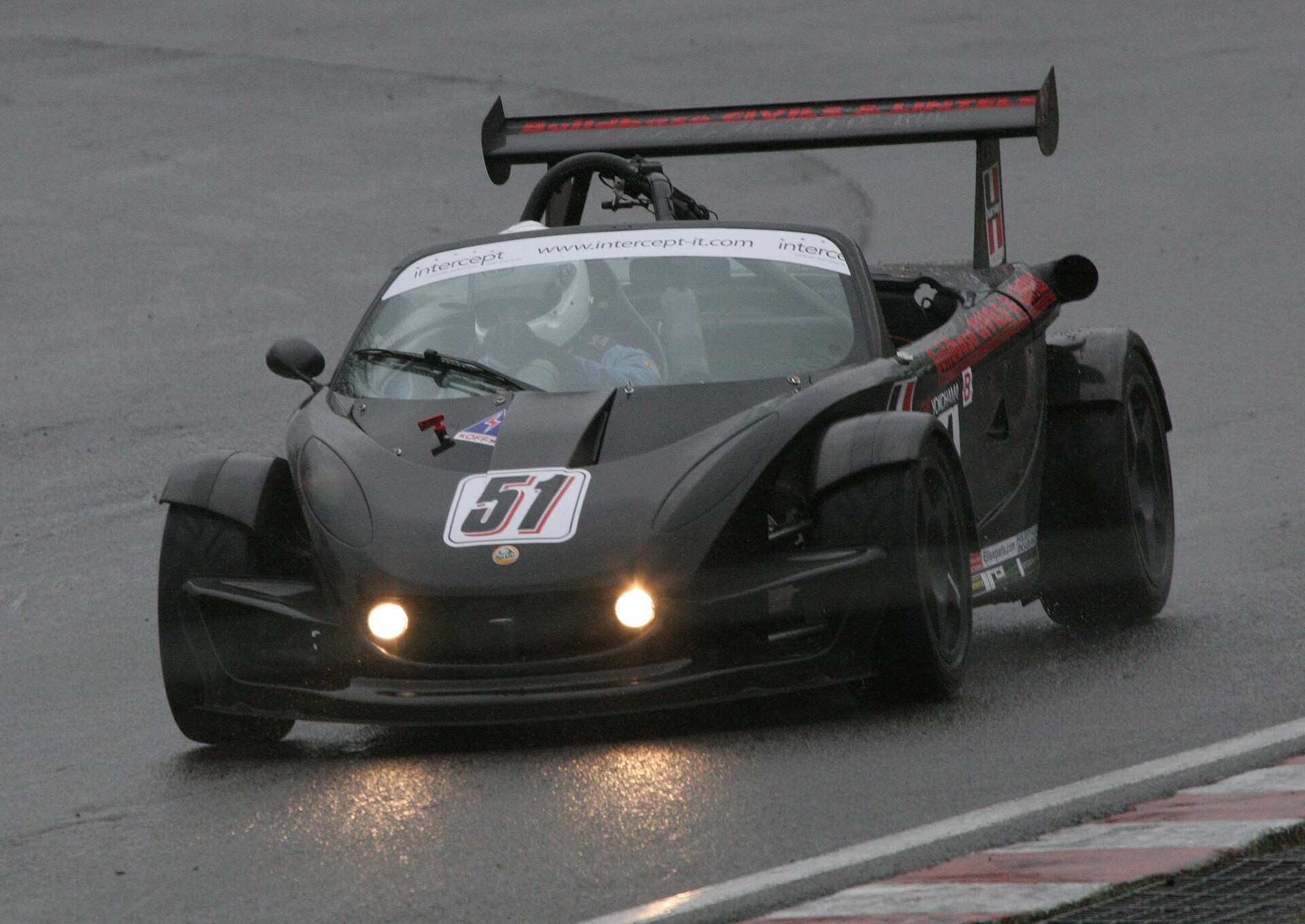
The Lotus 340R was the open, roofless and doorless Type 111 derivative produced in 2000 as a limited run of 340 cars. Developed from the Elise aluminium chassis, it combined a 1,796 cc Rover K-series VVC engine with exposed wheels, composite bodywork and a quoted weight of 601 kg.
Quick answer: the standard car produced 177 bhp, while the track-only upgrade raised output to about 190 bhp. Originality and condition matter enormously: check the bonded chassis, unique body panels, correct wheels and dampers, K-series cooling history and evidence of track damage before treating low mileage as an advantage.
From Birmingham concept to 340-car production run
Lotus revealed the concept at the 1998 Birmingham International Motor Show. Russell Carr’s design used minimal glass-reinforced composite panels around an exposed Elise-derived structure, with a Formula One-inspired nose and prominent air exits. Demand persuaded Lotus to produce 340 numbered cars, all built for the 2000 model year.

The official name was Lotus Elise 340R. The number referred both to the planned production total and, with the optional 190 bhp specification, a power-to-weight target of roughly 340 bhp per tonne.
Engine, chassis and performance
The standard 340R used the 1.8-litre Rover K-series VVC four-cylinder, quoted by Lotus at 177 bhp. Drive went through a five-speed manual gearbox. The extruded aluminium chassis, bonded rather than welded, followed the Elise principle but carried unique bodywork, suspension tuning and track-focused equipment.
| Specification | Standard 340R | Track-only option |
|---|---|---|
| Engine | 1,796 cc Rover K-series VVC | 1,796 cc K-series with performance upgrade |
| Power | 177 bhp | About 190 bhp |
| Transmission | Five-speed manual | Five-speed manual |
| Quoted weight | 601 kg | 601 kg before optional track equipment differences |
| Production | 340 cars in 2000 | |
What makes the 340R different from an Elise?
The mechanical relationship is close, but the experience is not. There is no production roof, almost no weather protection and little bodywork outside the central structure. The bespoke wheels, Yokohama tyres, suspension settings, composite panels and interior details are important parts of the car’s identity and expensive to recreate.

Love cars you don’t see every day?
Get forgotten cars, surprising motoring stories and the most interesting finds from Unusual Cars by email.
Free to join. No spam. Unsubscribe whenever you like. See our privacy policy.
Chassis and accident inspection
A Lotus specialist should inspect the bonded aluminium tub, front crash structure, rear subframe, suspension pick-ups and undertrays. Bent or badly repaired aluminium extrusions are not treated like a conventional steel monocoque. Track use is expected, but kerb strikes, spins and off-track excursions can damage wheels, wishbones, dampers and alignment.

Check each unique composite panel for cracks, poor repair and missing fasteners. Replacement parts are scarce, and cosmetic damage around the exposed wheelarches can conceal greater suspension or chassis problems.
K-series engine and cooling system
Demand evidence of correct coolant, stable temperature and a properly maintained cooling system. Inspect the radiator, hoses, pressure cap and signs of previous head-gasket work. A careful warm-up and cool-down routine matters on cars that have spent much of their lives on circuit.
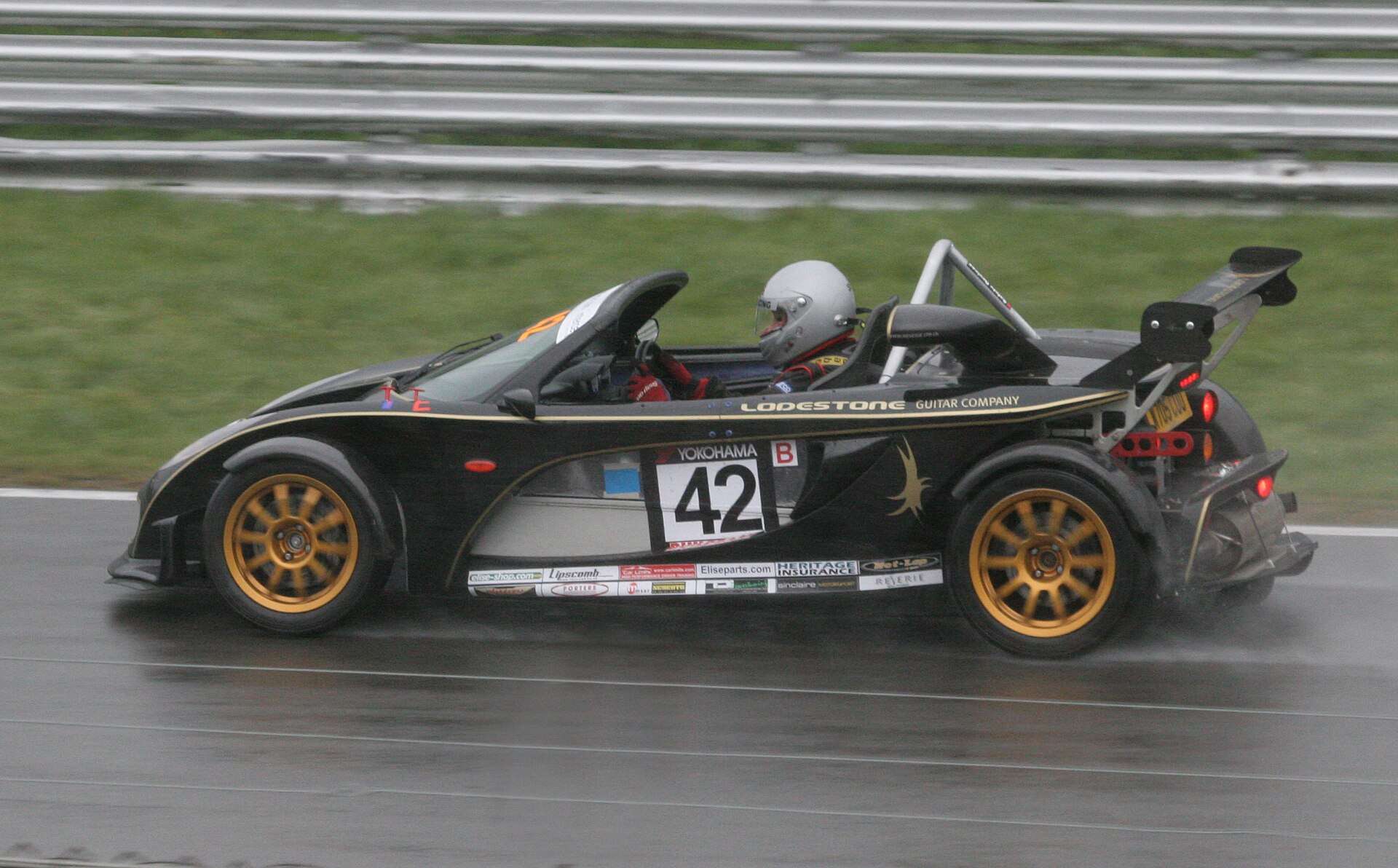
Check cambelt history, oil level, hot oil pressure, VVC operation and exhaust condition. Engine upgrades should be supported by invoices and calibration details; a louder intake or exhaust does not prove a genuine 190 bhp track specification.
Suspension, brakes, wheels and tyres
Inspect dampers for leaks, wishbones for corrosion or damage, ball joints and wheel bearings for play, and steering for a clean self-centring action. Brake discs, pads and fluid may have endured high temperatures. Correct wheels are valuable and should be checked for cracks or distortion.
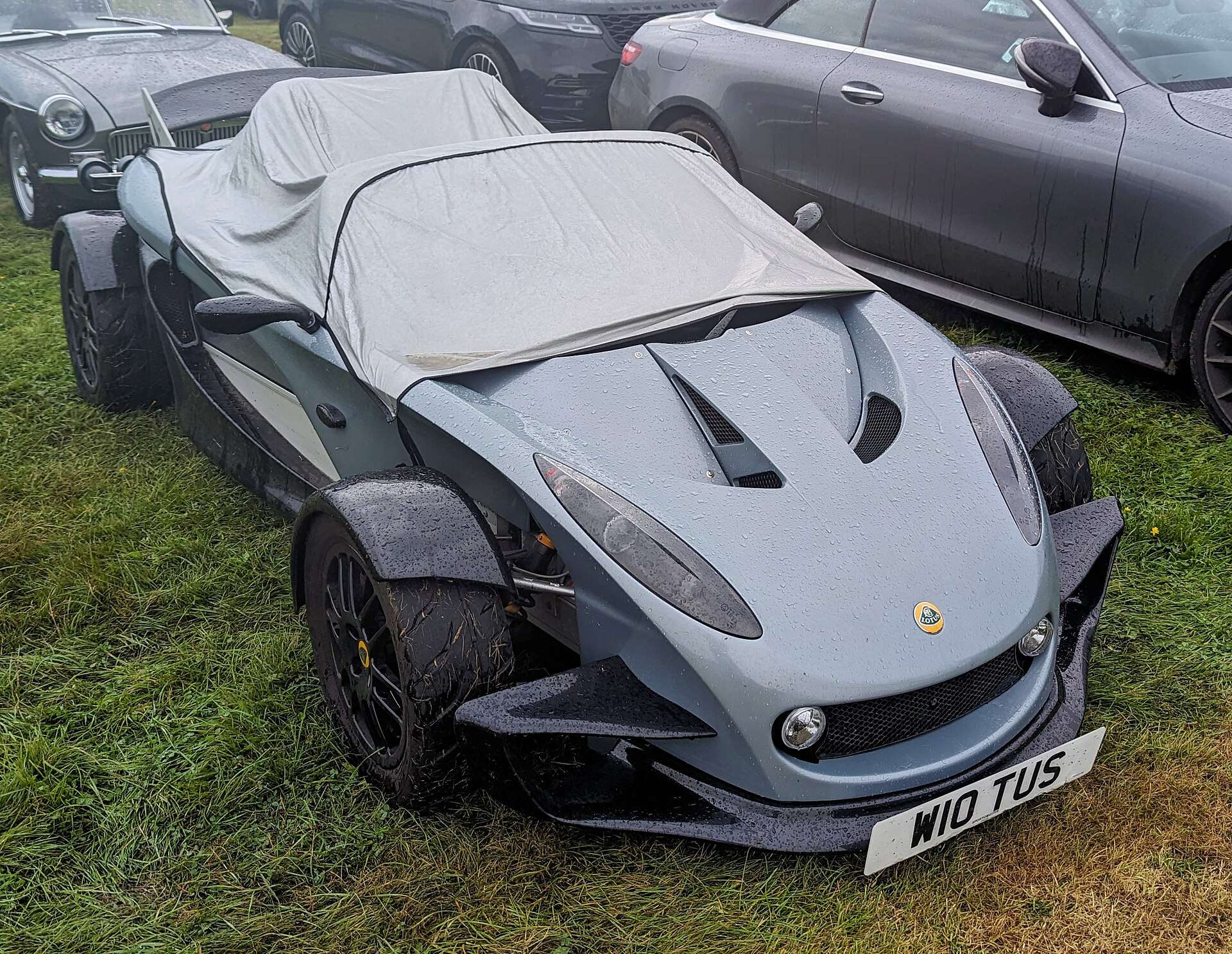
Tyre age matters even when tread depth looks generous. The original Yokohama specification is part of the model’s history, but any road use requires modern tyres with suitable load, speed and wet-weather behaviour.
Originality and usability
Verify the numbered identity, factory records, books, keys, tonneau or weather equipment supplied with the car, and every unique trim component. Low mileage can mean originality, but it can also mean dried seals, stale fluids and long periods without heat cycling. A regularly serviced car with documented specialist care is usually a safer proposition.
Sources and further reading
Continue the Lotus story
The 340R stripped the Elise idea back to an exposed road-and-track machine. Explore the Lotus hub and the Elise S1 guide and the Exige guide.
Frequently asked questions
How many Lotus 340R cars were built?
Lotus built 340 examples for the 2000 model year.
What engine does the Lotus 340R use?
It uses a 1,796 cc Rover K-series VVC four-cylinder, producing 177 bhp in standard factory specification.
Why is it called the 340R?
The name reflected the 340-car production run and the approximate 340 bhp-per-tonne target achieved with the optional 190 bhp track specification.
Does the Lotus 340R have a roof or doors?
No conventional production roof or doors were fitted, so weather protection and security are very limited.
What should be checked before buying a 340R?
Have a Lotus specialist inspect the bonded chassis, crash structures, composite panels, suspension, brakes and wheels, then verify K-series cooling and cambelt history, numbered identity, unique parts and any track damage or modifications.