UNUSUAL CARS MODEL GUIDE
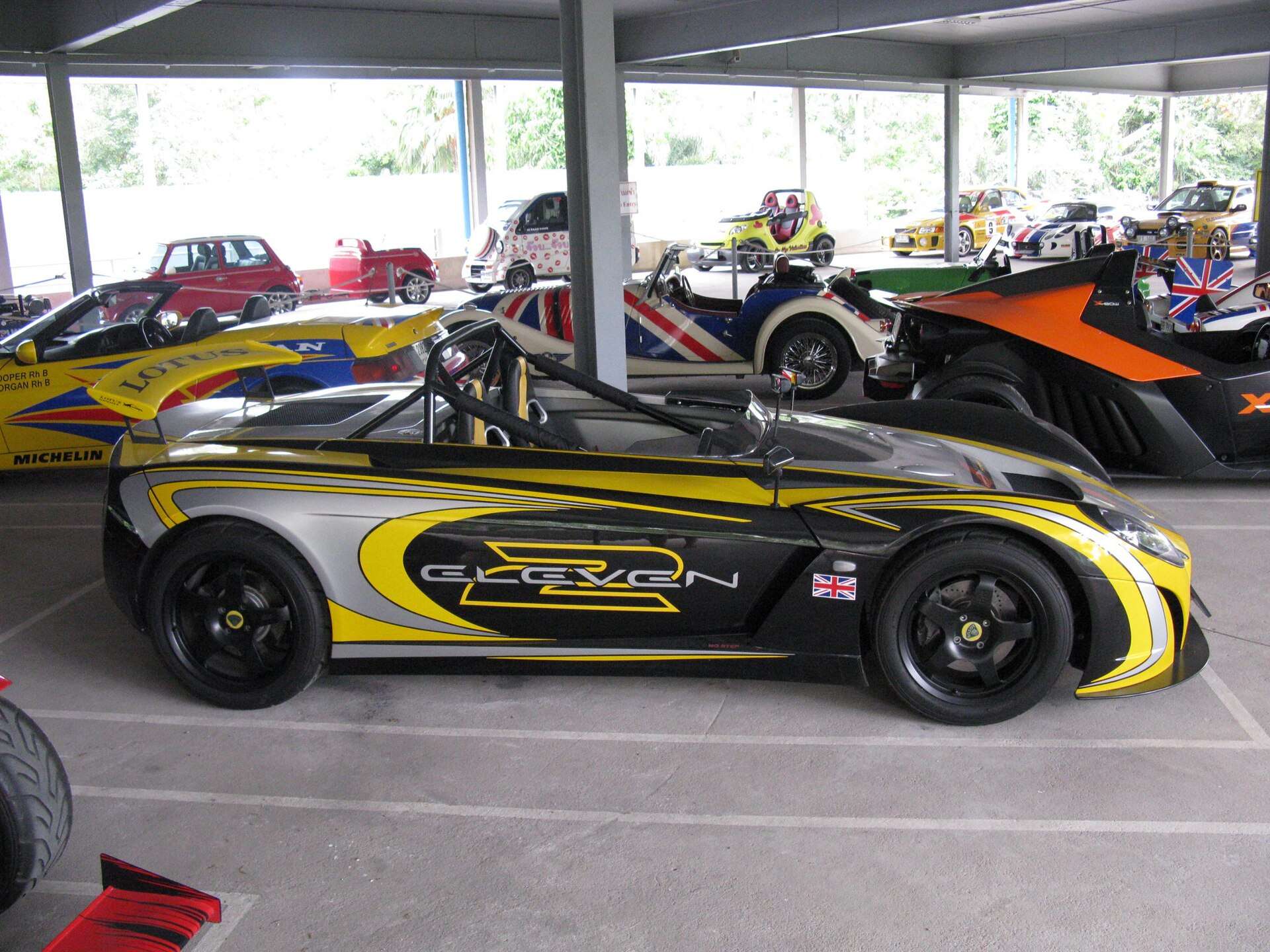
The Lotus 2-Eleven was the Type 123 open track car produced from 2007 to 2010. It combined the Elise and Exige small-car platform with a supercharged 1,796 cc Toyota-based four-cylinder engine, minimal bodywork and a quoted weight of 670 kg, creating one of Lotus’s most focused road-and-track products.
Quick answer: the regular 2-Eleven produced 252 bhp and could be supplied in road-legal or track-oriented form, while the rarer GT4 Supersport produced about 267 bhp with additional competition equipment. Before buying, establish the exact factory specification, road-registration status and accident history, then inspect the chassis, aero, drivetrain and consumables as a competition car rather than an ordinary Elise.
From Circuit Car concept to Type 123
Lotus previewed the idea in 2005 as the Circuit Car, initially with about 190 bhp. The production 2-Eleven appeared at the 2007 Geneva Motor Show with a supercharged engine, exposed two-seat cockpit and body panels made from a lightweight core-mat composite. Its name paid tribute to the 1950s Lotus Eleven sports racer.
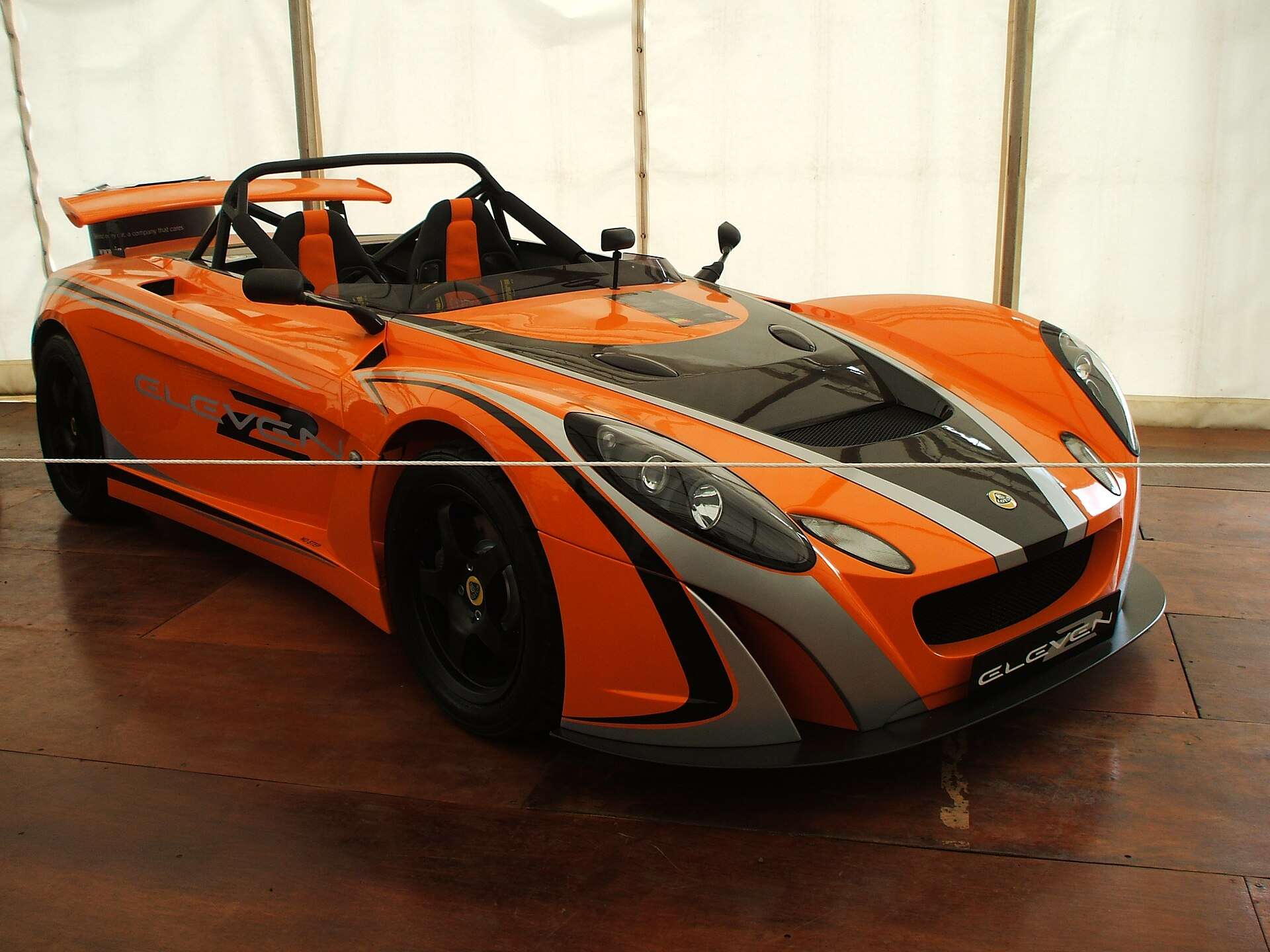
The car was not simply an Exige without a roof. Aerodynamics, cooling, suspension, traction control and body construction were developed for sustained circuit use. Some examples were configured for road registration, while others remained track-only; local legality and the original build specification must be checked individually.
Engine, performance and driver controls
The 2-Eleven used the 1.8-litre Toyota 2ZZ-GE engine with a supercharger, producing 252 bhp in the principal model. A six-speed manual gearbox drove the rear wheels. Adjustable launch and traction control allowed the driver to alter intervention, while the low mass produced acceleration and braking performance that could embarrass much more powerful road cars.
| Version | Power | Quoted weight | Purpose |
|---|---|---|---|
| Lotus 2-Eleven | 252 bhp | 670 kg | Road-legal or track-focused specification depending on market and options. |
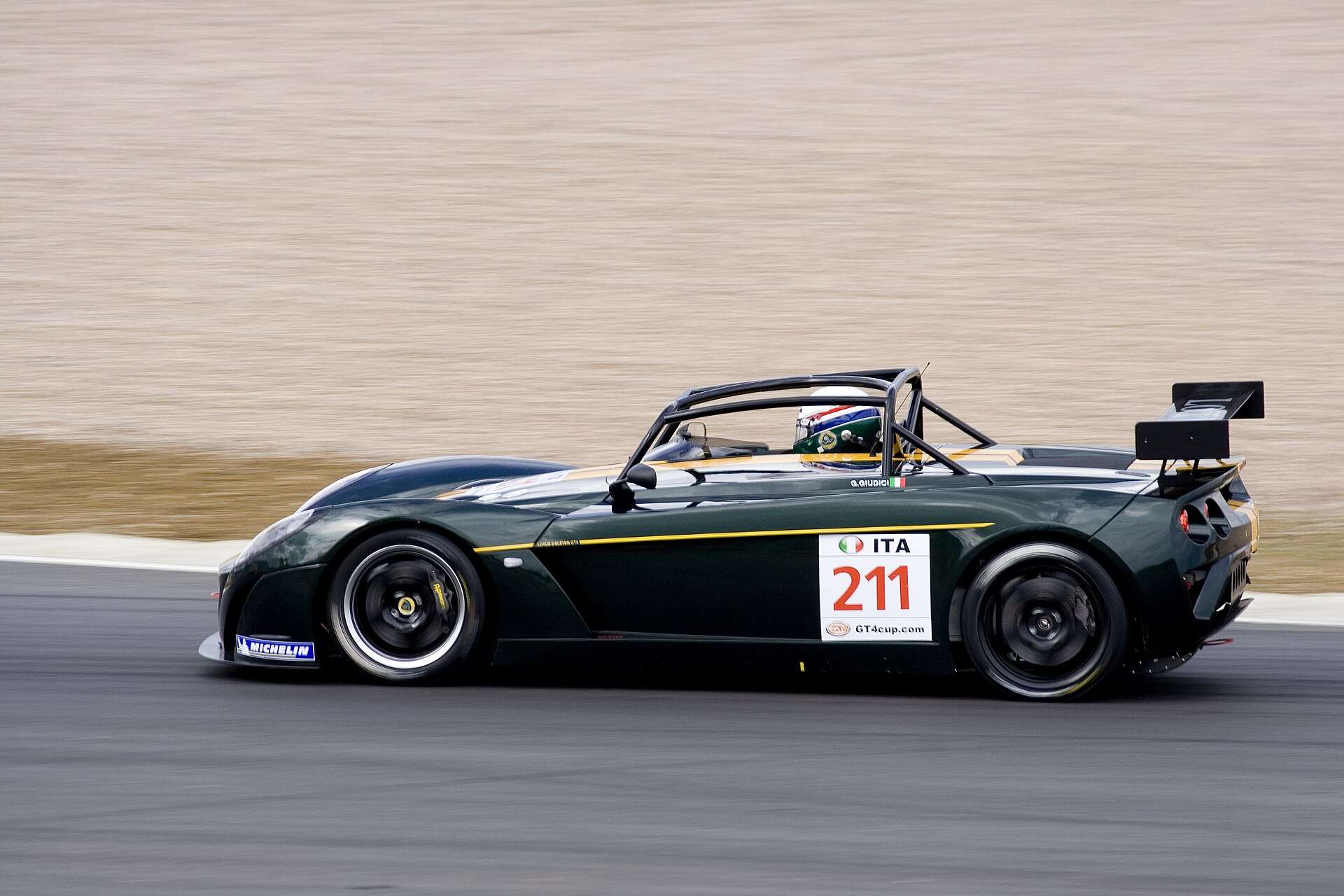
| 2-Eleven GT4 Supersport | About 267 bhp | 748 kg | Competition version with additional safety and race equipment. |
GT4 Supersport and competition cars
The GT4 Supersport added race-specific hardware and aerodynamic development for the GT4 Sports Light category. Lotus records approximately 15 GT4 cars, so identity, build documentation and competition history have a large effect on value. Later upgrades or club-racing conversions should not be confused with factory GT4 specification.
Love cars you don’t see every day?
Get forgotten cars, surprising motoring stories and the most interesting finds from Unusual Cars by email.
Free to join. No spam. Unsubscribe whenever you like. See our privacy policy.
Chassis, body and accident inspection
Have a Lotus specialist inspect the bonded aluminium tub, front crash structure, rear subframe, suspension mounting points and undertrays. Track cars regularly touch kerbs and may leave the circuit; straight panels and fresh paint are not proof of correct geometry.
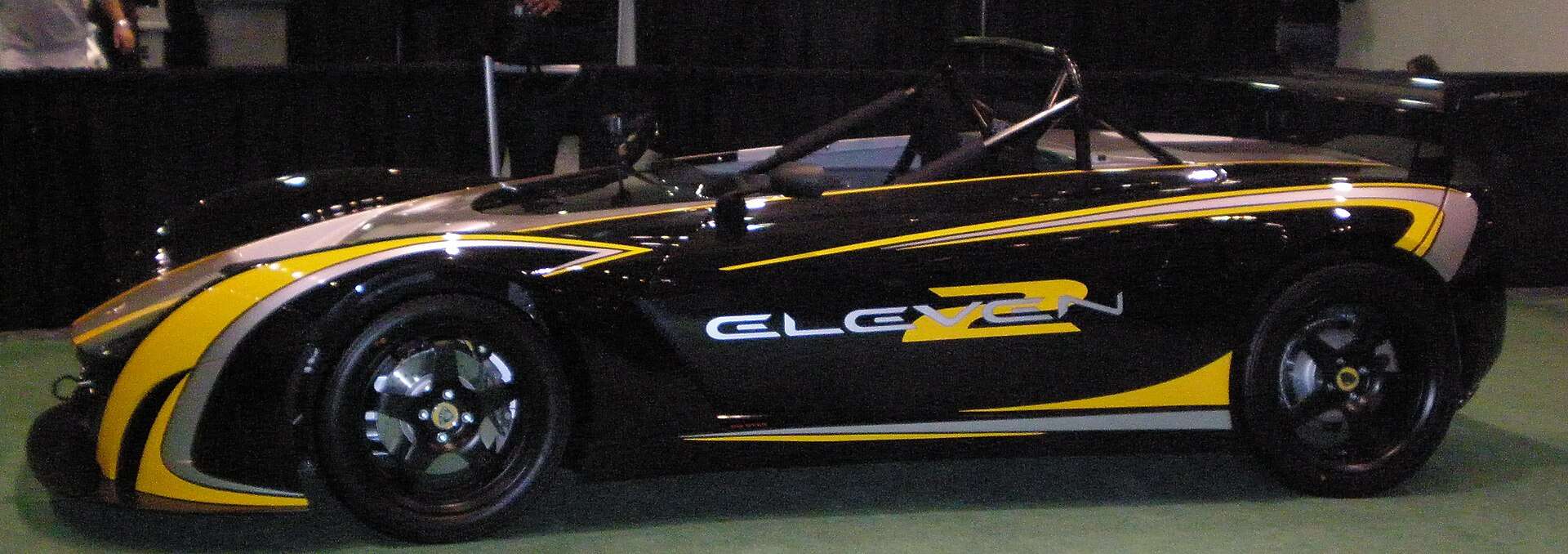
The unique nose, side panels, rear bodywork, splitter and wing are costly. Check composite panels for cracks, repaired mountings and distortion, and verify that aftermarket aero has not overloaded attachment points or upset cooling.
Supercharged Toyota engine and transmission
The 2ZZ-GE is robust when serviced correctly, but track use places sustained loads on oil, cooling and induction systems. Review oil-change intervals, coolant history, supercharger belt and pulley condition, intercooler plumbing and any evidence of oil starvation or overheating. Confirm that ECU, pulley, exhaust and intake modifications are documented and sensibly calibrated.

The six-speed gearbox should select cleanly when hot. Check clutch action, driveshaft joints and engine mounts, and look for signs of repeated standing starts. Noise is normal, but crunching changes, jumping out of gear or metal in the oil require investigation.
Suspension, brakes and consumables
Inspect dampers, springs, wishbones, ball joints, toe links, steering rack and wheel bearings. Alignment settings should be recorded rather than guessed. Brake discs, pads, fluid and tyres may look acceptable for road mileage yet be exhausted by heat cycles; ask for lap-day records and replacement dates.

Road legality, safety equipment and ownership
Confirm the car’s registration documents, lighting, exhaust, windscreen or aero-screen arrangement and current road legality before purchase. Harnesses, seats, fire systems and roll-over protection have service lives or certification requirements for competition. A track-only car may be excellent value, but it should be valued and insured for its real use.
The best example is the one whose specification and life are documented. A correctly maintained car with honest circuit use is preferable to a superficially pristine example with unexplained repairs or missing factory parts.
Sources and further reading
- Lotus Cars: 2-Eleven history and factory specifications
- Lotus Cars: original Eleven history
- Lotus heritage timeline
Continue the Lotus story
The 2-Eleven turned the Elise and Exige platform into an uncompromising open track car. Explore the Lotus hub and the Exige guide and the 340R guide.
Frequently asked questions
When was the Lotus 2-Eleven built?
Lotus produced the Type 123 2-Eleven from 2007 to 2010.
What engine does the Lotus 2-Eleven use?
It uses a supercharged 1,796 cc Toyota-based 2ZZ-GE four-cylinder, producing 252 bhp in the principal production version.
Is every Lotus 2-Eleven road legal?
No. Specification and registration vary by market and individual car, so road legality must be verified from the documents and fitted equipment.
What is the 2-Eleven GT4 Supersport?
It is the rarer competition-oriented version with approximately 267 bhp and additional race and safety equipment; Lotus records about 15 examples.
What should be checked before buying a 2-Eleven?
Verify the exact factory and road-registration specification, then inspect the bonded chassis, crash structures, composite body and aero, supercharged engine, gearbox, suspension, brakes, wheels, safety equipment and evidence of accident or track damage.