UNUSUAL CARS MODEL GUIDE
The Lotus Exige began in 2000 as a fixed-roof, aerodynamically developed companion to the Elise. The rare Rover-engined S1 was closely related to Lotus’s one-make race car, while the 2004 S2 adopted Toyota power and developed into naturally aspirated, supercharged and Cup derivatives. Both reward lightness and accuracy, but they have different engines, gearboxes and ownership risks.
Quick answer: buy an S1 for rarity and raw motorsport character, or an S2 for a wider choice and easier road use. In either case, chassis integrity, crash history, cooling, drivetrain condition and evidence of sympathetic track maintenance matter more than cosmetic shine.
The Exige S1 arrives in 2000
Lotus adapted the Elise’s bonded aluminium chassis and composite body for a more track-focused coupe. A fixed roof, deep front splitter, rear wing and reshaped rear body worked together rather than serving as decoration. The S1 used the high-output Rover K-series VHPD engine, close-ratio transmission and a sparse cabin.

The original Exige’s reputation comes from its immediacy, but that specification also needs careful verification. Engines have often been rebuilt or replaced, and track cars may carry non-standard induction, management, suspension and brake parts. A correctly documented upgrade is different from an unexplained mixture of components.
Series 2 and Toyota power
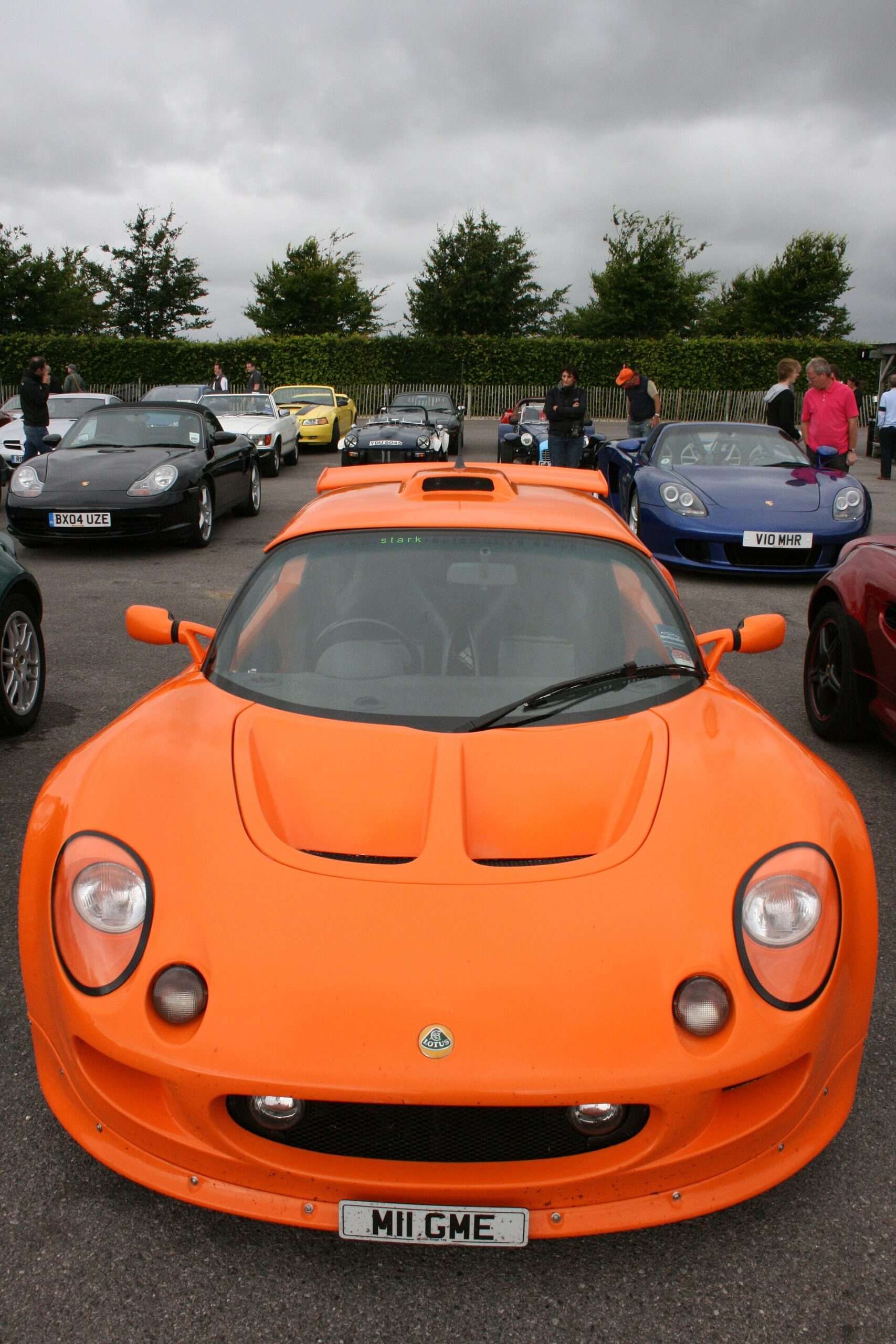
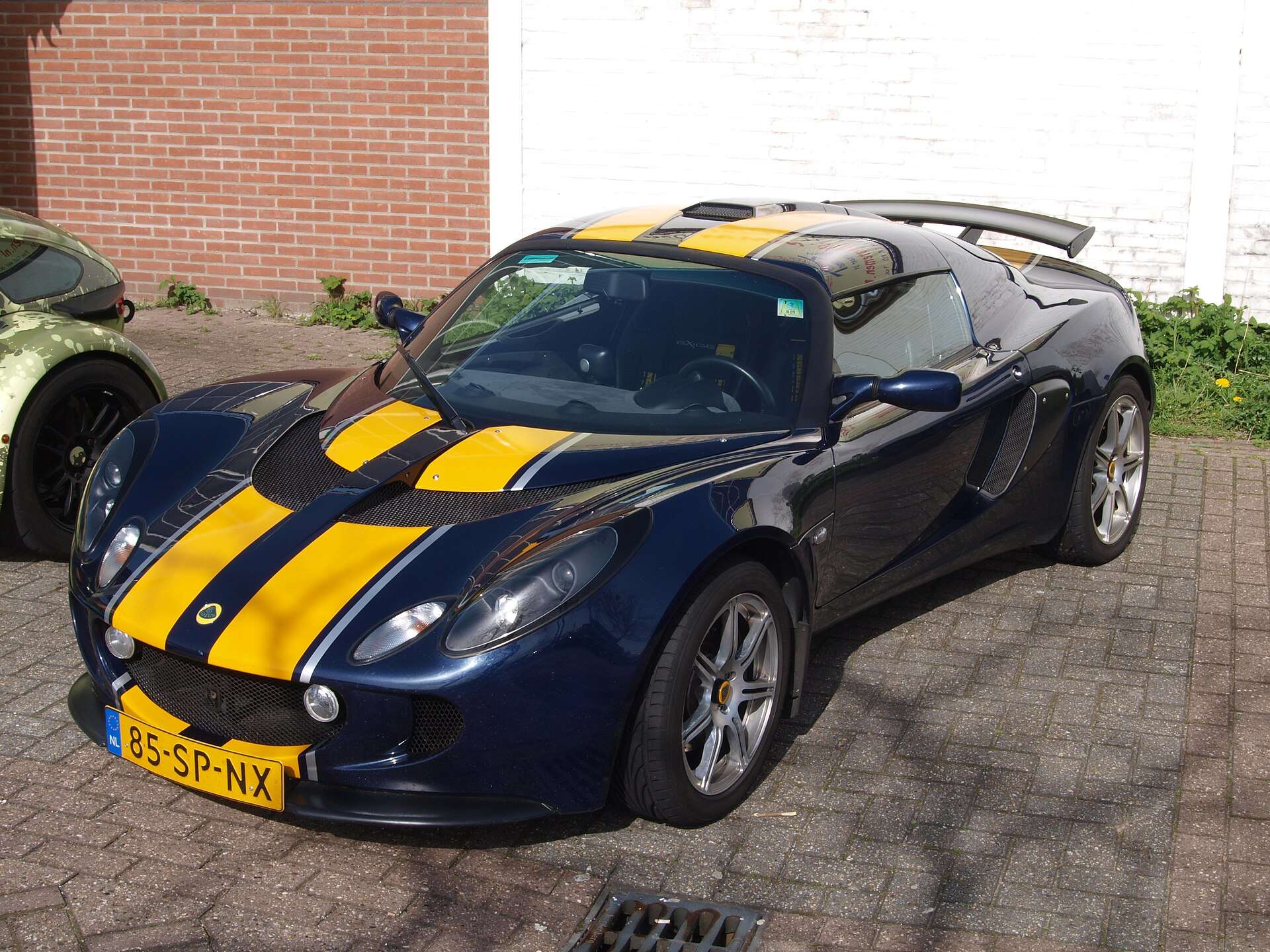
The S2 Exige arrived in 2004 with the Toyota-sourced 1.8-litre 2ZZ-GE engine and a six-speed gearbox. Its variable-lift cylinder head delivered its strongest performance at high engine speed, while the later body provided more developed aerodynamics and improved day-to-day usability.

The naturally aspirated S2 was followed by the supercharged Exige S. Lotus then produced a wide range of higher-output Sport, Cup, Sprint and market-specific editions. Buyers should identify the exact factory model before valuing carbon parts, wheels, intercoolers or claimed power upgrades.
| Version | Engine | Main distinction |
|---|---|---|
| Exige S1 | 1.8 Rover K-series VHPD | Rare original with fixed roof, race-derived aero and the rawest specification. |
| Exige S2 | 1.8 Toyota 2ZZ-GE | Naturally aspirated six-speed car with high-rpm power delivery. |
| Exige S | Supercharged 1.8 Toyota | Stronger mid-range performance and the basis of many later road versions. |
| Cup and Sprint models | Model-specific Toyota tune | Track-focused suspension, brakes, safety equipment and limited-edition details. |
Love cars you don’t see every day?
Get forgotten cars, surprising motoring stories and the most interesting finds from Unusual Cars by email.
Free to join. No spam. Unsubscribe whenever you like. See our privacy policy.
Chassis and body inspection
As with an Elise, the bonded aluminium chassis is the first release gate. Look for damaged floors, distorted suspension pick-ups, corrosion around steel interfaces and evidence of welding or straightening. A car that has visited gravel traps or kerbs may look tidy from above while carrying damage underneath.
Composite clams, splitters and diffusers are vulnerable to kerbs and poor lifting. Check panel alignment and the mounting points for the rear wing. Confirm that aftermarket aero is secure and does not hide repairs. A full geometry report can reveal a bent component or incorrect ride height.
Engine and gearbox checks
On an S1, establish who built or maintained the VHPD engine, what specification it now has and how it is managed. Cooling stability, oil pressure and cambelt history are critical. A rough idle may be characteristic of some tune levels, but smoke, coolant loss and weak compression are not.

On an S2, confirm clean engagement of the Toyota engine’s high-lift cam profile and listen for abnormal valvetrain noise. Check oil level and evidence of starvation or overheating after circuit use. The six-speed gearbox should shift cleanly without second- or third-gear baulking. Supercharged cars need a sound belt drive, charge-cooling equipment where fitted and documented ECU calibration.
Brakes, suspension and track use
Inspect dampers, springs, wishbones, ball joints, wheel bearings, steering joints and brake hardware as one system. Premium dampers are not automatically an improvement if their age, spring rates and setup are unknown. Tyres should match across the car and suit the intended use.

Track use should prompt more questions, not an automatic rejection. Regular fluid changes, careful warm-up, geometry records and timely replacement of consumables can indicate an attentive owner. Conversely, fresh paint, old tyres and no invoices deserve caution.
Why the S1 and S2 Exige matter
The Exige turned the Elise platform into a road-legal coupe whose aerodynamics and circuit focus were central to its design. The S1 is a short-lived analogue special; the S2 established the Toyota-powered formula that later expanded into supercharged and Cup models. Together they explain how Lotus could create several distinct cars from one lightweight architecture.
Sources and further reading
- Lotus Cars: Exige history and Cup 430 Final Edition
- Lotus Cars: bonded-aluminium chassis manufacture
Continue the Lotus story
The Exige applied serious aerodynamic and track development to the Elise platform. Explore the Rare & Performance Lotus Cars hub, then read the Lotus Elise S1 guide and the Lotus Evora guide.
Frequently asked questions
What is the difference between an Exige S1 and S2?
The S1 uses a Rover K-series VHPD engine and the original Elise-based body. The S2 introduced in 2004 uses a Toyota 2ZZ-GE engine, six-speed gearbox and a redesigned body.
Is every Lotus Exige supercharged?
No. The S1 and early S2 were naturally aspirated. Lotus later added the supercharged Exige S and developed numerous higher-output Sport and Cup versions.
Can a Lotus Exige be used on the road?
Yes. Road-registered Exiges can be used normally, but the fixed roof, low cabin, firm setup and limited visibility make them less convenient than an ordinary sports coupe.
Is track use bad for a Lotus Exige?
Not necessarily. Documented maintenance and sensible preparation matter more than the venue. Inspect cooling, oil control, brakes, tyres, suspension, chassis and accident history carefully.
What should be checked before buying an Exige?
Verify the exact derivative and inspect the bonded chassis, composite clams, engine, cooling, gearbox, supercharger where fitted, suspension, brakes, tyres and track-use history.