UNUSUAL CARS MODEL GUIDE
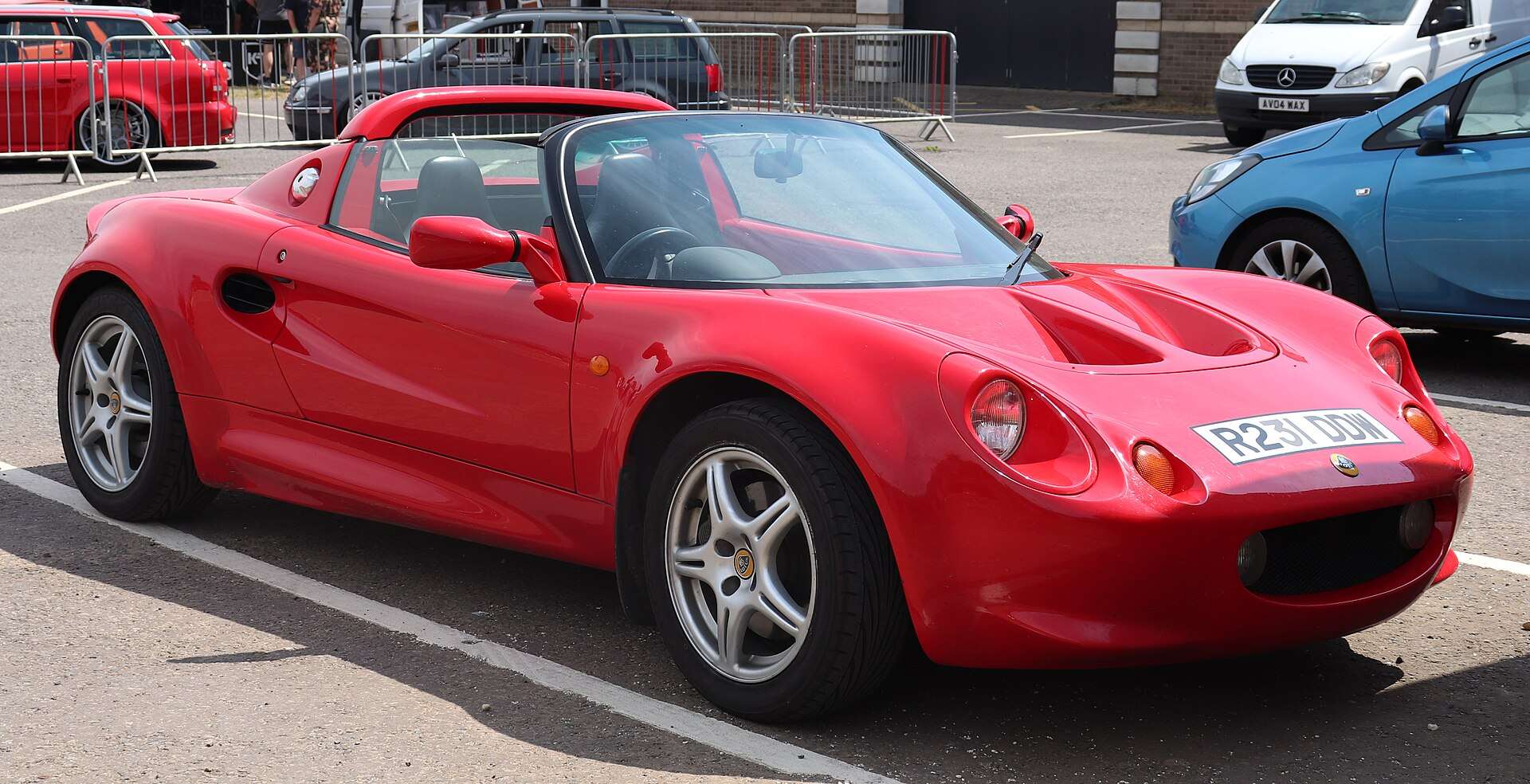
The Lotus Elise S1 is the original 1996-2001 version of Lotus’s Type 111 roadster. It combined a bonded and riveted aluminium chassis, glassfibre body panels, a mid-mounted Rover K-series engine and exceptionally low mass. Its performance came from simplicity and response rather than a large engine, making condition and originality more important than chasing the most powerful badge.
Quick answer: a standard 118 bhp Elise is the cleanest expression of the idea, the 111S adds a more flexible VVC engine, and the Sport derivatives are rarer and more focused. Inspect the aluminium chassis, cooling system, K-series service history, composite clams and accident repairs before discussing cosmetic condition.
Why Lotus created the Elise
By the early 1990s Lotus needed a small sports car that returned to the company’s traditional priorities. The project used a new extruded aluminium chassis whose sections were bonded with adhesive and mechanically fastened rather than welded. This created a light, stiff structure beneath removable composite body panels.
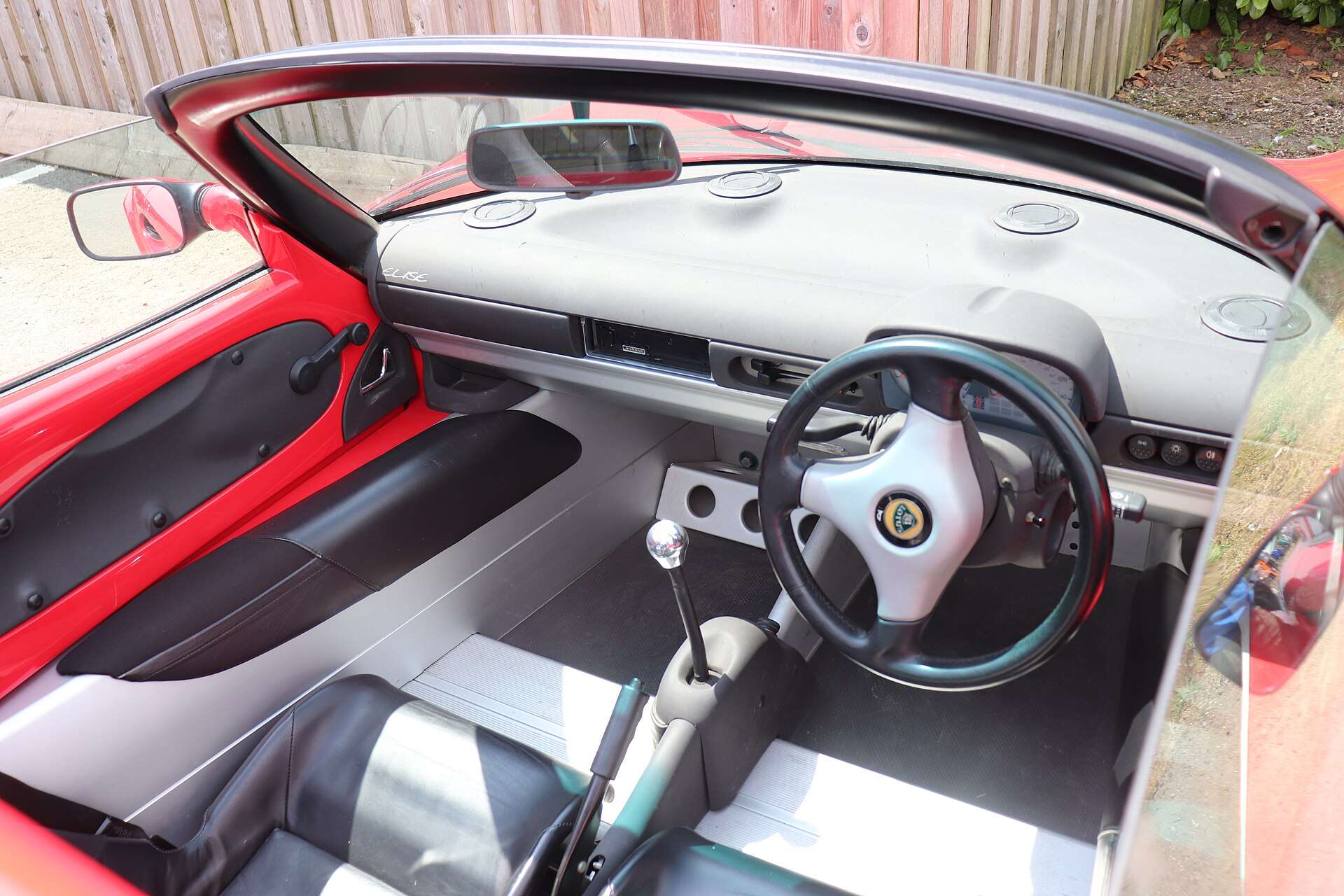
The Elise name honoured Elisa Artioli, granddaughter of then Lotus chairman Romano Artioli. The production car followed its 1995 public debut and reached customers in 1996. Sparse trim, a removable fabric roof, low doors and exposed aluminium made the construction method part of the experience rather than something hidden beneath luxury equipment.
Standard Elise and Rover K-series engine
The initial car used the 1,796 cc Rover K-series engine in 118 bhp form with a five-speed gearbox. That output looks modest, but the earliest cars weighed little more than 700 kg depending on specification. The important figures are therefore response, braking and power-to-weight rather than top speed alone.
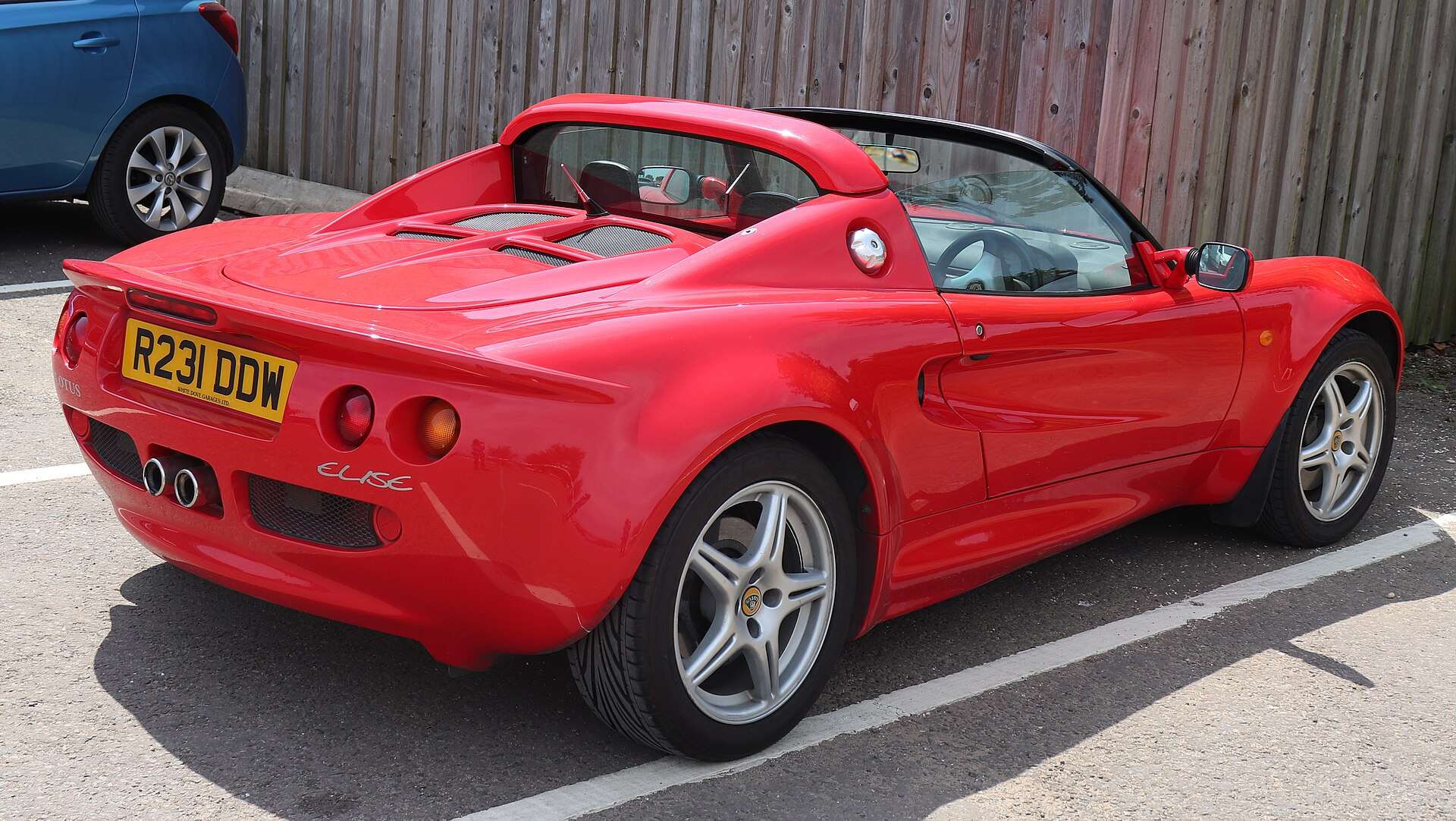
The double-wishbone suspension, unassisted steering and low seating position produced unusually direct feedback. Early cars also used aluminium metal-matrix brake discs before Lotus adopted conventional iron discs. The change matters when assessing originality and replacement costs.
111S and Sport versions
The Elise 111S used the variable-valve-control Rover engine and delivered a broader, stronger top end than the standard car. Lotus also offered Sport 135, Sport 160 and Sport 190 derivatives with progressively more focused engine, suspension and equipment specifications. Outputs and road legality can vary by exact edition and market, so the factory build specification should settle any claim.
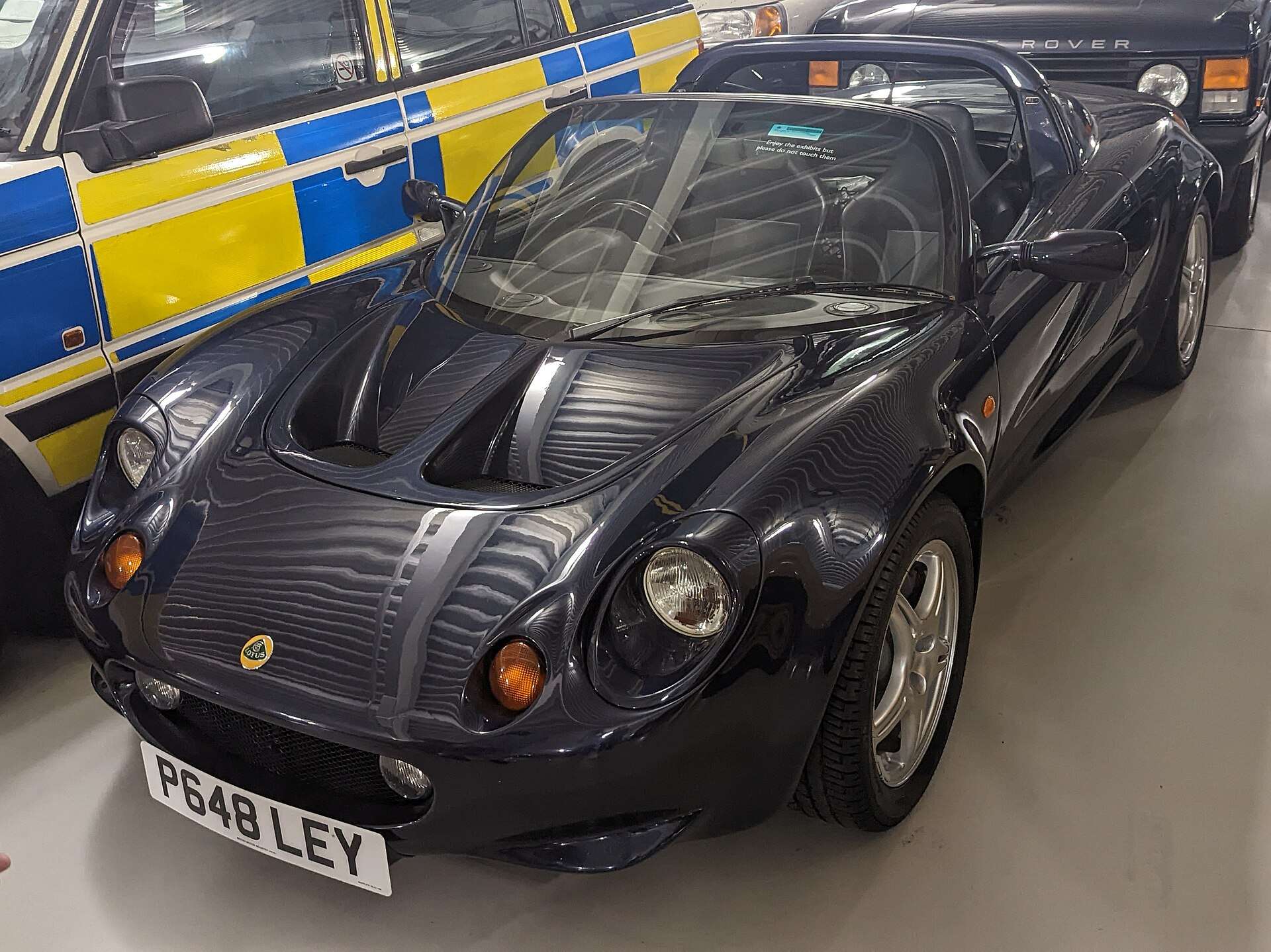
| Version | Typical specification | Character |
|---|---|---|
| Elise | 1.8-litre K-series, 118 bhp | Lightest and simplest mainstream S1. |
| Elise 111S | 1.8-litre VVC K-series, about 143 bhp | More flexible road performance and distinctive trim. |
| Sport 135 | Factory-developed higher-output K-series | Sharper road and track specification without the most extreme tune. |
| Sport 160 | Limited high-output derivative | Rarer, louder and more demanding; verify exact factory specification. |
| Sport 190 | Track-focused tune | Competition-minded specification and the greatest need for provenance. |
Love cars you don’t see every day?
Get forgotten cars, surprising motoring stories and the most interesting finds from Unusual Cars by email.
Free to join. No spam. Unsubscribe whenever you like. See our privacy policy.
Body, chassis and accident checks
The aluminium chassis does not behave like a conventional steel monocoque. It must not be casually straightened or welded after a heavy impact. Inspect suspension pick-up areas, the floor, adhesive joints and places where steel components meet aluminium. Corrosion can develop where dissimilar metals and moisture meet, while careless jacking can damage the floor.

The front and rear clams are expensive to repair properly. Look for mismatched paint, star cracks, distorted panel gaps and evidence of a poorly aligned crash repair. Minor gel-coat marks are different from structural damage, so a specialist who understands composite Lotus bodies is valuable.
Engine, cooling and drivetrain
The Rover K-series is light and well suited to the Elise, but it depends on a healthy cooling system and correct maintenance. Check for coolant loss, contamination, unstable temperature, poor heater output and evidence of an earlier head-gasket failure. An upgraded repair can be a positive if it was completed properly and the underlying cooling problem was addressed.

Listen for valvetrain noise, inspect engine mounts and confirm clean gear selection. Track use is not automatically harmful, but repeated high loads make oil level, cooling, suspension and brake history especially important. Tyres should be the correct sizes and a matched type suited to the chassis.
Cabin, roof and everyday ownership
The cabin is deliberately basic, so faults are easy to dismiss. Test the heater fan, lights, instruments, immobiliser, windows where fitted and every switch. Check the roof fabric, seals and drain paths for leaks. Seat wear, sill damage and a loose driving position can reveal a harder life than the odometer suggests.
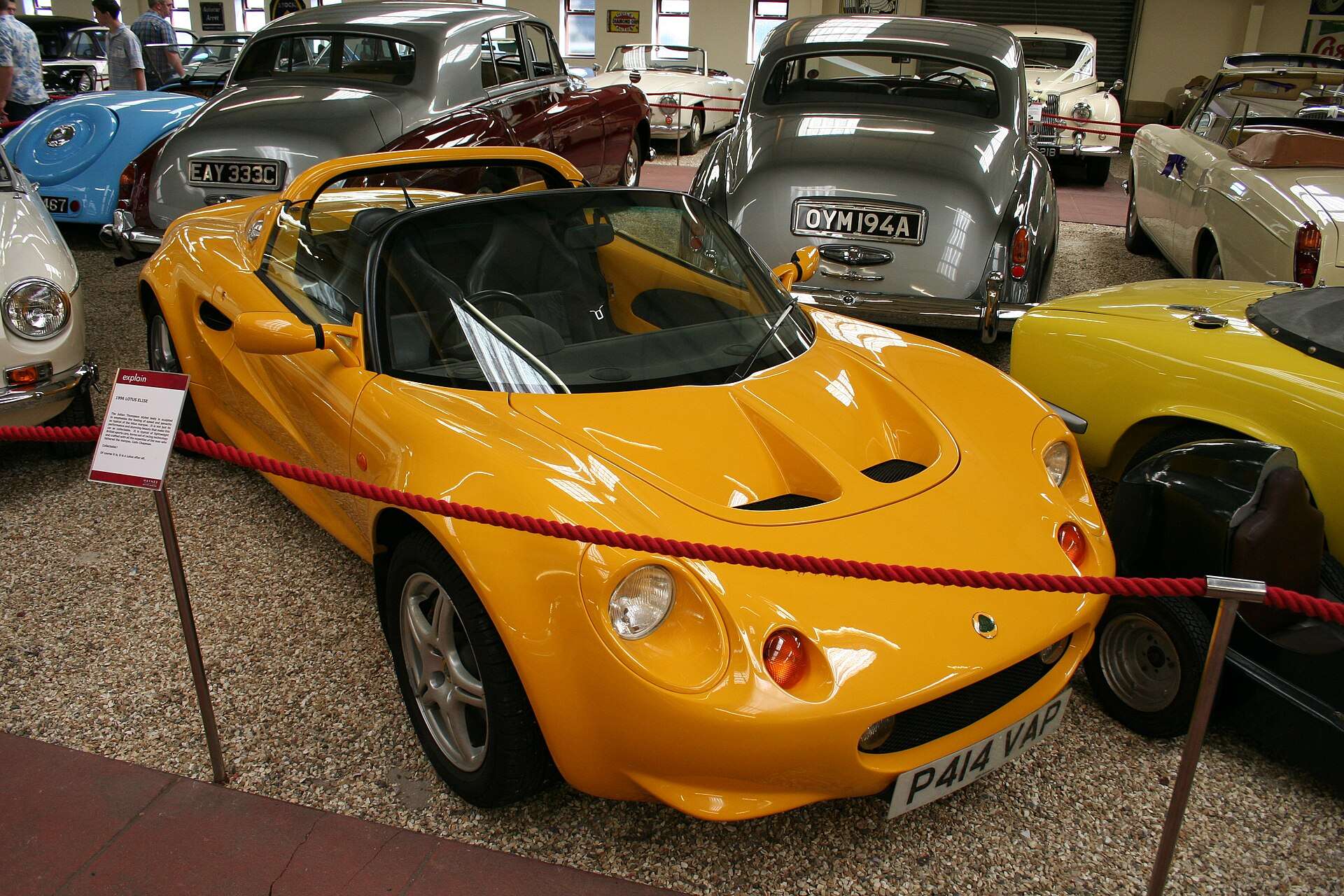
Parts support is stronger than the car’s age might imply, but original trim, wheels and edition-specific details can be difficult to replace. A modified Elise can be excellent if the changes are documented and coherent; random suspension heights, oversized wheels or unknown engine tuning usually reduce confidence.
Why the Elise S1 matters
The Elise reset Lotus around a construction idea that endured through later Elise, Exige and Evora models. It proved that a modern sports car could be fast and engaging by removing mass rather than adding power. The S1 remains the clearest expression of that strategy and the version most sensitive to poor repairs or unsympathetic modification.
Sources and further reading
- Lotus Cars: bonded aluminium chassis lineage
- Lotus Cars: Hethel history and Elise production context
Continue the Lotus story
The S1 Elise established the bonded-aluminium formula for modern Lotus road cars. Explore the Rare & Performance Lotus Cars hub, then read the Lotus Exige S1 and S2 guide and the Lotus Evora guide.
Frequently asked questions
When was the Lotus Elise S1 built?
The original Series 1 Elise was produced from 1996 until 2001, before the redesigned Series 2 took over.
What engine is in a Lotus Elise S1?
Most S1 Elises use a 1.8-litre Rover K-series engine. The standard car has the basic engine, while the 111S uses the VVC version and Sport derivatives received higher-output tuning.
Is the Lotus Elise S1 chassis welded?
No. Its extruded aluminium chassis is primarily bonded with adhesive and mechanically fastened, which is why accident damage and inappropriate welding require specialist assessment.
Does every Lotus Elise S1 suffer head-gasket failure?
No, but cooling-system condition and evidence of a correct earlier repair are important because overheating and coolant loss can damage the Rover K-series engine.
What should be checked before buying an Elise S1?
Inspect the aluminium chassis, composite clams, cooling system, engine history, gearbox, suspension, brakes, tyres, roof and electrical equipment, ideally with an independent Lotus specialist.