UNUSUAL CARS MODEL GUIDE
The Talbot Sunbeam Lotus was the rear-wheel-drive performance hatchback produced from 1979 to 1981 to turn Chrysler Europe’s compact Sunbeam into an international rally contender. Lotus installed its 2,174 cc Type 911 twin-cam engine and a five-speed ZF gearbox, creating a 150 bhp road car whose competition relatives won the 1980 RAC Rally and the 1981 World Rally Championship for manufacturers.
Quick answer: Series 1 cars are usually black with silver stripes, while Series 2 cars are commonly Moonstone Blue with revised trim and 153 bhp. Authenticity, shell corrosion and competition modifications are the decisive checks; a convincing replica or reshelled rally car is not automatically a genuine road or works Sunbeam Lotus.
From ordinary Sunbeam to Lotus Type 81
Chrysler’s Scottish-built Sunbeam was a short hatchback assembled around rear-wheel-drive Hillman Avenger mechanical principles. Competition director Des O’Dell recognised that its light shell and conventional drivetrain could challenge the Ford Escort if it received enough power. Lotus developed the Type 911 engine from its 900-series family and helped engineer the installation, exhaust, cooling and chassis specification.
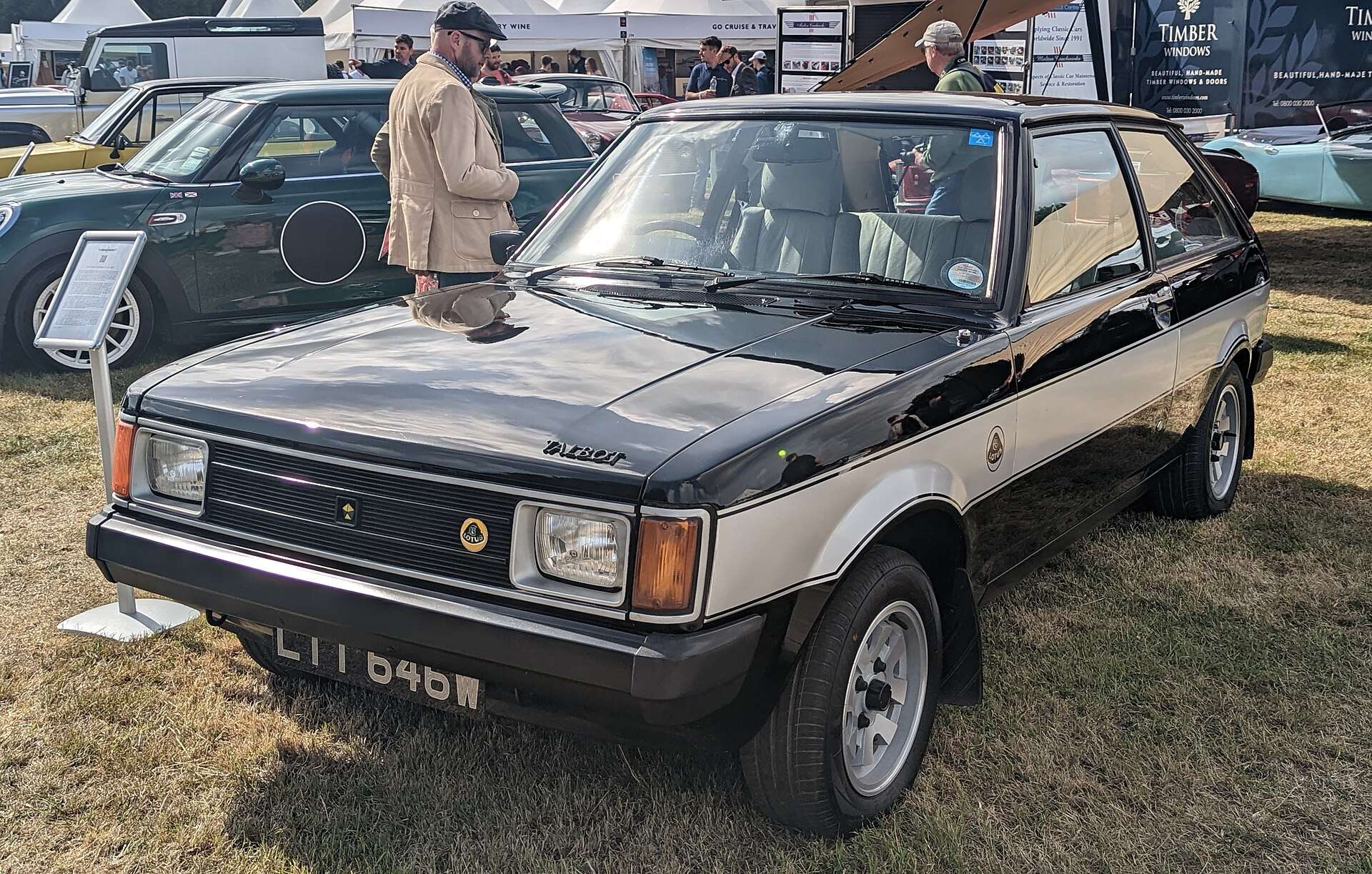
Early cars appeared as the Chrysler Sunbeam Lotus before Peugeot’s acquisition of Chrysler Europe revived the Talbot name. The result is described under both brands in period material, but its basic specification remained a front-engined, rear-wheel-drive homologation special with a 2.2-litre sixteen-valve engine and ZF five-speed gearbox.
Series 1 and Series 2 road cars
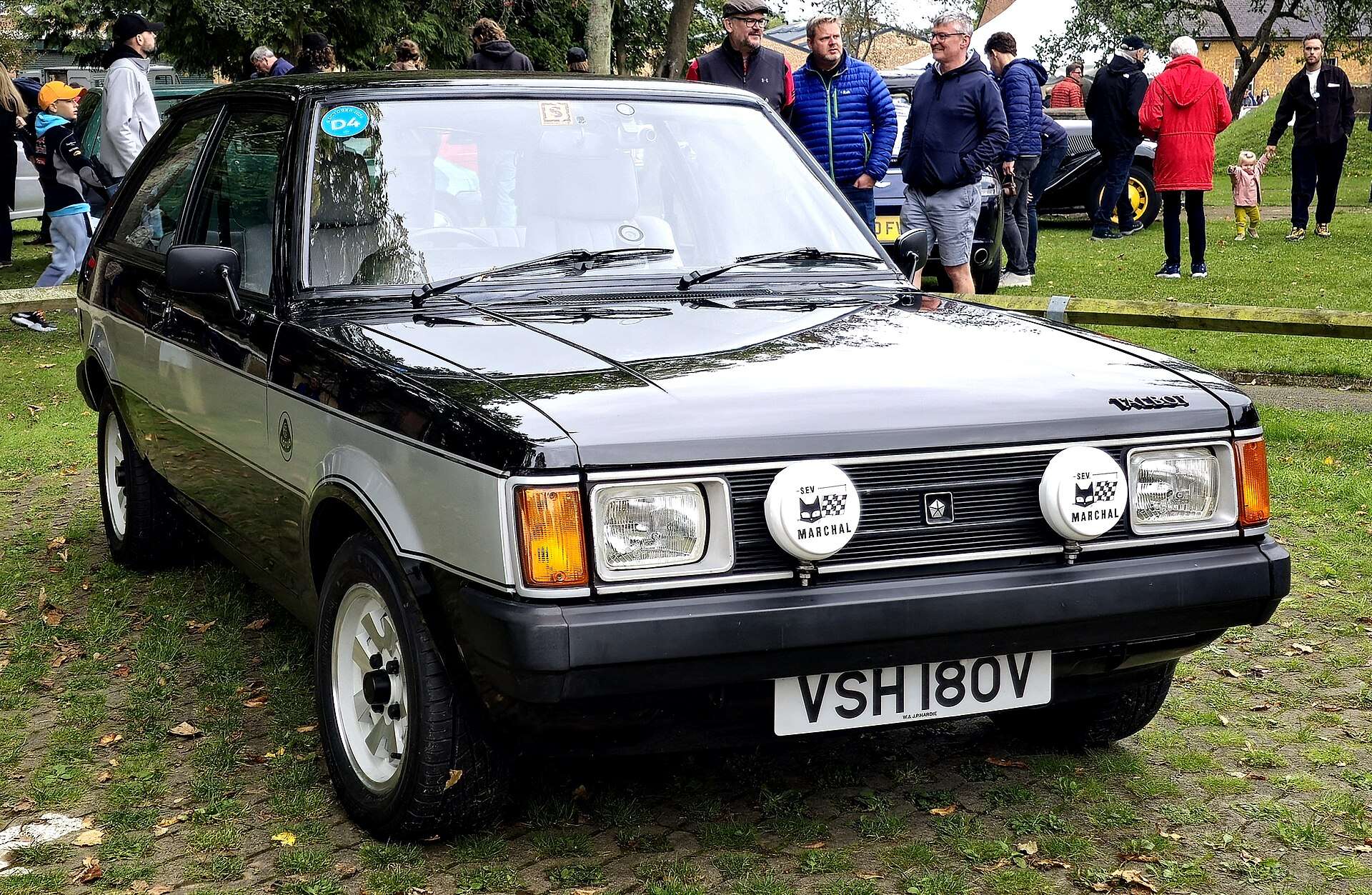
Series 1 cars were offered in black with broad silver stripes and distinctive double-four-spoke alloy wheels. Series 2 introduced larger headlamps, a revised grille and mirrors, a larger fuel tank, detail engine changes and high-mounted auxiliary lamps. Moonstone Blue with black or silver stripes became the defining later colour scheme.
| Version | Road specification | Identifying theme |
|---|---|---|
| Series 1 | 2,174 cc Type 911, about 150 bhp, five-speed ZF | Black paint, silver stripes and early lighting details. |
| Series 2 | 2,174 cc Type 911, about 153 bhp, five-speed ZF | Usually Moonstone Blue, revised grille, lamps, mirrors and fuel tank. |
| Works rally cars | Competition engines approached 250 bhp in period form | Purpose-built shells and continuously developed rally specification. |
Rally success and the 1981 title
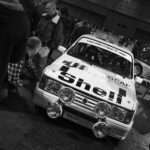
Henri Toivonen and Paul White won the 1980 Lombard RAC Rally in a works Sunbeam Lotus. During 1981 Talbot used consistency as well as speed to defeat Datsun for the manufacturers’ championship, while Guy Fréquelin and Jean Todt finished runners-up in the drivers’ standings. The FIA later homologated the model in Group B as number 227 with a listed capacity of 2,174 cc.

Love cars you don’t see every day?
Get forgotten cars, surprising motoring stories and the most interesting finds from Unusual Cars by email.
Free to join. No spam. Unsubscribe whenever you like. See our privacy policy.
Identity and provenance
Start with the VIN, body numbers, registration history and club or competition records. Ordinary Sunbeam shells can be converted convincingly, while genuine road cars may have been reshelled after corrosion or rally damage. A reshell can still be an enjoyable car, but it must not be represented or valued as an untouched original.
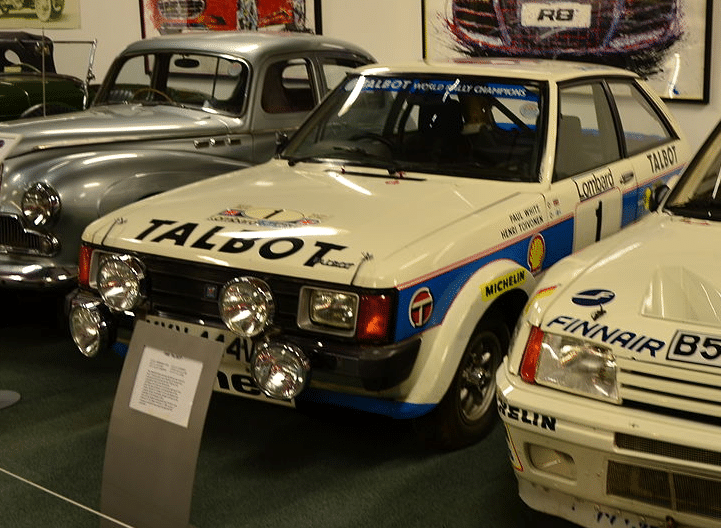
Claims of works history require period entry lists, photographs, build records and a continuous chain of ownership. Competition cars were repaired and updated repeatedly, so expert marque inspection is essential before paying for a famous identity.
Body and structure
Corrosion is the largest road-car risk. Inspect front suspension turrets, inner wings, chassis rails, bulkhead, sills, floor, jacking points, rear arches, spring and damper mounts, boot floor, hatch surround and fuel-tank area. Fresh underseal or paint should never substitute for access underneath and inside the shell.

Engine, gearbox and axle
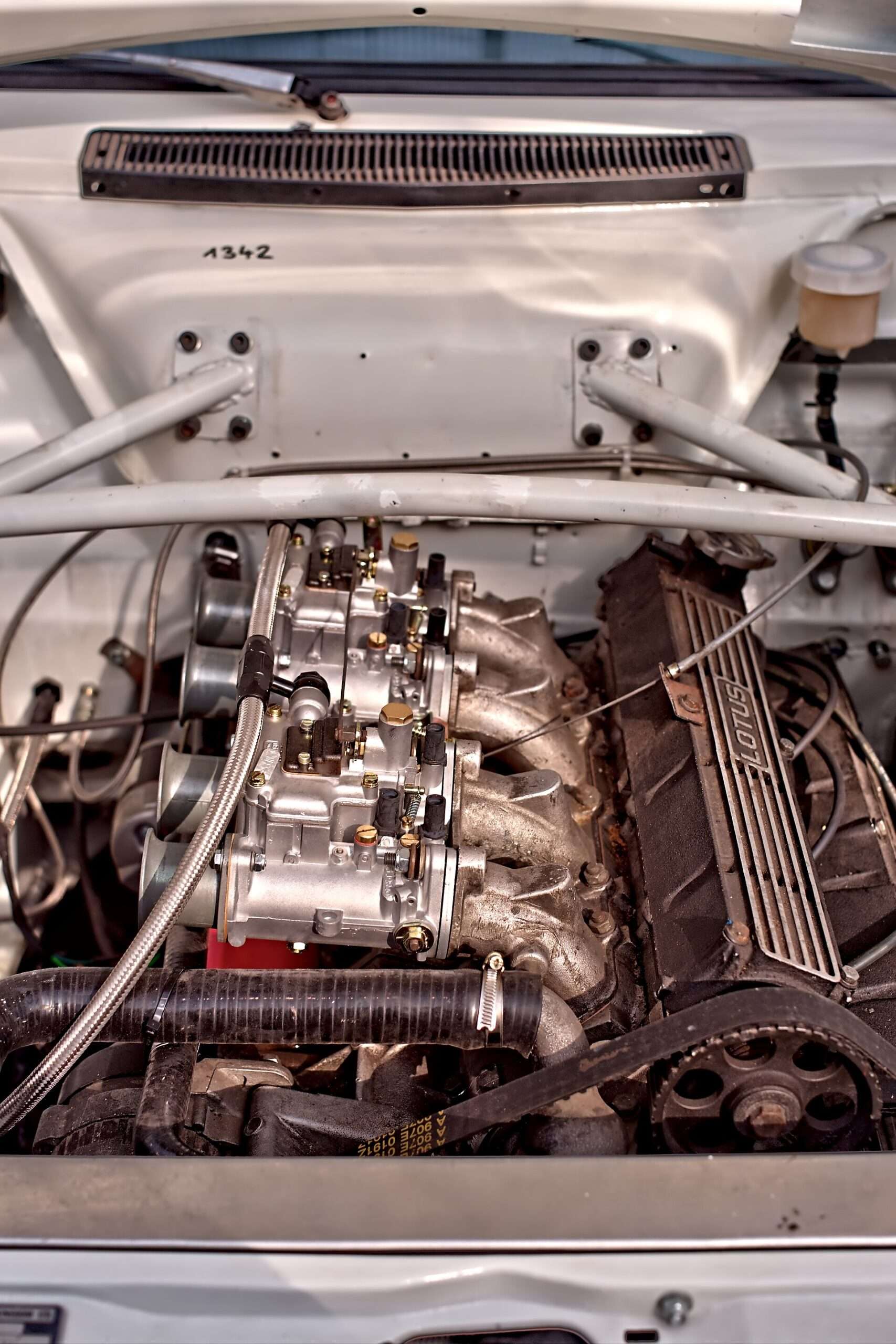
The 2.2-litre Lotus twin cam needs documented timing-belt servicing, stable oil pressure and a healthy cooling system. Check carburettor condition, fuel hoses, exhaust manifold and signs of overheating or an incorrectly assembled rebuild. Engine numbers and specification should support the seller’s description.
The dog-leg ZF gearbox should engage each ratio cleanly without severe whine or worn synchromesh. Listen for differential and half-shaft noise, inspect mountings and confirm that competition ratios or limited-slip hardware are disclosed. Suspension, steering and brakes are simple in principle but may be distorted or heavily modified after rally use.
Trim, wheels and choosing a car
Original seats, cloth, dashboard parts, auxiliary lamps and alloy wheels add value because model-specific trim is harder to replace than routine service parts. Decide whether originality, a well-built historic rally specification or a usable modified road car is the priority, then price the car according to its documented identity rather than appearance alone.
Sources and further reading
- Lotus Cars: Sunbeam history and factory specifications
- FIA Historic Database: Talbot Sunbeam Lotus homologation
- WRC: 1981 season archive
- Sunbeam Lotus Owners Club: model and ownership guidance
Continue the Lotus story
The Sunbeam Lotus applied Hethel engineering to a compact rally-bred hatchback. Explore the Lotus hub and the Lotus Seven guide and the Lotus Esprit guide.
Frequently asked questions
Who made the Sunbeam Lotus?
Chrysler Europe developed the Sunbeam project with Lotus; after Peugeot acquired Chrysler Europe, the production car carried Talbot branding in most markets.
What engine is in a Talbot Sunbeam Lotus?
It uses the 2,174 cc Lotus Type 911 sixteen-valve four-cylinder with twin carburettors, producing about 150 bhp in Series 1 road form and around 153 bhp in Series 2 form.
Did the Sunbeam Lotus win the World Rally Championship?
Yes. Talbot won the 1981 World Rally Championship for manufacturers with the Sunbeam Lotus.
How can a genuine Sunbeam Lotus be identified?
Check the VIN and body numbers, registration and build records, engine and gearbox specification, and supporting club or competition history; expert inspection is important because replicas and reshells exist.
What should be checked before buying a Sunbeam Lotus?
Inspect the complete shell for corrosion, verify identity, then assess timing-belt and cooling history, oil pressure, carburettors, ZF gearbox, rear axle, suspension, brakes, wiring and rare model-specific trim.