

UNUSUAL CARS MARQUE GUIDE
Porsche’s history is wider than the familiar 911 story. Front-engined transaxle coupés, V8 grand tourers, lightweight Club Sports and water-cooled Turbos show how the company repeatedly reworked its core engineering ideas. This guide brings those rare and performance branches together with model histories, version comparisons and practical buying checks.
Start here: use the detailed guides below to understand each model’s engineering, key derivatives, production context and ownership priorities. Every guide links back to this hub.
Detailed Porsche guides
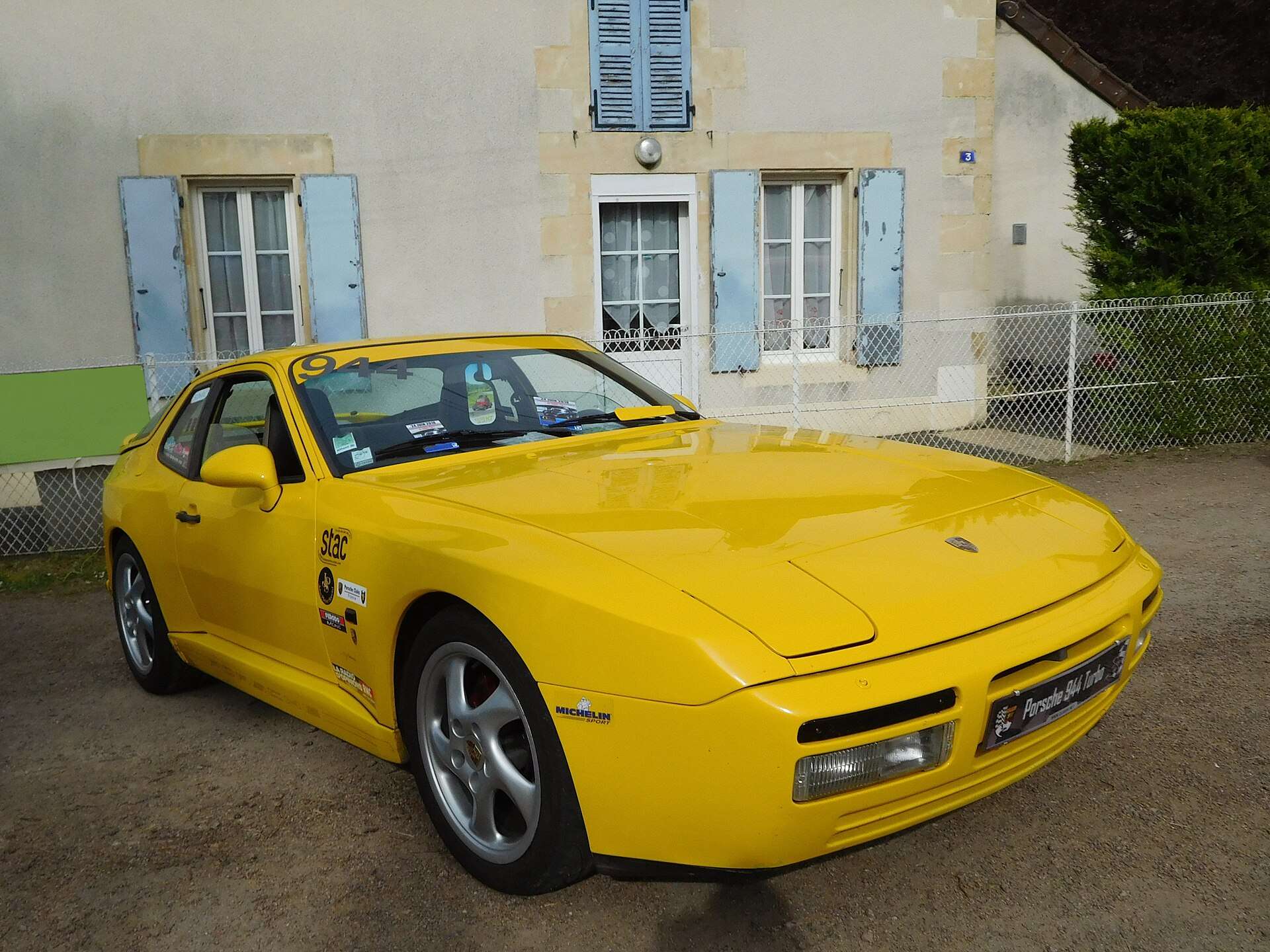
Porsche 944 Turbo and Turbo S
The 951 transaxle performance car: 220 and 250 PS versions, Turbo S specification and essential buying checks.
Photograph: Cjp24, CC BY-SA 4.0, via Wikimedia Commons.
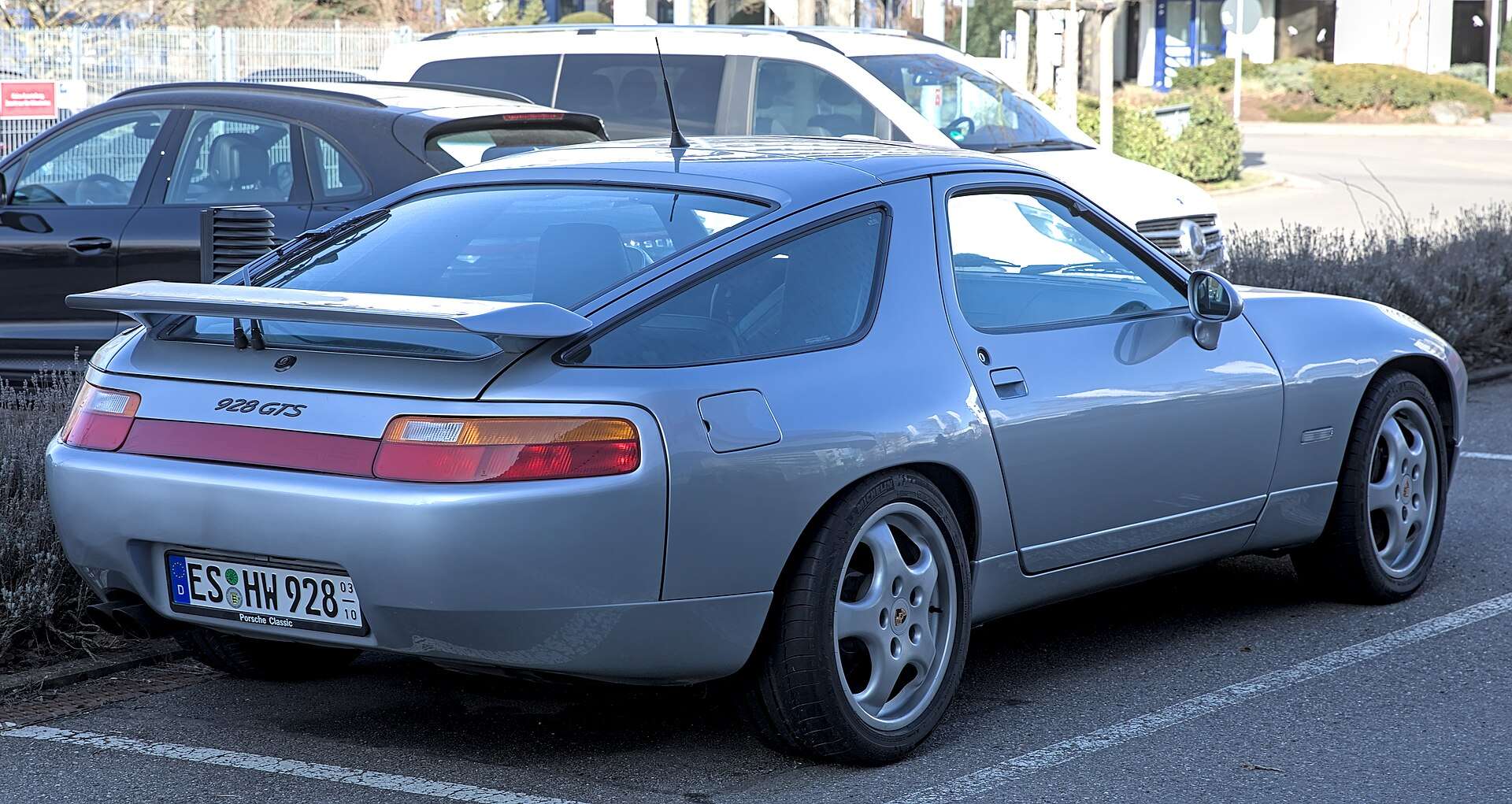
Porsche 928 S4, GT and GTS
The front-engined V8 flagship, from the 320 PS S4 to the manual GT and final 5.4-litre GTS.
Photograph: Alexander Migl, CC BY-SA 4.0, via Wikimedia Commons.

Porsche 968 Club Sport
The lighter two-seat 968: 240 PS, six-speed transaxle, factory identity and the checks that distinguish a genuine Club Sport.
Photograph: nakhon100, CC BY 2.0, via Wikimedia Commons.
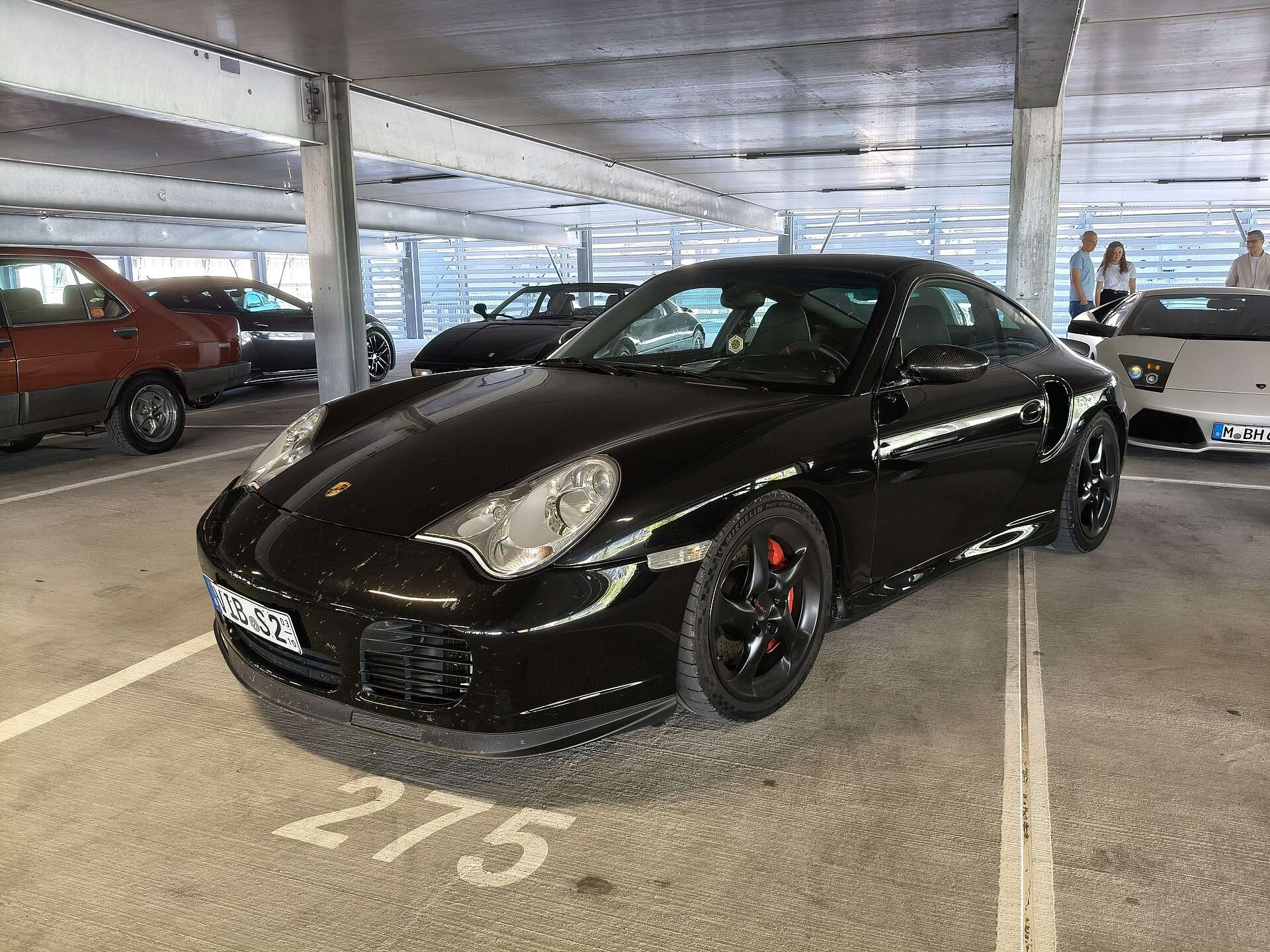
Porsche 911 Turbo 996
The first water-cooled 911 Turbo: 420 PS, all-wheel drive, X50 and Turbo S differences, plus ownership checks.
Photograph: Ghost2112376, CC0, via Wikimedia Commons.
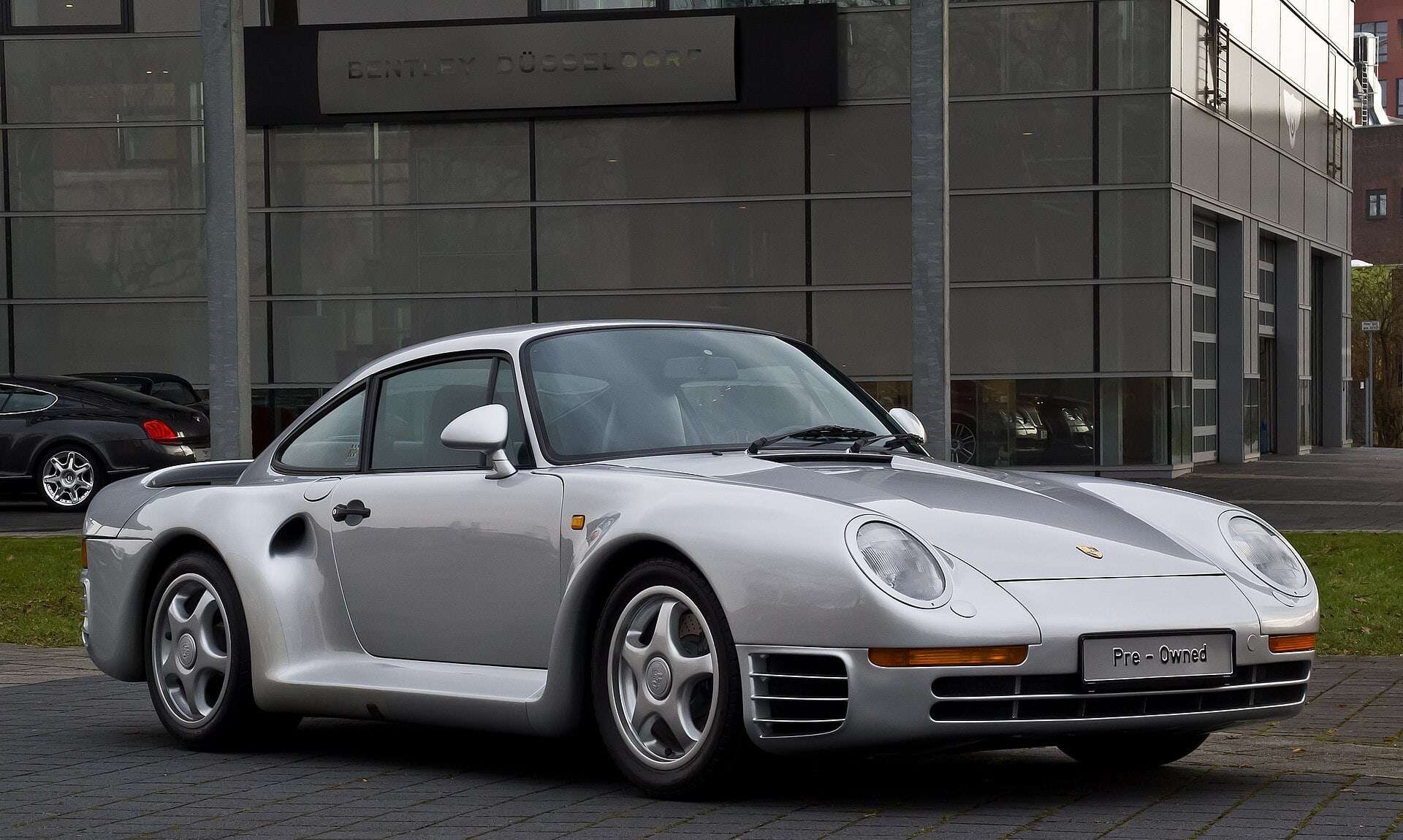
Porsche 959
The Group B technology platform: sequential twin turbos, variable four-wheel drive, Dakar success and ownership checks.
Photograph: M 93, CC BY-SA 3.0 DE, via Wikimedia Commons.
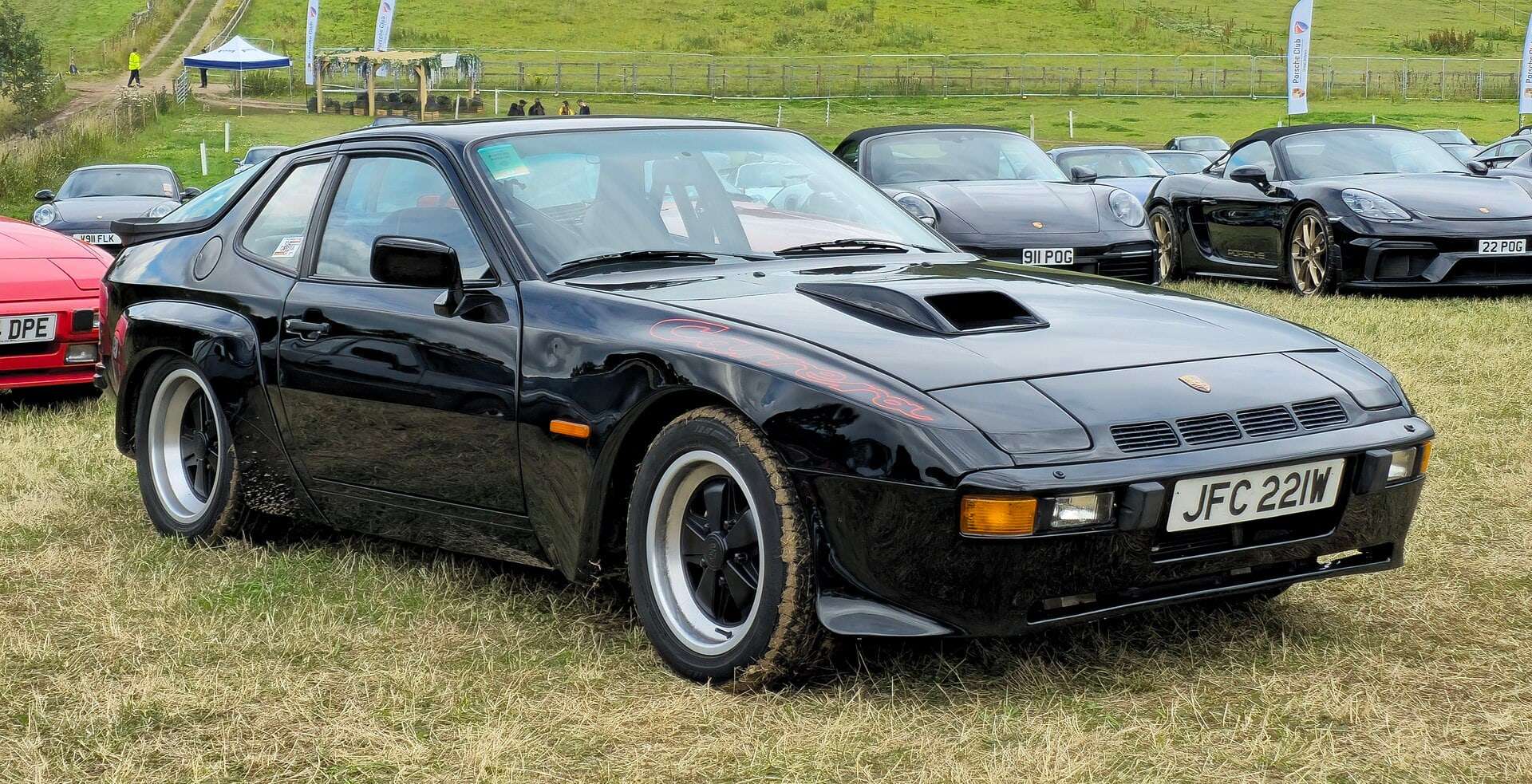
Porsche 924 Carrera GT, GTS and GTR
The rare Group 4 homologation family, with road, rally and circuit versions clearly distinguished.
Photograph: Calreyn88, CC BY-SA 4.0, via Wikimedia Commons.

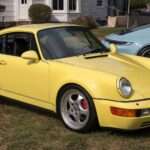
Porsche 911 Turbo 964
The final single-turbo rear-drive generation, covering the 3.3, 3.6 and rare Turbo S Leichtbau.
Photograph: Mr.choppers, CC BY-SA 3.0, via Wikimedia Commons.

Porsche Carrera GT
The carbon-bodied 612 PS V10 supercar: racing origins, technical specifications and specialist ownership checks.
Photograph: Brian Snelson, CC BY 2.0, via Wikimedia Commons.

Porsche 911 Turbo 930
The original 911 Turbo, from the 260 PS 3.0 to the intercooled 3.3, Flatnose and final five-speed cars.
Photograph: Ermell, CC BY-SA 4.0, via Wikimedia Commons.
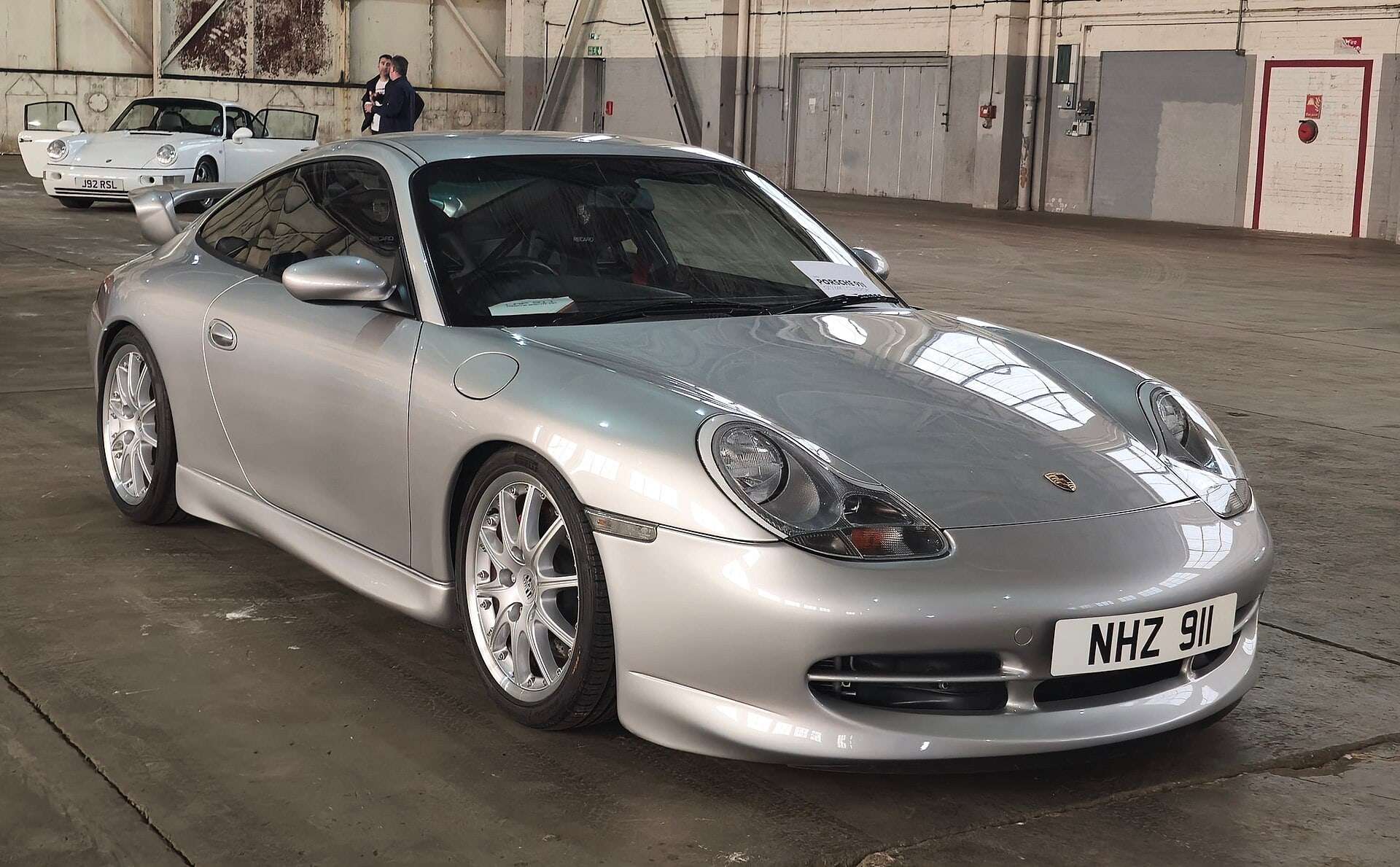
Porsche 911 GT3 996
The first GT3: 360 and 381 PS road cars, Clubsport specification, the first GT3 RS and ownership checks.
Photograph: Calreyn88, CC BY-SA 4.0, via Wikimedia Commons.
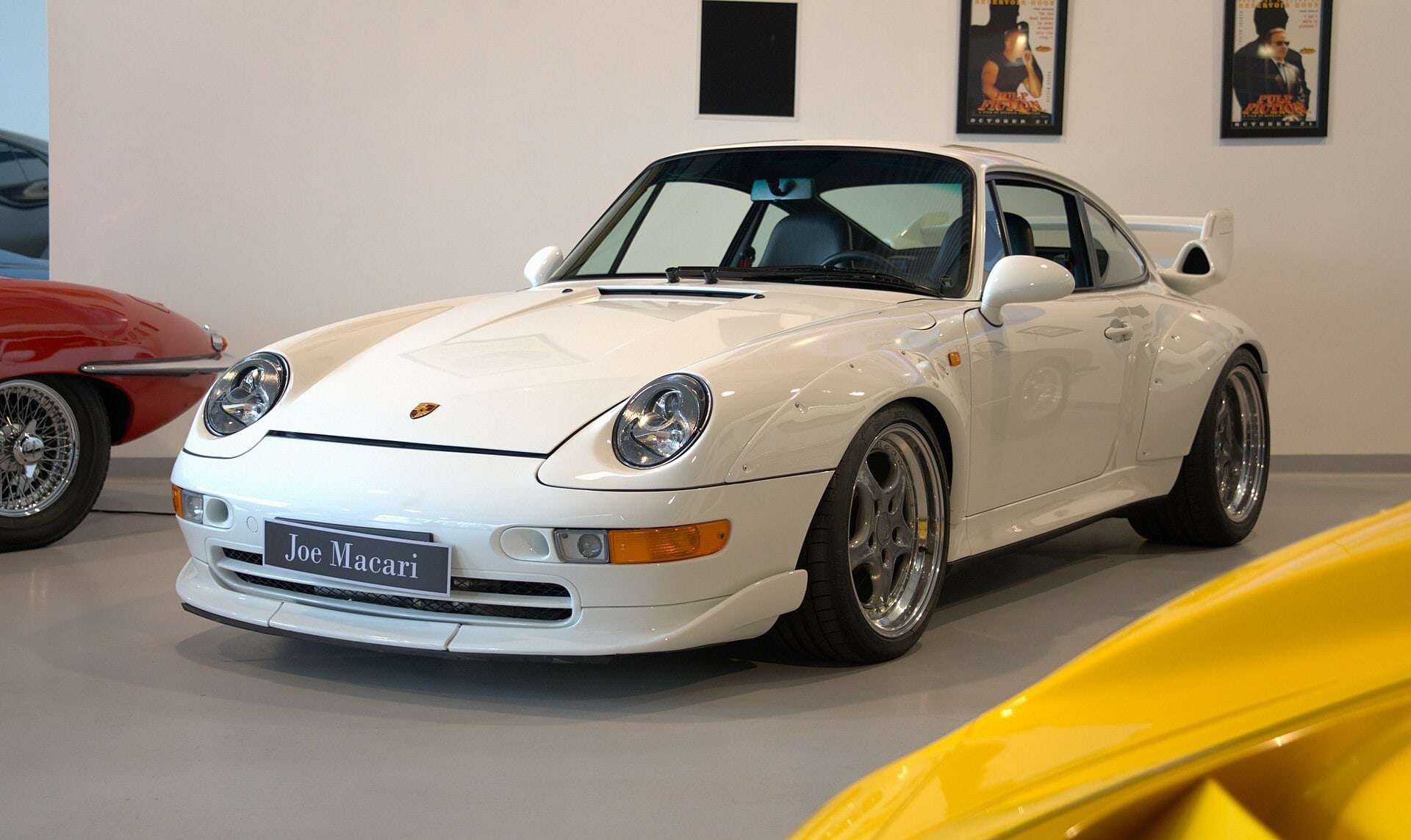
Porsche 911 GT2 993 and GT2R
The air-cooled rear-drive homologation special, covering the road GT2, Clubsport, GT2R and GT2 Evo.
Photograph: MrWalkr, CC BY-SA 4.0, via Wikimedia Commons.

Porsche 914 and 914-6
The mid-engined VW-Porsche family, from four-cylinder road cars to the rare 914-6, GT and 916.
Photograph: Lothar Spurzem, CC BY-SA 2.0 de, via Wikimedia Commons.
How the Porsche story fits together
The 928 and four-cylinder transaxle cars show Porsche looking beyond the rear-engined 911. The 944 Turbo proved that a practical front-engined coupé could deliver serious performance, while the 968 Club Sport stripped that layout back to its most focused road-going form. The 928 pursued a different objective: V8 power, refinement and high-speed stability.
The 996 Turbo belongs to another turning point. Water cooling, all-wheel drive and twin turbochargers made it extraordinarily capable, while the engine’s GT1-related architecture gave it a technical identity distinct from the contemporary Carrera. Together, these cars explain why Porsche’s unusual models matter as much as its obvious icons.
The 924 Carrera GT connects the transaxle family to homologation and competition, while the 959 shows Porsche using rallying to develop variable all-wheel drive and sequential turbocharging. The 930 and 964 Turbo guides trace the single-turbo, rear-drive 911 line; the 993 GT2 and 996 GT3 show how homologation shaped the later GT cars; and the Carrera GT turns an unused endurance-racing V10 into a carbon-bodied road car. The 914 adds the earlier mid-engined collaboration that broadened Porsche beyond the 911.
Buying an unusual Porsche
- Identity: verify VIN, option codes, market specification and factory records before paying for a rare derivative.
- Maintenance: timing belts, cooling systems, transmissions, brakes and suspension must be assessed according to the model rather than by badge reputation.
- Originality: modifications can be worthwhile, but they need invoices, coherent engineering and honest description.
- Structure: inspect for corrosion, accident repairs, track-use evidence and ageing sealants even on galvanised cars.
- Specialist inspection: diagnostics and marque knowledge are worth budgeting for before purchase.
Love cars you don’t see every day?
Get forgotten cars, surprising motoring stories and the most interesting finds from Unusual Cars by email.
Free to join. No spam. Unsubscribe whenever you like. See our privacy policy.
Frequently asked questions
Which Porsche in this guide has a front-mounted V8?
The Porsche 928 uses a front-mounted V8 with a rear transaxle.
What does 951 mean in Porsche terminology?
951 is the internal type designation commonly used for the Porsche 944 Turbo coupé.
How many Porsche 968 Club Sports were built?
Porsche states that 1,538 Club Sports were produced.
Which Porsche here was the first series model to exceed 300 km/h?
The 996-generation 911 Turbo was the first series-production Porsche to pass 300 km/h, with a quoted top speed of 305 km/h.


.jpg)

,_21._M%C3%A4rz_2013,_D%C3%BCsseldorf.jpg)


.jpg)
-_6280186.jpg)

_GT2.jpg)
.JPG)