UNUSUAL CARS MODEL GUIDE
The Porsche 924 Carrera GT, type 937, transformed the early 924 Turbo into a Group 4 homologation special. Introduced in 1980, it combined a 210 PS two-litre turbo engine with wider composite bodywork, improved intercooling and reduced weight. Porsche built 406 Carrera GT road cars before developing the still rarer Carrera GTS and competition-only GTR.
Quick answer: the Carrera GT is the attainable-looking but exceptionally rare road homologation model; the GTS is a lighter, more powerful evolution; and the GTR is the dedicated racing version. Correct identity is crucial because ordinary 924s and Turbos can be modified to resemble them.
Why Porsche created the 924 Carrera GT
The front-engined 924 gave Porsche a modern entry model, but its Volkswagen-Audi-sourced engine architecture and restrained performance divided traditionalists. Turbocharging improved the standard 924, while competition offered a way to demonstrate the transaxle chassis’s potential. To compete in Group 4, Porsche needed a homologated road base, producing the Carrera GT type 937.
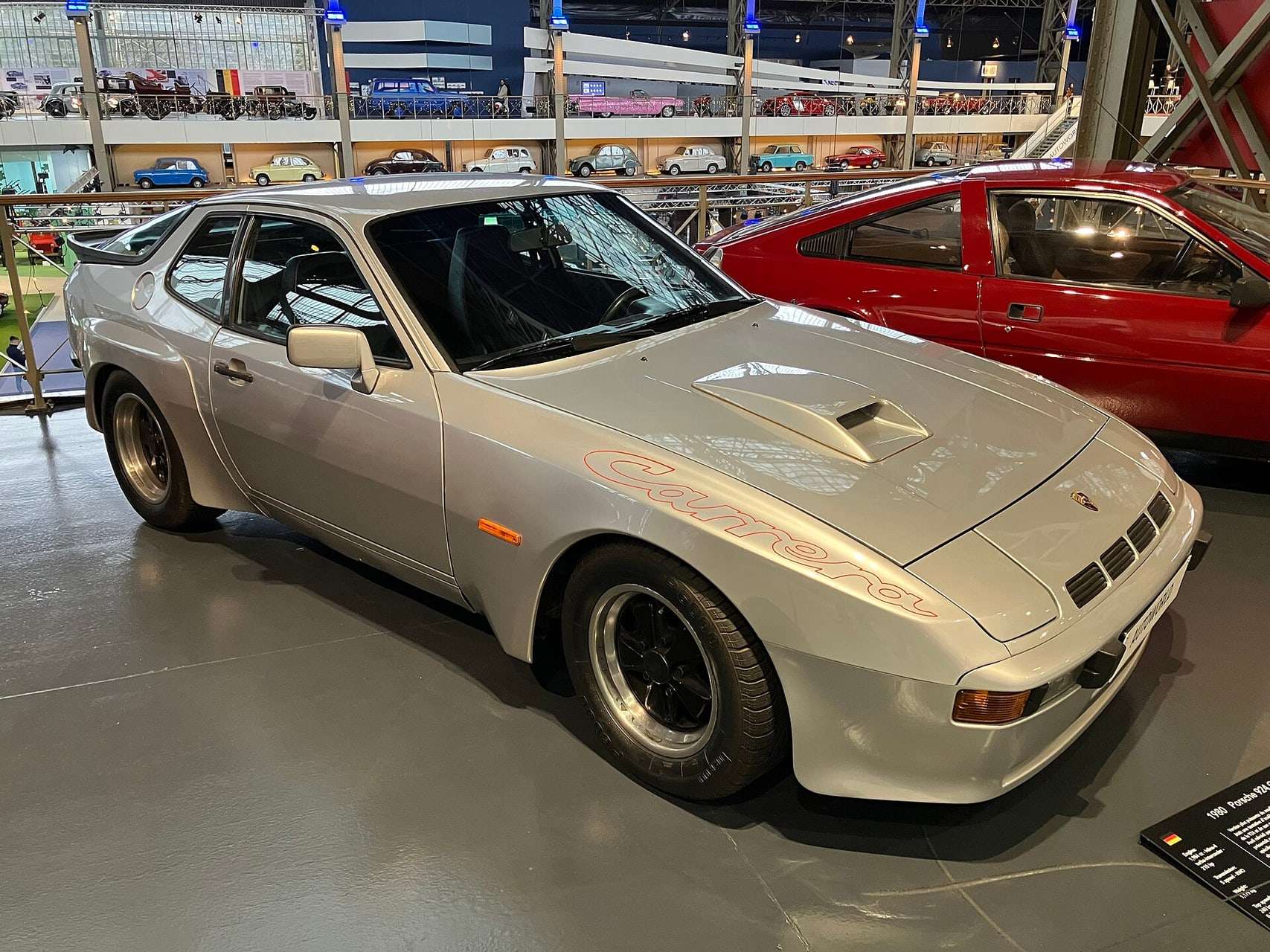
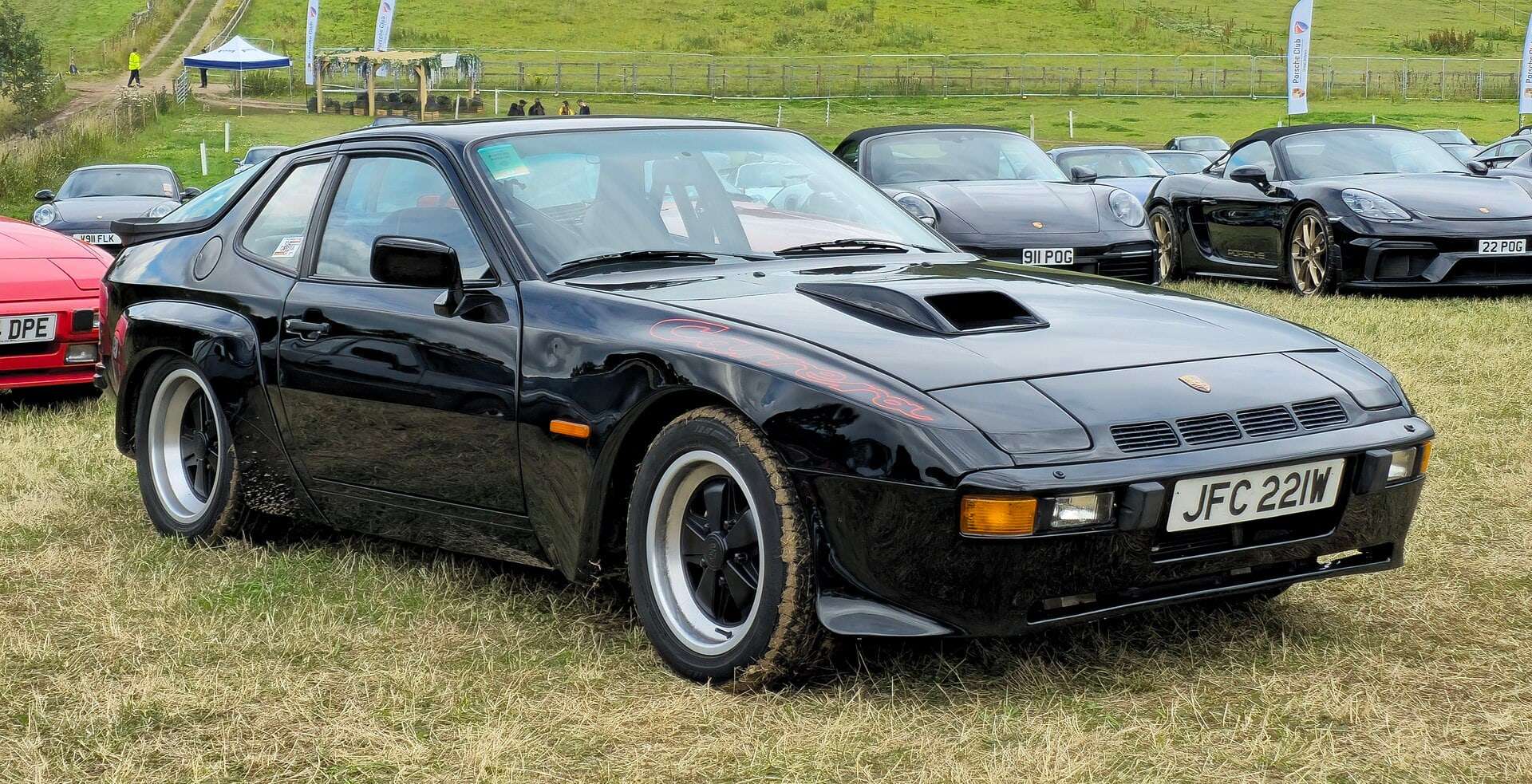
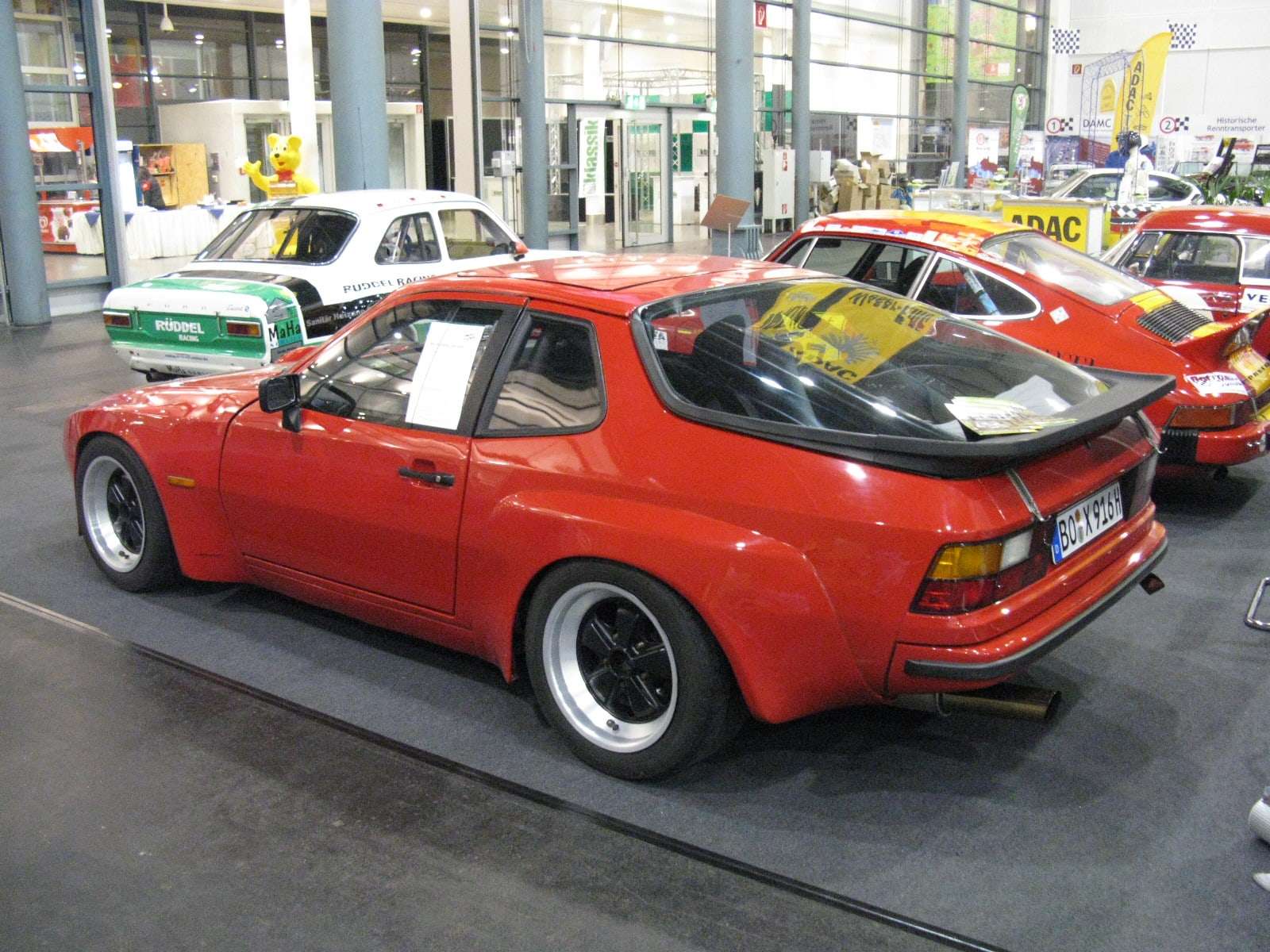
The prototype appeared at the 1979 Frankfurt motor show and the production version followed in 1980. Visually it adopted widened front wings and rear wheel-arch extensions, a bonnet scoop, deeper front spoiler and distinctive polyurethane components. Beneath those changes was a focused development of the 924 Turbo rather than a cosmetic special.
Engine, chassis and transaxle engineering
The Carrera GT retained the 1,984 cc turbocharged four-cylinder layout but used a larger intercooler, revised compression ratio and engine management changes to produce 210 PS. Drive passed through a rear-mounted five-speed transaxle, helping balance the car’s front engine. Porsche quoted a kerb weight of approximately 1,180 kg, 0-100 km/h in 6.9 seconds and a 240 km/h maximum speed.
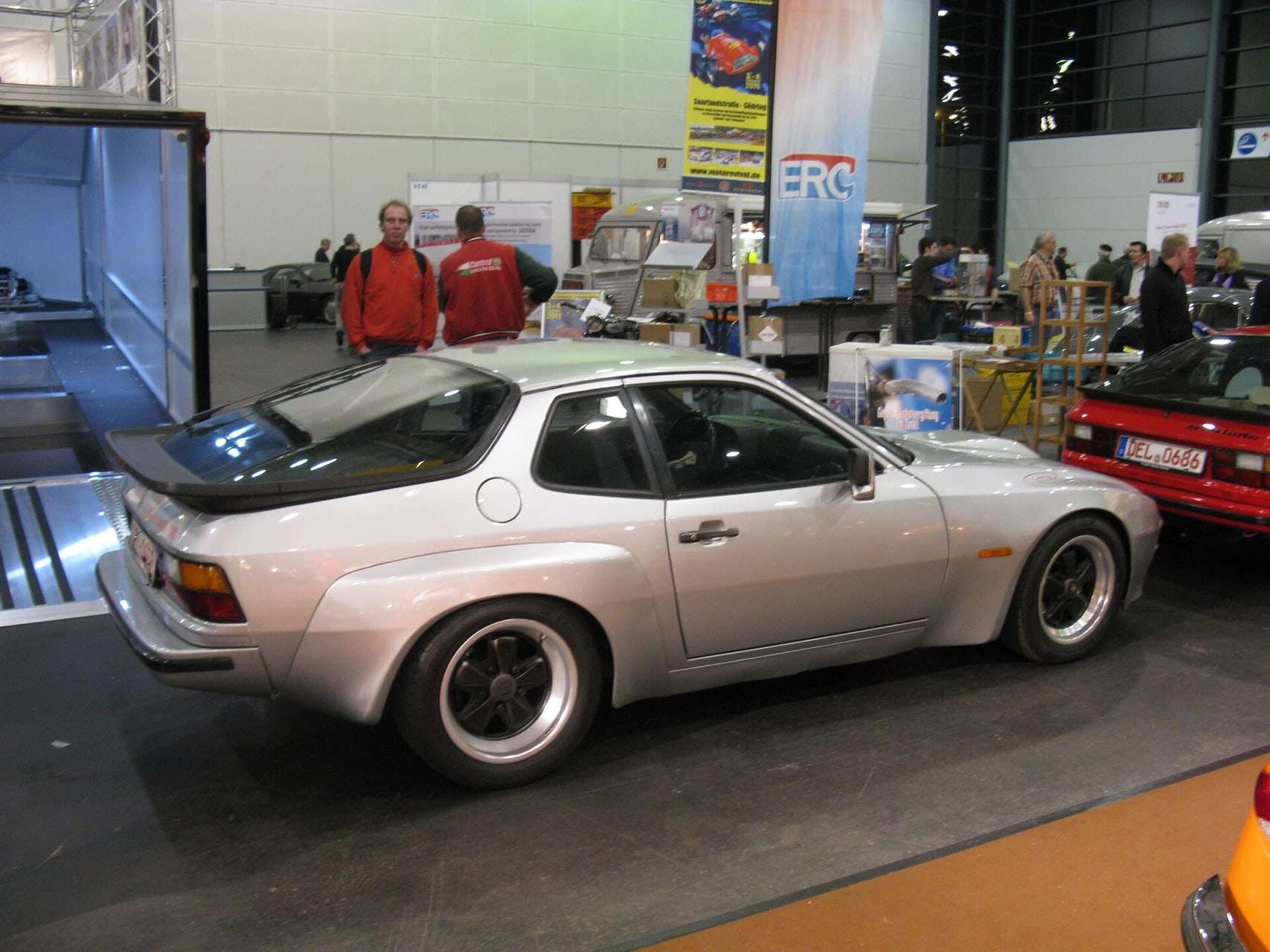
Suspension and braking were upgraded, and the wider body accommodated larger wheels and tyres. The result previewed the stance and engineering direction of the 944 while remaining a distinct homologation model with its own type number and production history.
Carrera GT, GTS and GTR differences
| Version | Output | Character |
|---|---|---|
| 924 Carrera GT, type 937 | 210 PS | Road homologation model; 406 produced. |
| 924 Carrera GTS | 240 PS | Lighter evolution with more extensive competition equipment; 50 road-approved examples are commonly cited by Porsche. |
| 924 Carrera GTS Clubsport | 275 PS | More focused derivative with roll cage and further weight reduction. |
| 924 Carrera GTS Rally | 280 PS | Factory rally development associated with Walter Röhrl’s 1981 German Championship campaign. |
| 924 Carrera GTR | 375 PS | Dedicated circuit-racing version rather than a normal road car. |

Production and UK-market interest
Porsche records 406 Carrera GTs. Right-hand-drive cars form only a small part of that total and are especially sought after in Britain, but market claims must be supported by chassis records rather than steering-wheel position alone. The GTS and GTR are substantially rarer and should be identified using factory documentation.
Love cars you don’t see every day?
Get forgotten cars, surprising motoring stories and the most interesting finds from Unusual Cars by email.
Free to join. No spam. Unsubscribe whenever you like. See our privacy policy.
Motorsport significance
The Carrera family proved that the 924 platform could support serious competition. Porsche developed the GTS Rally for Walter Röhrl and Christian Geistdörfer in the 1981 German Rally Championship, while GTRs competed internationally on circuits including Le Mans. These cars helped change perceptions of the 924 and fed experience into the later 944 programme.

The road Carrera GT therefore matters for more than rarity. It sits at the point where the early 924 Turbo, Porsche’s customer competition programme and the broader transaxle family meet.
How to identify a genuine 924 Carrera GT
Begin with the type 937 identity, chassis number and factory records. Check that the engine, gearbox, body panels, glass, interior and option details correspond with the claimed car. Original features include the widened body, bonnet scoop, specific spoilers, 16-inch Fuchs wheels and model-specific interior details, but individual components can be copied.
A converted 924 Turbo can be an enjoyable car if represented honestly, yet it is not a Carrera GT. Do not rely on badges, flared arches or a period-looking colour scheme. Provenance should connect the physical car to original documentation and a coherent ownership history.

Porsche 924 Carrera GT buying checks
Inspect the structure carefully, including sills, floors, suspension mounting points, battery area, wheel housings and previous accident repairs. The composite extensions and spoilers need checking for cracks, distortion and repairs that hide damage underneath. Panel fit matters because replacement Carrera-specific parts are scarce.
The turbocharged engine needs evidence of correct cooling, lubrication and timing-belt maintenance. Check for overheating, oil smoke, unstable boost, injection faults and non-standard modifications. The clutch, torque tube, transaxle and limited-slip differential require specialist assessment, while brakes, dampers, bushes and correct wheels can add substantially to recommissioning costs.
Inside, verify the instruments, electrical equipment, seats and trim against the original specification. Cars used in competition may have valuable history, but they also need a clear record of shell repairs, safety equipment and mechanical rebuilds.
Sources and further reading
- Porsche Newsroom: transaxle model history
- Porsche Newsroom: 924 Carrera GTS Rally reunion
- Porsche Museum: 924 Carrera GT
Continue the Porsche story
The Carrera GT is the homologation link between the 924 Turbo and Porsche’s later transaxle performance cars. Explore the Rare & Performance Porsche hub, then read the Porsche 944 Turbo guide and the Porsche 968 Club Sport guide.
Frequently asked questions
How many Porsche 924 Carrera GTs were built?
Porsche records 406 Carrera GT road cars. The Carrera GTS, GTS Clubsport and GTR were much rarer developments.
What is the Porsche 924 Carrera GT type number?
The Carrera GT is type 937. Factory records and the chassis identity are essential because ordinary 924s can be modified to resemble it.
How much power does a 924 Carrera GT have?
The road-going Carrera GT produced 210 PS from its turbocharged 1,984 cc four-cylinder engine.
What is the difference between a 924 Carrera GT and GTS?
The GTS was lighter and more powerful, with 240 PS in standard form; the Clubsport and rally developments went further.
Is the Porsche 924 Carrera GTR road legal?
The GTR was designed as a dedicated circuit-racing car. Any road registration should be investigated individually rather than assumed from the model name.