UNUSUAL CARS MODEL GUIDE
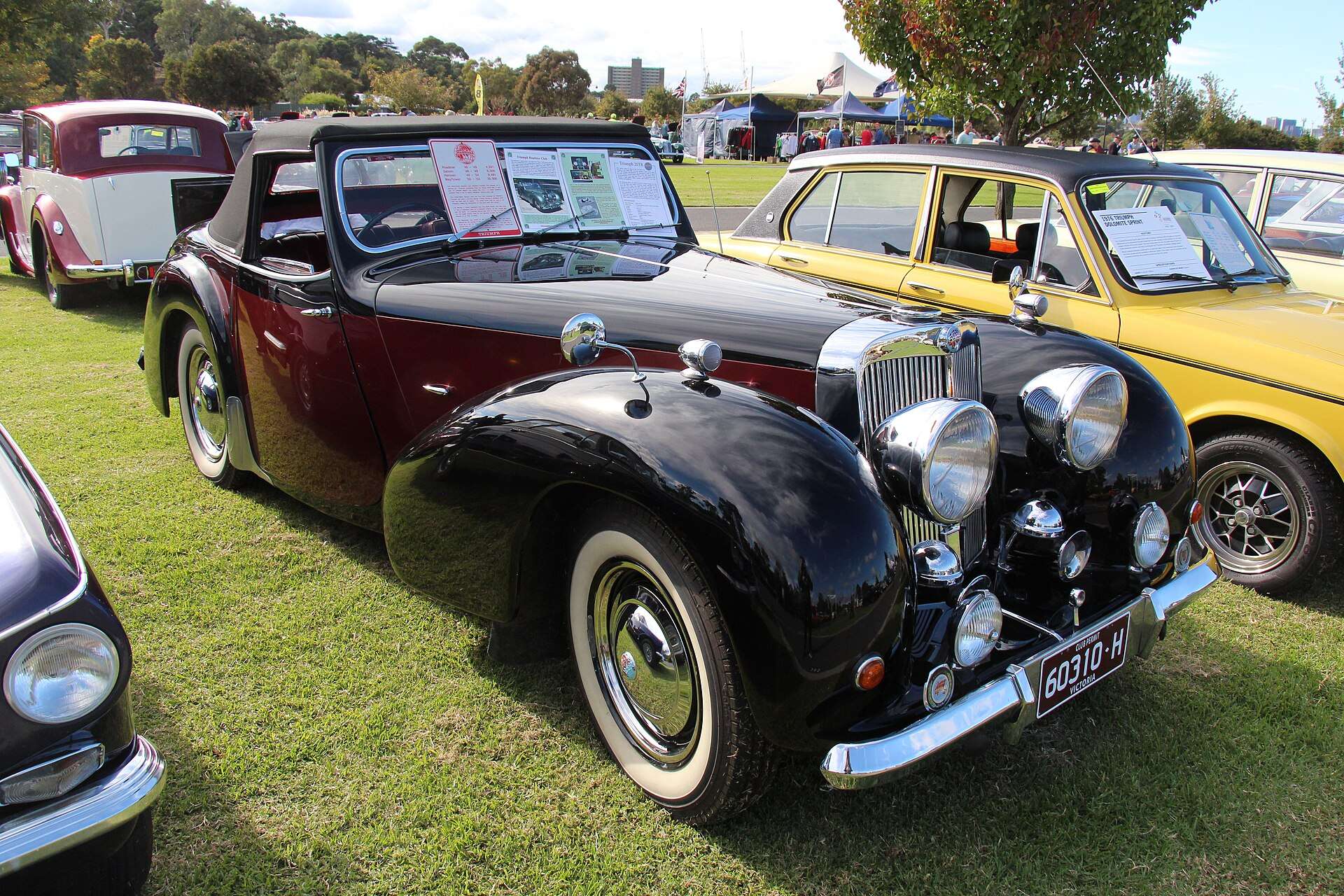
The Triumph Roadster was a hand-finished post-war open car produced from 1946 to 1949 in 1800 and 2000 forms. Its aluminium-over-ash body, separate wings, three-abreast front bench and exposed rear dickey seat made it deliberately traditional even when more modern sports cars were emerging.
Quick answer: the Roadster is a glamorous touring car rather than a sharp sports car. The 1800 has a 1,776 cc engine and four-speed gearbox, while the later 2000 uses Standard Vanguard running gear and a three-speed all-synchromesh gearbox. Structural wood, aluminium bodywork, chassis condition and completeness dominate any buying decision.
Rebuilding Triumph after the war
The Standard Motor Company acquired the Triumph name and assets during the Second World War. Managing director Sir John Black wanted a car that could challenge Jaguar’s appeal, but post-war material restrictions shaped the result. Aluminium was more available than sheet steel, so the Roadster used aluminium panels supported by an ash frame and mounted on a separate steel chassis.
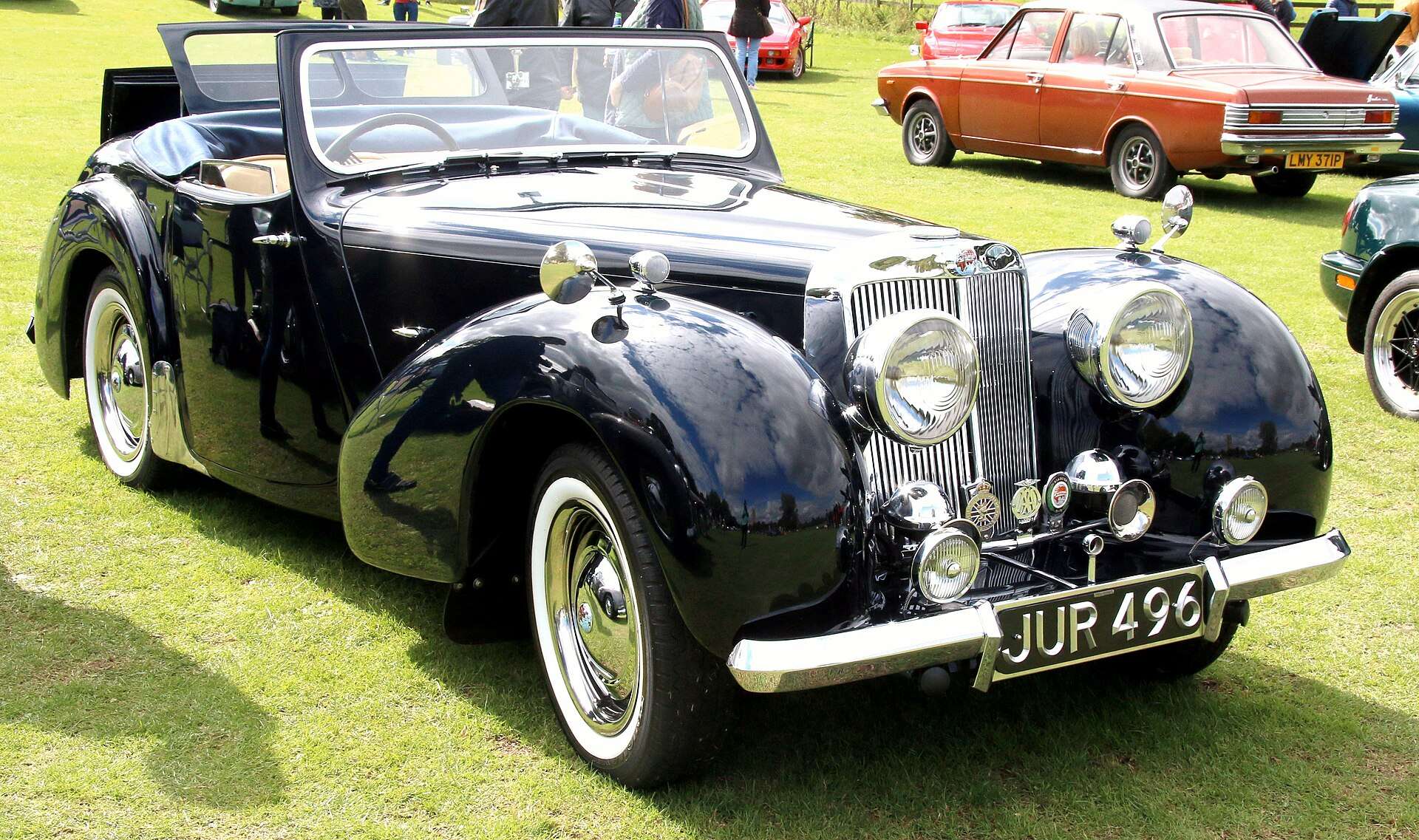
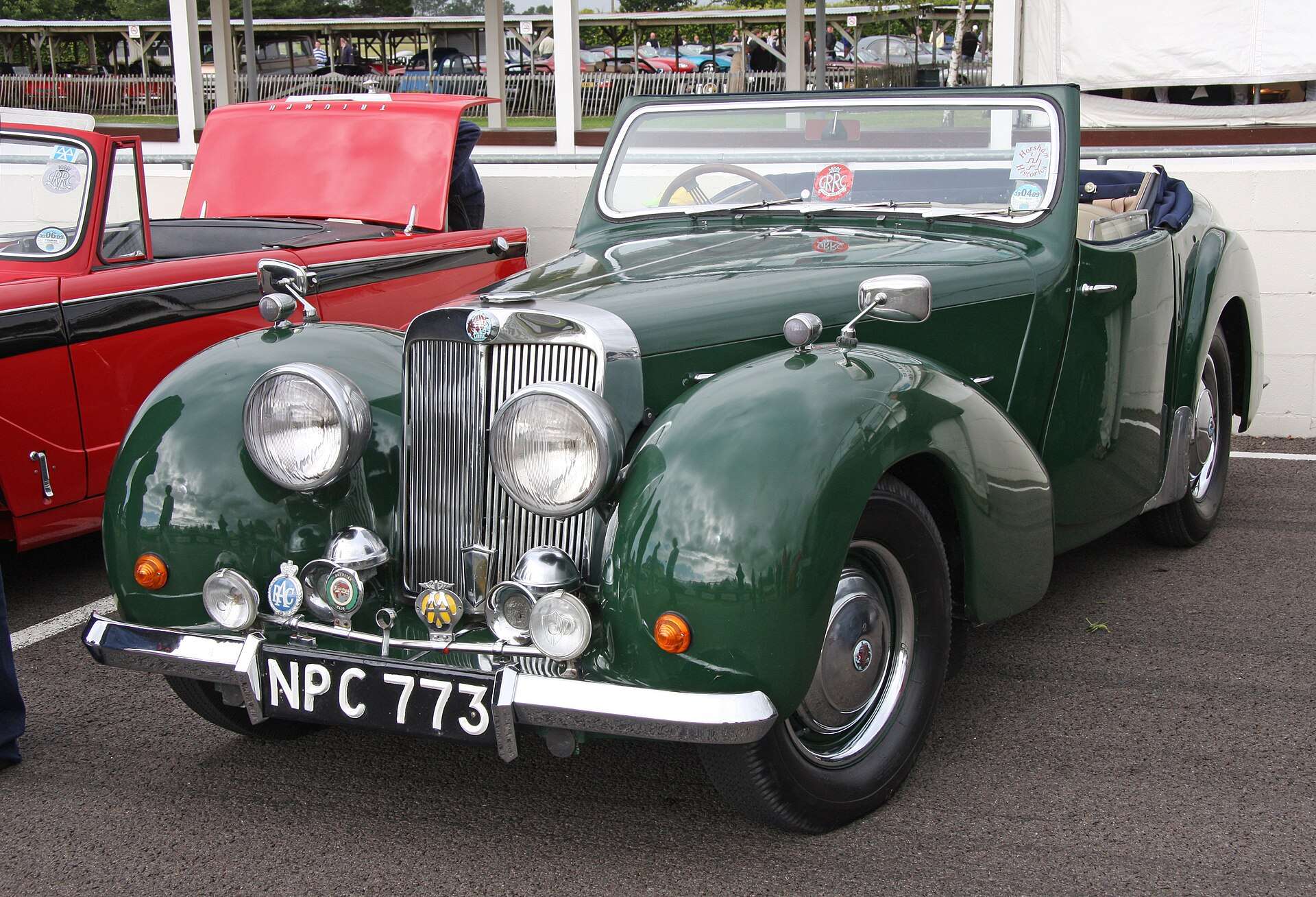
Frank Callaby styled the body under the direction of Walter Belgrove and Arthur Ballard, combining a long bonnet with sweeping wings and a large upright grille. The front bench was advertised for three, while two occasional passengers could sit in the rear dickey seat behind a separate folding windscreen.
Triumph 1800 and 2000 compared
| Version | Production | Main specification |
|---|---|---|
| Roadster 1800 / 18TR | 1946–1948; 2,501 built | 1,776 cc overhead-valve four-cylinder engine and four-speed manual gearbox. |
| Roadster 2000 / 20TR or TRA | 1948–1949; 2,000 built | 2,088 cc Standard Vanguard wet-liner engine, stronger chassis details and three-speed all-synchromesh gearbox. |
The production totals come from the Triumph Roadster Club. The larger engine improved flexibility rather than transforming the car into a high-performance machine. The 2000’s three-speed gearbox sounds like a retreat from the 1800’s four ratios, but its full synchromesh made ordinary progress easier.
The last production dickey seat
The Roadster’s defining feature is the rear dickey seat, sometimes called a rumble seat. It opens from the tail and has its own small windscreen, but occupants remain outside the weather protection used by the front compartment. It is part theatre, part occasional transport and a vivid reminder of pre-war coachbuilding practice.

Check that the lid, hinges, catches, steps and windscreen are complete and operate correctly. Missing hardware can be difficult to replace, and poor alignment may indicate deterioration in the surrounding timber or previous accident damage.
Love cars you don’t see every day?
Get forgotten cars, surprising motoring stories and the most interesting finds from Unusual Cars by email.
Free to join. No spam. Unsubscribe whenever you like. See our privacy policy.
Body, ash frame and chassis
Aluminium does not rust like steel, but it can corrode, crack and react where it contacts dissimilar metals. Look for bubbling, distortion and filler, especially around mounting points, doors and lower edges. Repairs demand someone familiar with aluminium panelwork rather than ordinary steel-body methods.
The ash frame provides structure and shape beneath the panels. Doors that drop, catches that will not align or changing gaps can signal timber decay. Inspect the steel chassis for corrosion, cracks and old plating, and examine every body mounting. Restoring body, wood and chassis together is a specialised and expensive undertaking.

Engine, gearbox and brakes
The 1800 engine shares its basic design with a unit supplied by Standard to Jaguar, while the 2000 adopted the wet-liner Standard Vanguard engine that later influenced the TR2 power unit. Check starting, oil pressure, cooling, exhaust smoke and signs of water or oil leaks. Long storage can leave fuel, ignition and cooling systems requiring systematic recommissioning.
Gearboxes should select without jumping out, rear axles should not howl and the clutch should take up smoothly. The braking system is entirely conventional for its period but must be maintained carefully. Pulling, fluid loss or a sinking pedal needs immediate attention. Steering should not have excessive free play.
Interior, weather equipment and completeness
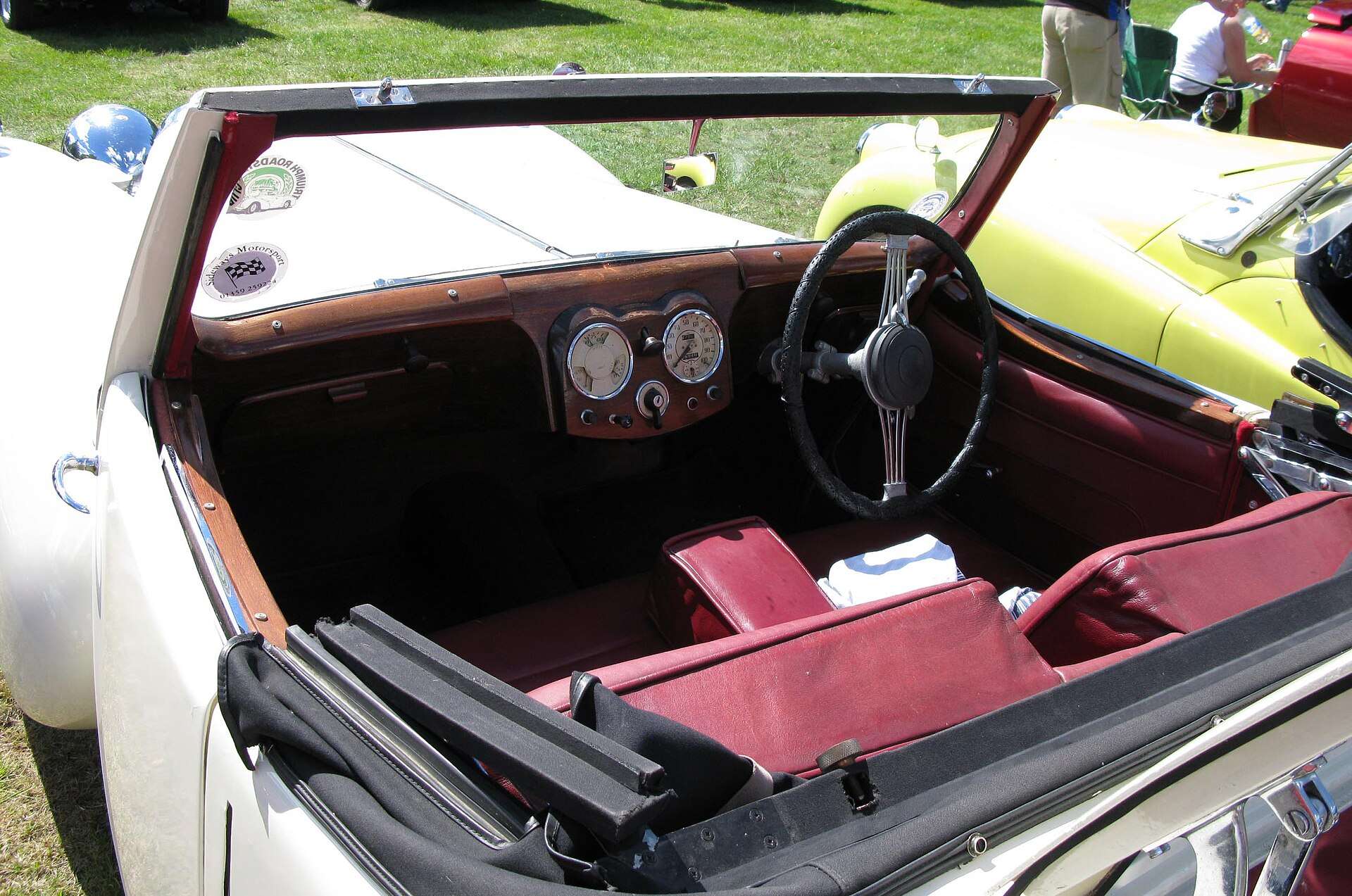
The broad front seat, wooden dashboard, instruments, hood frame and side weather equipment define the cabin. Water damage can affect timber and trim as well as carpets. Check that the hood erects cleanly, side screens fit, wipers work and the charging system copes with lights and accessories.
Many components were produced in small numbers and are costly to recreate. A complete but worn car can therefore be preferable to a shiny example missing correct lamps, handles, instruments, wheel trims or dickey-seat fittings.

Bergerac and modern recognition
The model gained a second life in popular culture when a Roadster appeared in the television detective series Bergerac. Several cars are associated with filming, so any claim that a particular example appeared on screen requires documentary provenance. Television fame should not substitute for a thorough inspection.
The Roadster Club records 2,501 examples of the 1800 and 2,000 of the 2000. Survival is significant for such a low-production post-war car, but condition ranges from carefully conserved examples to restorations completed when correct techniques and parts were less accessible.
Sources and further reading
- Triumph Roadster Club
- Triumph Sports Six Club Roadster model overview
- British Motor Museum online collections
Continue the Triumph story
The Roadster revived the Triumph name after the war and created a bridge to the much sportier TR generation. Explore the Triumph hub Read the Triumph TR4, TR5 and TR250 guide Read the Triumph Dolomite Sprint guide
Frequently asked questions
When was the Triumph Roadster built?
The Triumph Roadster was produced from 1946 to 1949, first as the 1800 and then as the 2000.
How many Triumph Roadsters were made?
The Triumph Roadster Club records 2,501 examples of the 1800 and 2,000 examples of the 2000.
What is the difference between the Roadster 1800 and 2000?
The 1800 uses a 1,776 cc engine and four-speed gearbox. The 2000 uses the 2,088 cc Standard Vanguard engine and a three-speed all-synchromesh gearbox, with associated chassis and braking changes.
Does the Triumph Roadster have a dickey seat?
Yes. A rear lid opens to reveal an occasional two-person seat with its own small windscreen, separate from the front hood.
What are the biggest buying risks?
Deterioration of the ash frame, corrosion or cracking in the aluminium body, steel-chassis damage, incomplete unique fittings and poorly documented television or provenance claims are the main risks.