UNUSUAL CARS MODEL GUIDE
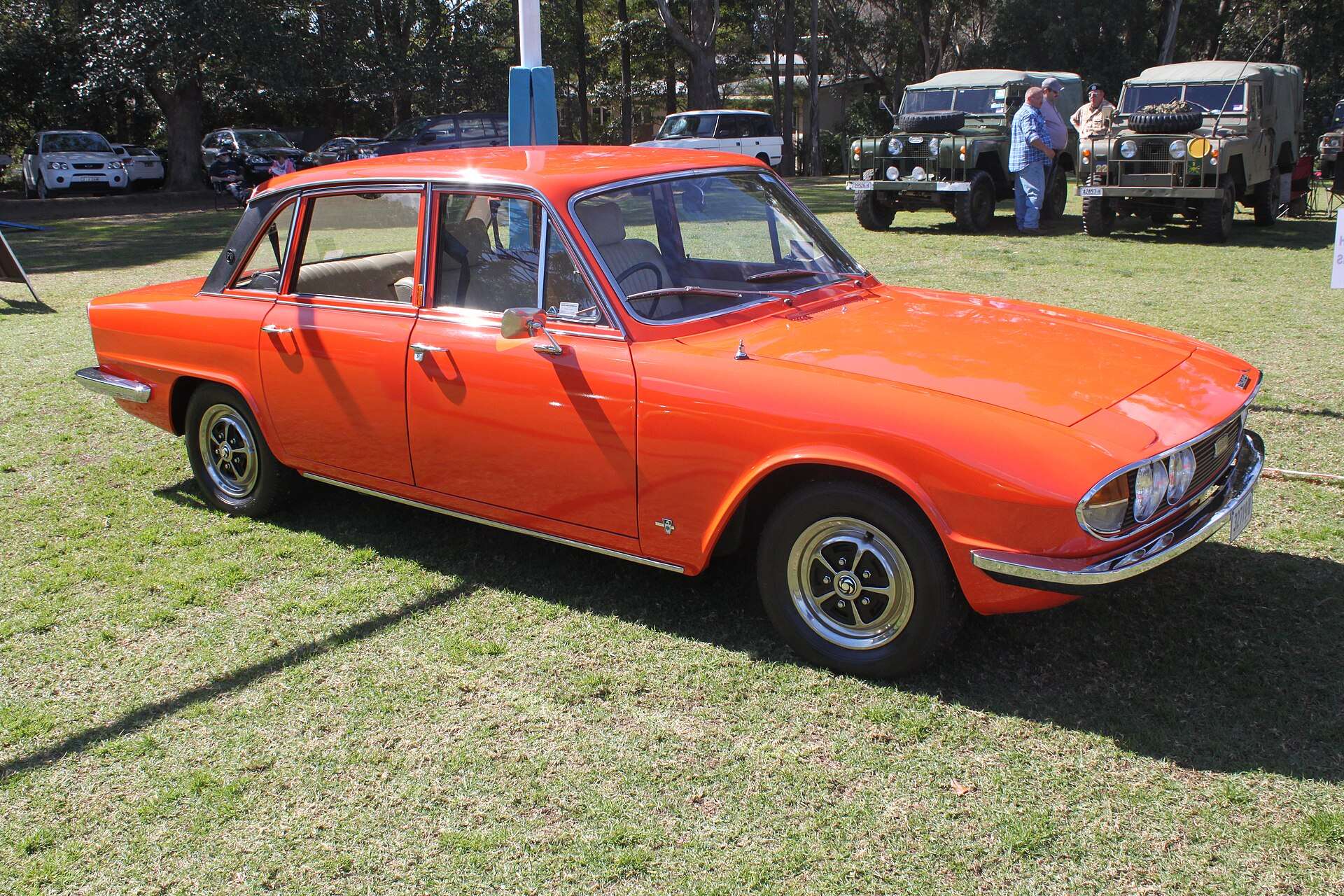
The Triumph 2000, 2.5 PI, 2500TC and 2500S were six-cylinder rear-wheel-drive executive cars produced from 1963 to 1977. Styled by Giovanni Michelotti and engineered around independent suspension, they combined a refined straight-six with a roomy saloon or estate body and became the last large Triumphs.
Quick answer: the 2000 is the smooth, understressed choice; the 2.5 PI is the most distinctive and fastest but demands a properly functioning Lucas injection system; and the late 2500S combines twin-carburettor simplicity with the best-developed suspension and equipment. Rust and previous repairs are the major buying risks.
Creating the British executive saloon
Triumph introduced the 2000 in 1963 at almost the same moment as Rover launched the P6 2000. Together they helped define a compact executive class below traditional large luxury saloons. Michelotti’s crisp body surrounded a front-mounted 1,998 cc straight-six, a four-speed gearbox and independent suspension at both ends.
The estate arrived in 1965 with rear bodywork produced by Carbodies. Estates are now significantly rarer than saloons, and trim, tailgate hardware and load-area fittings can be difficult to replace. Automatic transmission and overdrive broadened the car’s touring appeal.
Model development
| Version | Period | Main distinction |
|---|---|---|
| 2000 Mk1 | 1963–1969 | Original Michelotti body and 1,998 cc straight-six. |
| 2.5 PI Mk1 | 1968–1969 | 2,498 cc engine with Lucas mechanical petrol injection. |
| 2000 and 2.5 PI Mk2 | 1969–1975 | Restyled front and rear, revised cabin and continuing six-cylinder range. |
| 2500TC | 1974–1977 | 2.5-litre engine with twin carburettors. |
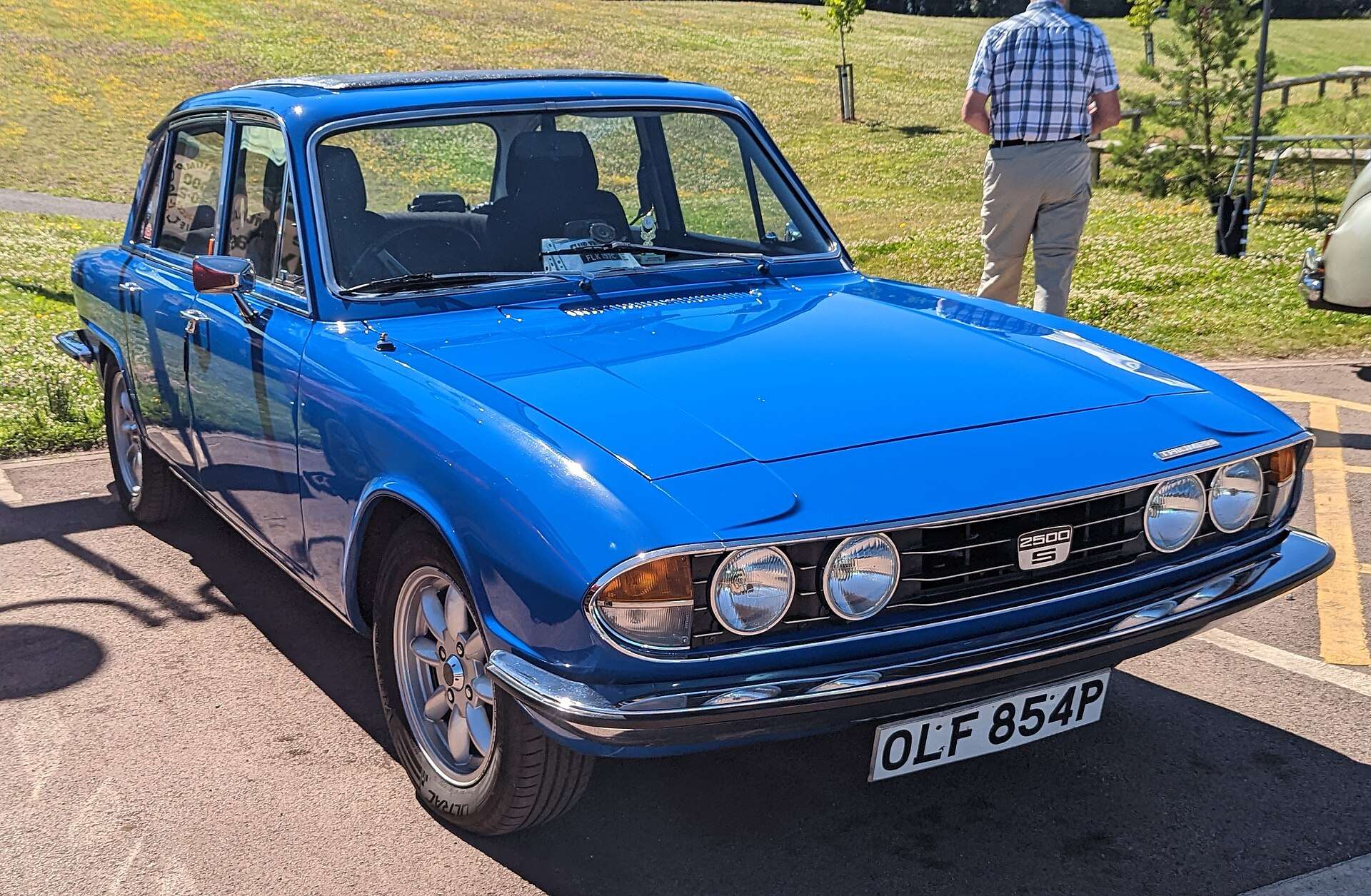
| 2000TC and 2500S | 1975–1977 | Final developed range; 2500S gained higher specification and revised suspension. |
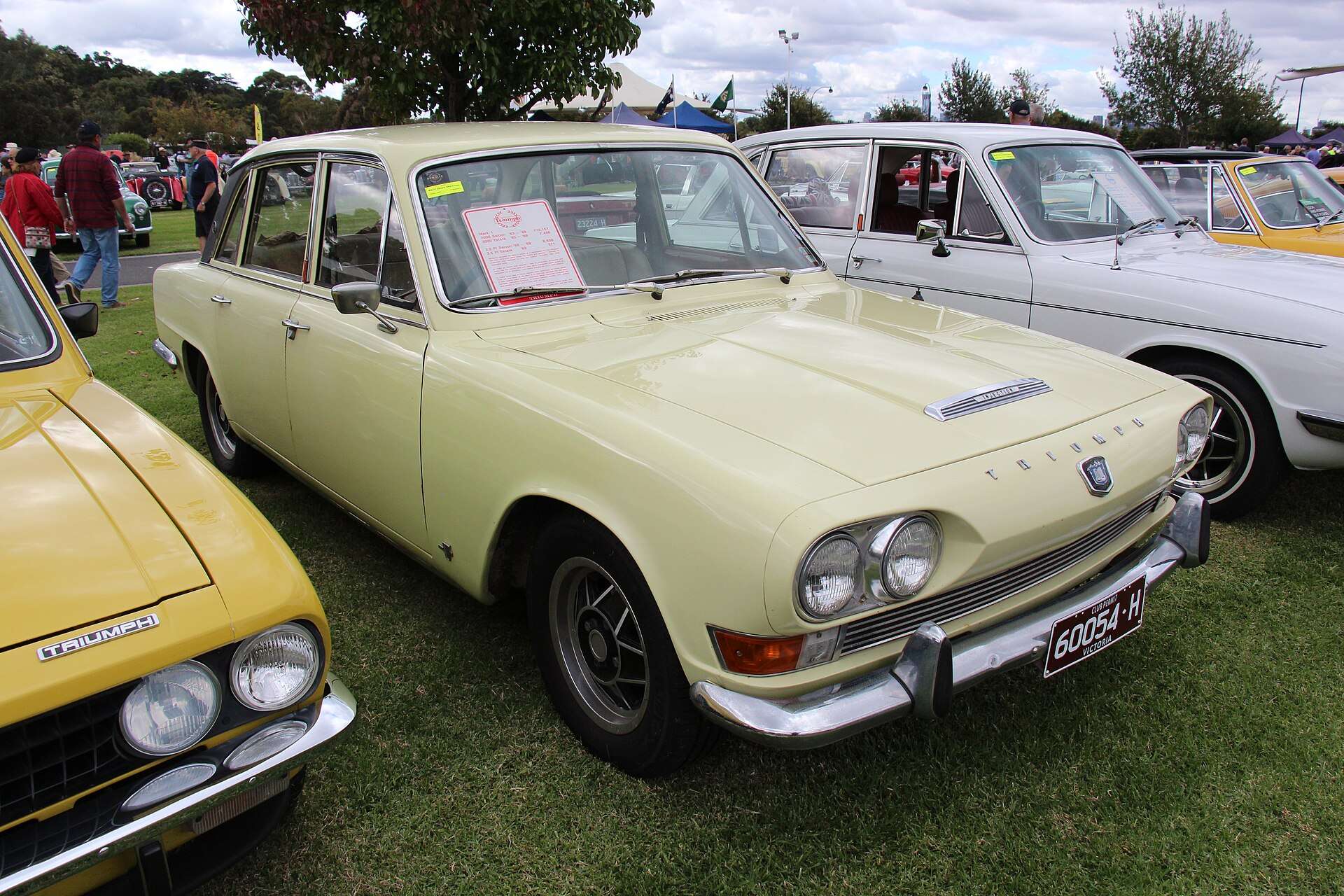
The Mk2 appeared in 1969 with a longer, more formal nose, revised tail treatment on the saloon and a new dashboard. The British Motor Museum records a final total of 316,962 cars and identifies the 2500S as the last of the line, built in 1977 before the Rover SD1 replaced the large Triumph range.
The 2.5 PI and Lucas petrol injection
The 2.5 PI used a 2,498 cc version of Triumph’s straight-six with Lucas mechanical petrol injection. It delivered notably stronger torque and performance than the 2000, giving the restrained saloon an unusual dual character. The system is effective when correctly maintained, but pressure, electrical supply, metering, injectors and heat management all need to work together.
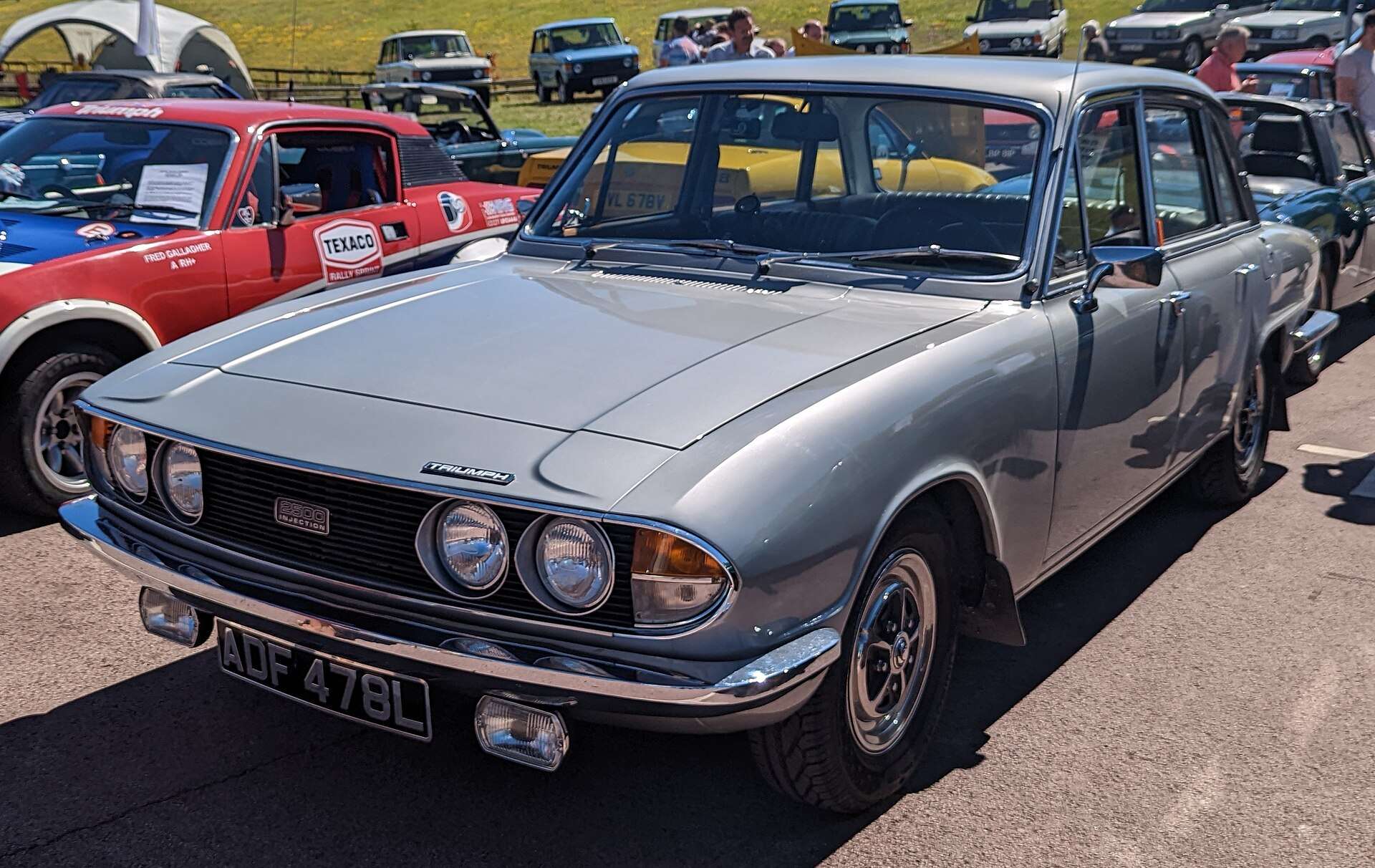
Hard starting, uneven idle or hesitation should be diagnosed rather than dismissed as normal. Many cars were converted to carburettors when injection knowledge was scarce. A conversion may be usable, but originality, calibration and documentation affect value. Check fuel hoses carefully and investigate any persistent petrol smell.
Love cars you don’t see every day?
Get forgotten cars, surprising motoring stories and the most interesting finds from Unusual Cars by email.
Free to join. No spam. Unsubscribe whenever you like. See our privacy policy.
Engines, transmission and running gear
All versions use a smooth overhead-valve straight-six. Check oil pressure hot, listen for timing-chain and bottom-end noise and examine crankshaft end float. Cooling systems suffer when neglected, and sediment, tired hoses or a marginal radiator can turn a healthy engine into an overheating one.
Manual gearboxes may have overdrive; automatics use a three-speed unit. Overdrive should engage cleanly, gearboxes should not jump out of ratio and differentials should not clonk excessively. Worn propshaft joints, driveshafts and rear hubs can produce vibration or noise.
Bodywork, suspension and brakes
These cars were not comprehensively rustproofed. Inspect front wings, inner wings, suspension turrets, sills, floors, door bottoms, screen surrounds, rear arches, boot floor and subframe mounting areas. On estates add the tailgate, roof gutters, load floor and rear body seams. Fresh paint can conceal complex structural corrosion.
The independent rear suspension uses semi-trailing arms and driveshafts. Check bushes, springs, dampers, differential mounts and wheel alignment. Steering should be precise without power-assistance leaks where fitted. Brakes must pull up straight, with no servo or master-cylinder uncertainty.
Rare variants and the prototype hatchback
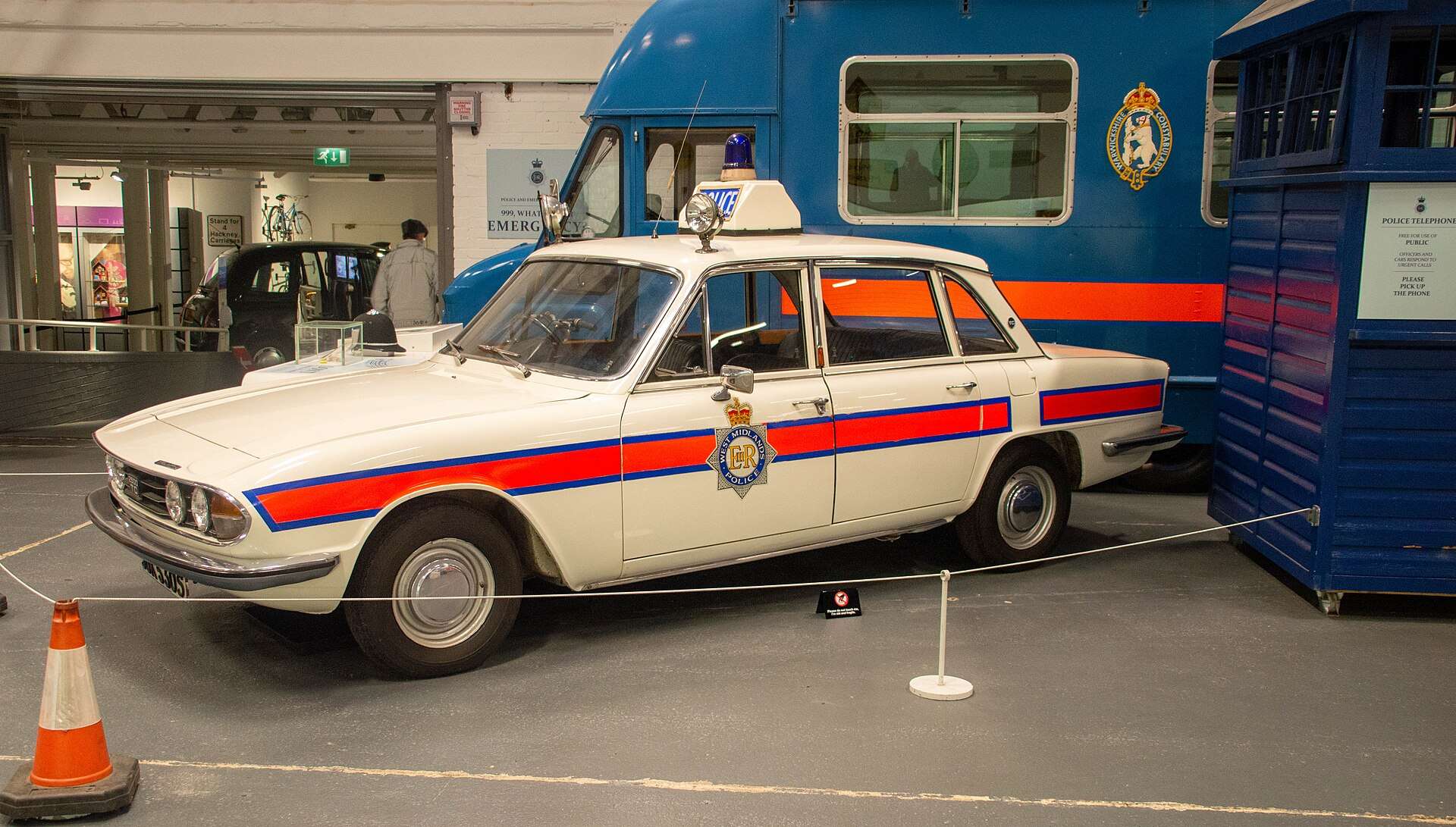
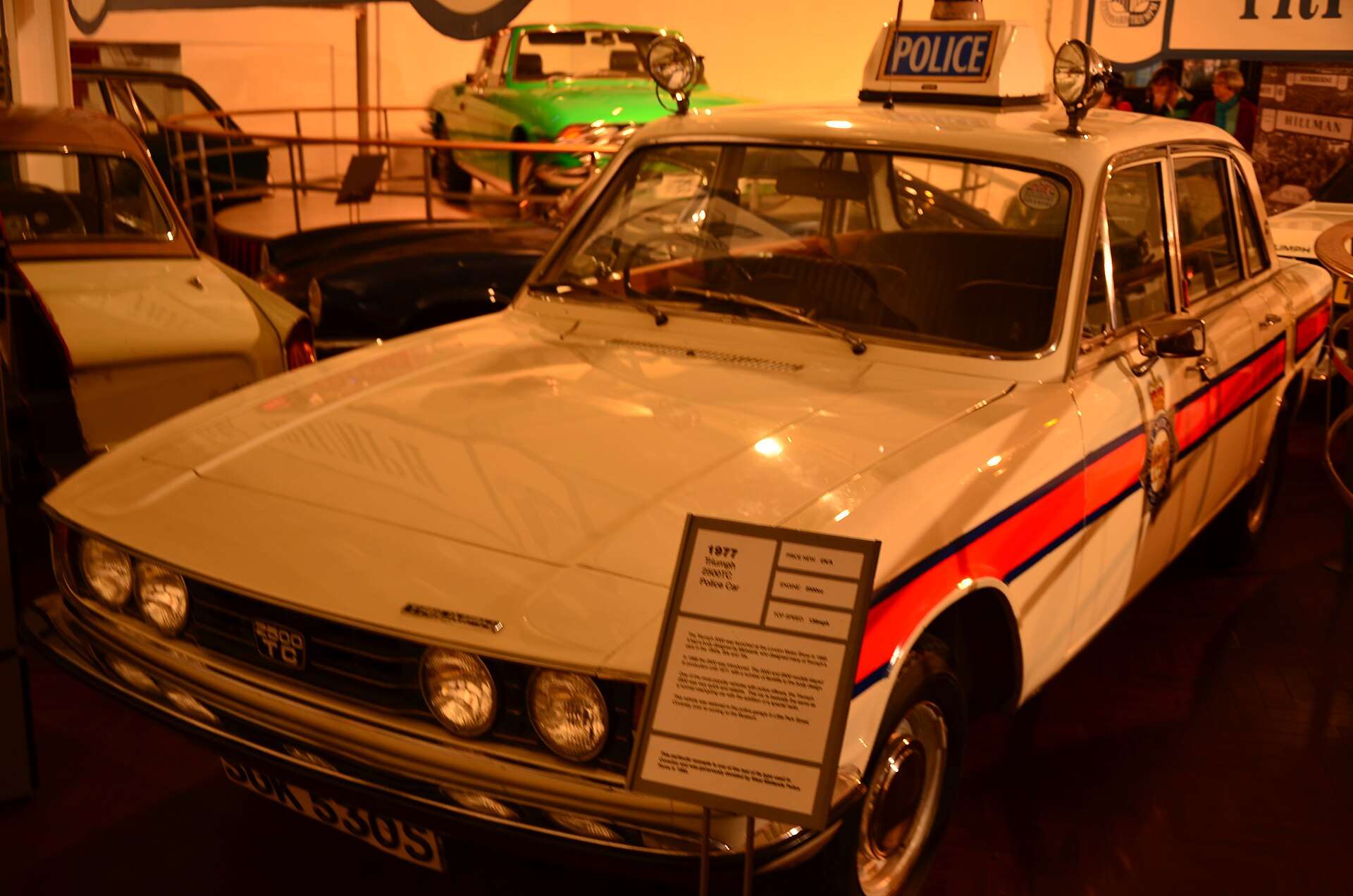
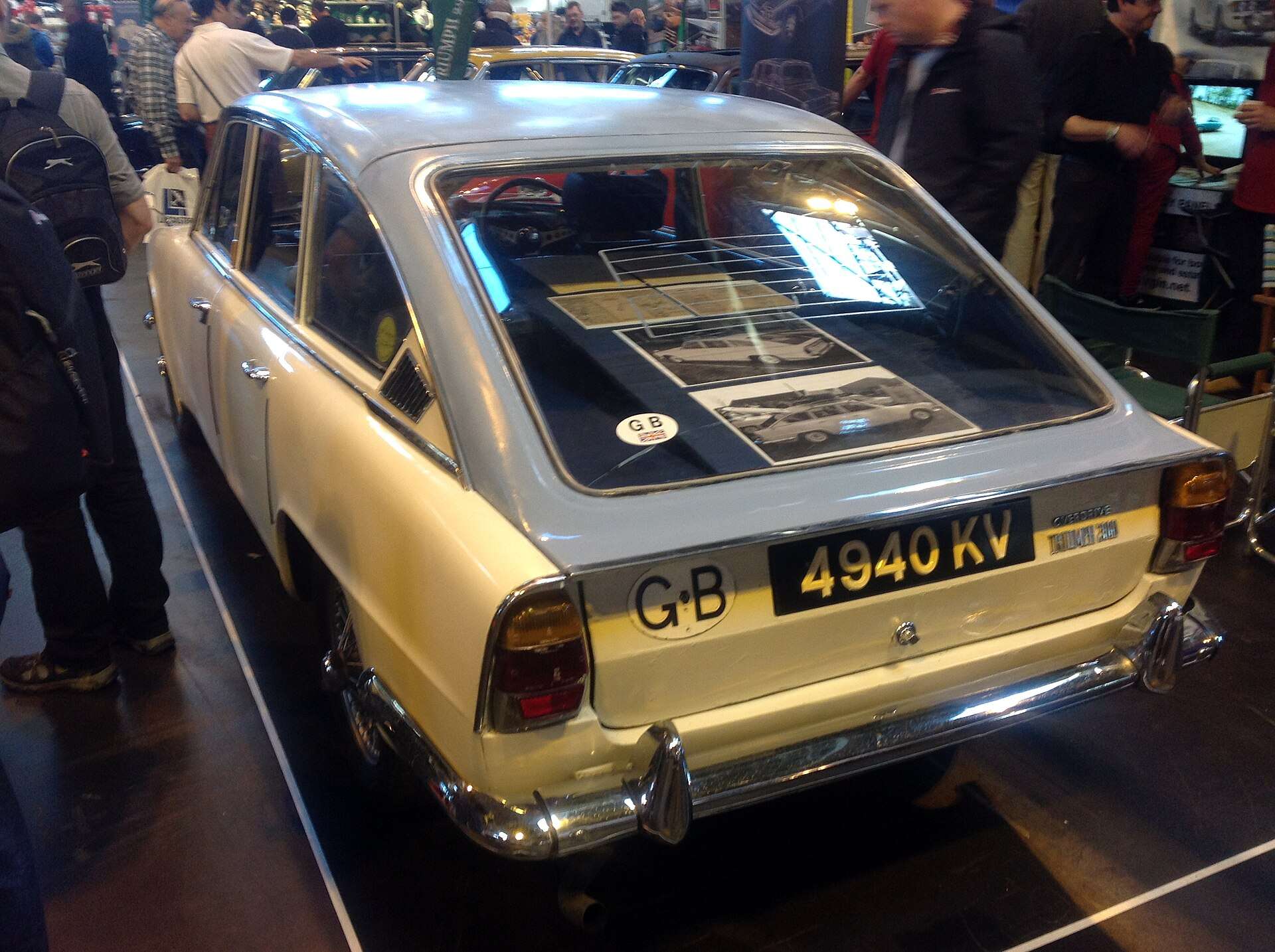
Estates, early injected cars and surviving police specifications add interest beyond the familiar saloons. Triumph also explored a five-door hatchback derivative of the 2000. It did not reach production, but the prototype illustrates how adaptable the platform appeared before British Leyland rationalised its executive-car programmes.
Choosing the right example
A complete, structurally sound 2000 can be easier to own than a superficially glamorous but incomplete PI. Interior wood, model-specific trim, estate fittings and correct wheels deserve careful assessment because mechanical service parts are generally easier to source. Verify the commission number, engine type, gearbox, original market and any conversion history.
Sources and further reading
- British Motor Museum: last-of-line Triumph 2500S
- Triumph 2000/2500/2.5 Register technical specifications
- Triumph 2000/2500 Register buyers’ guide
Continue the Triumph story
The big six-cylinder saloons show a quieter side of Triumph engineering without losing the marque’s mechanical character. Explore the Triumph hub Read the Triumph TR4, TR5 and TR250 guide Read the Triumph Dolomite Sprint guide
Frequently asked questions
When was the Triumph 2000 range produced?
The Triumph 2000 family was produced from 1963 until 1977 in Mk1 and Mk2 forms, with 2.0-litre and 2.5-litre saloon and estate derivatives.
What is the difference between a Triumph 2.5 PI and 2500TC?
The 2.5 PI uses Lucas mechanical petrol injection, while the 2500TC uses twin carburettors. Both have 2,498 cc straight-six engines but differ in output, response and maintenance needs.
What was special about the Triumph 2500S?
The 2500S was the final high-specification carburettor model, combining the 2.5-litre engine with revised suspension, alloy wheels and improved equipment.
Where do Triumph 2000 and 2500 models rust?
Inspect the wings, suspension turrets, sills, floors, doors, screen surrounds, rear arches, boot floor and suspension mounting areas; estates also need close tailgate and load-floor checks.
Is a carburettor-converted 2.5 PI still a genuine PI?
Its identity may remain that of a 2.5 PI, but it no longer has the defining factory injection system. The conversion should be documented and reflected in originality and value.