UNUSUAL CARS MODEL GUIDE
The first-generation Volkswagen Sharan VR6 put a narrow-angle six-cylinder engine into a seven-seat family MPV, and later V6 versions raised output to 204PS. Front-wheel-drive, Syncro and 4Motion variants turned a practical joint-venture people carrier into one of Volkswagen’s most unexpected performance flagships.
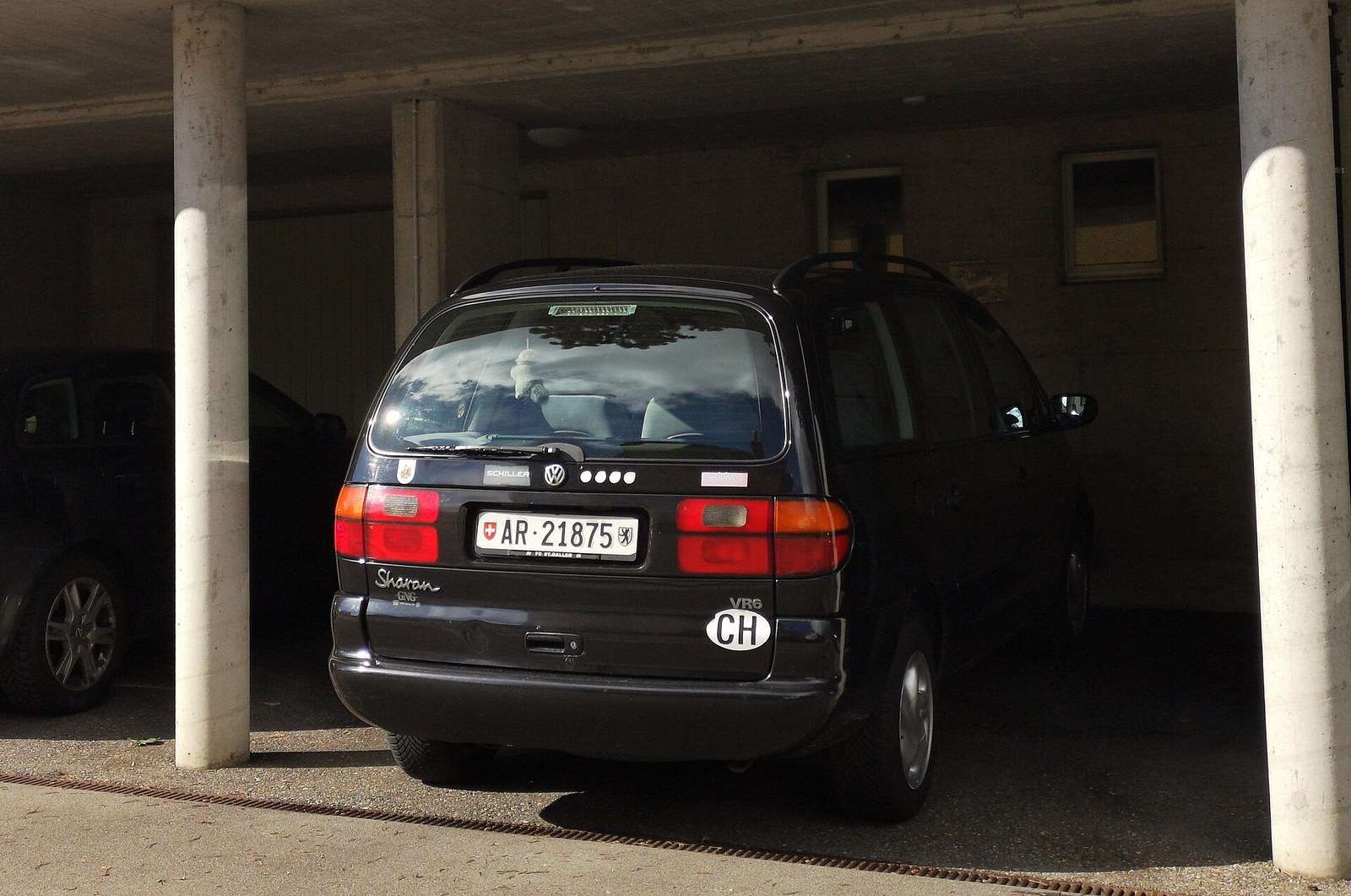
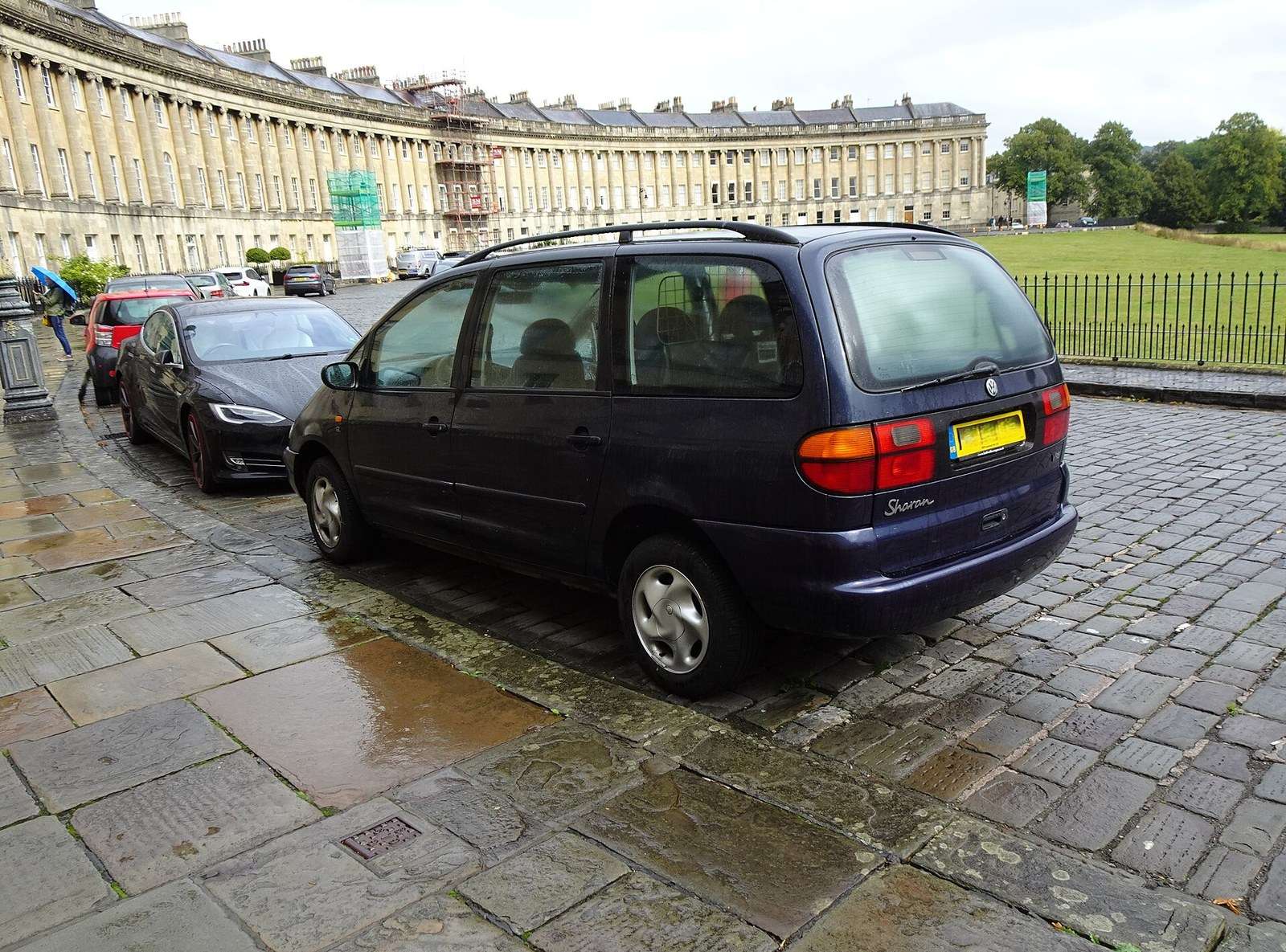
Featured image: Volkswagen Sharan 2.8 VR6 rear three-quarter view. Photograph by Rutger van der Maar, CC BY 2.0, via Wikimedia Commons; locally hosted.
The Autoeuropa MPV project
Volkswagen and Ford formed the Autoeuropa venture in Portugal to develop and build a European large MPV. The Volkswagen Sharan, Ford Galaxy and SEAT Alhambra shared their basic structure, while engines, trim and model development created different identities. The Sharan debuted in 1995 with flexible seating for up to seven.
The VR6 sat at the top of the early petrol range. Its compact architecture allowed six cylinders to fit transversely, giving the Sharan smoother and stronger performance without changing the practical cabin. It was an expensive niche choice in a market dominated by diesels.
| Specification | Detail |
|---|---|
| First-generation production | 1995–2010 |
| VR6 | 2,792cc, 174PS and 235Nm; 1995–2000 |
| Later V6 | 2,792cc, 204PS and 265Nm; 2000–2010 |
| Drive | Front-wheel drive; Syncro/4Motion versions available |
| Capacity | Up to seven seats; maximum load volume approximately 2,610 litres |
VR6, V6, Syncro and 4Motion
The original 2,792cc VR6 produced 128kW, or 174PS, and 235Nm. Volkswagen’s archive records it from 1995 to 2000. From the major 2000 update, a revised 24-valve 2.8 V6 produced 150kW, or 204PS, and 265Nm, remaining available until the first generation ended in 2010.
Front-wheel drive was standard on many cars, while the early Syncro and later 4Motion systems added permanent all-wheel-drive capability. Gearboxes and market combinations varied, so check the VIN and build data. Do not assume a V6 badge proves 4Motion, or that every imported car matches UK specification.
Love cars you don’t see every day?
Get forgotten cars, surprising motoring stories and the most interesting finds from Unusual Cars by email.
Free to join. No spam. Unsubscribe whenever you like. See our privacy policy.
Space, seating and real-world character
The Sharan occupied no more road space than a large estate but offered removable individual rear seats and up to 2,610 litres of carrying capacity. The six-cylinder engine made full-load motorway travel effortless and gave the MPV a sound and character absent from diesel versions.
It was never a hot hatch on stilts. Weight and a high centre of gravity favour smooth progress, and brake, tyre and suspension condition influence confidence. The unusual appeal comes from pairing seven-seat usefulness with a drivetrain normally associated with Volkswagen’s sporting cars.

Engine and cooling checks
Start from cold and listen for timing-chain rattle. Persistent noise, correlation faults or poor running require specialist diagnosis. Check ignition coils, crankcase ventilation and oil leaks. The engine should idle evenly and pull without misfire through the rev range.
The cooling system works hard in a heavy MPV. Inspect pumps, thermostat housings, radiator, fans, hoses and expansion tank, and confirm stable temperature in traffic. Any evidence of overheating needs careful investigation. Service history should show appropriate oil rather than long unexplained gaps.
Transmission and four-wheel-drive checks
Manual cars need a clean gearshift and a clutch that does not slip under load. Automatic versions require smooth engagement and documented fluid care appropriate to the fitted gearbox. Vibration, delayed drive or harsh changes are not characteristics to dismiss as age.
On Syncro or 4Motion cars, confirm matching tyres and evidence of coupling and driveline maintenance. Listen for transfer, propshaft and differential noise, and scan the relevant control modules. Parts availability and labour can differ sharply from a front-drive Sharan.
Body, cabin and family-use wear
Inspect sills, arches, subframes, suspension mountings, tailgate and the floor around jacking points. Check door runners, window seals and the windscreen surround for water entry. A seven-seat vehicle may conceal heavy interior wear, tow use or years of damp beneath mats and load-area trim.
Operate every seat, belt, latch, window, lock and climate-control function. Air conditioning faults can involve more than a simple recharge. Check rear heating equipment, sunroofs where fitted and all warning lamps. A specialist inspection should combine MPV structure with VR6 and four-wheel-drive knowledge.
Buying checklist
Start from cold
Ask the seller not to warm the car before inspection. Cold behaviour exposes chain, bearing, fuelling and warning-light problems that may disappear later.
Inspect underneath
Use a lift where possible. Check structure, suspension, braking, leaks and previous repairs rather than judging only paint and interior presentation.
Verify the exact car
Match the VIN, engine code, drivetrain, market specification and service history. Badges, wheels and online descriptions are not proof of a rare derivative.
Use a Volkswagen specialist
A diagnostic scan and pre-purchase inspection cost far less than correcting hidden engine, gearbox or four-wheel-drive faults after purchase.
References
- Volkswagen Classic Sharan history
- Volkswagen Sharan vehicle data
- Volkswagen Sharan engine data
- AA period Sharan VR6 road test
Continue the Volkswagen story
Explore the complete Volkswagen hub, then read the Golf Mk4 R32 guide and the Passat R36 guide.
Frequently asked questions
What engine did the first Volkswagen Sharan VR6 use?
It used a 2,792cc narrow-angle six-cylinder producing 174PS and 235Nm.
How is the later Sharan V6 different?
The post-2000 24-valve 2.8-litre version produced 204PS and 265Nm, alongside extensive model updates.
Was the Sharan VR6 available with four-wheel drive?
Yes. Early Syncro and later 4Motion combinations were offered, although specification varied by year and market.
Was the six-cylinder Sharan sold in Britain?
Yes. VR6 and later V6 Sharans were available in the UK, but diesels sold in far greater numbers.
What should be checked before buying one?
Check chains, cooling, gearbox operation, Syncro or 4Motion maintenance, corrosion, air conditioning, seating equipment and evidence of heavy towing or family use.