UNUSUAL CARS MODEL GUIDE
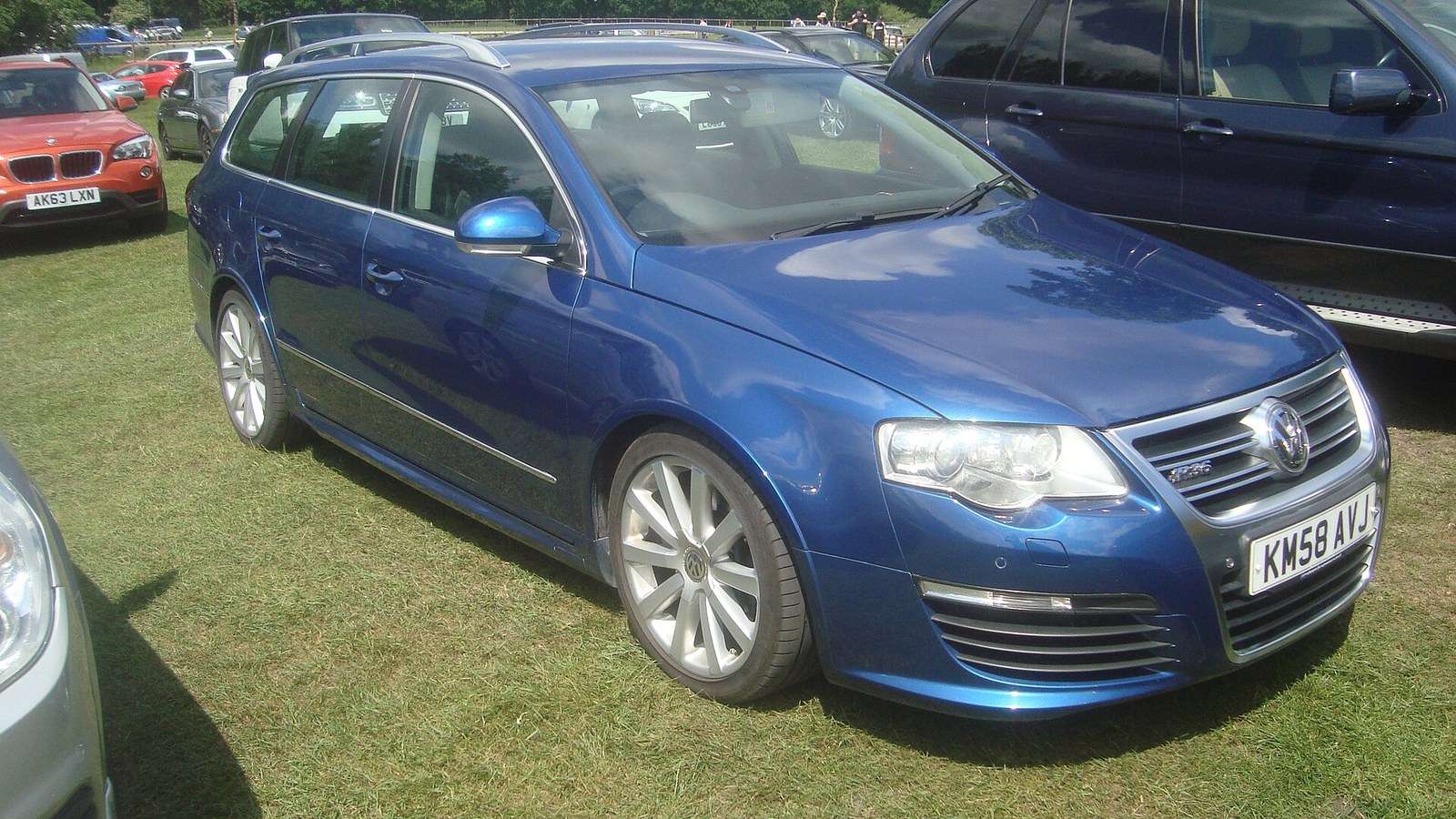
The Volkswagen Passat R36 was the fastest and most technically ambitious version of the B6 Passat sold in Britain. Its naturally aspirated 3.6-litre narrow-angle VR6, six-speed DSG transmission and 4Motion four-wheel drive created a discreet 300PS saloon or estate that could cover ground at serious speed without advertising its ability.
Featured image: Volkswagen Passat R36 estate. Photograph by Kieran White, CC BY 2.0, via Wikimedia Commons; locally hosted.
The discreet flagship of the B6 Passat
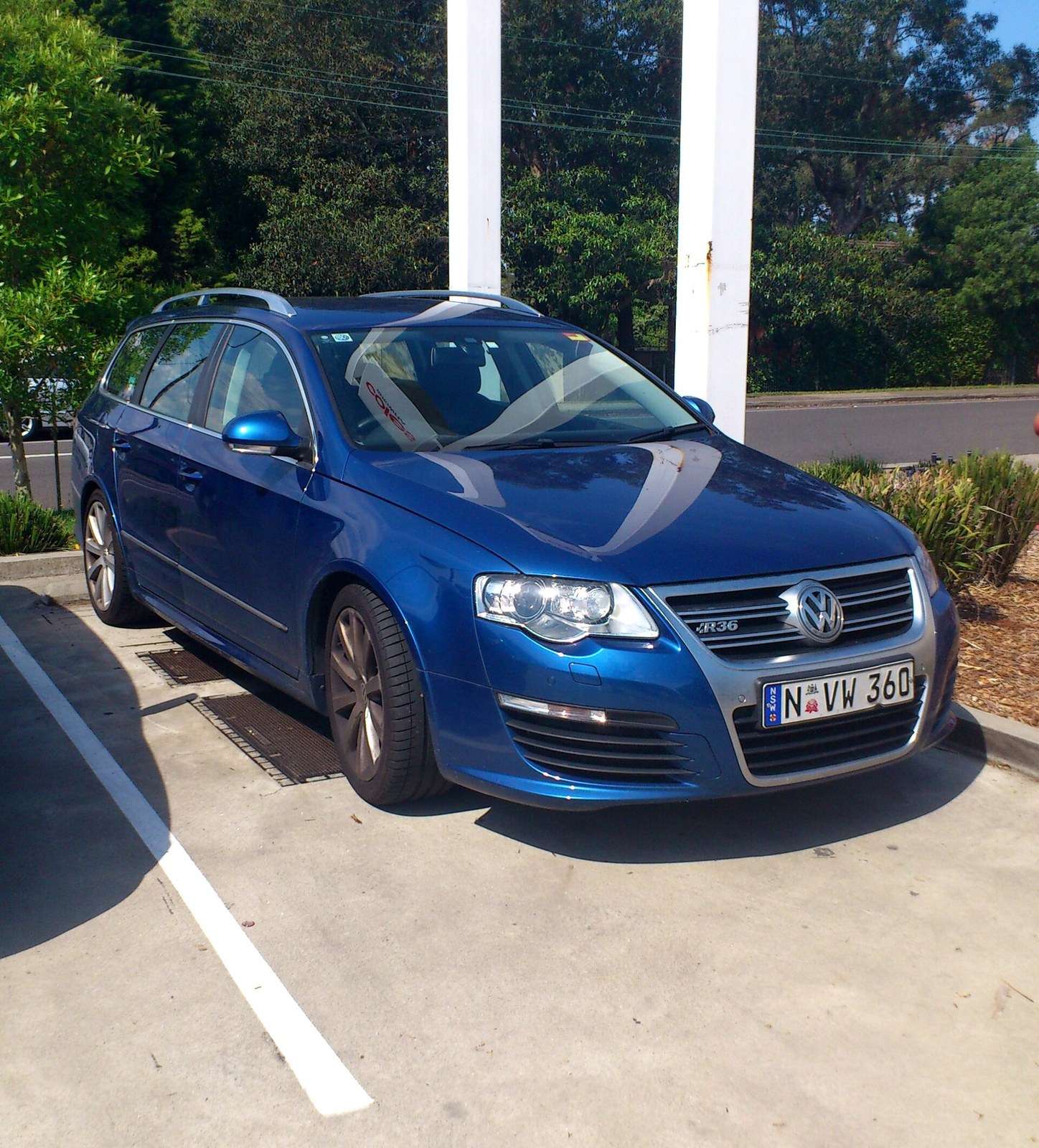
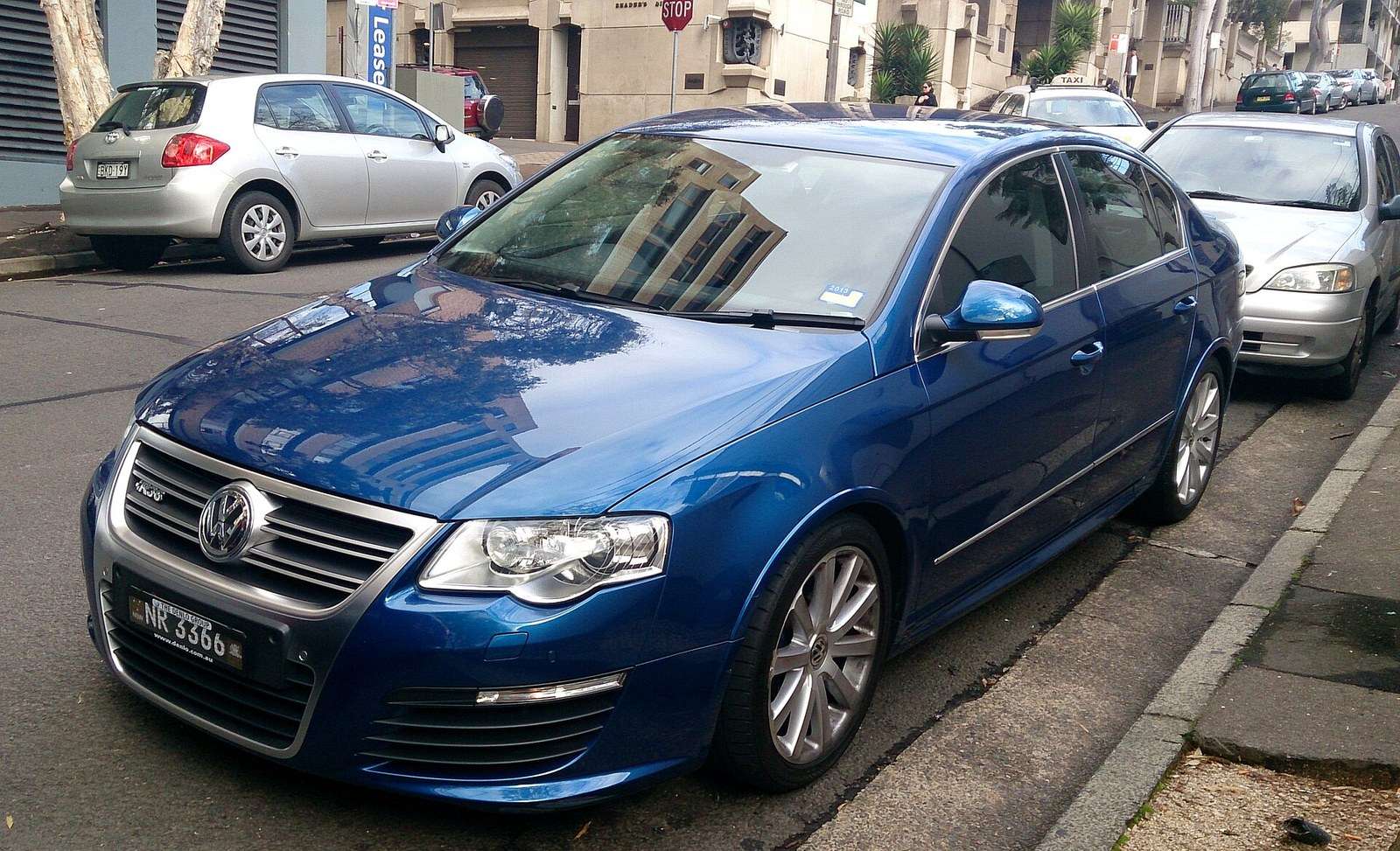
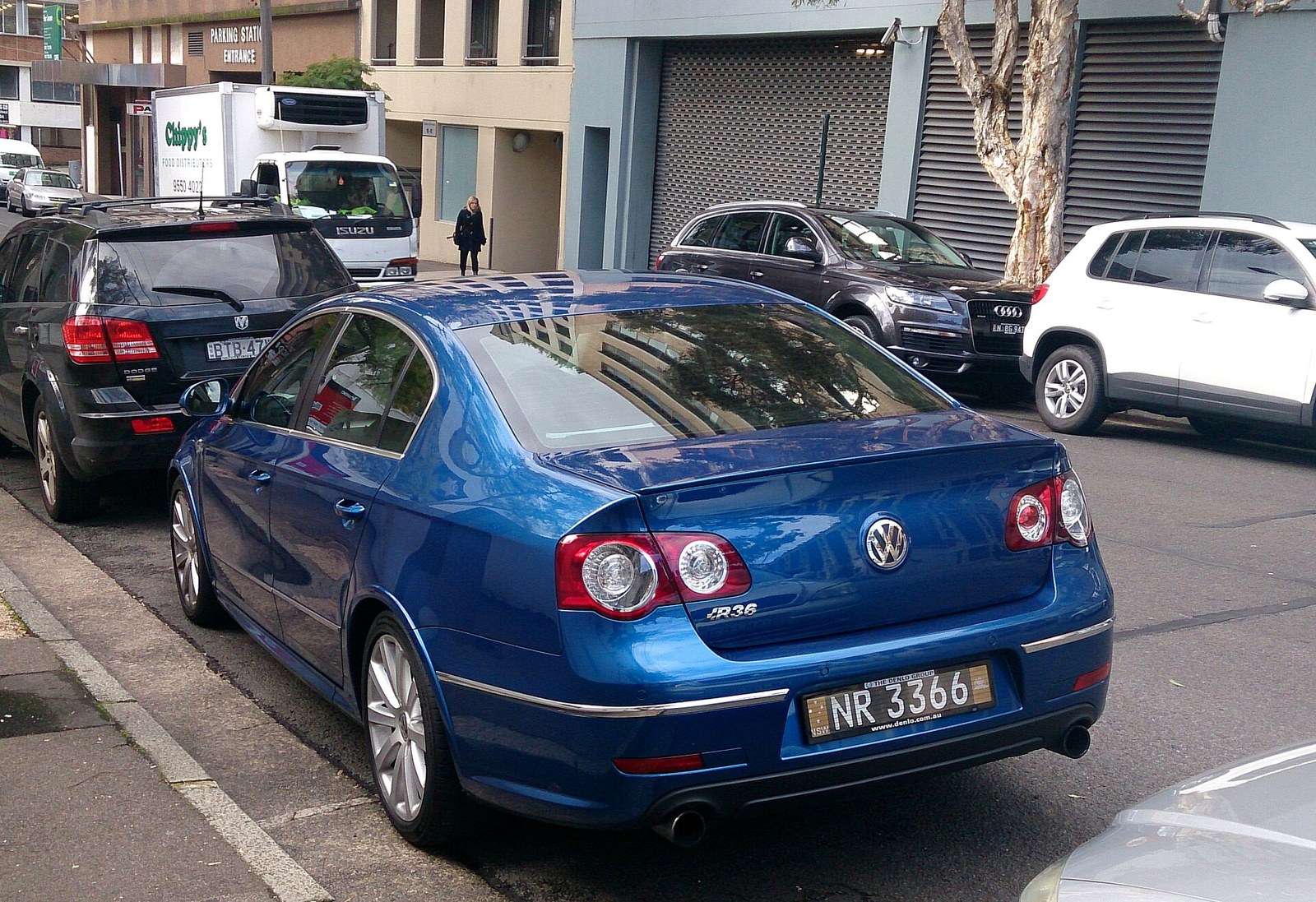
Volkswagen revealed the R36 as the performance flagship of the B6 Passat generation. UK cars arrived in 2008 in both four-door saloon and five-door estate forms. Deep bumpers, twin exhaust outlets, blue brake calipers, aluminium-look details and 18-inch wheels distinguished it, but the design remained deliberately restrained beside an overtly styled performance saloon.
The concept was closer to a rapid long-distance all-weather car than a circuit special. Sports seats, a flat-bottomed steering wheel and model-specific instruments gave the cabin a stronger identity, while the estate retained the large, square load area that made an ordinary Passat useful. That blend now explains much of the R36’s appeal.

| Specification | Detail |
|---|---|
| UK introduction | 2008 |
| Engine | 3,597cc naturally aspirated FSI VR6 |
| Output | 220kW / approximately 300PS; 350–360Nm |
| Transmission | Six-speed wet-clutch DSG; 4Motion four-wheel drive |
| Bodies | Four-door saloon and five-door estate |
VR6 power, DSG and 4Motion
The 3,597cc FSI engine used Volkswagen’s narrow-angle VR6 architecture and produced 220kW, or 300PS, with about 350 to 360Nm depending on the cited market data. A six-speed wet-clutch DSG was standard, and Haldex-based 4Motion distributed drive to all four wheels when conditions demanded it.
Official R-model material records the R36 at 299PS and 360Nm. Period UK road tests placed the saloon at roughly 5.6 seconds from 0-62mph, with the estate only slightly slower, and both were electronically limited to 155mph. A lowered chassis, larger brakes and recalibrated steering supported the extra performance.
Love cars you don’t see every day?
Get forgotten cars, surprising motoring stories and the most interesting finds from Unusual Cars by email.
Free to join. No spam. Unsubscribe whenever you like. See our privacy policy.
Saloon or estate
The saloon is the cleaner-looking and lighter of the two body styles, but the estate best expresses the R36 idea: a genuinely fast car that can still carry a family’s luggage. Both are scarce in Britain, and condition is more important than body style when so few unmodified, well-documented examples appear for sale.
Check whether the car remains on its correct suspension, wheel and exhaust specification. Modified examples are not automatically poor purchases, but remaps, non-standard DSG software, lowered springs and inexpensive tyres can disguise harder use. A standard car with a consistent history is normally the safer place to start.
Engine and cooling-system checks
Start the engine from cold and listen for prolonged chain rattle from the gearbox end of the engine. Brief noise does not prove failure, but persistent rattling, camshaft correlation faults or suspiciously recent fault-code clearing require specialist diagnosis. Timing-chain work is labour-intensive because of the engine’s installation.
Direct injection can permit intake-valve deposits, while ignition coils, the crankcase ventilation system, coolant leaks and thermostat or water-pump faults can also affect running. The engine should idle evenly, pull cleanly and reach a stable temperature. Evidence of correct oil and careful warm-up habits is valuable.
DSG, 4Motion, brakes and chassis
The six-speed wet-clutch DSG needs regular fluid and filter changes, commonly at 40,000-mile intervals in UK service schedules. Test it from cold and fully warm: engagement should be prompt, low-speed manoeuvring controlled and changes clean. Shuddering, hesitation or warning lights can involve clutches, sensors, the dual-mass flywheel or mechatronic unit.
Haldex coupling maintenance is separate from routine engine servicing, so look for invoices rather than assumptions. Check for matching premium tyres with even wear, quiet wheel bearings, straight braking and suspension free from knocks. The R36’s weight and pace make neglected brakes, bushes and dampers particularly noticeable.

Body, equipment and documentation
Inspect the front bumper, low grille, sills and alloy wheels for parking damage, and check the tailgate and wheel arches for corrosion or poor repairs. On estates, test the load-cover and tailgate wiring. Any panoramic roof should drain correctly and the carpets, spare-wheel well and headlining should be dry.
Operate the electronic parking brake, climate control, heated seats, parking sensors, lighting, audio and every window. Scan all control modules with Volkswagen-capable diagnostic equipment. A thick file showing DSG, Haldex, brake and cooling work is more important than a low odometer without context.
Buying checklist
Begin with a cold start
Ask the seller not to warm the vehicle before inspection. Cold behaviour exposes noises, warning lights and control-system faults that may disappear once temperatures stabilise.
Inspect the structure and underside
Use a lift where possible, distinguish cosmetic corrosion from structural repairs and question fresh underseal or incomplete documentation.
Verify the exact specification
Match chassis, engine, drivetrain, body style and market details to the registration record, identification labels and service history.
Use a marque specialist
A pre-purchase inspection costs far less than correcting hidden body, transmission, roof or four-wheel-drive faults after purchase.
References
Continue the Volkswagen story
Explore the complete Volkswagen hub for more rare, sporting and technically unusual models.
Frequently asked questions
What engine does the Volkswagen Passat R36 use?
It uses a 3,597cc naturally aspirated FSI narrow-angle VR6 producing about 300PS.
Was the Passat R36 sold as an estate in the UK?
Yes. UK buyers could choose saloon and estate versions, with the estate now especially sought after for its combination of pace and practicality.
Does the Passat R36 have four-wheel drive?
Yes. Every R36 uses Volkswagen 4Motion with a Haldex coupling and a six-speed DSG transmission.
What are the principal Passat R36 buying risks?
Timing-chain noise, incomplete DSG or Haldex maintenance, cooling and intake faults, worn brakes and suspension, and neglected electrical equipment deserve careful checks.
How often should the R36 DSG be serviced?
The six-speed wet-clutch DSG is commonly specified for fluid and filter servicing at 40,000-mile intervals; confirm the schedule and invoices for the individual car.