UNUSUAL CARS MODEL GUIDE
The Lotus Esprit was a mid-engined British supercar built from 1976 until 2004. Giorgetto Giugiaro’s original wedge evolved through normally aspirated, turbocharged, chargecooled and finally twin-turbo V8 forms, while remaining recognisably the same low, glassfibre-bodied idea. It is not one model but a long family whose performance, construction details and ownership demands vary sharply by generation.
Quick answer: the early Giugiaro cars offer the purest shape, the 1980s Turbo models add the character most people associate with the Esprit, the Stevens-era four-cylinder cars are faster and more usable, and the V8 is the most muscular. Buy on verified identity, documented maintenance and structural condition rather than colour or headline power.
From Giugiaro concept to production Esprit
The Esprit grew from the Italdesign-styled Lotus M70 concept shown in 1972. Production began in 1976 with a backbone chassis, glassfibre body and a longitudinally mounted Lotus four-cylinder engine behind the cabin. The first S1 was light, low and visually uncompromised, but contemporary buyers also encountered modest refinement and detail quality compared with more expensive rivals.
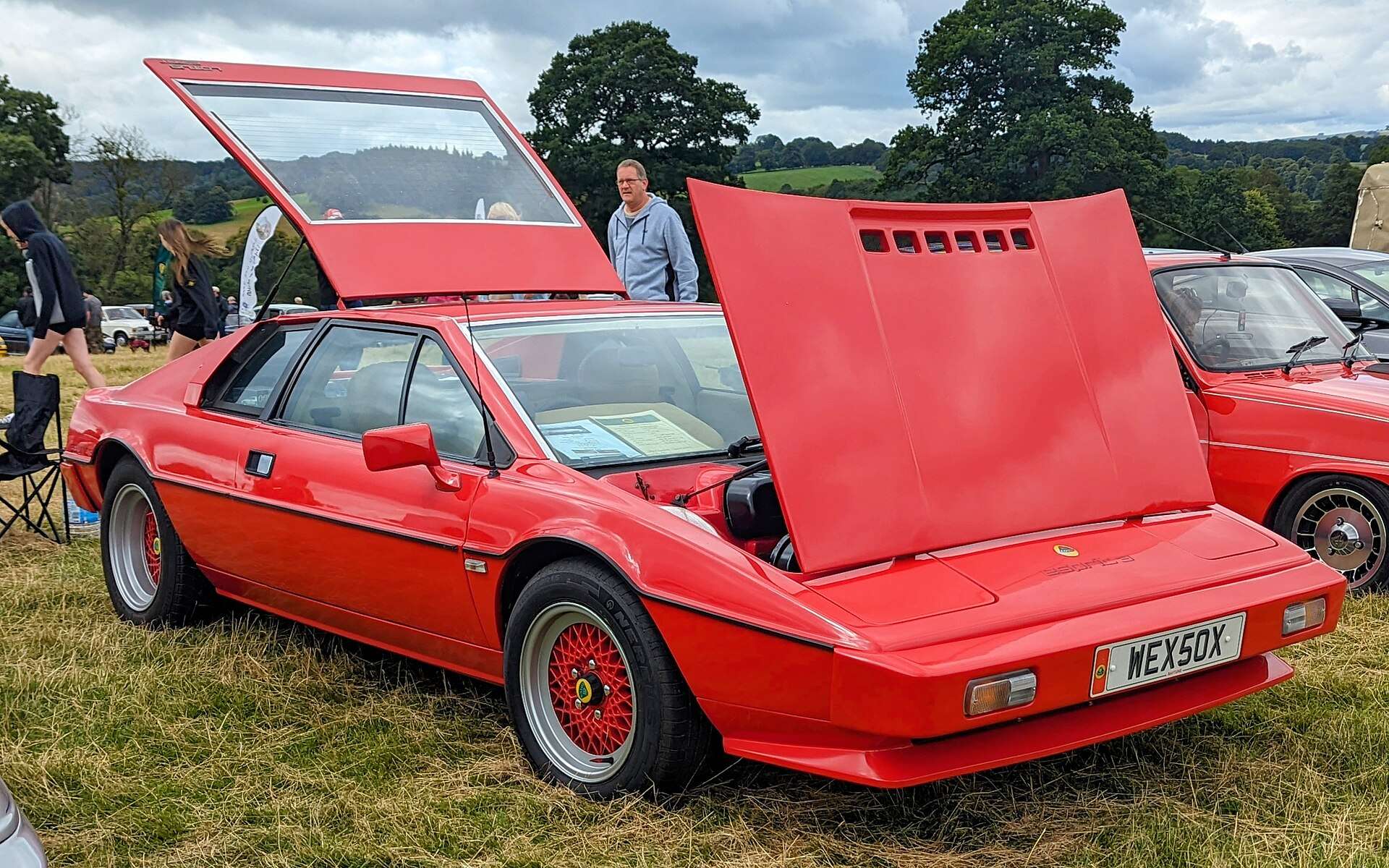
The S2 arrived in 1978 with detail changes intended to improve cooling and everyday usability. The S3 followed in 1981 with revised bumpers, wheels, interior and a 2.2-litre engine. Because components migrated between cars and many have been restored or modified, a chassis number and model-year check matters more than a casual S1, S2 or S3 label.
The Turbo Esprit changes the car
The Turbo Esprit entered production in 1980. Its 2.2-litre Type 910 engine used a Garrett turbocharger and transformed both pace and image, supported by revised suspension, brakes, aerodynamics and wider tyres. The early Essex cars are especially distinctive, but most buyers will encounter later Turbo Esprits with the S3-style body and equipment.
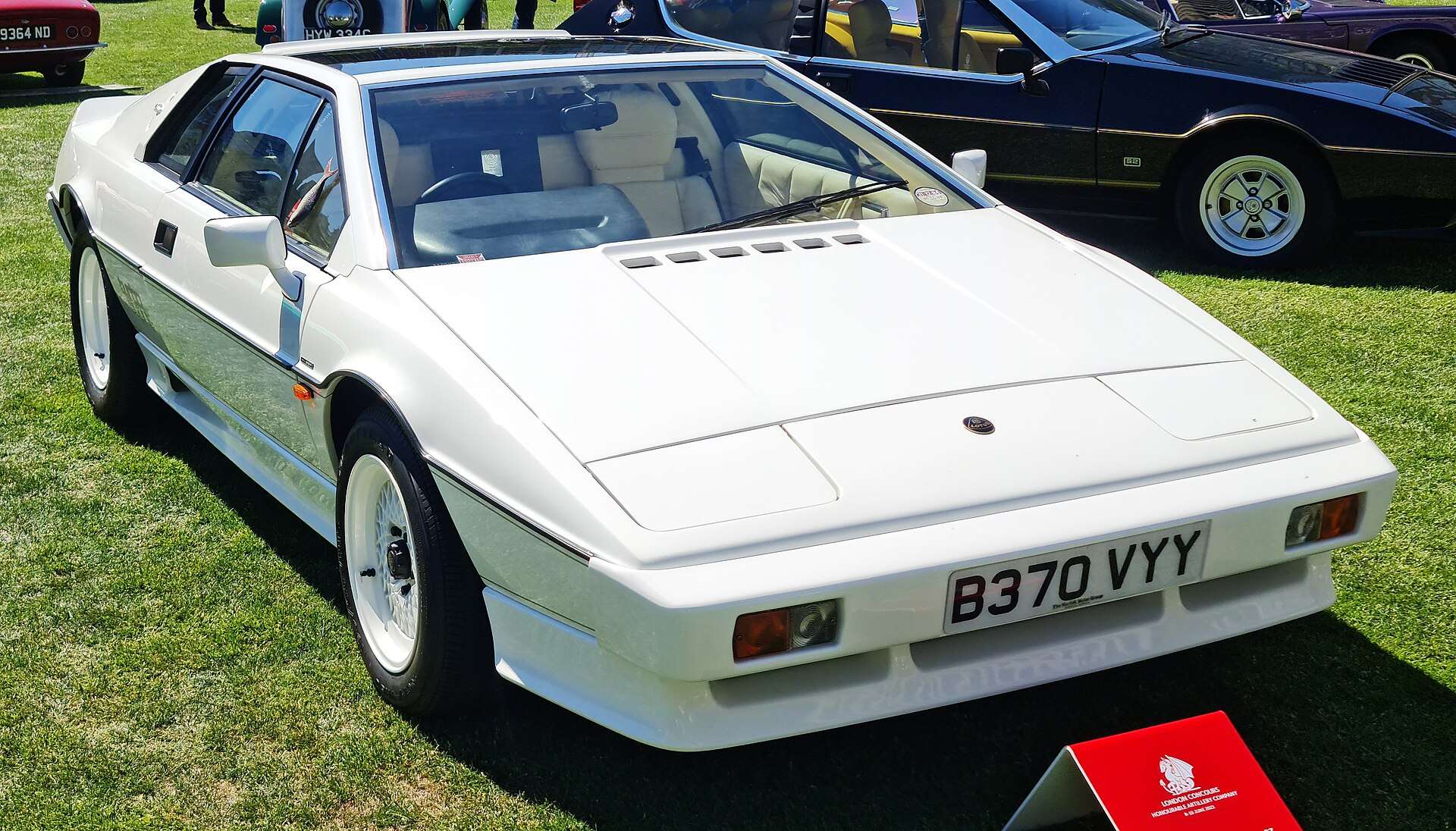
High-compression versions arrived during the 1980s, followed by fuel injection for some markets. Lotus kept refining cooling, ventilation, trim and drivability. The result is that two superficially similar Giugiaro Turbo cars may have different induction, engine-management and market specifications. Period documentation is essential when originality affects value.
Stevens body, chargecooling and the S4
Peter Stevens restyled the Esprit for 1987 without abandoning its backbone chassis or glassfibre construction. The softer shape improved visibility and modernised the cabin. The chargecooled Esprit Turbo SE then raised four-cylinder performance substantially, while later S4 and S4s cars added more developed suspension, brakes and equipment.
| Family | Typical engine | What distinguishes it |
|---|---|---|
| S1 and S2 | 2.0-litre four-cylinder | Original Giugiaro wedge and the lightest, simplest specification. |
| S3 and Turbo | 2.2-litre four-cylinder | Improved cabin and chassis; Turbo adds forced induction and wider body details. |
| Stevens Turbo and SE | 2.2-litre turbo four | Restyled body; SE introduces chargecooling and stronger performance. |
| S4, S4s and GT3 | 2.0 or 2.2-litre turbo four | Most developed four-cylinder road cars, with later chassis and brake improvements. |
| V8 and later GT | 3.5-litre twin-turbo V8 | Lotus Type 918 engine, 350 hp in road form and a broader performance character. |
Love cars you don’t see every day?
Get forgotten cars, surprising motoring stories and the most interesting finds from Unusual Cars by email.
Free to join. No spam. Unsubscribe whenever you like. See our privacy policy.
The Lotus Esprit V8
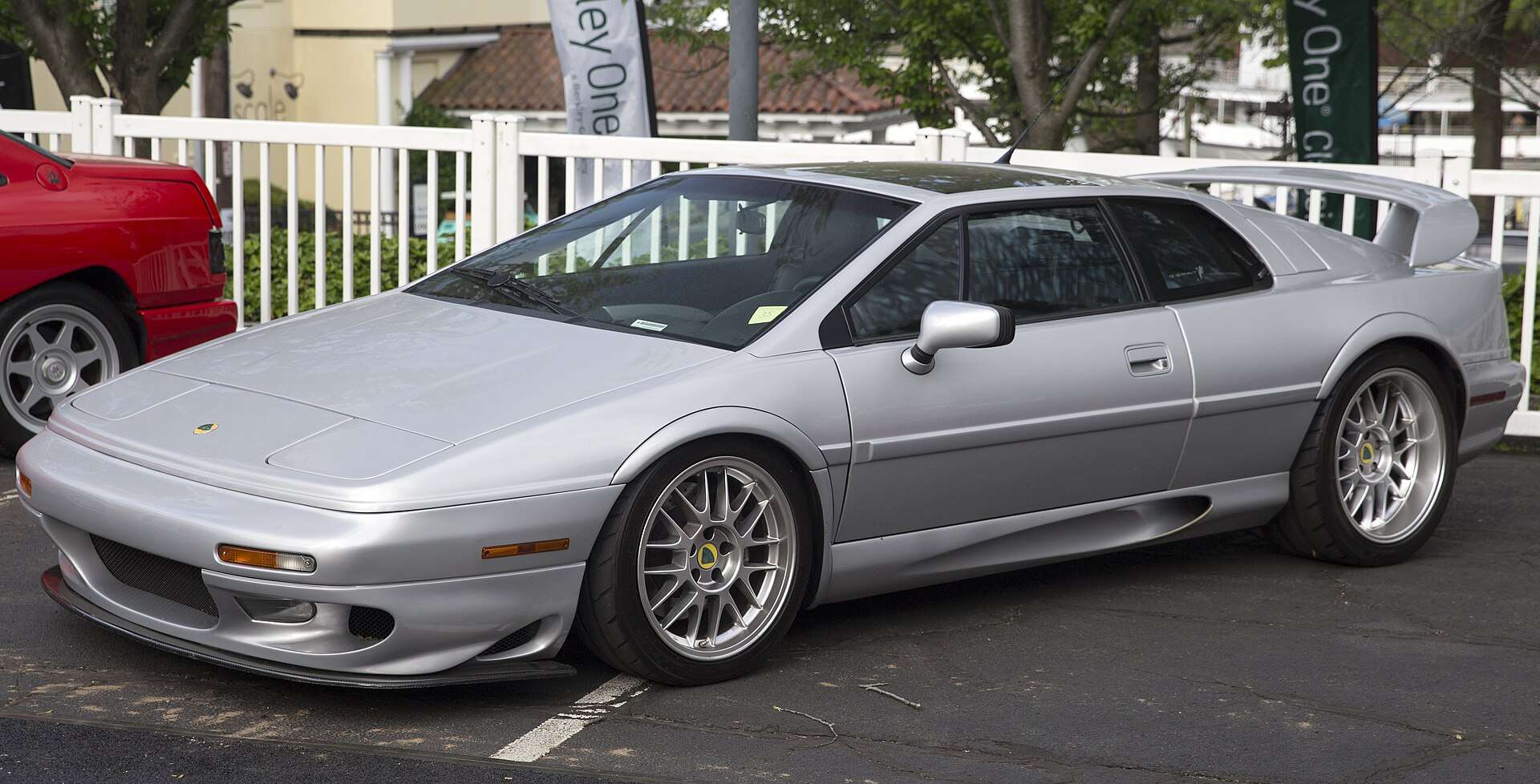
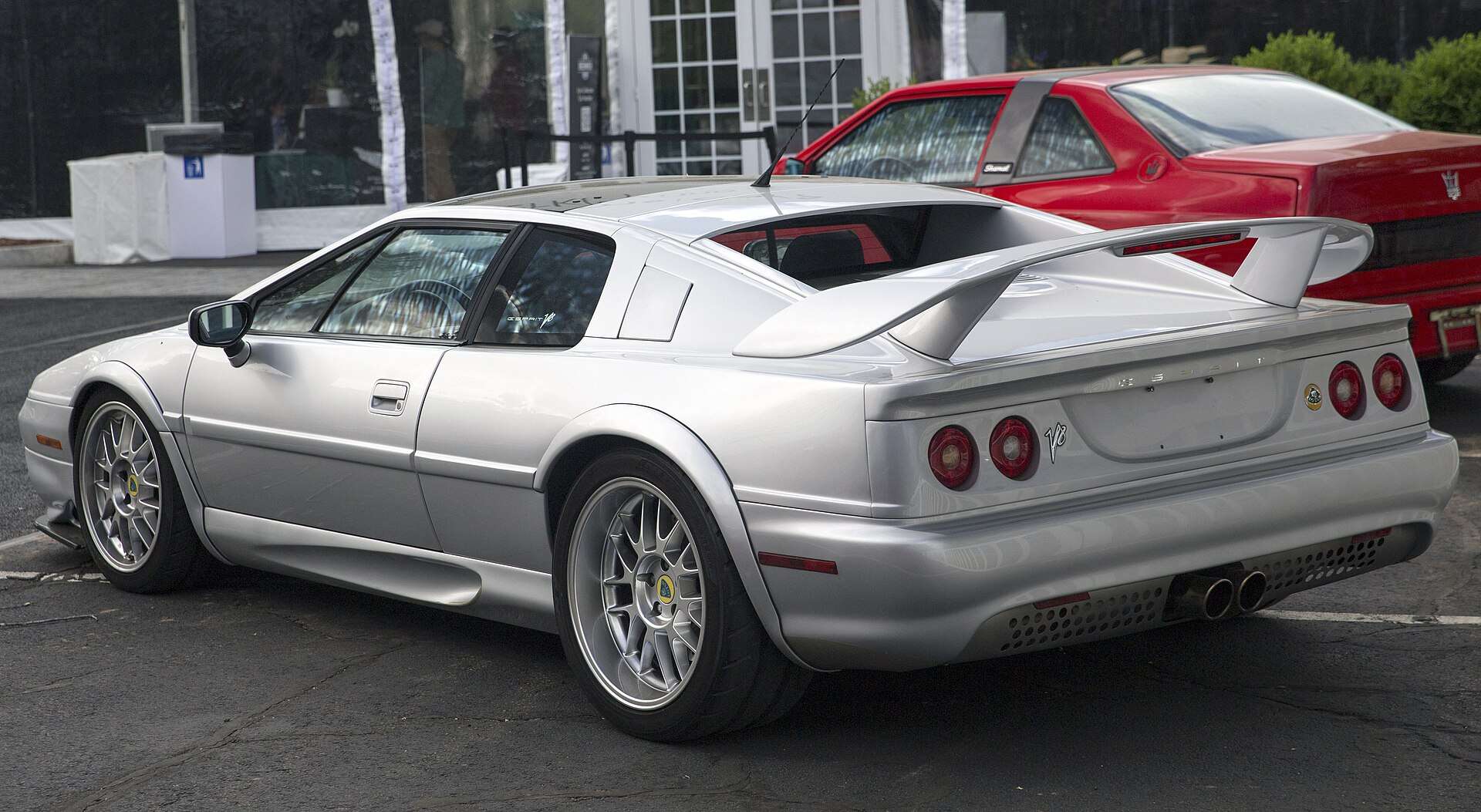
Lotus launched the Esprit V8 in 1996 with its own 3.5-litre Type 918 engine. The official road specification was 350 hp and 400 Nm. Two compact turbochargers gave the car much stronger low- and mid-range performance than the four-cylinder models, while the Renault-derived transaxle and the need to manage heat prevented Lotus from chasing a more extreme output figure.
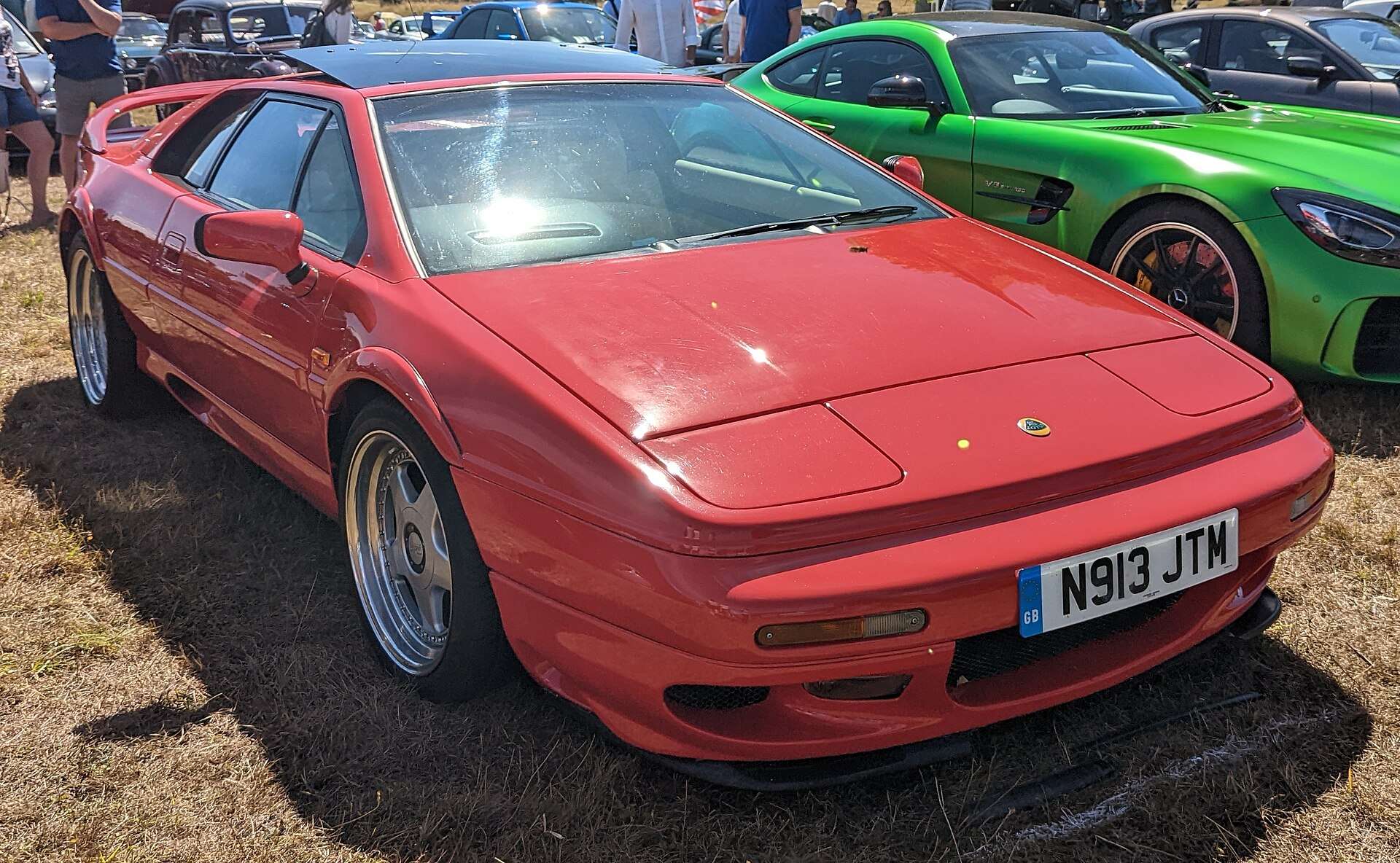
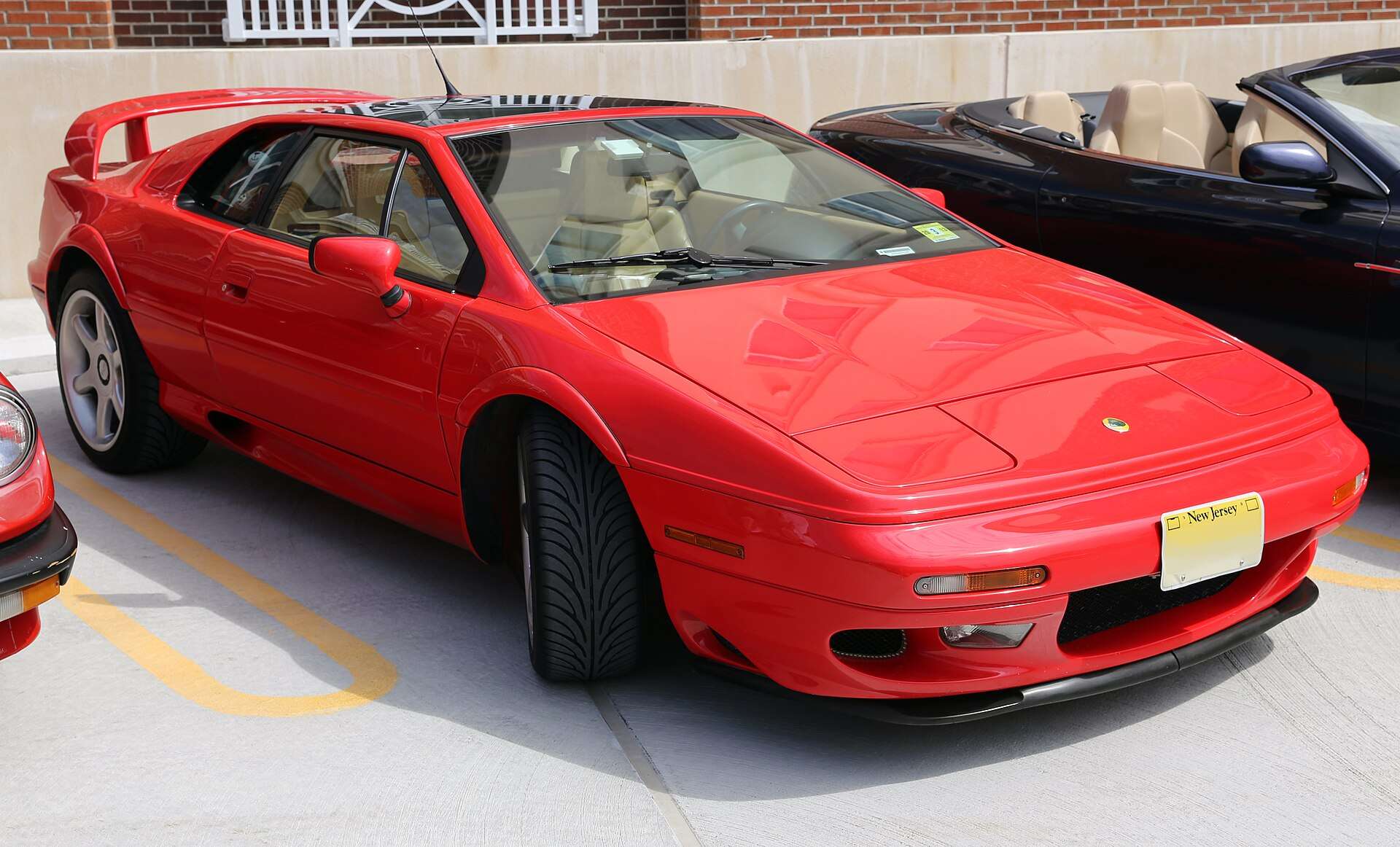
Later V8 GT and SE specifications differed in trim and equipment rather than basic architecture. Final cars gained round rear lamps and detail revisions before production ended in 2004. A late appearance does not automatically mean a better car: service history, cooling-system condition and careful previous ownership remain decisive.
What to check before buying
Start with identity and history. Confirm the chassis number, engine type, original market and claimed derivative. A Lotus Certificate of Provenance can help establish build details. Examine the backbone chassis, suspension pick-up areas and steel inserts carefully; glassfibre bodywork will not rust, but accident damage, stress cracks, poor paint preparation and distorted panel alignment can be expensive to correct.
Four-cylinder cars need evidence of correct cambelt servicing, sound cooling, healthy oil pressure and careful turbo warm-up and cool-down practice. Inspect fuel hoses, tanks, exhaust manifolds, turbocharger, chargecooler system where fitted and evidence of overheating. On a V8, belt history, cooling, oil leaks, turbo condition and gearbox behaviour deserve specialist attention. A clutch or transaxle problem can overwhelm any saving in the purchase price.
Inside, test every electrical item, air conditioning, headlamp lift, window, fan and instrument. Check that wheels, seats and body additions suit the stated model. A pre-purchase inspection by an Esprit specialist should include compression or leak-down testing where appropriate, a cooling-system pressure test and a thorough chassis inspection.
Why the Esprit matters
The Esprit carried one Lotus design through nearly three decades of continual development. It links the company’s 1970s lightweight sports-car thinking with the turbo era and Lotus’s own compact V8. Its cultural visibility is useful, but the engineering story is stronger: Lotus repeatedly made the same compact mid-engined platform faster, safer and more usable without erasing its identity.
Sources and further reading
- Lotus Cars: Turbo Esprit provenance and archive
- Lotus Engineering: Type 918 V8 and engine-management development
Continue the Lotus story
The Esprit was Lotus’s long-running mid-engined flagship. Explore the Rare & Performance Lotus Cars hub, then read the Lotus Elise S1 guide and the Lotus Evora guide.
Frequently asked questions
When was the Lotus Esprit produced?
Lotus produced the Esprit from 1976 until 2004, developing it from the Giugiaro-styled S1 into later Stevens-era four-cylinder and twin-turbo V8 versions.
What engine is in a Lotus Esprit Turbo?
Most Turbo Esprits use a Lotus 2.2-litre Type 910-series four-cylinder engine. The 1996-on Esprit V8 uses the Lotus Type 918 3.5-litre twin-turbo V8.
How much power does a Lotus Esprit V8 have?
Lotus quoted 350 hp and 400 Nm for the road-going 3.5-litre twin-turbo Esprit V8.
Does the Lotus Esprit have a metal body?
No. The Esprit uses glassfibre bodywork over a separate backbone chassis, so buyers must check both composite body repairs and the condition of the chassis and steel mounting structures.
What should be checked before buying a Lotus Esprit?
Verify the exact model and history, then inspect the chassis, accident repairs, cambelt record, cooling and fuel systems, turbochargers, clutch, gearbox, suspension, brakes and electrical equipment with a marque specialist.