UNUSUAL CARS MODEL GUIDE
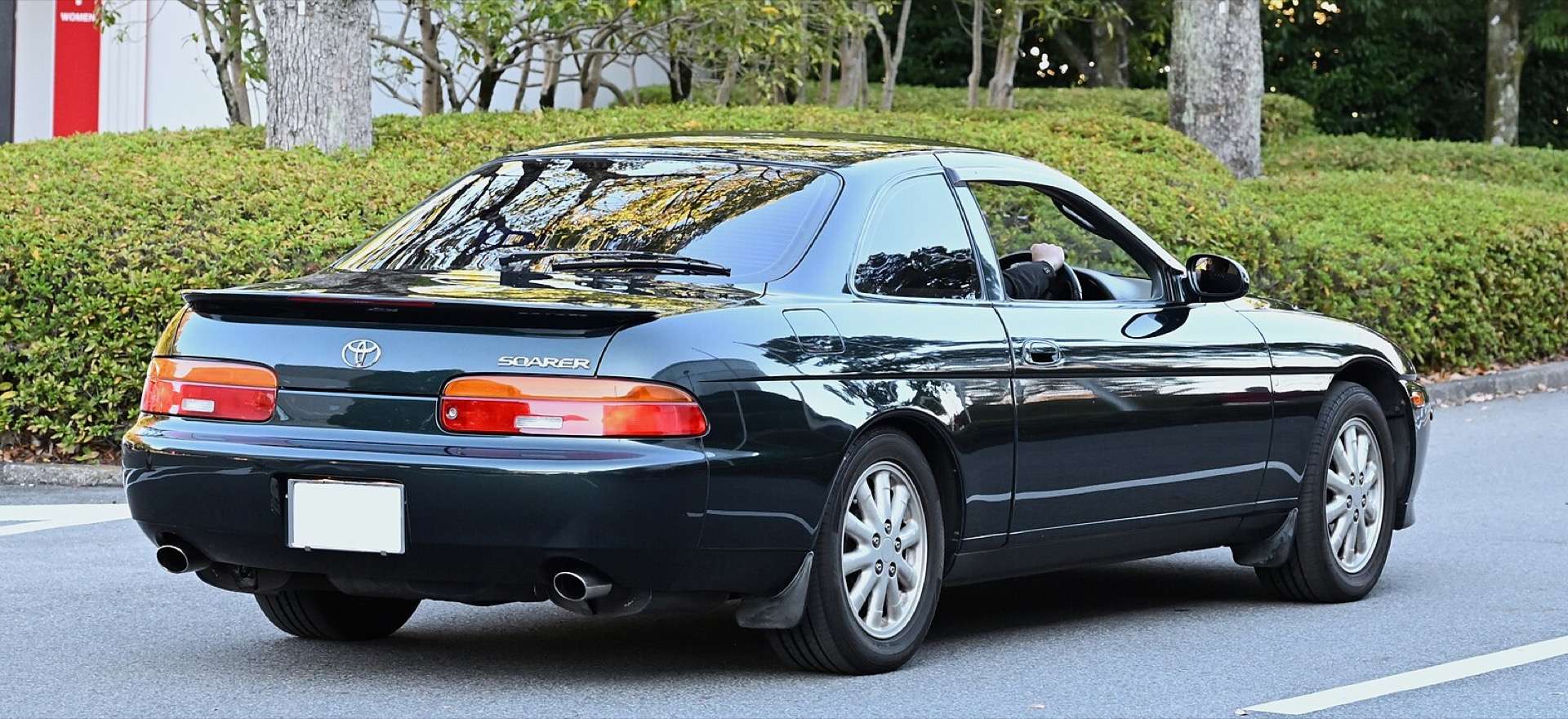
The Toyota Soarer Z30 was a high-technology Japanese grand tourer that shared its basic architecture with the first Lexus SC. Launched in May 1991, it offered a 1JZ-GTE twin-turbo straight-six or a refined 1UZ-FE V8, sophisticated suspension and a cabin packed with electronics. In Britain it remains an unusual Japanese import with Supra-related mechanical appeal and a much more discreet image.
Quick answer: the Z30 Soarer was built from 1991 to 2000. Early Japanese cars included the 2.5 GT-Twin Turbo and 4.0 GT, with a 3.0-litre version added later. Buyers should prioritise rust-free structure, healthy cooling and charging systems, correct suspension operation, complete electronics and documented maintenance over mileage or cosmetic modifications.
Why Toyota reinvented the Soarer
The first two Soarer generations were angular, Japan-focused luxury coupés. For the third generation Toyota created a smoother international shape through its Calty design studio in California. The result appeared in Japan as the Soarer and in export markets as the Lexus SC, although engines, equipment and badges differed.
Toyota positioned the Soarer as a prestige coupé rather than a stripped performance car. A long wheelbase, carefully isolated cabin and double-wishbone suspension made it a fast long-distance car, while the pillarless side-glass appearance and broad body gave it a distinctive presence.

1JZ-GTE twin turbo and 1UZ-FE V8
The performance-focused JZZ30 used Toyota’s 2,491cc 1JZ-GTE straight-six. At launch it had two turbochargers and Toyota quoted 280PS, the voluntary domestic-market ceiling of the period. The UZZ30 and more highly equipped UZZ31 used the 3,968cc 1UZ-FE all-alloy V8, officially rated at 260PS at launch.
In 1994 Toyota added the JZZ31 with a naturally aspirated 2,997cc 2JZ-GE, quoted at 225PS. Later 2.5-litre cars adopted Toyota’s VVT-i variable valve timing and a single turbocharger. Exact engine, transmission and equipment combinations changed through production, so the model code and build plate matter.
| Model | Representative specification |
|---|---|
| JZZ30 2.5 GT-T | 2,491cc 1JZ-GTE turbo straight-six; 280PS Japanese rating |
| JZZ31 3.0 GT | 2,997cc 2JZ-GE naturally aspirated straight-six; 225PS at introduction |
| UZZ30/UZZ31 4.0 GT | 3,968cc 1UZ-FE V8; 260PS at launch |
| Layout | Front engine, rear-wheel drive |
| Wheelbase | 2,690mm |
| Production generation | 1991–2000 |
Suspension and active technology
All Z30s used double-wishbone suspension, but the most advanced versions went much further. Toyota offered electronically controlled air suspension, active four-wheel steering and, on the UZZ32, a computer-controlled active hydraulic suspension system designed to manage body movement without conventional springs and anti-roll bars.
That technology made the Soarer a rolling showcase, but it also created very different ownership propositions. A conventional-suspension JZZ30 is comparatively straightforward. A UZZ31 air-suspension car or rare UZZ32 active-suspension car requires careful diagnosis, specialist knowledge and realistic parts planning.
Cabin, equipment and the Lexus SC connection
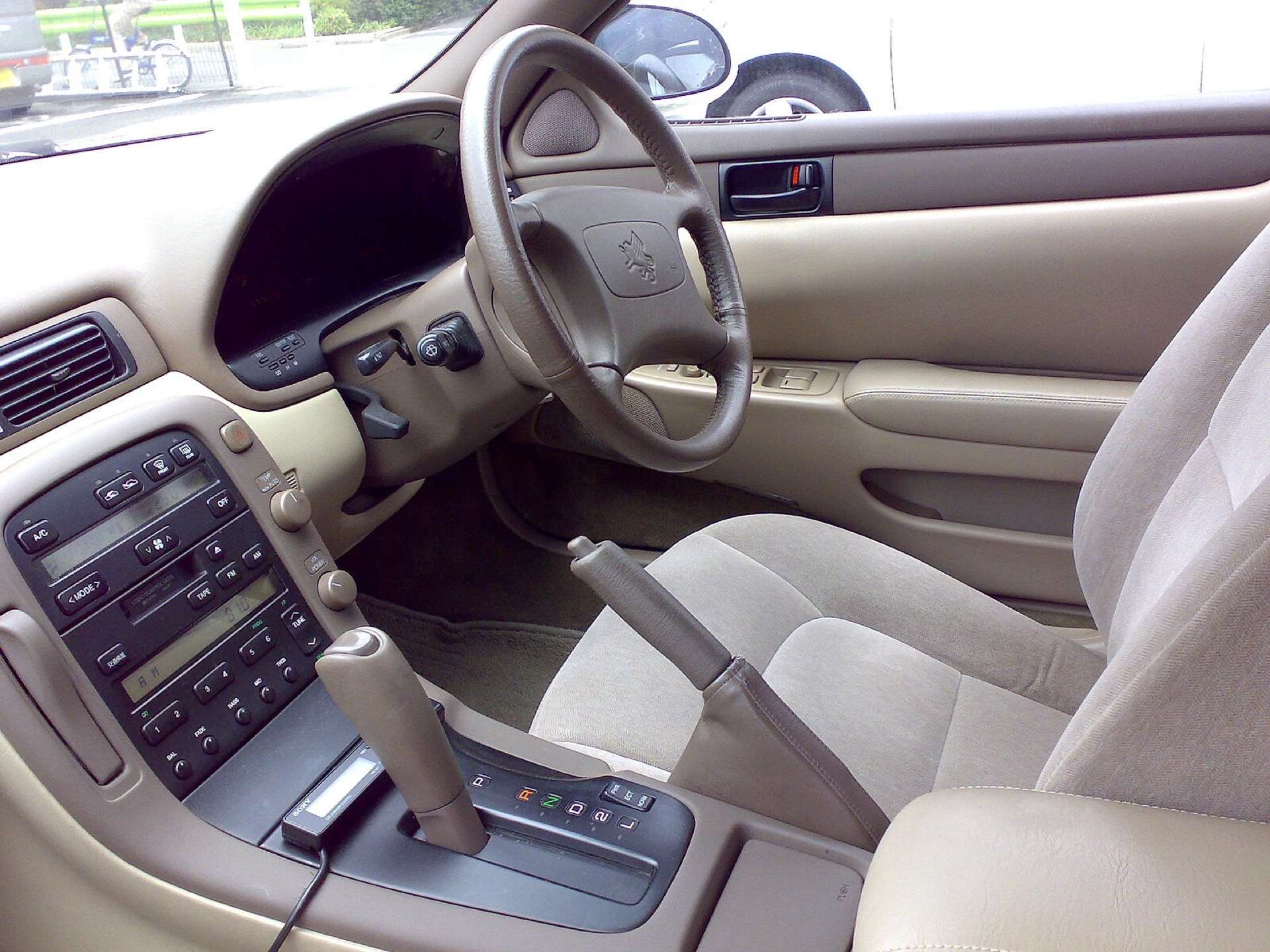
The dashboard wraps around the driver and could include digital instrumentation, climate control, electrically adjustable seats and an electronic multi-vision display. Toyota treated the car as a flagship for integrated electronics rather than merely a fast coupé.
The related Lexus SC300 and SC400 brought the same basic platform and Calty styling to export markets. They are not simply rebadged Soarers: powertrains, steering position, equipment, trim and regulatory details differ. In Britain, most Toyota-badged Z30s arrived as used Japanese imports.
Love cars you don’t see every day?
Get forgotten cars, surprising motoring stories and the most interesting finds from Unusual Cars by email.
Free to join. No spam. Unsubscribe whenever you like. See our privacy policy.
Why enthusiasts still want the Z30
The Soarer offers much of the appeal associated with 1990s performance Toyotas without looking like an obvious sports car. The 1JZ-GTE responds well to sympathetic development, the 1UZ-FE is smooth and durable when maintained, and the cabin gives the car a distinct grand-touring identity.
That discretion has also made the model vulnerable to poorly planned modification. Drift conversions, extreme suspension changes, altered wiring and undocumented engine swaps can remove the qualities that make a good Soarer special. A standard or carefully developed example is usually the safer long-term purchase.
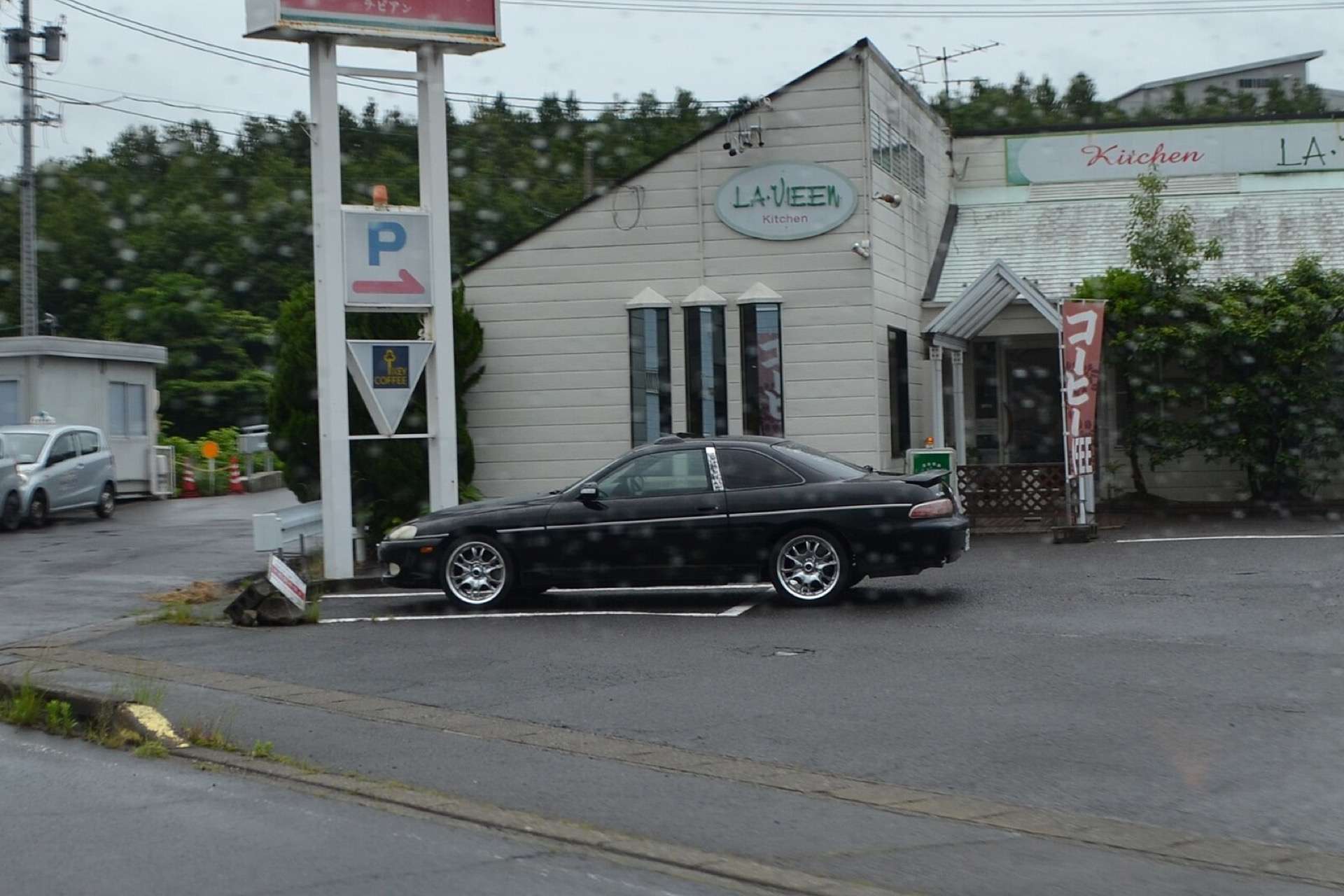
Toyota Soarer Z30 buying guide
Identity and import history
Decode the model plate and confirm the engine, trim and suspension specification. Check Japanese history where available, the UK registration record, import documentation and evidence of mileage conversion. Do not rely on an exterior badge to identify a 2.5, 3.0 or 4.0.
Engine, cooling and turbo system
Start from cold and check for smoke, leaks, overheating, unstable idle and charging faults. On turbo cars inspect intake plumbing, boost control and modifications. V8 cars should be smooth and quiet. Maintenance history is more useful than a list of aftermarket parts.
Automatic and manual transmissions
Most cars are automatic and should engage promptly, shift cleanly and avoid flaring under load. Factory manual JZZ30s are desirable and should have verifiable identity. Many manual cars are conversions; assess the gearbox, clutch hydraulics, wiring, pedals and differential as a complete job.
Suspension, steering and brakes
Check for warning lights, uneven ride height, leaks and non-functioning suspension modes. Replacement coil springs are common, but the work should be documented and correctly aligned. Inspect ball joints, bushes, wheel bearings and brake balance on any version.
Body, interior and electronics
Look for corrosion underneath, water in the boot, accident repairs and damaged jacking points. Test the instruments, climate control, windows, seats, mirrors, audio and every warning lamp. Missing trim and failed displays can be harder to solve than routine engine servicing.

Frequently asked questions
What engines came in the Toyota Soarer Z30?
The principal Japanese engines were the 2.5-litre turbo 1JZ-GTE, 3.0-litre naturally aspirated 2JZ-GE and 4.0-litre 1UZ-FE V8.
Is the Toyota Soarer the same as the Lexus SC?
They share the Z30 platform and basic Calty styling, but engines, equipment, steering position, trim and market specifications differ. They should be treated as closely related rather than identical.
Was the Z30 Soarer officially sold in Britain?
No Toyota-badged Z30 Soarer was a normal Toyota GB model. Most UK examples arrived as used Japanese imports, while the related Lexus SC was sold in some export markets.
Did every Soarer Z30 have air suspension?
No. Suspension specification varied. Many JZZ30 cars use conventional springs, while selected UZZ31 models had air suspension and the rare UZZ32 used an advanced active hydraulic system.
What is the biggest Z30 buying risk?
Poorly executed modifications and unresolved electrical or suspension faults are major risks. Confirm the car’s original specification and inspect every system before buying.
Research sources
- Toyota: third-generation Soarer history and specifications
- Toyota: May 1991 Soarer launch information
- Toyota: JZ engine-family lineage
- Featured image: 1991 Toyota Soarer 4.0 GT by GPS 56, CC BY 2.0.
Continue the Toyota story
Explore the Rare & Performance Toyotas hub, compare the 1JZ-powered Toyota Chaser, or follow Toyota’s flagship coupé engineering into the Supra A80.