UNUSUAL CARS MODEL GUIDE
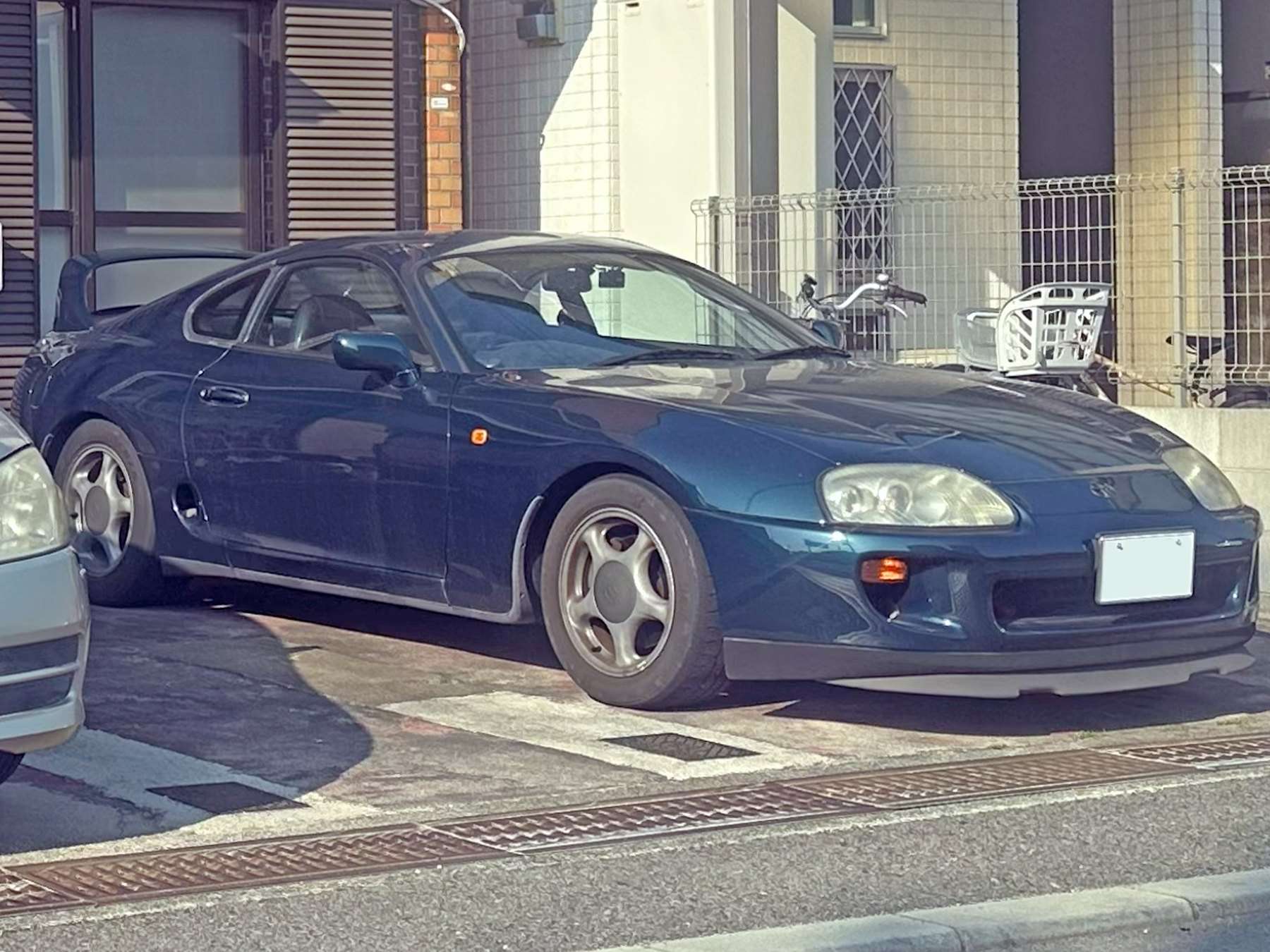
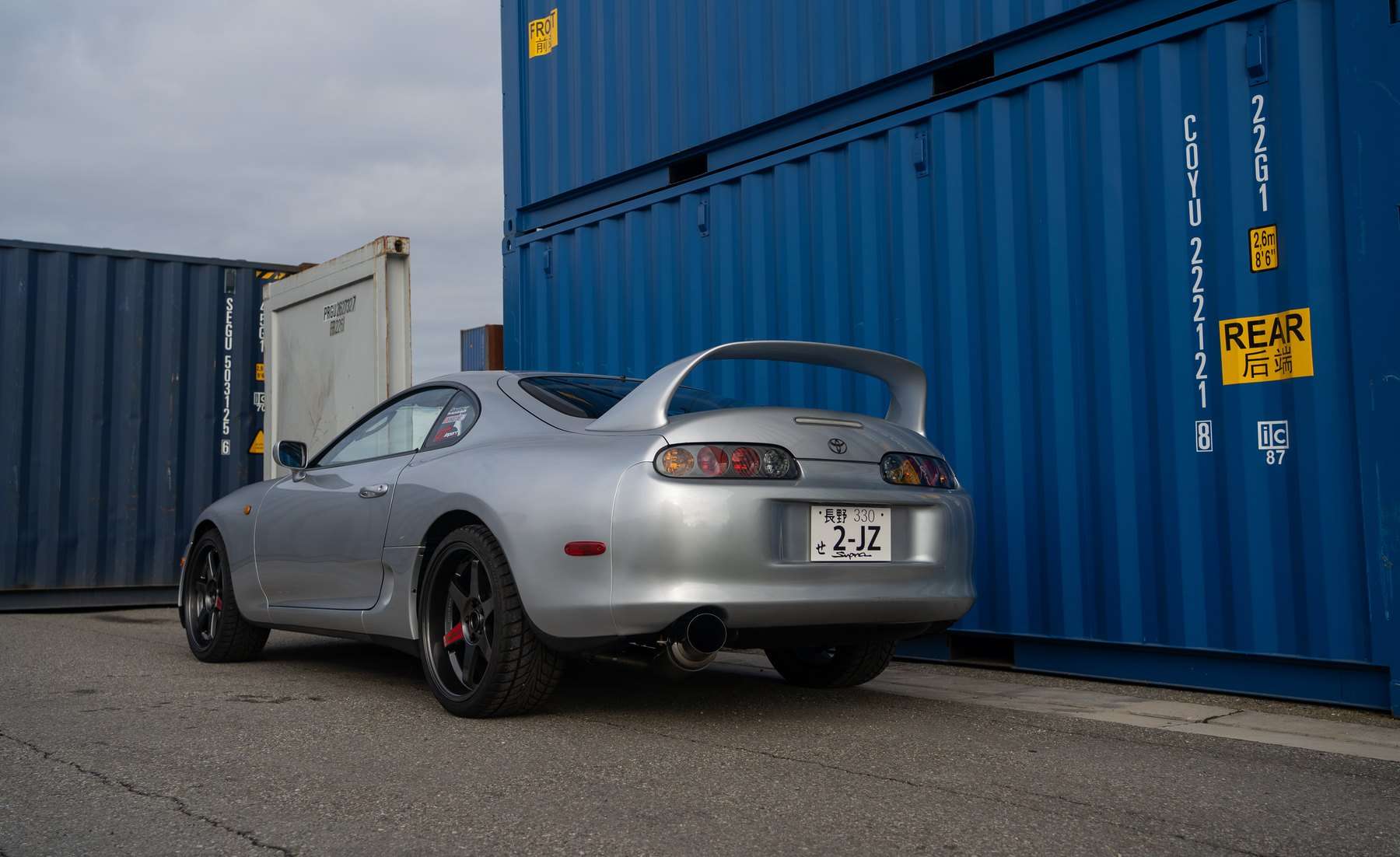
The fourth-generation Toyota Supra, usually called the A80 or Mk4 Supra, was Toyota’s 1990s flagship sports coupé. Built from 1993 until 2002, it combined rear-wheel drive, a double-wishbone chassis and Toyota’s 3.0-litre 2JZ straight-six with either naturally aspirated or twin-turbo power.
Quick answer: the A80 matters because it was a genuinely sophisticated grand tourer before tuning culture and film fame made it an icon. Official UK cars were sold from 1993 to 1996 with a 326bhp sequential-twin-turbo 2JZ-GTE, while Japanese-market cars included naturally aspirated SZ models and several turbo grades. Condition, identity and the quality of any modifications now matter more than headline power claims.
How Toyota created the A80 Supra
The A80 replaced the angular A70 Supra in 1993. Toyota retained the front-engine, rear-wheel-drive format but moved the car towards a more focused sports-car role. The new body was shorter, lower and substantially more rounded, with a long bonnet, compact cabin and a large rear wing on many turbo cars.
Weight reduction was a serious engineering objective. Aluminium was used for the bonnet, front crossmember and suspension components, while the fuel tank used a moulded plastic construction. The result was a car that could undercut its predecessor despite larger brakes, stronger performance and extensive equipment.
The 2JZ-GE and 2JZ-GTE engines
Every production A80 used a 2,997cc Toyota JZ-series straight-six. The naturally aspirated 2JZ-GE powered SZ and related grades. The 2JZ-GTE added two turbochargers operating sequentially: the first supplied low- and medium-speed boost, with the second joining as engine speed and load increased.
Japanese-market turbo cars were officially rated at 280PS under the period manufacturers’ agreement. Export versions used different turbocharger and fuel-system specifications. Toyota GB quoted 326bhp for the UK car, along with 0–60mph in less than five seconds and an electronically limited 155mph maximum speed.
The cast-iron block and robust bottom end gave the 2JZ-GTE exceptional tuning potential, but that reputation can obscure the condition of an individual engine. A modified Supra is only as sound as its fuel system, cooling, engine management, turbo installation and calibration.

A80 Supra versions and transmissions
| Version | Engine | Typical transmission | What distinguishes it |
|---|---|---|---|
| SZ / SZ-R | 2JZ-GE naturally aspirated | Five-speed manual, later six-speed on SZ-R, or automatic depending on year | Lighter, simpler non-turbo Japanese-market grades; specifications vary considerably. |
| RZ / RZ-S | 2JZ-GTE twin turbo | Getrag six-speed manual or four-speed automatic depending on grade | Core Japanese high-performance models; later cars could receive VVT-i. |
| GZ | 2JZ-GTE twin turbo | Four-speed automatic | More luxury-oriented Japanese-market turbo model, often with extra equipment. |
| UK Twin Turbo | Export-specification 2JZ-GTE | Six-speed manual or four-speed automatic | 326bhp, larger brakes and identifiable UK-market equipment; sold from 1993 to 1996. |
The six-speed Getrag V160 manual is the most celebrated transmission, but it is expensive to replace and should not be assumed from the presence of a manual gear lever. Conversions are common. Check the complete Toyota model code, original market documentation and drivetrain rather than relying on badges.

Chassis, brakes and driving character
Double-wishbone suspension was used at both ends. Turbo versions received formidable brakes for the period, while the steering, driving position and progressive balance made the Supra easier to use than its muscular appearance suggested. It is more grand tourer than stripped-out road racer: stable at speed, refined over distance and capable of carrying serious performance without making every journey tiring.
Japanese and export specifications differ in brakes, turbochargers, injectors, body equipment and published output. Aerotop cars also exist, but market and grade must be verified. A clean, standard naturally aspirated car has a different character and value from an original UK twin turbo; neither should be represented as the other.
Why the Mk4 Supra became an icon
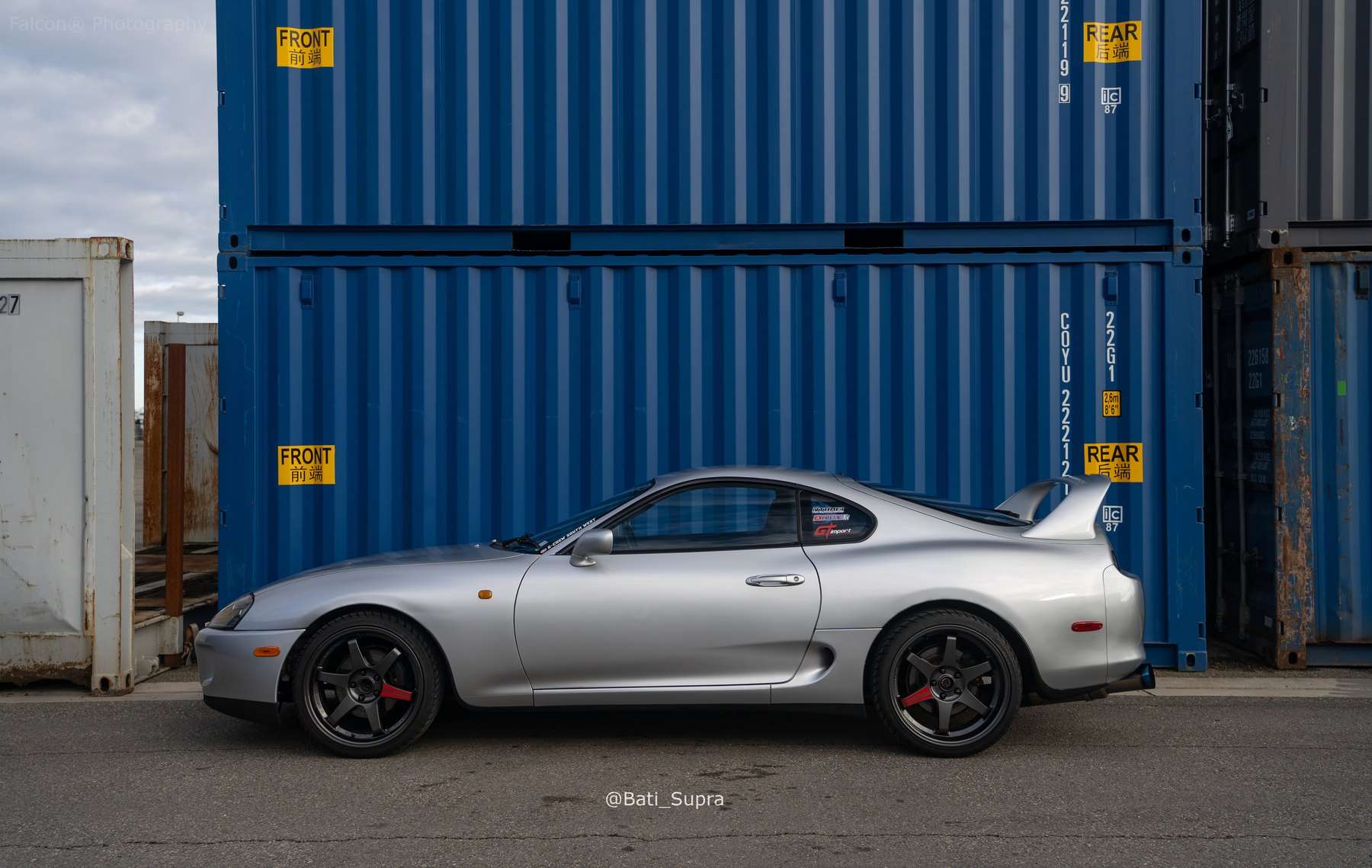
The A80’s reputation grew after production ended. Motorsport, tuning magazines, early console racing games and film appearances exposed the shape and 2JZ name to a much larger audience. That later fame should not erase what Toyota achieved in period: a highly developed, extremely fast sports coupé that could compete with established European machinery while remaining usable every day.
Tuning potential has also made unmodified examples scarce. Some conversions are engineered to an excellent standard, but many cars have passed through several owners and specifications. Originality, documented work and a coherent build now carry more value than an unsupported dyno figure.
Love cars you don’t see every day?
Get forgotten cars, surprising motoring stories and the most interesting finds from Unusual Cars by email.
Free to join. No spam. Unsubscribe whenever you like. See our privacy policy.
Toyota Supra A80 buying guide
Identity, history and modifications
Start with the chassis number, Toyota model code and import or UK-supply records. Establish the original grade, engine, transmission and body style. Then document every modification. Poorly installed single-turbo conversions, improvised wiring and mismatched engine management can cost far more to correct than a superficially expensive standard car.
Body and accident damage
Inspect the rear subframe mounting areas, sills, floor, wheelarches, boot floor, front chassis legs and suspension pick-up points. Look for distorted seams, uneven panel gaps and inconsistent paint that suggest crash repair. Check the heavy rear hatch, spoiler mountings, headlamps and increasingly costly exterior trim.
Engine, turbo system and cooling
Demand evidence of regular oil changes and timing-belt replacement. Check the radiator, expansion tank, hoses and water pump for leaks or corrosion. On a standard sequential-turbo car, boost should build cleanly through the changeover; flat spots can involve actuators, vacuum control or turbo faults. Smoke, crankcase pressure, overheating or an unstable tune justify specialist diagnosis.
Gearbox, differential and brakes
The Getrag six-speed is strong but expensive. Listen for bearing noise, check for clutch slip and ensure every gear engages without crunching or jumping out. Automatics should change cleanly without flare. Inspect brake calipers for seizure, check for uneven tyre wear and reject suspension geometry that cannot be explained by documented parts and alignment.
Interior and electrical equipment
Test the instruments, climate control, windows, mirrors, central locking and warning lamps. Dash cracks, worn seat bolsters and missing trim are not mechanical disasters, but correct parts can be difficult and costly to source.

Frequently asked questions
What does A80 mean on a Toyota Supra?
A80 is the chassis-generation designation for the fourth-generation Supra introduced in 1993. Individual model codes provide the more precise market, engine, transmission and grade information.
Did every Mk4 Supra have a twin-turbo engine?
No. Toyota sold naturally aspirated 2JZ-GE versions as well as twin-turbo 2JZ-GTE models. Japanese-market grades included SZ, SZ-R, RZ, RZ-S and GZ variants.
How powerful was the UK Toyota Supra Twin Turbo?
Toyota GB quoted 326bhp for the UK-market A80 Twin Turbo. Japanese-market turbo cars were officially rated at 280PS under the period manufacturers’ agreement.
Is the 2JZ-GTE indestructible?
No. It is exceptionally strong in standard form when maintained properly, but age, overheating, poor tuning, inadequate fuel supply and badly installed modifications can still cause expensive failures.
What is the safest type of A80 Supra to buy?
The safest purchase is the car with verified identity, sound structure, comprehensive history and either original specification or professionally documented modifications. Market, grade and condition matter more than a badge or claimed power figure.
Research sources
- Toyota GB: Supra fourth-generation archive
- Toyota GB: Supra archive and model timeline
- Toyota Gazoo Racing: A70 and A80 heritage-parts programme
- Classics World: Toyota Supra A80 buyer’s guide
- Classic & Sports Car: Toyota Supra A80 buyer’s guide
- Featured image: Toyota Supra JZA80 by Shadman Samee, CC BY-SA 2.0.
Continue the Toyota story
Explore the Rare & Performance Toyotas hub, discover the mid-engined Toyota MR2 SW20, or follow Toyota into rallying with the Celica GT-Four.