UNUSUAL CARS MODEL GUIDE
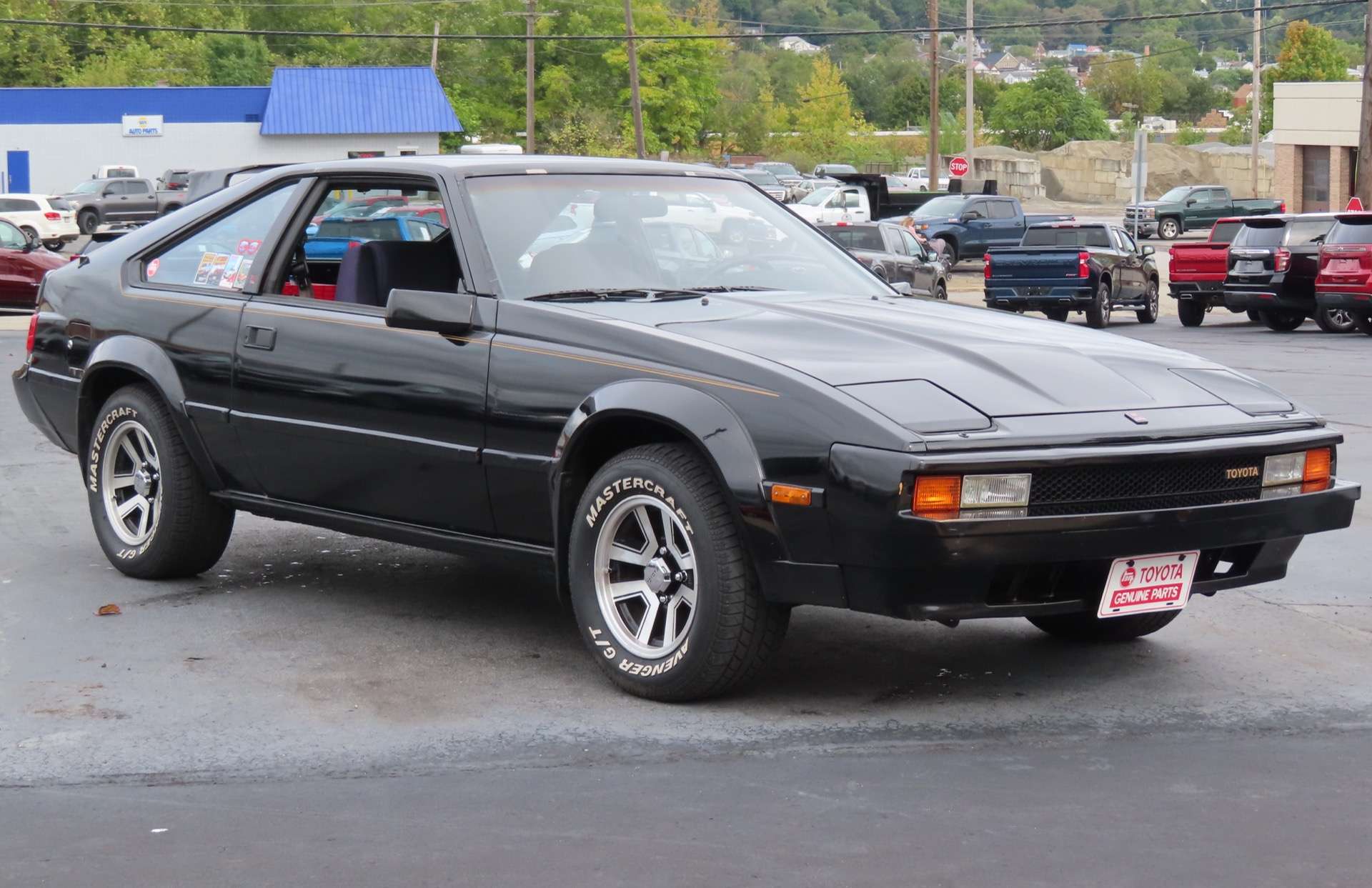
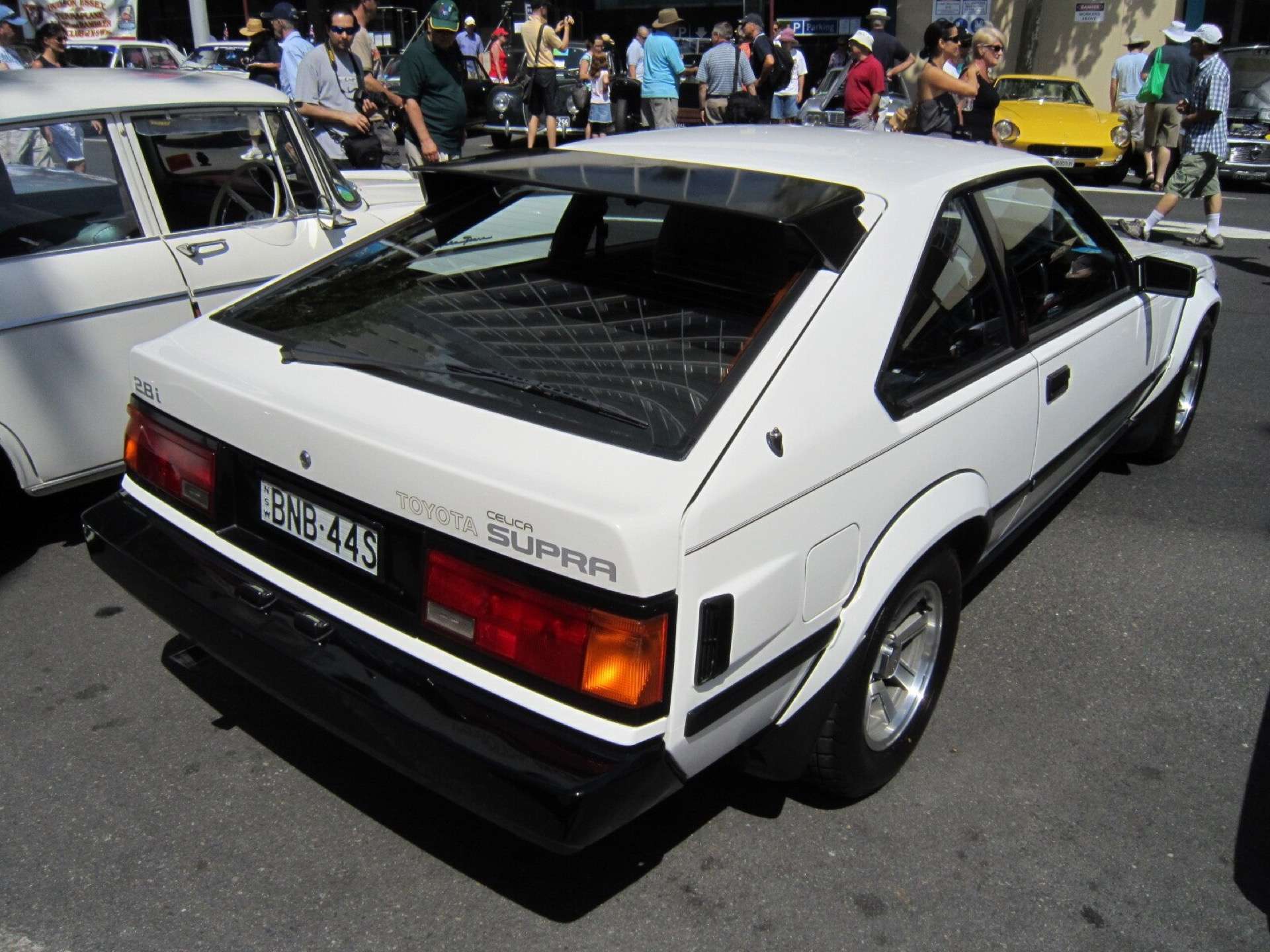
The Toyota Celica Supra A60 was the car that turned the Supra from a long-nose Celica derivative into a serious performance grand tourer. Launched in Japan as the second-generation Celica XX in July 1981, it combined sharp wedge styling, pop-up headlamps, rear-wheel drive and six-cylinder power. Export cars wore the Celica Supra name, while enthusiasts often call the generation the Mk2 Supra.
Quick answer: the A60 Celica Supra was built from 1981 to 1986 and used Toyota M-series straight-six engines. The most desirable versions combine the wide-arch body, limited-slip differential and manual gearbox, but condition matters more than trim: corrosion, neglected cooling systems, tired suspension and incomplete restoration work can turn an inexpensive project into a difficult one.
From Celica XX to Celica Supra
Toyota created the original Celica XX in 1978 by stretching the Celica platform for a smoother six-cylinder engine. The second generation made the idea much more convincing. Its low bonnet, retractable headlamps and crisp hatchback body looked modern, while independent rear suspension gave it a more sophisticated chassis than the live-axle four-cylinder Celica.
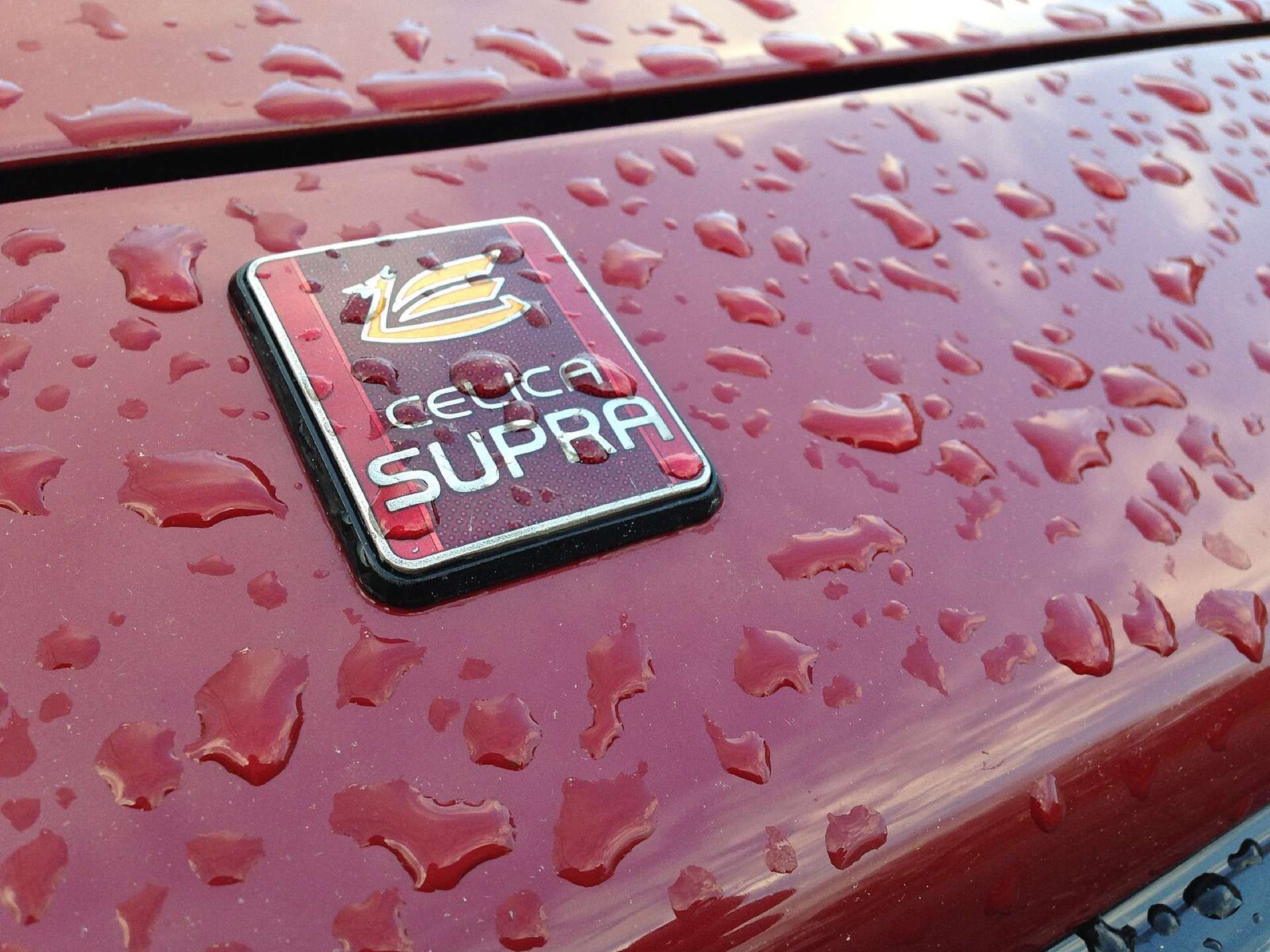
In Japan the badge remained Celica XX. Export markets used Celica Supra because the “XX” name had awkward associations in English-speaking countries. Both names describe the same A60 family, although engines, equipment and model codes varied considerably by market.
Engines and specifications
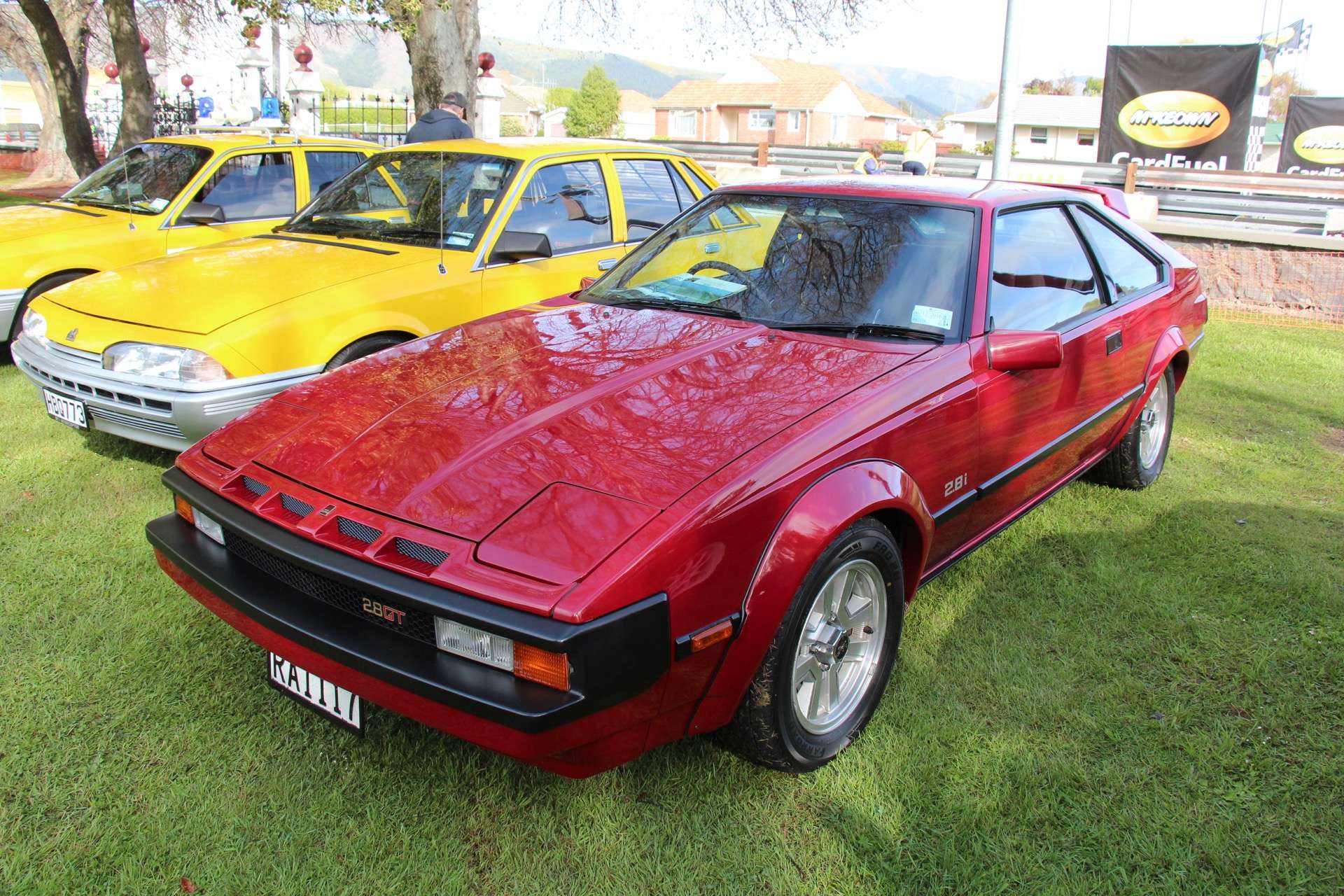
Toyota offered several M-series straight-sixes during the A60’s life. The Japanese launch flagship used the 2,759cc 5M-GEU twin-cam engine, officially rated at 170PS in its domestic specification. Export cars included 2.8-litre 5M-GE versions, while some markets received 2.0-litre six-cylinder models. Power figures differ because specifications, emissions equipment and measurement standards changed by country and year.
A five-speed manual or four-speed automatic sent power to the rear wheels. Toyota’s official Japanese specification records a 2,615mm wheelbase and a representative 1,230kg kerb mass. Four-wheel disc brakes and independent suspension suited its grand-touring purpose.
| Item | Representative A60 specification |
|---|---|
| Production generation | 1981–1986 |
| Layout | Front engine, rear-wheel drive |
| Principal export engine | 2,759cc 5M-GE DOHC straight-six |
| Gearboxes | Five-speed manual or four-speed automatic |
| Wheelbase | 2,615mm |
| Representative Japanese output | 170PS for the 5M-GEU at launch |
| Representative Japanese mass | Approximately 1,230kg |

P-type and L-type: what changed?
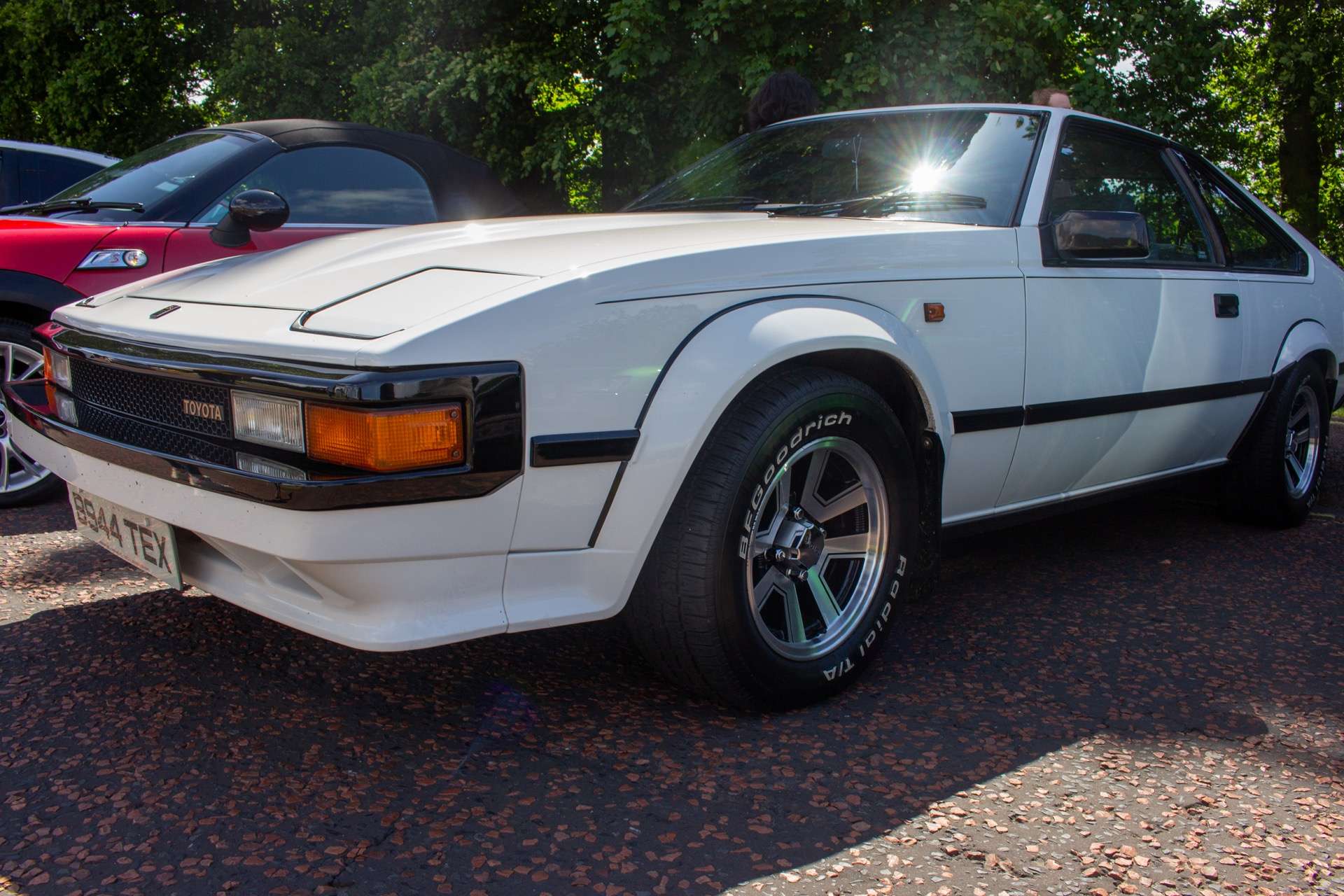
North American literature divided the Celica Supra into Performance and Luxury versions, usually shortened to P-type and L-type. The P-type is recognised by its wheel-arch extensions, wider wheels and more overtly sporting trim. The L-type emphasised equipment and a smoother appearance. Other markets used different grade names, so those labels should not be applied blindly to every European or Japanese car.
Model-year updates altered lights, bumpers, wheels, interiors, gearing and engine management. A chassis plate and market-specific brochure are more reliable than a single visual clue. After four decades, many cars also wear swapped wheels, spoilers and interiors.
Chassis, technology and Navicom
The A60’s combination of MacPherson-strut front suspension, independent semi-trailing-arm rear suspension and four-wheel disc brakes gave it the right ingredients for a quick long-distance coupé. Toyota tuned it as a stable grand tourer rather than an uncompromising lightweight sports car.
The Japanese Celica XX also demonstrated Toyota’s interest in electronic equipment. Its optional Navicom system used an electronic compass and displayed direction and distance to a stored destination. It was not satellite navigation, but Toyota identifies it as the world’s first car-navigation system and an important step towards later integrated systems.
Love cars you don’t see every day?
Get forgotten cars, surprising motoring stories and the most interesting finds from Unusual Cars by email.
Free to join. No spam. Unsubscribe whenever you like. See our privacy policy.
Why the A60 matters
The Mk2 established the visual and mechanical formula people now associate with early Supras: a long bonnet, straight-six engine, rear-wheel drive and a practical hatchback body. It bridged the gap between the Celica-based first generation and the independent A70 Supra introduced in 1986.
It is also a strong period object. Digital displays, graphic upholstery, angular dashboards and pop-up headlamps place it firmly in the early 1980s, while the naturally aspirated six-cylinder drivetrain gives it a character quite different from later turbocharged Supras.
Toyota Celica Supra A60 buying guide
Body and corrosion
Inspect the sills, floor, chassis rails, wheelarches, suspension pick-up points, hatch aperture, spare-wheel well, scuttle and windscreen surrounds. Sunroofs and hatch seals can admit water. Check beneath body kits and arch extensions because they can conceal corrosion or poor previous repairs.
Engine and cooling
Start from cold and look for smoke, oil leaks, cooling-system pressure and evidence of overheating. Ask when coolant, hoses, belts and routine service items were last changed. A straight-six should idle smoothly and pull cleanly without persistent tapping or bottom-end noise.
Gearbox and differential
A manual should select all gears without crunching, especially when cold. Listen for differential whine and driveline clunks. Automatics should engage promptly and change cleanly. Confirm whether a claimed limited-slip differential is original and still effective.
Suspension, brakes and steering
Worn bushes and dampers make the car wander and knock. Check the rear suspension mounts, steering play, wheel bearings and brake balance. Non-standard wheels can introduce rubbing, poor geometry and tyre sizes that are difficult to replace.
Trim, electrics and originality
Interior plastics, digital instruments, switchgear, lamps and model-specific exterior trim can be harder to source than mechanical service parts. Test every electrical item and verify the chassis code, engine type and market specification before accepting a rare-version claim.
Frequently asked questions
Is the A60 the same as the Mk2 Toyota Supra?
Yes. Enthusiasts commonly call the A60 the Mk2 Supra. It was sold as the Celica XX in Japan and Celica Supra in export markets.
What engine is in the Celica Supra A60?
Many export cars use the 2.8-litre 5M-GE twin-cam straight-six. Other markets and years received different M-series six-cylinder engines, so the chassis and engine codes should be checked.
What are P-type and L-type Supras?
They are North American Performance and Luxury versions. P-type cars have wider arches and a more sporting specification, while L-type cars place greater emphasis on equipment and comfort.
Was the A60 Supra rear-wheel drive?
Yes. The engine is mounted at the front and drives the rear wheels through a manual or automatic gearbox.
What is the main A60 buying risk?
Structural corrosion is the biggest risk, followed by incomplete repairs and missing model-specific trim. Mechanical parts are often easier to solve than a badly corroded shell.
Research sources
- Toyota: second-generation Celica XX history and specifications
- Toyota: passenger-car development in the early 1980s
- Toyota: electronics development and Navicom
- Featured image: 1983 Toyota Celica Supra by MercurySable99, CC BY-SA 4.0.
Continue the Toyota story
Explore the Rare & Performance Toyotas hub, move forward to the Supra A70, or compare the later Supra A80.