UNUSUAL CARS MODEL GUIDE
The Fiat Dino united two of Italy’s great car-making traditions: Fiat supplied the production scale needed to homologate Ferrari’s new V6 for Formula 2, while Pininfarina and Bertone created two very different grand tourers around it. The result was a Ferrari-engined Fiat with an identity of its own.
Quick answer: the Pininfarina Spider arrived in 1966 and the Bertone 2+2 Coupé in 1967. Early cars used a 1,987 cc aluminium-block V6 rated at 160 PS; the improved 2,418 cc cars introduced in 1969 had 180 PS, independent rear suspension and a ZF five-speed gearbox. Rust, V6 maintenance and originality dominate any buying decision.
Why Ferrari needed Fiat
Formula 2 rules required Ferrari to build a quantity of production engines that its own small factory could not easily supply. An agreement with Fiat put the Dino V6 into a higher-volume road car, creating the production base needed for homologation. The engine family had deep competition roots, but the Fiat was never simply a Ferrari with different badges.
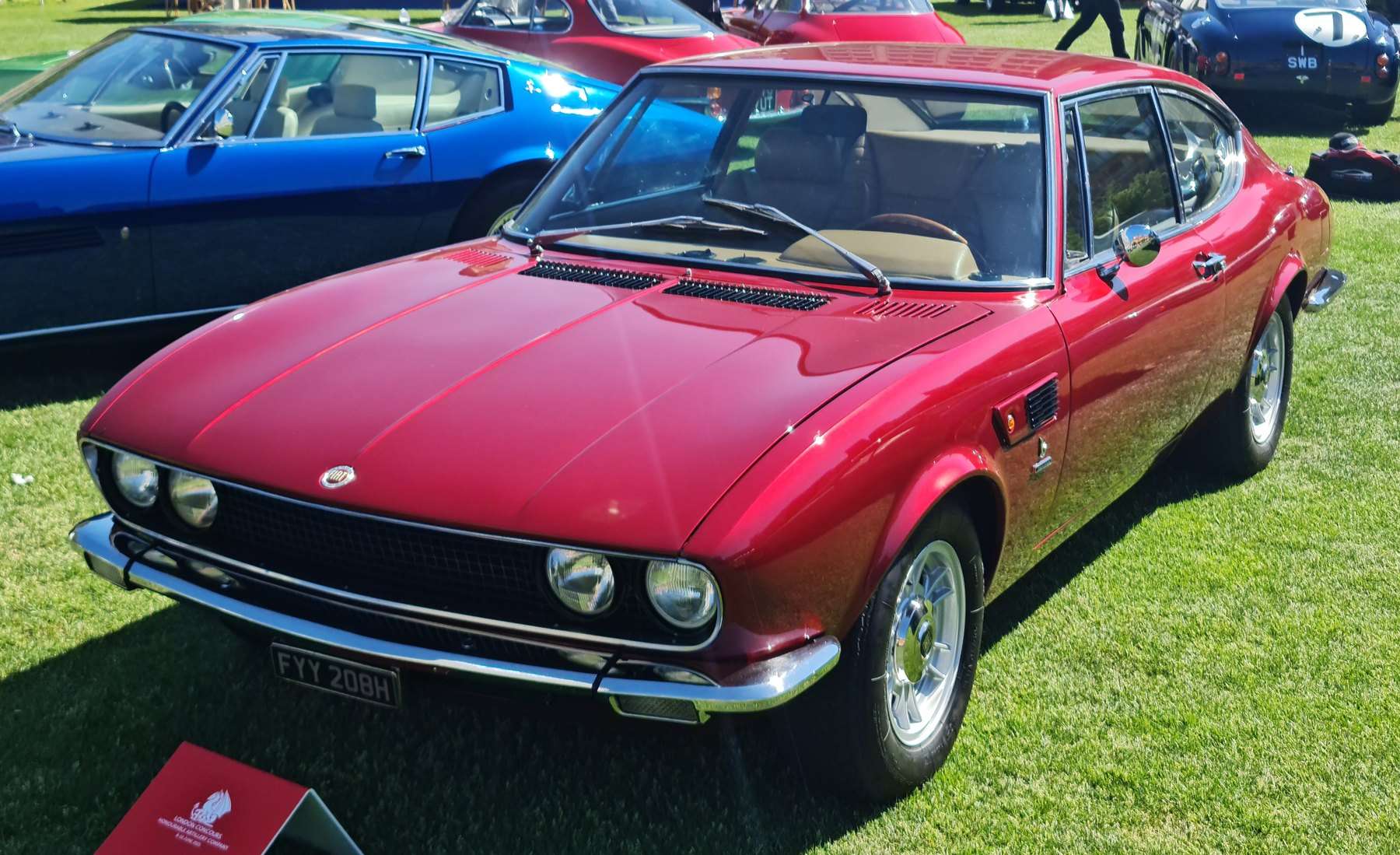
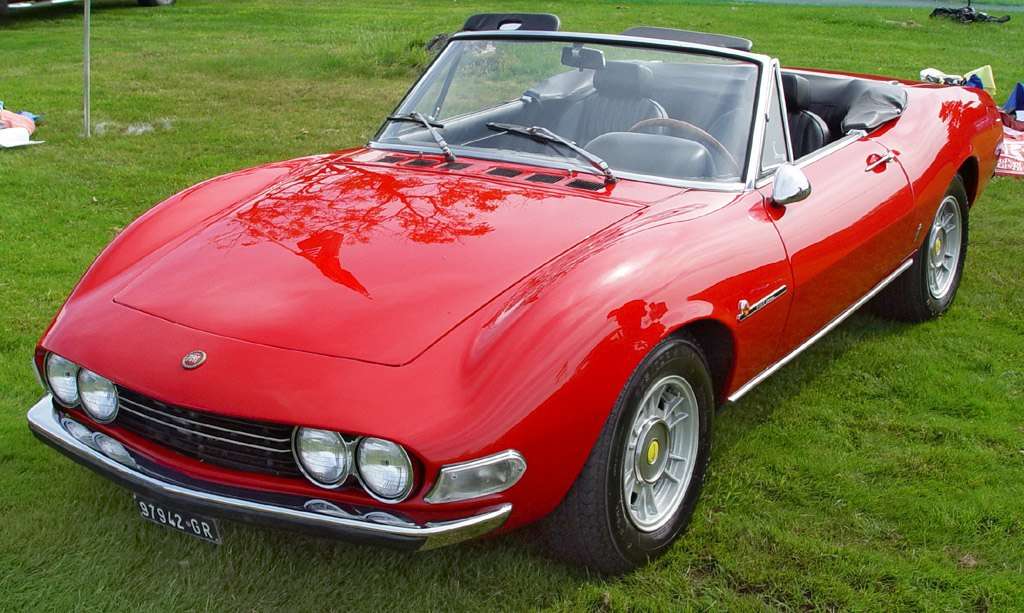
Fiat launched the two-seat Dino Spider at the 1966 Turin motor show. Pininfarina gave it a compact, low open body with four headlamps and a restrained tail. The longer-wheelbase Coupé followed at Geneva in 1967. Giorgetto Giugiaro’s design for Bertone added two occasional rear seats and a sharper, more formal fastback shape.
The 2.0-litre Dino
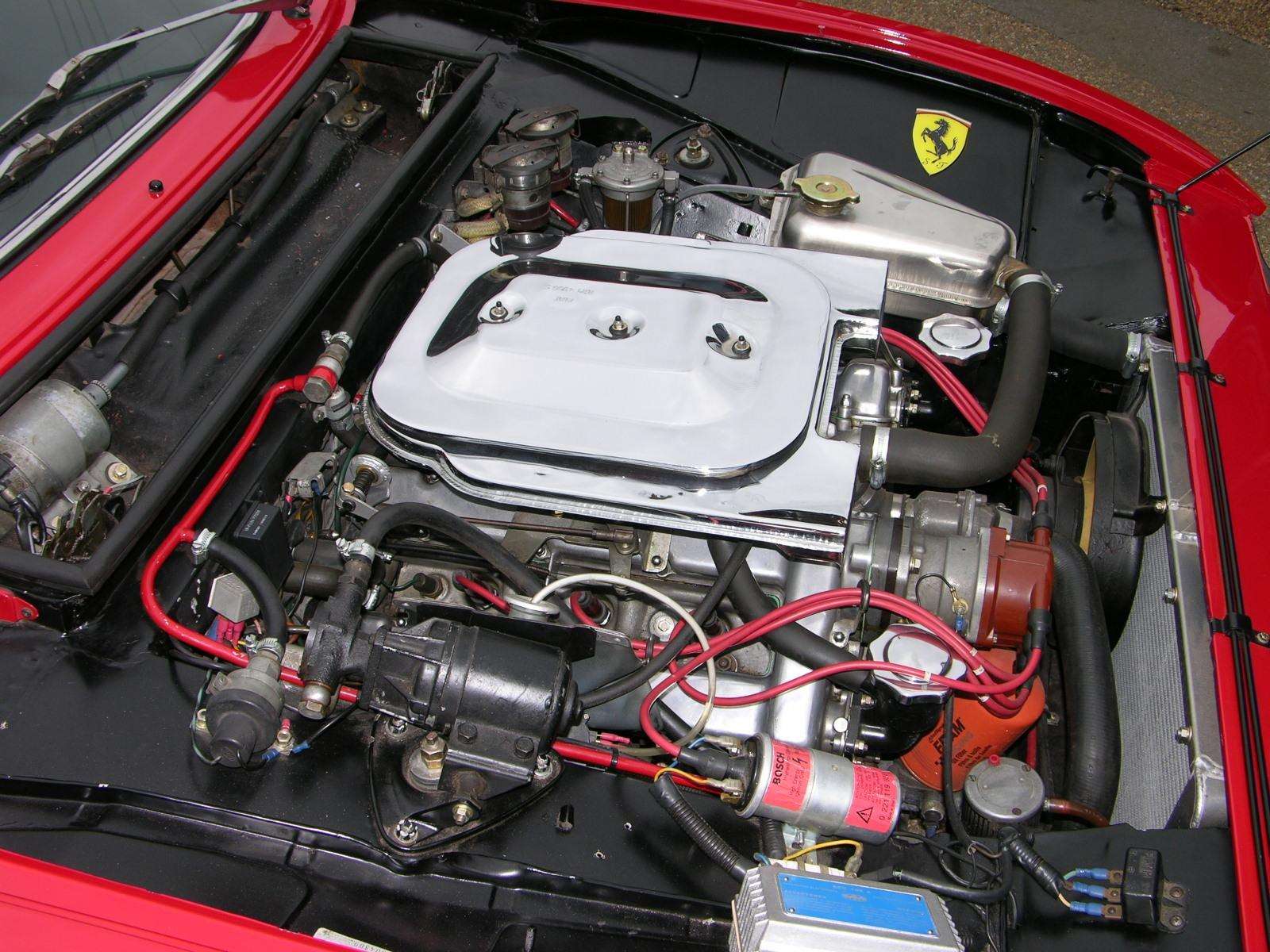
The first 65-degree V6 displaced 1,987 cc and used an aluminium block and cylinder heads, twin overhead camshafts for each bank and three Weber carburettors. Fiat quoted 160 PS at 7,500 rpm for the Spider. The engine’s appetite for revs and distinctive exhaust note defined the car, but it demanded maintenance beyond that of an ordinary Fiat.
Early Spiders used a live rear axle, while the Coupé shared the broad mechanical layout but had its own longer wheelbase and more accommodating cabin. Both used disc brakes all round. The Coupé’s extra space and lower original price made it the more numerous derivative.
Why the 2.4-litre cars are different
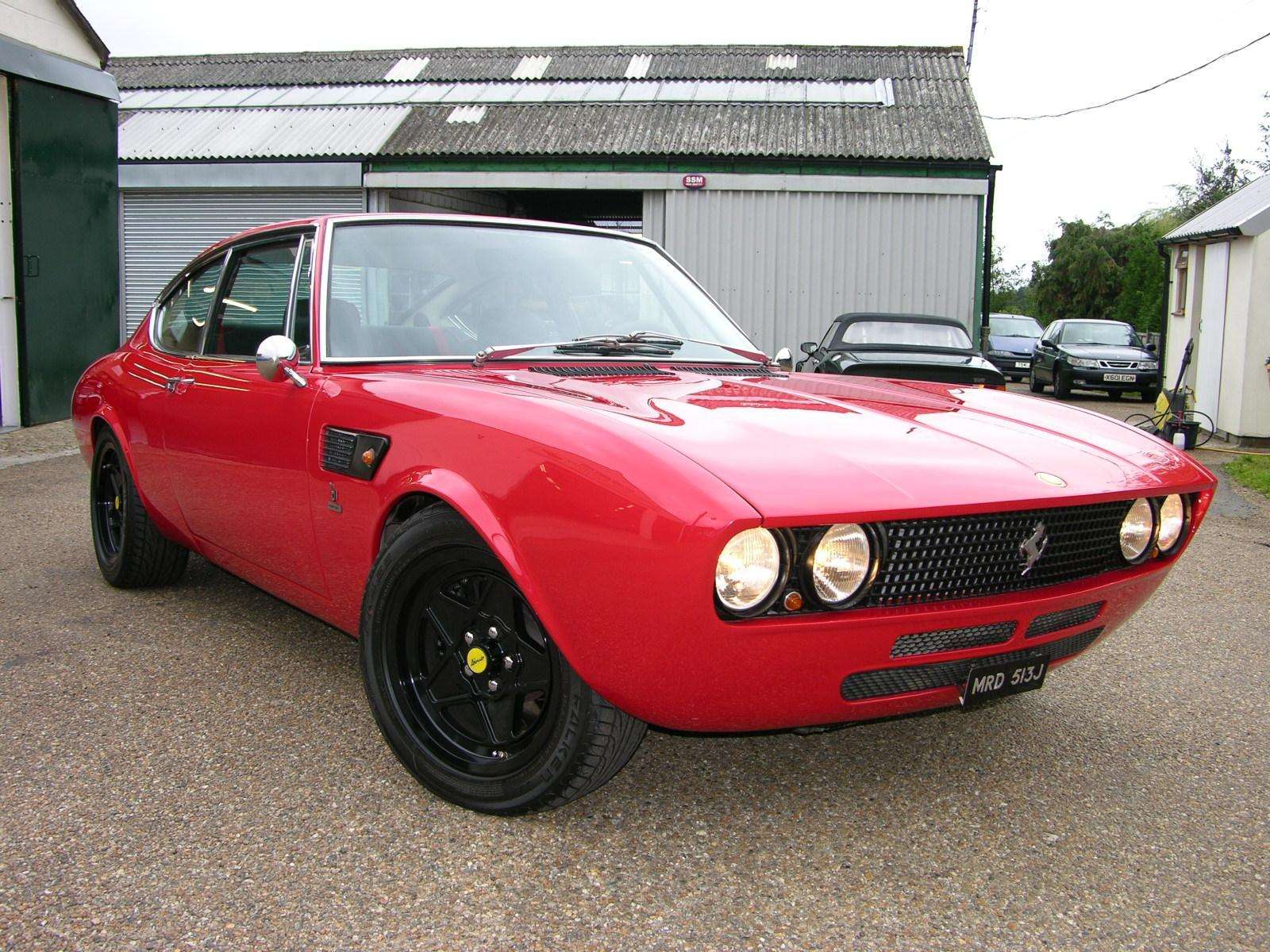
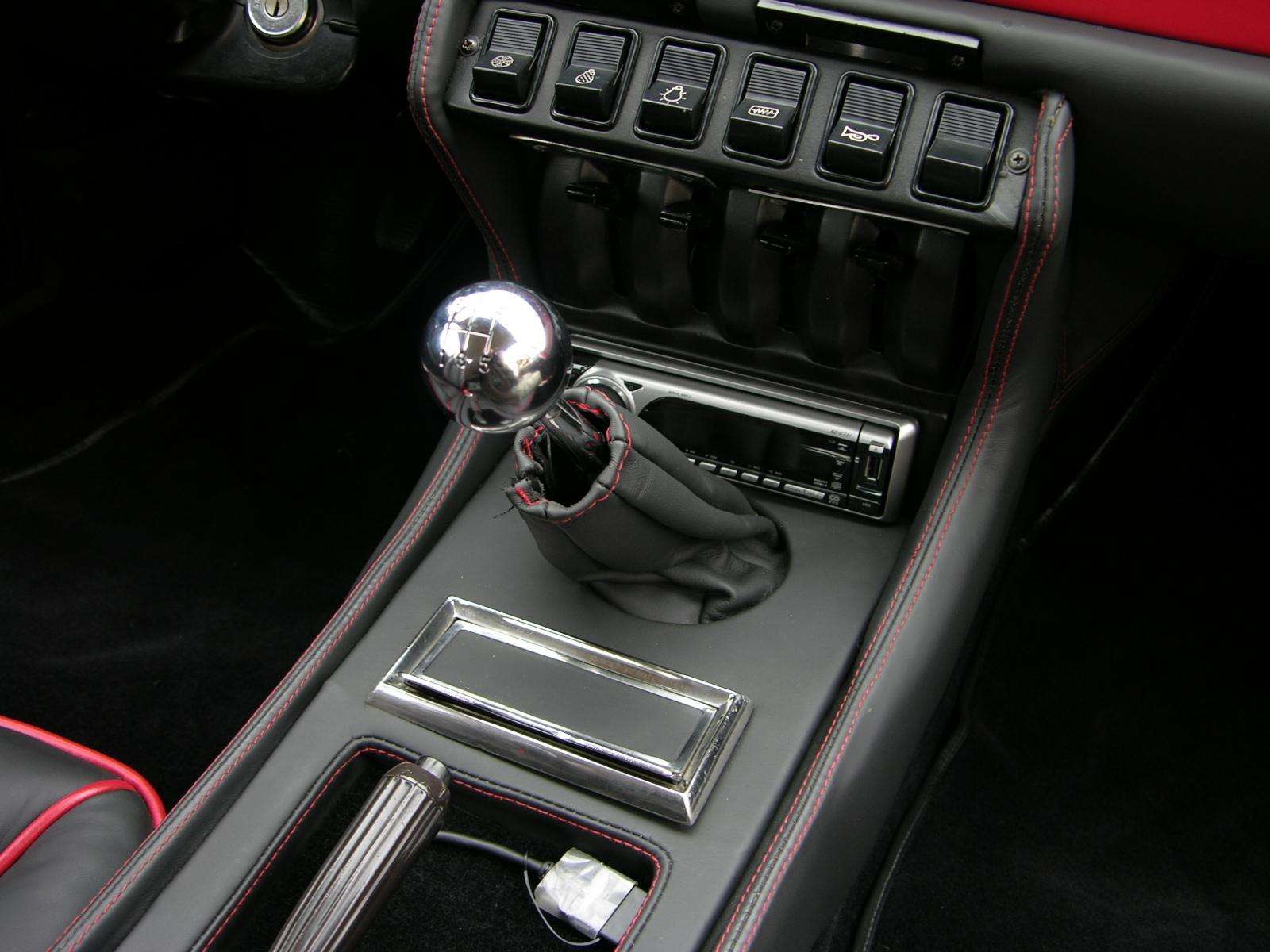
For 1969 Fiat substantially revised both bodies. Capacity rose to 2,418 cc, the block changed from aluminium to cast iron and output increased to 180 PS at 6,600 rpm. The later cars adopted independent rear suspension derived from the Fiat 130, larger 14-inch wheels and a robust ZF five-speed gearbox with a dog-leg first-gear pattern.
Assembly of the 2.4-litre cars moved to Ferrari at Maranello. The related Dino 246 GT used its own version of the same engine family. The Fiat’s front-engine layout and more practical cabin still made it a distinct proposition: a fast, refined Italian GT rather than a mid-engined junior supercar.
Coupé or Spider?
The Spider is the rarer and more glamorous car, with open-air drama and delicately balanced Pininfarina lines. Fiat’s official history records 1,133 2.0-litre Spiders and 424 later 2.4-litre examples. That scarcity is reflected in values and in the difficulty of finding correct body and trim parts.
The Bertone Coupé is a genuine 2+2 grand tourer with better luggage space, greater weather protection and a lower entry price. Stellantis Heritage records 6,068 Coupés by the end of production. For drivers who want to use a Dino rather than preserve it as an event car, the Coupé often makes the more convincing case.

Inside the Fiat Dino
The Coupé’s wood-rimmed wheel, deep instruments and row of secondary switches give it a serious GT atmosphere. The rear seats are best considered occasional, but they make it far more versatile than the Spider. A 2.4-litre car’s ZF transmission can feel deliberate when cold; crunching or serious resistance after it warms is not normal.

Love cars you don’t see every day?
Get forgotten cars, surprising motoring stories and the most interesting finds from Unusual Cars by email.
Free to join. No spam. Unsubscribe whenever you like. See our privacy policy.
Fiat Dino buying guide
Rust and previous restoration
Check the wings, wheelarches, doors, floors, sills, jacking points, base of the A-pillars, boot and suspension pick-up points. Door gaps that close up can reveal weakened sills. Spider panels are particularly difficult to replace, so examine invoices and restoration photographs rather than judging a shiny finish alone.
V6 engine
Use a specialist who understands the Dino V6. Confirm regular valve-clearance checks, correct carburettor set-up and evidence of timing-chain and tensioner work. Listen for chain noise, worn camshafts and bottom-end problems, and reject smoke or weak oil pressure until properly diagnosed. A rebuild is expensive.
2.4-litre exhaust valves
Later engines were originally fitted with sodium-filled exhaust valves that can fail catastrophically. Many cars have solid replacements, but documentary proof matters. Treat the absence of evidence as a reason for specialist inspection, not as reassurance.
Ignition, cooling and fuel system
The original Dinoplex electronic ignition is significant but can be unreliable; some cars have discreet modern replacements. Check cold and hot starting, charging voltage, fuel hoses, cooling fans and stable temperature. Long periods of storage can leave carburettors, brakes and fuel tanks needing more work than a short test drive reveals.
Gearbox, suspension and brakes
Early gearboxes can suffer worn synchromesh; the later ZF unit is stronger but naturally heavy and deliberate. Check for grinding once warm. Inspect front ball joints and rubber bushes, confirm the 2.4-litre independent rear suspension is quiet and correctly aligned, and expect the four-wheel discs to stop straight without dragging.
Originality and parts
Badges, bumpers, lamps, glass and body trim can be difficult and expensive. Verify whether a car is a 2.0 or 2.4 and whether major components match its build specification. A complete, documented car is usually a better purchase than a cheaper restoration project.
Which Fiat Dino should you buy?
The 2.4-litre cars are more developed, with stronger performance, independent rear suspension and the ZF gearbox. The 2.0-litre versions have the light-alloy block, a more highly strung character and the appeal of the original specification. Neither is the budget choice once restoration is required.
A Coupé offers the best combination of price, usability and Bertone drama. A Spider is the collector prize, but rarity magnifies the consequences of missing trim or poor body repairs. In either case, pay for the best documented structure and mechanical history rather than the most attractive colour.
Frequently asked questions
Does the Fiat Dino really have a Ferrari engine?
Yes. Its 65-degree V6 belongs to the Ferrari Dino engine family and the Fiat agreement enabled the production volume needed for Formula 2 homologation.
Who designed the Fiat Dino?
Pininfarina designed the two-seat Spider, while Giorgetto Giugiaro created the 2+2 Coupé for Bertone.
What is the difference between a Fiat Dino 2000 and 2400?
The 2400 has a 2,418 cc cast-iron-block V6 rated at 180 PS, independent rear suspension, 14-inch wheels and a ZF five-speed gearbox. The 2000 uses a 1,987 cc aluminium-block V6 rated at 160 PS.
How many Fiat Dino Coupés were built?
Stellantis Heritage records 6,068 Coupés. The Spider was much rarer, with official Fiat history recording 1,133 2.0-litre and 424 2.4-litre examples.
What should I check before buying a Fiat Dino?
Prioritise structural rust, documented specialist V6 maintenance, replacement of vulnerable 2.4-litre exhaust valves, gearbox condition, correct ignition and cooling operation, and completeness of rare trim.
Research sources
- Fiat: 50 years of the Dino Spider, history and specifications
- Stellantis Heritage: Fiat Dino 2400 Coupé
- Stellantis Heritage: Fiat Dino and Ferrari agreement
- Auto Express: Fiat Dino Coupé buying guide
- Featured image: Fiat Dino 2400 Coupé by MrWalkr, CC BY-SA 4.0; resized and compressed for web display.
Continue the Fiat story
Explore the Rare & Performance Fiats hub, discover the Pininfarina-designed Fiat 124 Sport Spider and Abarth Rally, or meet Bertone’s mid-engined Fiat X1/9.