UNUSUAL CARS MODEL GUIDE
The second-generation Saab 900—usually called the 900 NG—moved Saab into a new General Motors era without abandoning the practical hatchback shape, turbo engines and driver-focused cabin that defined the marque. Its heavily revised successor became the first-generation Saab 9-3 in 1998, adding extensive detail changes and the most powerful Viggen derivatives.
From classic 900 to 900 NG
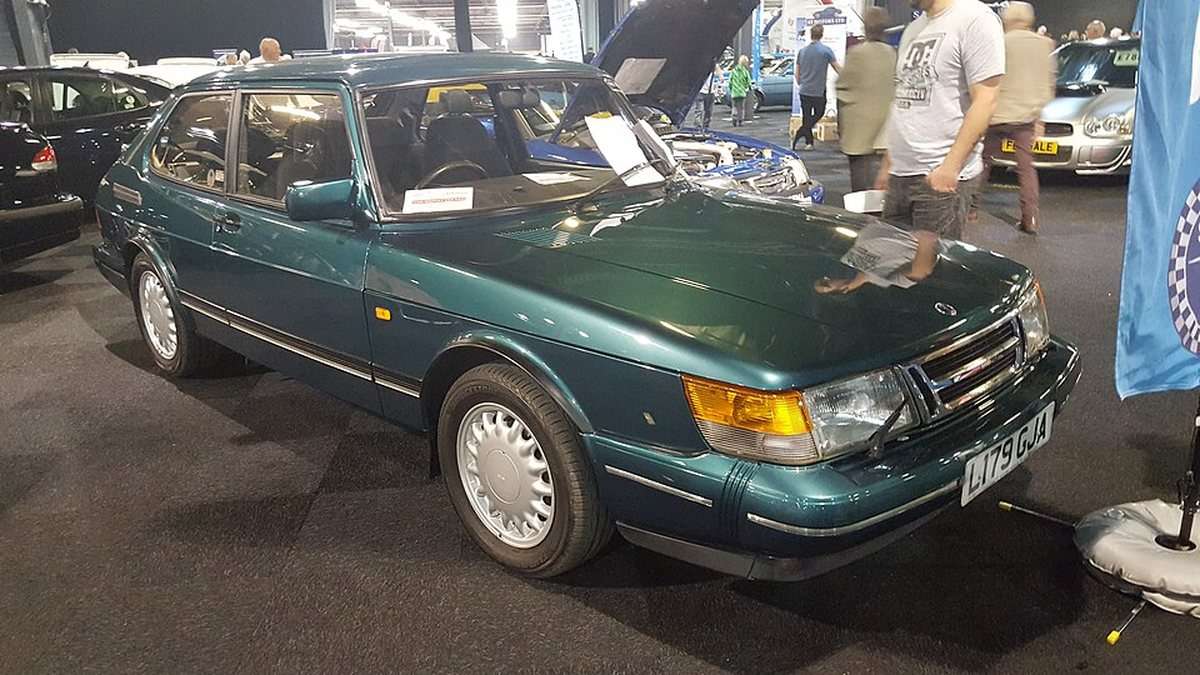
The 900 NG replaced the long-lived classic 900 for the 1994 model year. Its transverse engine and front-drive platform reflected Saab’s place within General Motors, but the body remained recognisably Saab: a steeply raked windscreen, large rear hatch, strong C-pillars and ignition switch between the front seats.
British buyers could choose naturally aspirated four-cylinder engines, turbocharged 2.0-litre cars and a 2.5-litre V6. The hatchback’s folding rear seat and vast opening preserved real practicality. The convertible, built by Valmet in Finland, added another body style without turning the range into a conventional saloon family.

How the first 9-3 differed
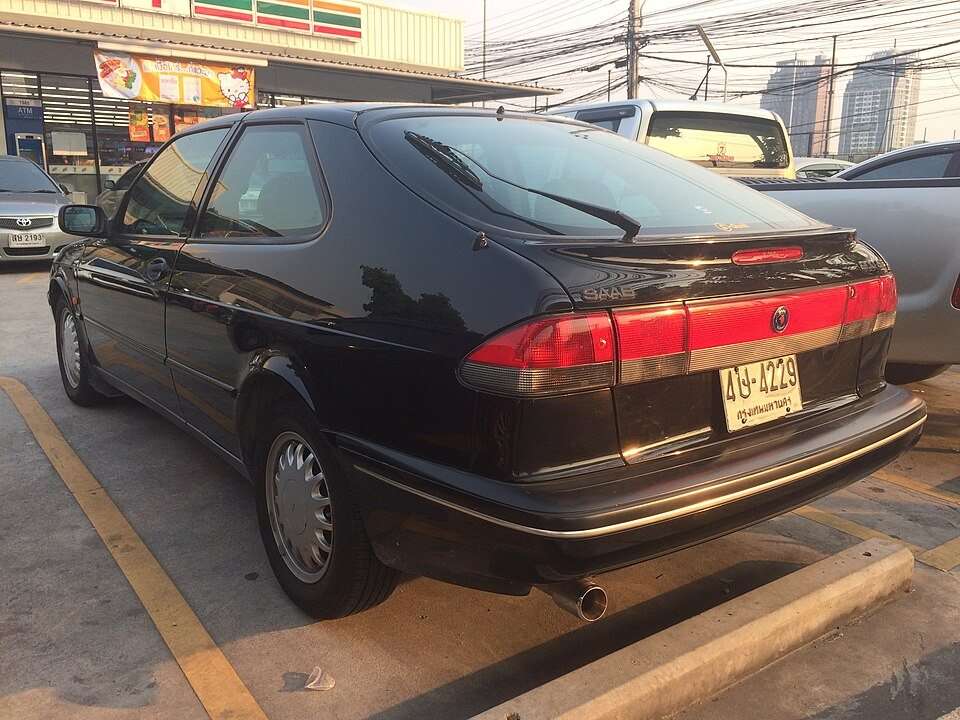
Saab renamed the extensively updated car 9-3 for 1998. Although the silhouette remained familiar, the company described hundreds of changes covering crash performance, refinement, suspension, interior details and aerodynamics. Diesel power joined the range in Europe, while later petrol cars adopted Saab’s B205 and B235 engine family and Trionic 7 management.
The 9-3 also produced the Viggen, already covered separately on this site. Mainstream S, SE and Aero-badged cars are often more affordable, but they still need precise identification because engines, management systems, brakes and suspension vary across years and markets.

| Model | Years | Main distinction |
|---|---|---|
| Saab 900 NG | 1994–98 | Original GM-era 900 with hatchback and convertible bodies |
| Early Saab 9-3 | 1998–2000 | Substantial safety and refinement revisions |
| Later Saab 9-3 | 2000–02 | Revised engine management and model range |
| 9-3 Viggen | 1999–2002 | High-output performance derivative |
Love cars you don’t see every day?
Get forgotten cars, surprising motoring stories and the most interesting finds from Unusual Cars by email.
Free to join. No spam. Unsubscribe whenever you like. See our privacy policy.
Engines and character
The Saab four-cylinder petrol engines suit the car best. Low-pressure turbos deliver relaxed flexibility, while full-pressure versions provide the mid-range surge buyers expect from the badge. Naturally aspirated cars are simpler but should not be assumed trouble-free. The V6 is smooth and unusual, although packaging and parts considerations differ from the Saab four-cylinder engines.
Condition matters more than a headline specification. An original, carefully serviced 2.0 turbo can be a better buy than a modified high-output car with uncertain calibration, old hoses and neglected suspension.

Saab 900 NG and 9-3 buying guide
Bulkhead and steering movement
On affected cars, movement around the steering rack mounting and bulkhead can produce vague steering or visible flex. Watch the pedals and steering area while an assistant turns the wheel, and seek specialist assessment if movement, cracking or previous reinforcement is evident.
Engine lubrication and crankcase ventilation
Later Trionic 7 engines need particular attention to oil-change history and crankcase ventilation. Inspect for sludge evidence, timing-chain noise, smoke and leaks. Earlier engines have different management and ventilation arrangements, so identify the engine rather than applying one checklist to every car.
Gearbox and clutch
Manual gear selection should be positive, with no jumping out of gear or clutch slip under boost. Automatics should shift smoothly cold and hot. Worn engine mounts, driveshaft joints and shifter linkages can add vibration or vagueness.
Suspension, brakes and tyres
Front bushes, ball joints, dampers and rear suspension wear can make the car wander or tramline. Check tyre wear and alignment, then examine brake pipes, discs and callipers. A comprehensive chassis refresh often transforms a tired car.
Corrosion and water entry
Inspect sills, floors, wheelarches, subframes, suspension mountings, door bottoms and the area beneath seals and trim. Hatch seals, door membranes and convertible drainage can allow water into the cabin or luggage area.


Continue the Saab story
Return to the Rare & Performance Saabs hub, then read the dedicated 9-3 Viggen guide or compare the earlier classic Saab 900 Turbo.
Research sources
Frequently asked questions
What does Saab 900 NG mean?
NG means new generation and distinguishes the 1994–98 model from the classic Saab 900 built from the late 1970s.
Is the first Saab 9-3 related to the 900 NG?
Yes. The 1998 first-generation 9-3 was a substantially revised development of the 900 NG.
Were the Saab 900 NG and 9-3 sold in Britain?
Yes. Both were official UK-market cars in right-hand drive, including hatchbacks and convertibles.
Which engines should buyers consider?
The Saab four-cylinder turbo engines provide the most characteristic performance, but service history and condition matter more than output.
What is the main structural check?
Inspect the steering-rack and bulkhead area, along with sills, floors, suspension mounts and previous repairs.