UNUSUAL CARS MODEL GUIDE
The Saab 99 Turbo was the car that made turbocharging usable, distinctive and commercially credible in an everyday European hatchback. Revealed at the Frankfurt motor show in September 1977 and sold as a 1978 model, it established the performance philosophy later developed by the Saab 900.
Quick answer: the 99 Turbo combined Saab’s two-litre engine with a turbocharger, Bosch fuel injection and a chassis based on the 99 EMS. Early three-door Combi Coupes are the signature version, while later two-door cars and competition derivatives require careful identification. Rust, fuel injection, turbo condition and scarce trim dominate the buying decision.
The Saab 99 before turbocharging
Saab began project Gudmund in 1964 to create a larger car than the 96. The 99 was revealed in November 1967 and entered sale for the 1969 model year. Early cars used a Triumph-derived slant-four engine, but Saab progressively redesigned and localised the unit into its own two-litre engine.
The 99’s wraparound windscreen, strong safety structure, ignition switch between the seats and practical Combi Coupe body created the foundations for the Turbo. The injected 99 EMS provided a sporting base before boost arrived.

How Saab made the turbo usable
Turbochargers were not new, but earlier road applications often suffered from abrupt response or limited low-speed flexibility. Saab concentrated on a relatively compact turbo installation and careful boost control so the engine delivered useful torque in normal driving rather than only a dramatic top-end surge.
The production 99 Turbo used the Saab B-series two-litre engine, Bosch K-Jetronic mechanical fuel injection and a Garrett turbocharger. Contemporary quoted outputs vary slightly by market and measurement standard; the important distinction is the broad increase in mid-range performance rather than a single headline number.

Body styles and competition history
The three-door Combi Coupe is the image most closely associated with the model. Saab also built later two-door notchback Turbo versions, while market equipment, wheels and trim changed. The model’s success attracted copies and later conversions, so a period-correct engine bay and body kit do not alone prove factory identity.
In February 1979 Stig Blomqvist and Björn Cederberg won the Swedish Rally in a Saab 99 Turbo. The victory was historically important because it demonstrated a turbocharged car winning at world-championship level, but a rally replica should never be represented as an original competition car without documentary provenance.

Love cars you don’t see every day?
Get forgotten cars, surprising motoring stories and the most interesting finds from Unusual Cars by email.
Free to join. No spam. Unsubscribe whenever you like. See our privacy policy.
From 99 Turbo to 900 Turbo
The 99 Turbo’s commercial and competition credibility gave Saab a clear technical identity. The 900 extended the structure, cabin and model range, while APC and 16-valve engines made turbo performance more adaptable and powerful.
For collectors, the 99 is the purer origin point. Its simpler cabin, shorter production window and close connection to Saab’s first production turbo programme give it significance beyond outright speed.

Saab 99 Turbo buying guide
Structural corrosion
Inspect the sills, floors, suspension mounts, inner wings, driveshaft tunnels, door bottoms, hatch surround and screen apertures. Correctly repairing a structurally poor shell can exceed the value of an apparently complete car.
Fuel injection and turbo system
K-Jetronic must be assessed when cold and fully warm. Hesitation, difficult hot starting or unstable idle can result from air leaks, fuel-pressure faults or neglected injection components. Check turbo shaft condition, hoses, exhaust smoke and oil supply.
Engine, gearbox and cooling
Listen for timing-chain and bottom-end noise, examine coolant condition and check for oil leaks or crankcase pressure. Test every gear under acceleration and overrun.
Identity and irreplaceable parts
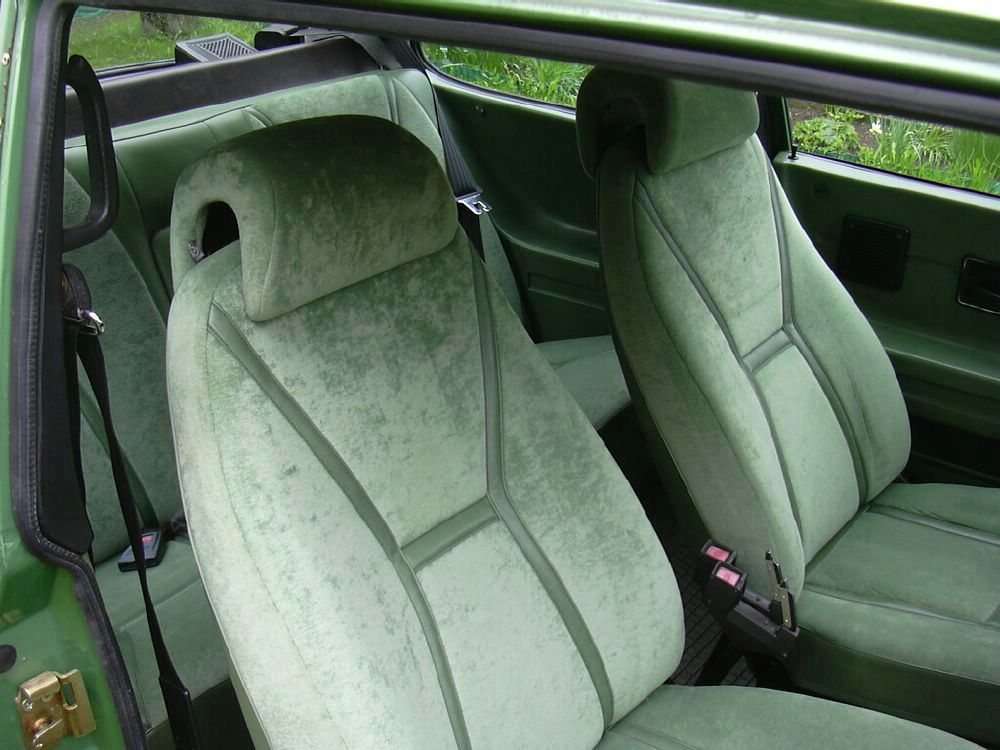
Confirm chassis numbers, production records, engine specification and original market equipment. Wheels, seats, instruments, badges, spoilers and body panels can be much harder to replace than routine mechanical parts.
Research sources
- Saab Car Museum: the story of Saab
- SaabMuseum.com: Saab 99 history
- SaabMuseum.com: Saab 99 model-year changes
- Saab Car Museum Supporters: Swedish Rally history
Continue the Saab story
Return to the Rare & Performance Saabs hub, then follow the story into the classic Saab 900 Turbo.
Frequently asked questions
When was the Saab 99 Turbo launched?
It was unveiled at the Frankfurt motor show in September 1977 and sold as a 1978 model.
What engine does the Saab 99 Turbo use?
It uses Saab’s two-litre B-series four-cylinder engine with Bosch mechanical fuel injection and a turbocharger.
Did the Saab 99 Turbo win a World Rally Championship event?
Yes. Stig Blomqvist and Björn Cederberg won the 1979 Swedish Rally in a Saab 99 Turbo.
Was every Saab 99 Turbo a hatchback?
No. The three-door Combi Coupe is the best-known version, but two-door notchback Turbo cars were also produced.
What should be checked before buying a 99 Turbo?
Structural corrosion, factory identity, fuel-injection condition, turbo health, gearbox operation and the completeness of model-specific trim are the priorities.