UNUSUAL CARS MODEL GUIDE
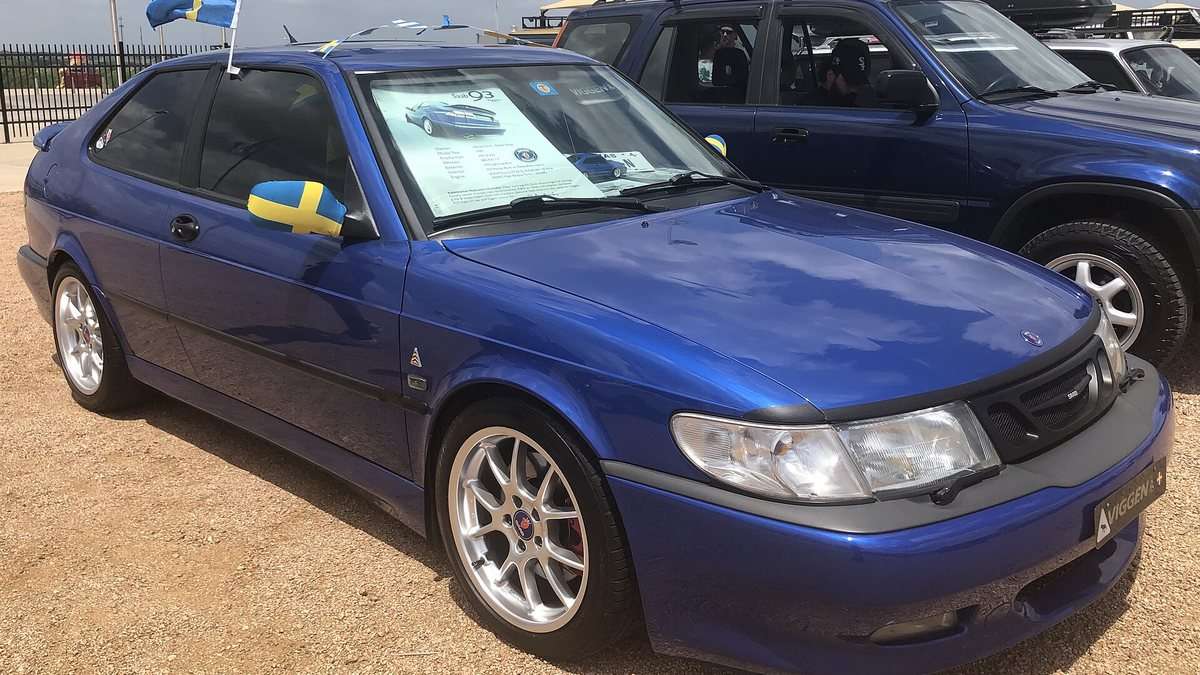
The Saab 9-3 Viggen was the high-performance flagship of the first-generation 9-3. Named after Saab’s Viggen combat aircraft, it combined a 2.3-litre high-output turbo engine with uprated brakes, suspension, transmission hardware and distinctive bodywork.
Quick answer: the Viggen was sold from 1999 to 2002 in three-door, five-door, convertible and limited four-door forms depending on market. Power rose during production, but every car places heavy demands on its front-wheel-drive chassis. Identity, structural condition, engine lubrication, transmission health and evidence of the factory or dealer chassis updates matter more than cosmetic modifications.
From 900 to first-generation 9-3
The first 9-3 arrived for the 1998 model year as a substantially revised successor to the second-generation 900. Saab altered hundreds of components, improved safety and refinement and changed the model name, but the underlying platform and transverse-engine layout remained related.
The Viggen became the range’s performance statement. Its name linked the car to the Saab 37 Viggen aircraft, while its specification aimed to extract much more performance from the 9-3 architecture without abandoning hatchback or convertible practicality.
Engine and model-year differences
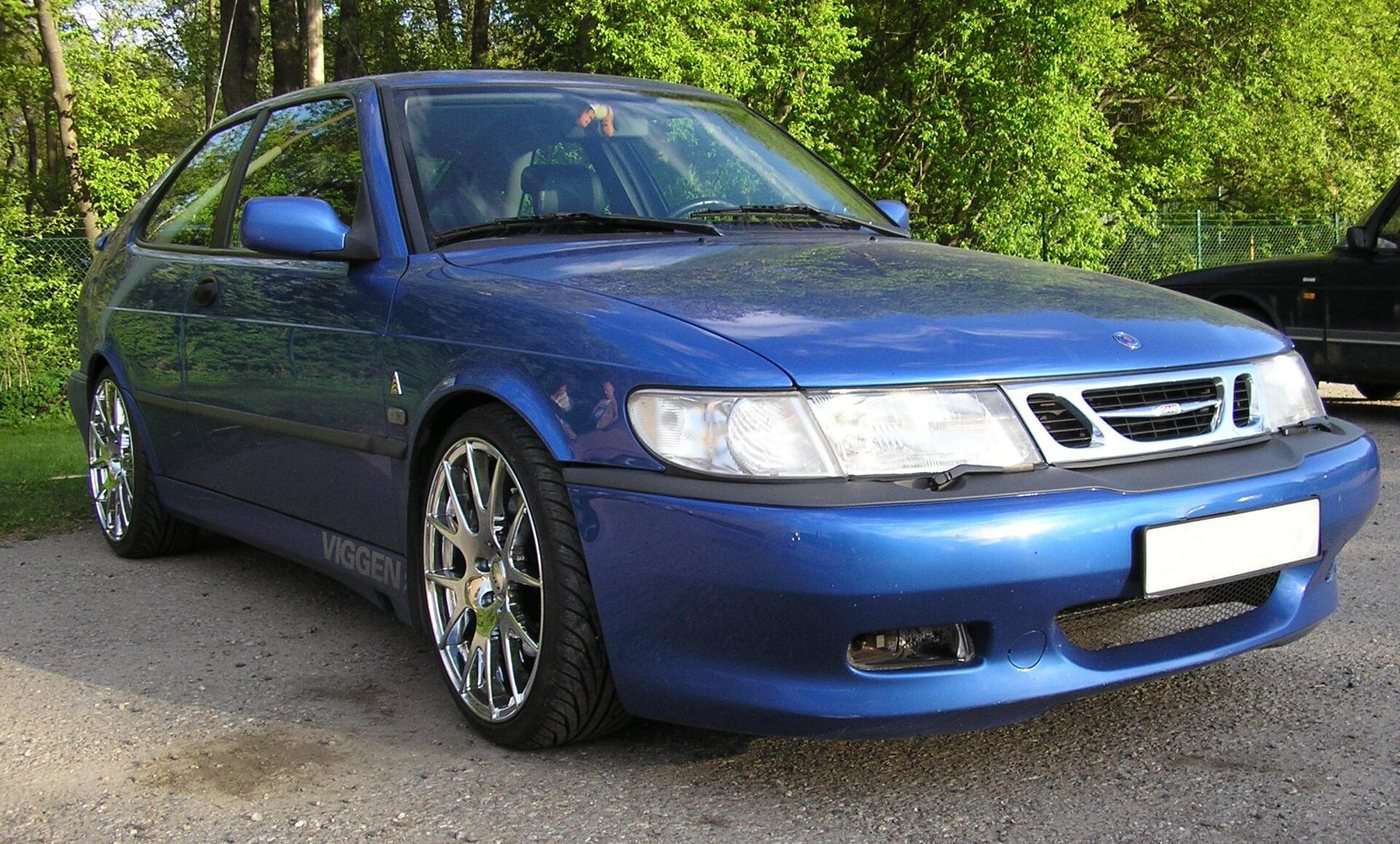
The Viggen used Saab’s 2.3-litre B235R turbocharged four-cylinder engine with Trionic 7 management. Early cars were rated at 225PS, while later European specifications reached 230PS. Market figures and emissions equipment vary, so the VIN and original documentation remain the safest guide.
A five-speed manual gearbox was standard. The combination of strong mid-range torque and front-wheel drive made traction, torque steer and wheel control central to the driving experience. Saab altered the clutch, driveshafts, brakes, dampers, springs and body details, but condition and tyre quality remain critical.

| Body style | Availability | What to check |
|---|---|---|
| Three-door | The best-known Viggen shape | Rear-quarter corrosion and long-door alignment |
| Five-door | Practical hatchback, market dependent | Tailgate, rear arches and originality |
| Convertible | Four-seat open model | Roof operation, scuttle shake and drainage |
| Four-door | Rare and market dependent | Confirm genuine Viggen identity |
Love cars you don’t see every day?
Get forgotten cars, surprising motoring stories and the most interesting finds from Unusual Cars by email.
Free to join. No spam. Unsubscribe whenever you like. See our privacy policy.
Viggen chassis behaviour and rescue kit
The Viggen’s reputation is inseparable from the way its torque loads the front suspension and steering. Wheelspin, tramlining and torque steer are amplified by worn bushes, poor tyres, incorrect alignment or increased boost.
Saab developed a chassis improvement package commonly called the Viggen Rescue Kit. It added reinforcement and revised hardware to control movement around the steering rack and front structure. Buyers should identify which updates a car has received, who fitted them and whether the underlying mounting points remain sound.
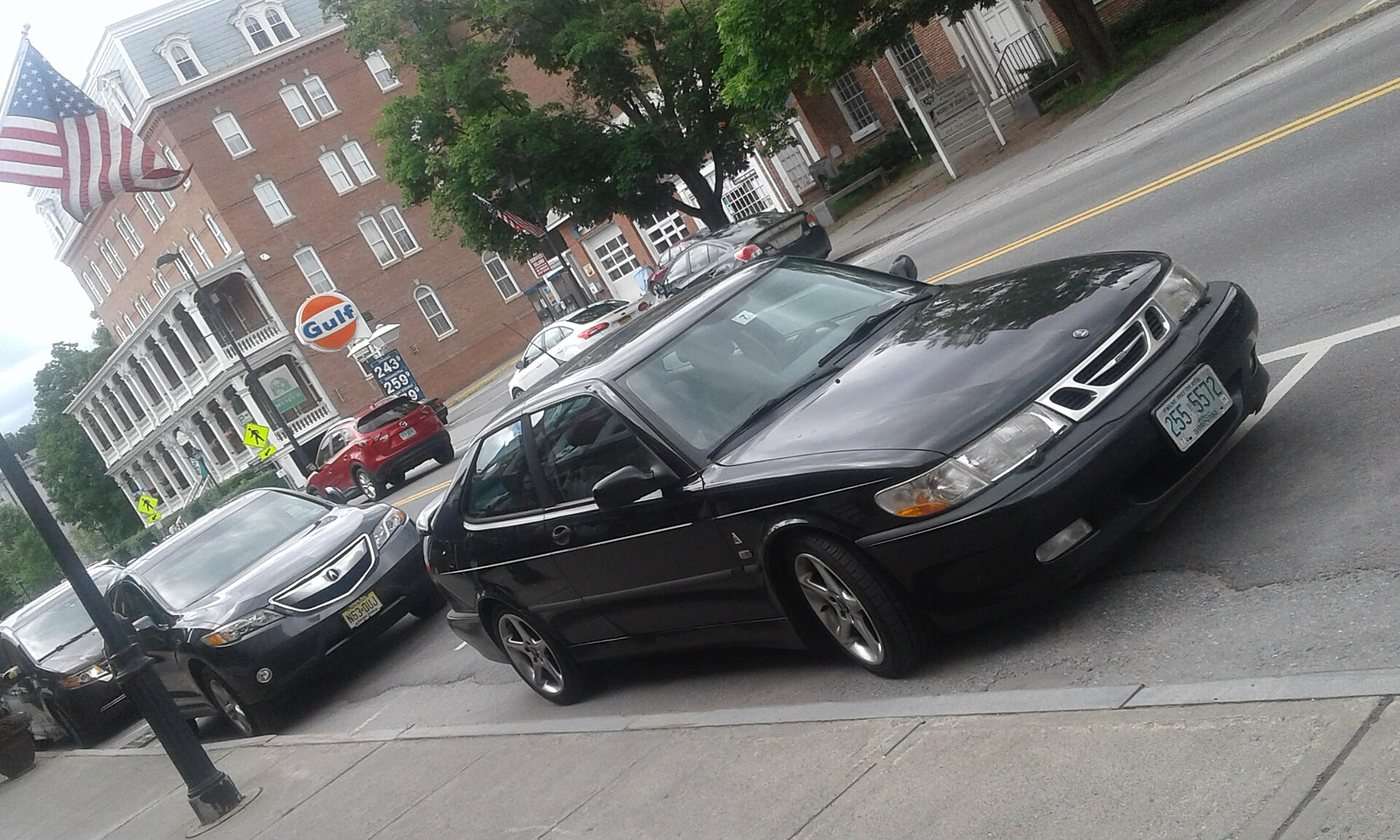
Saab 9-3 Viggen buying guide
Oil system and engine condition
Inspect service history closely. Sludge-related lubrication problems affected Saab engines of this era, and the Viggen’s performance makes neglect especially risky. Check sump-cleaning evidence, correct oil, crankcase ventilation updates, timing-chain noise, smoke and boost control.
Gearbox, clutch and mounts
Test hard acceleration in higher gears for clutch slip and listen for gearbox whine or jumping out of gear. Worn engine and transmission mounts worsen wheel hop and gear selection.
Suspension, steering and brakes
Look for the chassis reinforcement package, sound control-arm bushes, straight wheels, matched quality tyres and even wear. Steering rack movement, vague turn-in or severe torque steer can indicate deferred repairs.
Body, interior and originality
Inspect sills, rear arches, floor edges, suspension mounts and accident repairs. Viggen bumpers, wheels, seats, instruments and trim are valuable; verify that an apparent Viggen is not a dressed-up ordinary 9-3.
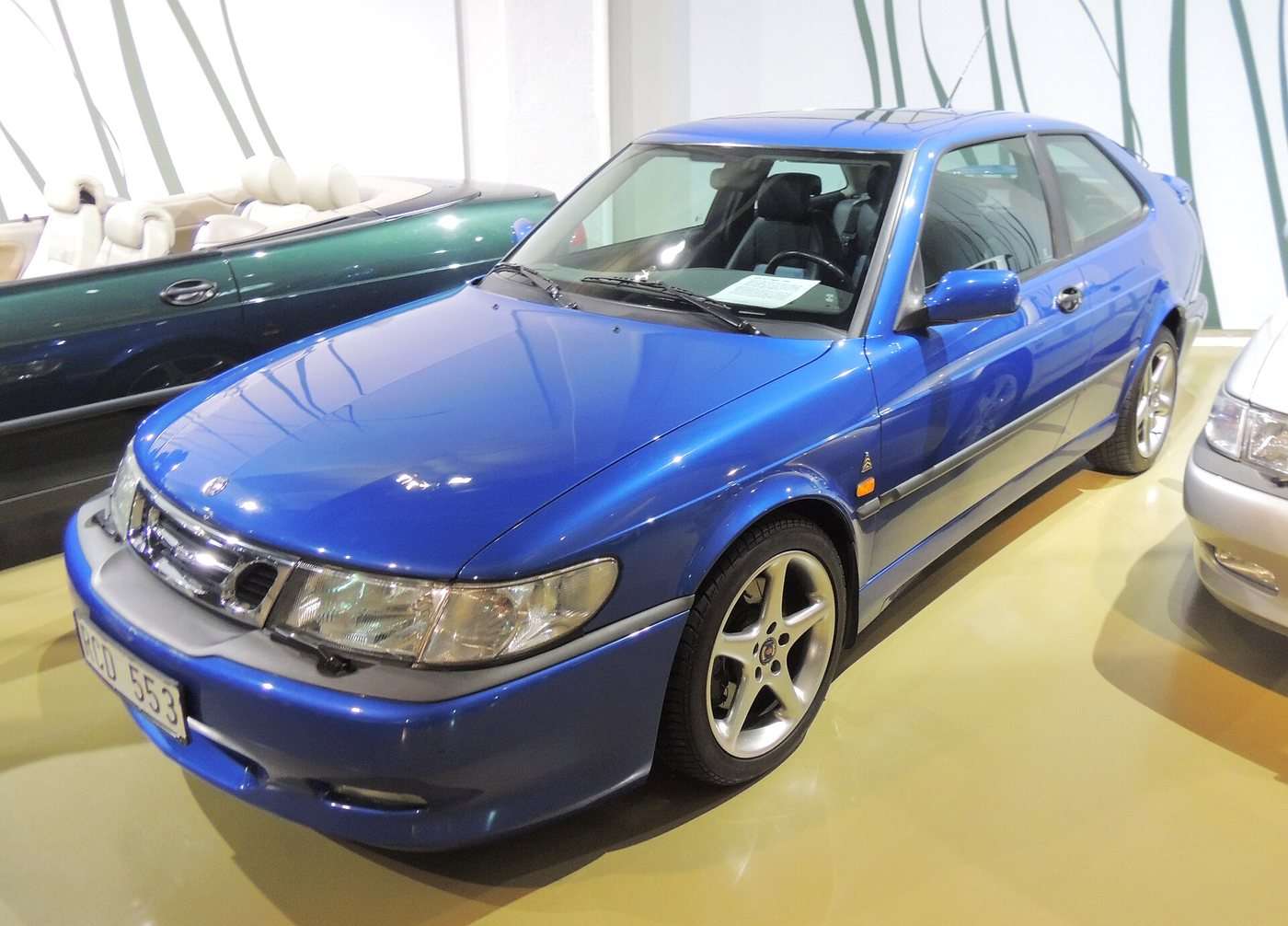
Research sources
- Saab Heritage Car Museum USA collection
- FIA Historic Database: Saab homologation material
- SaabMuseum.com: 900 and first 9-3 development context
Continue the Saab story
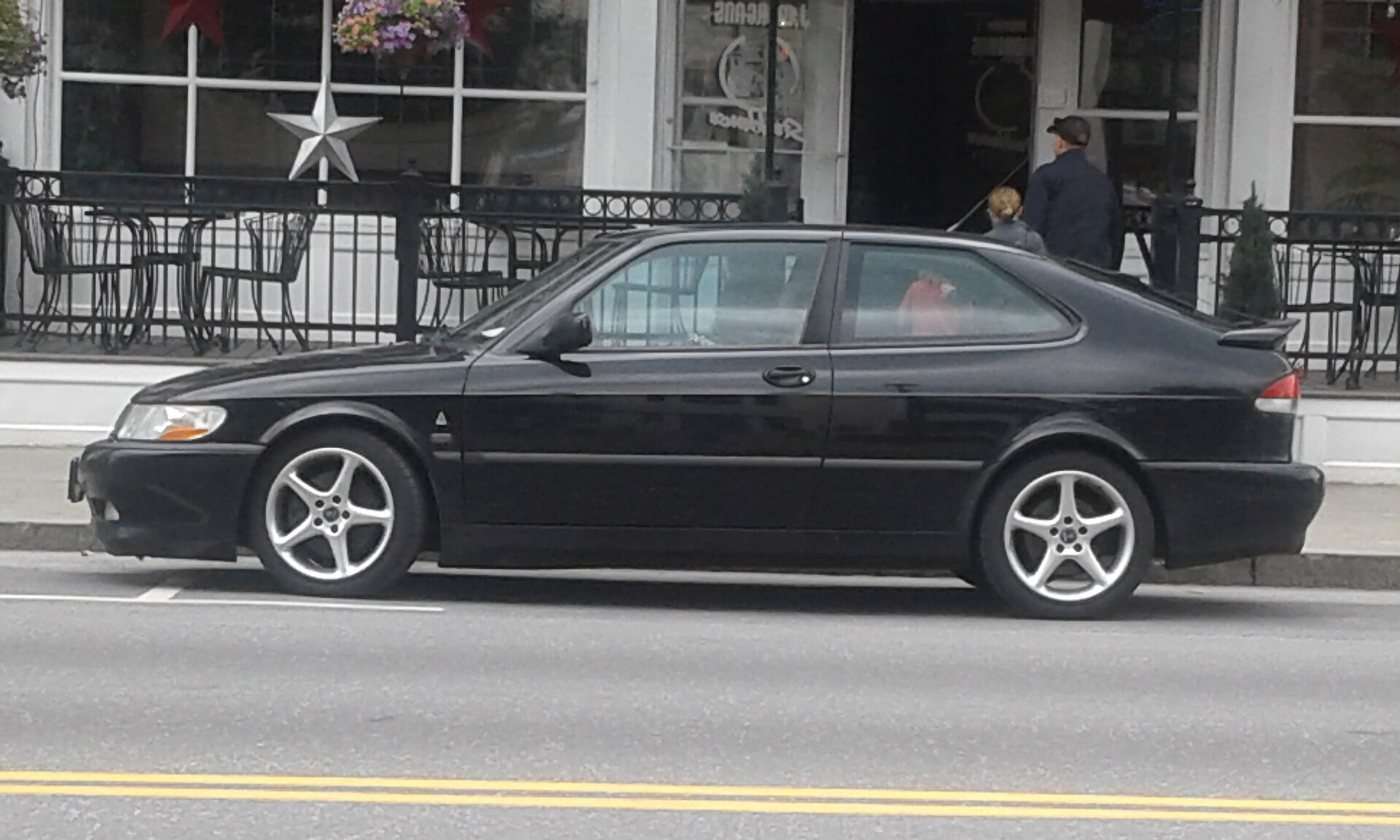
Return to the Rare & Performance Saabs hub. The older modified Saab 9-3 case study is supporting material rather than a factory Viggen guide.
Frequently asked questions
What years was the Saab 9-3 Viggen made?
The Viggen was offered from 1999 to 2002, with body-style and market availability varying during that period.
How much power does a Saab Viggen have?
Early cars were rated at 225PS and later European cars at 230PS. Market specifications should be checked against the VIN and original documentation.
Is every Saab 9-3 Aero a Viggen?
No. Aero and Viggen are distinct specifications. A genuine Viggen should be verified through its identity, engine, chassis equipment and original records.
What is the Viggen Rescue Kit?
It is a Saab-developed chassis reinforcement and hardware package intended to reduce steering-rack and suspension movement under load.
What is the main Viggen engine risk?
Poor lubrication caused by neglected oil changes, crankcase ventilation faults or sludge can cause serious damage, so detailed service evidence is essential.