UNUSUAL CARS MODEL GUIDE
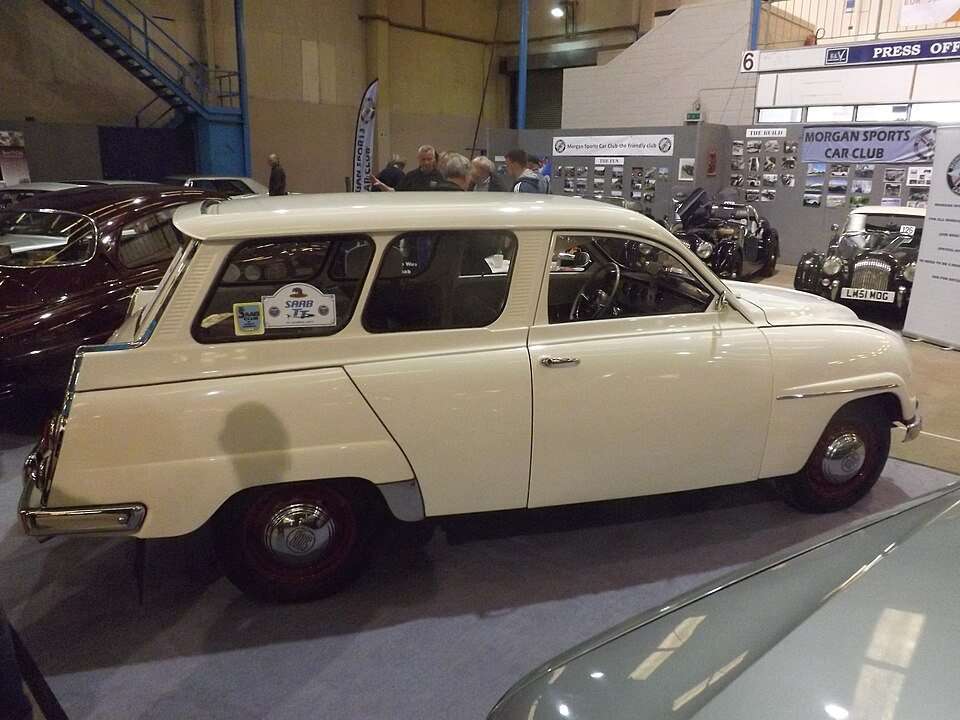
The Saab 95 was the practical estate counterpart to the 96, but its compact body concealed one of Saab’s cleverest layouts. Early cars could carry seven people by using a rear-facing third-row seat, while front-wheel drive, aerodynamic styling and two-stroke or later Ford V4 power made it unlike conventional British estates.
How Saab created the 95
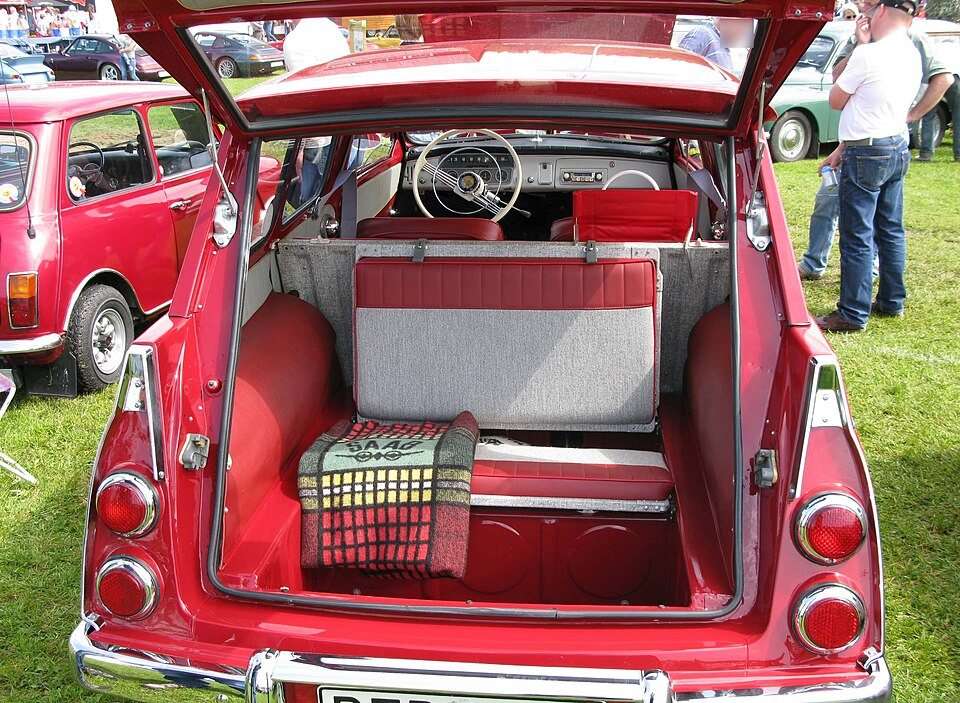
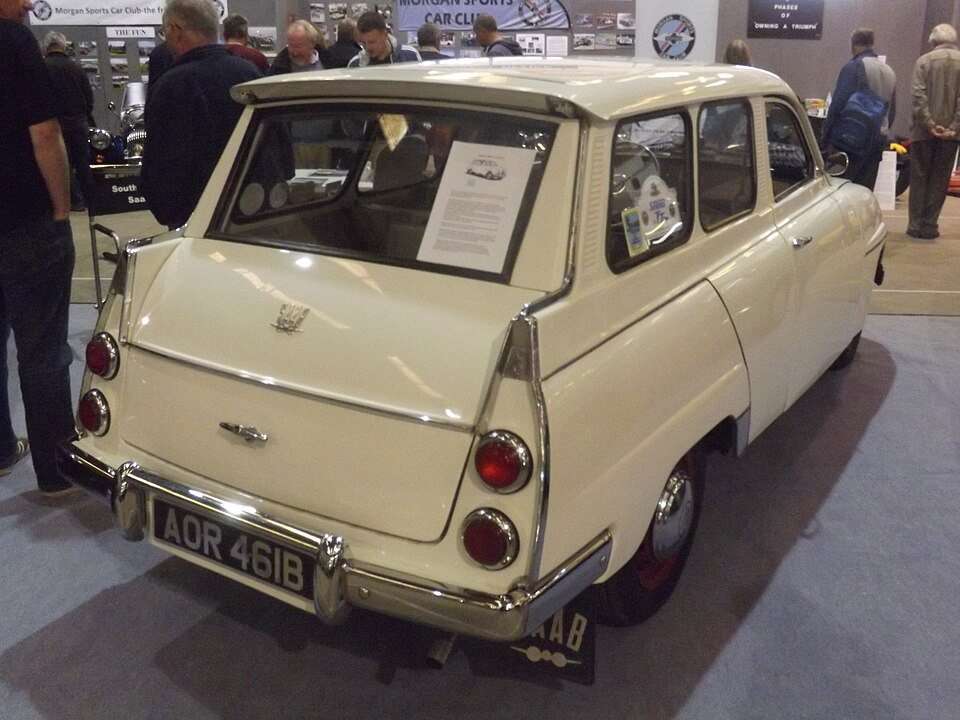
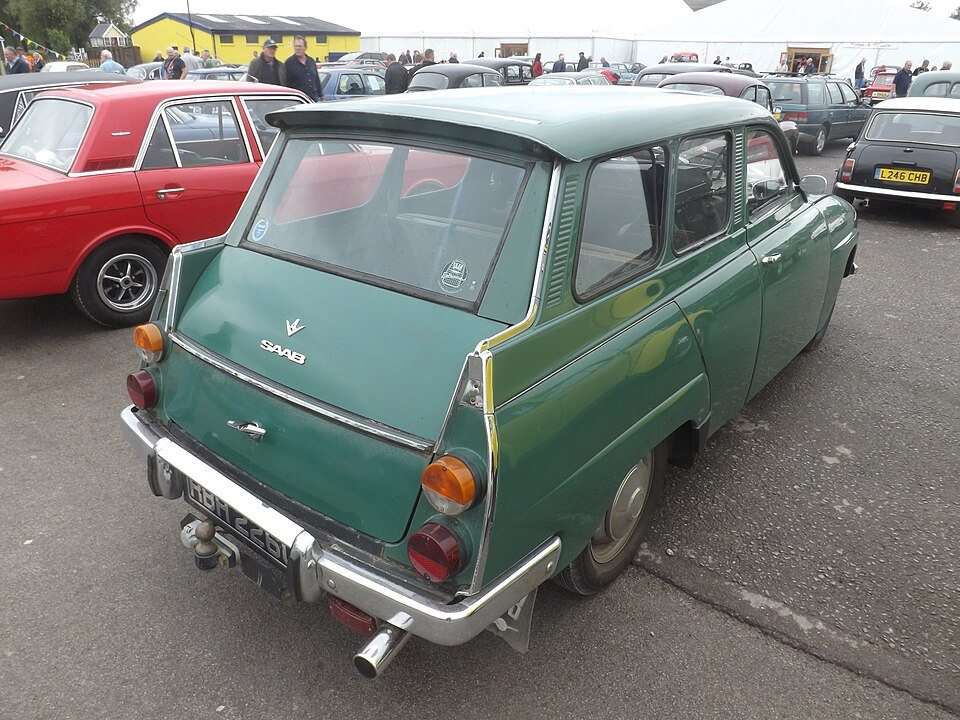
Saab developed the 95 from its compact saloon architecture by extending the roof, adding a large side-hinged tailgate and creating a flexible load area. The rear-facing folding seat turned the early car into a seven-seater without requiring a long wheelbase or bulky body.
The result was a genuinely multipurpose car. With the rear seats folded, the load floor could carry luggage and equipment; with them raised, the 95 offered family capacity in dimensions little larger than the related saloon. The spare wheel and storage arrangements were packaged to preserve usable space.
Two-stroke and V4 versions
Early Saab 95s used the company’s 841cc three-cylinder two-stroke engine. Its light weight and distinctive power delivery matched Saab’s established engineering, but ownership requires correct lubrication, ignition and freewheel knowledge.
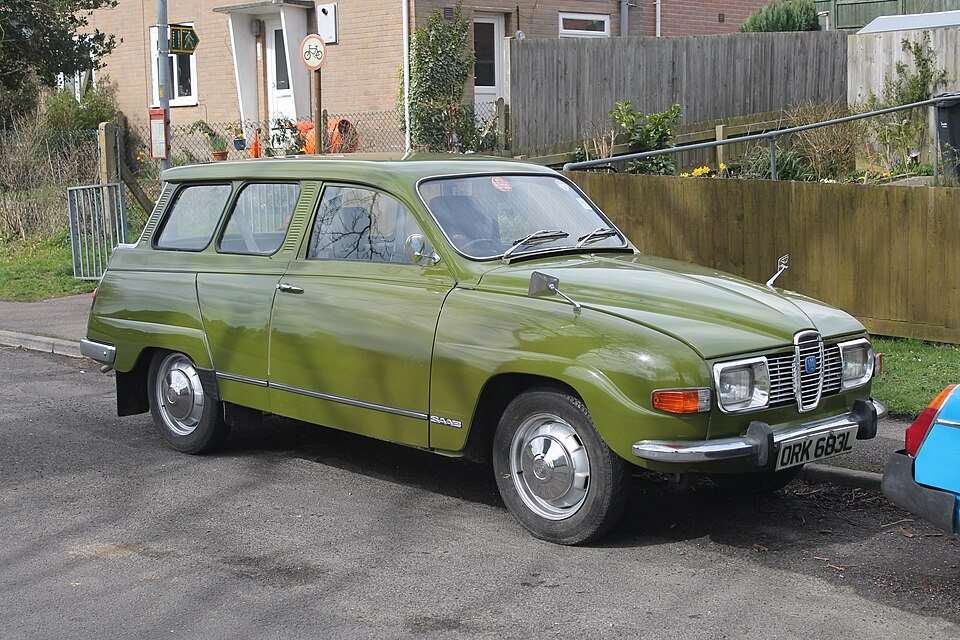
Saab later installed Ford’s compact 1.5-litre V4, as it did in the 96. The four-stroke engine gave more conventional everyday performance and became the common later specification. Detail changes affected brakes, lighting, trim, seating capacity and safety equipment across the long production run.
| Version | Defining feature | Buyer priority |
|---|---|---|
| Early two-stroke 95 | Three-cylinder engine and early seven-seat layout | Lubrication knowledge and rare trim |
| Later two-stroke | Progressive detail improvements | Correct year specification |
| 95 V4 | Ford four-stroke engine | Cooling, timing gears and structure |
| Late production | Safety and equipment revisions | Completeness and previous restoration |
Love cars you don’t see every day?
Get forgotten cars, surprising motoring stories and the most interesting finds from Unusual Cars by email.
Free to join. No spam. Unsubscribe whenever you like. See our privacy policy.
The rear-facing seat
The folding rear-facing seat is the feature most people remember, but it was not identical throughout production and later regulatory changes affected how the car was configured in different markets. Buyers should confirm the exact model year, original seating arrangement and registration details rather than assuming every 95 is a seven-seater.
Seat cushions, hinges, catches and the estate’s interior panels are difficult to replace. A complete load area is therefore valuable even when the mechanical condition needs work.
Saab 95 buying guide
Structure and corrosion
Inspect floors, sills, jacking points, suspension mountings, inner wings, bulkhead, rear load floor and the seams around the tailgate. Old repairs can conceal extensive corrosion. Check door and tailgate alignment before being distracted by paint quality.
Two-stroke engine
Confirm the lubrication arrangement and correct oil practice. Cold and hot starting, cooling, ignition timing and fuel delivery all matter. A specialist should assess abnormal noise or smoke because normal two-stroke behaviour is easily misunderstood.
Ford V4 engine
Check for stable temperature, oil leaks, carburettor wear and timing-gear noise. Cooling-system neglect and hardened hoses are common age-related risks. Service access is straightforward, but a neglected engine still demands a realistic rebuild budget.
Gearbox, column change and freewheel
Every ratio should engage cleanly and remain selected. Listen for bearing noise and check the column linkage and freewheel control. Transmission parts and expertise are available through specialists, but serious internal repairs are not trivial.
Estate-only components
The tailgate, glass, rear lamps, load-floor fittings, third-row seat and interior panels are more difficult to find than ordinary service parts. Price any missing component before agreeing to buy a dismantled project.

Continue the Saab story
Return to the Rare & Performance Saabs hub, then compare its mechanical relative in the Saab 96 guide and follow Saab’s later family-car story through the 9-5 Aero.
Research sources
Frequently asked questions
When was the Saab 95 estate built?
Saab introduced the 95 in 1959 and production continued until 1978.
Is the Saab 95 related to the Saab 96?
Yes. The two models share their basic engineering, while the 95 uses an extended estate body and different rear packaging.
How many seats does a Saab 95 have?
Early versions are famous for a rear-facing folding third row that allowed seven seats, although configuration varied by year and market.
What engines were fitted to the Saab 95?
Early cars used Saab’s three-cylinder two-stroke engine; later cars used the Ford 1.5-litre V4.
What is the biggest Saab 95 restoration risk?
Structural corrosion and missing estate-specific glass, tailgate, seating or trim can make a seemingly cheap project expensive.