
UNUSUAL CARS BRAND GUIDE

Suzuki Cappuccino. Photograph by MikaPr65, CC BY-SA 4.0, via Wikimedia Commons; locally hosted.
Suzuki model guides
Suzuki built its reputation through small, light and mechanically resourceful vehicles. The marque’s most interesting cars include rear-engined coupés, high-revving hot hatchbacks, turbocharged kei cars, compact roadsters and unusually capable four-wheel drives.
This collection brings together researched histories, model differences, specifications and practical ownership context for Suzukis that are now rare, overlooked or especially distinctive.
Start here
Choose the Cappuccino for a tiny rear-wheel-drive roadster, the Swift GTi for naturally aspirated hot-hatch character, the SC100 for rear-engined 1970s ingenuity, or the Alto Works for Suzuki’s turbocharged kei-performance lineage.
Detailed Suzuki guides

Suzuki Cappuccino
The EA11R and EA21R kei roadsters: turbocharged engines, removable roof, UK history and buying checks.
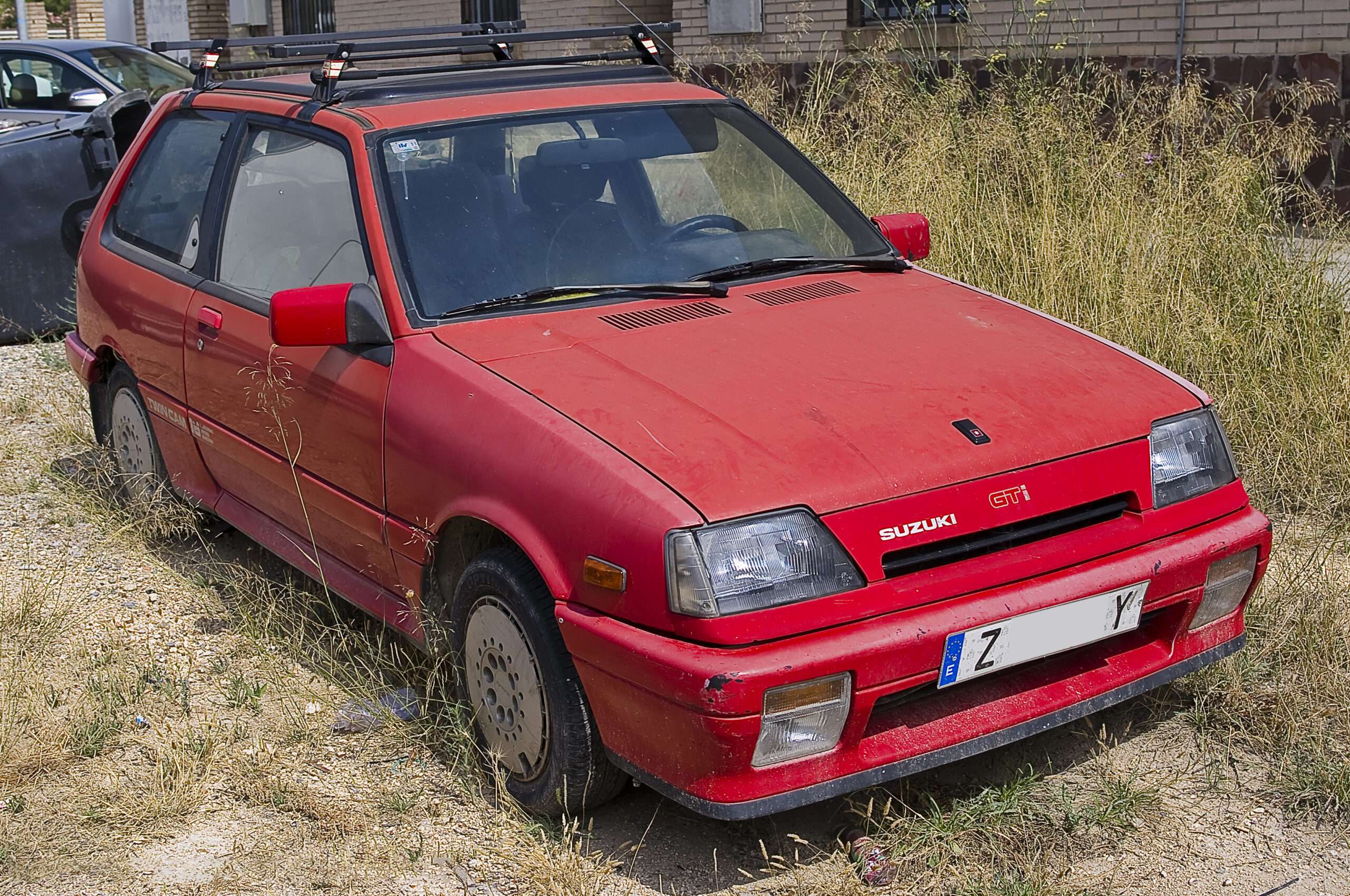
Suzuki Swift GTi
The lightweight G13B twin-cam hot hatch, from first-generation Cultus GT-i to the familiar second-generation Swift.
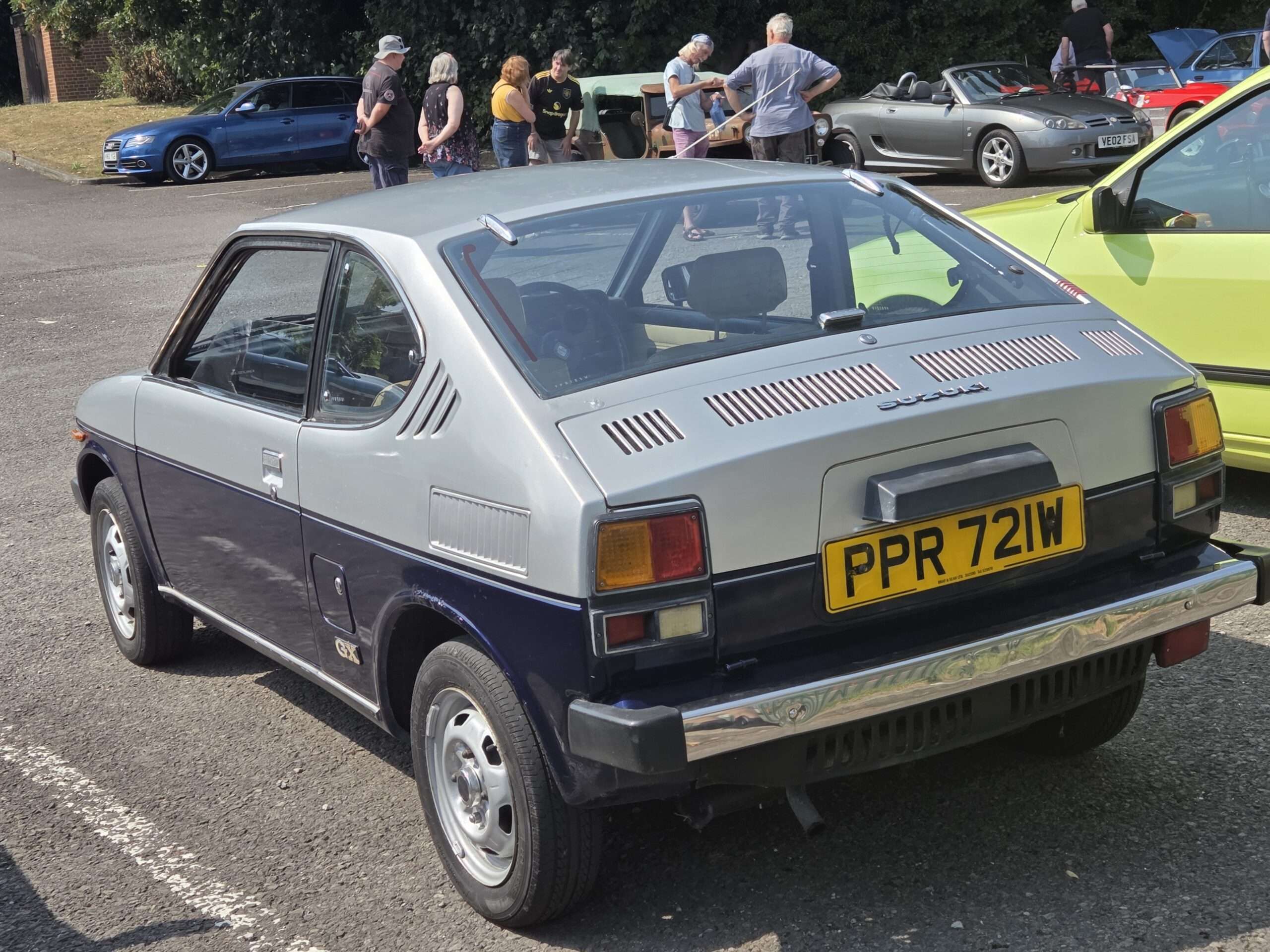
Suzuki SC100 GX
The rear-engined Whizzkid: Cervo origins, 970cc export engineering, rarity and restoration priorities.

Suzuki Alto Works
From the 1987 RS-X and RS-R to the HA36S revival: engines, drivetrains, generations and import checks.
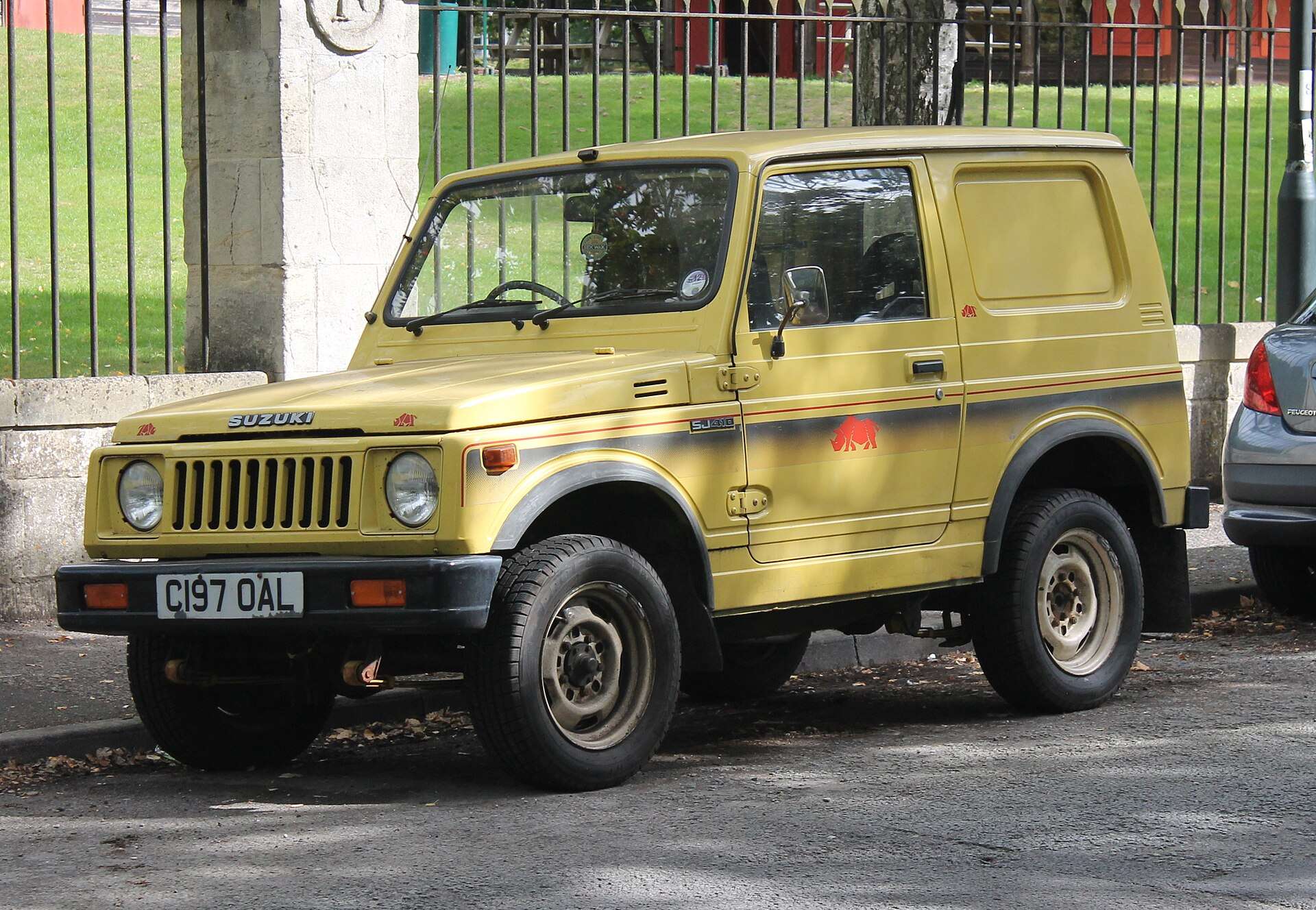
Suzuki Jimny, SJ and Samurai
The compact ladder-frame 4×4 lineage, from leaf-sprung SJ410 and SJ413 to the coil-sprung Jimny.

Suzuki Swift Sport
ZC31S, ZC32S and turbocharged ZC33S compared, with specifications, history and ownership checks.

First-generation Suzuki Vitara
The original Vitara and Escudo: three-door, soft-top and five-door history, engineering and buying advice.

Suzuki Ignis Sport
The lightweight HT81S hot hatch, its M15A engine, rally connection, specifications and buying checks.
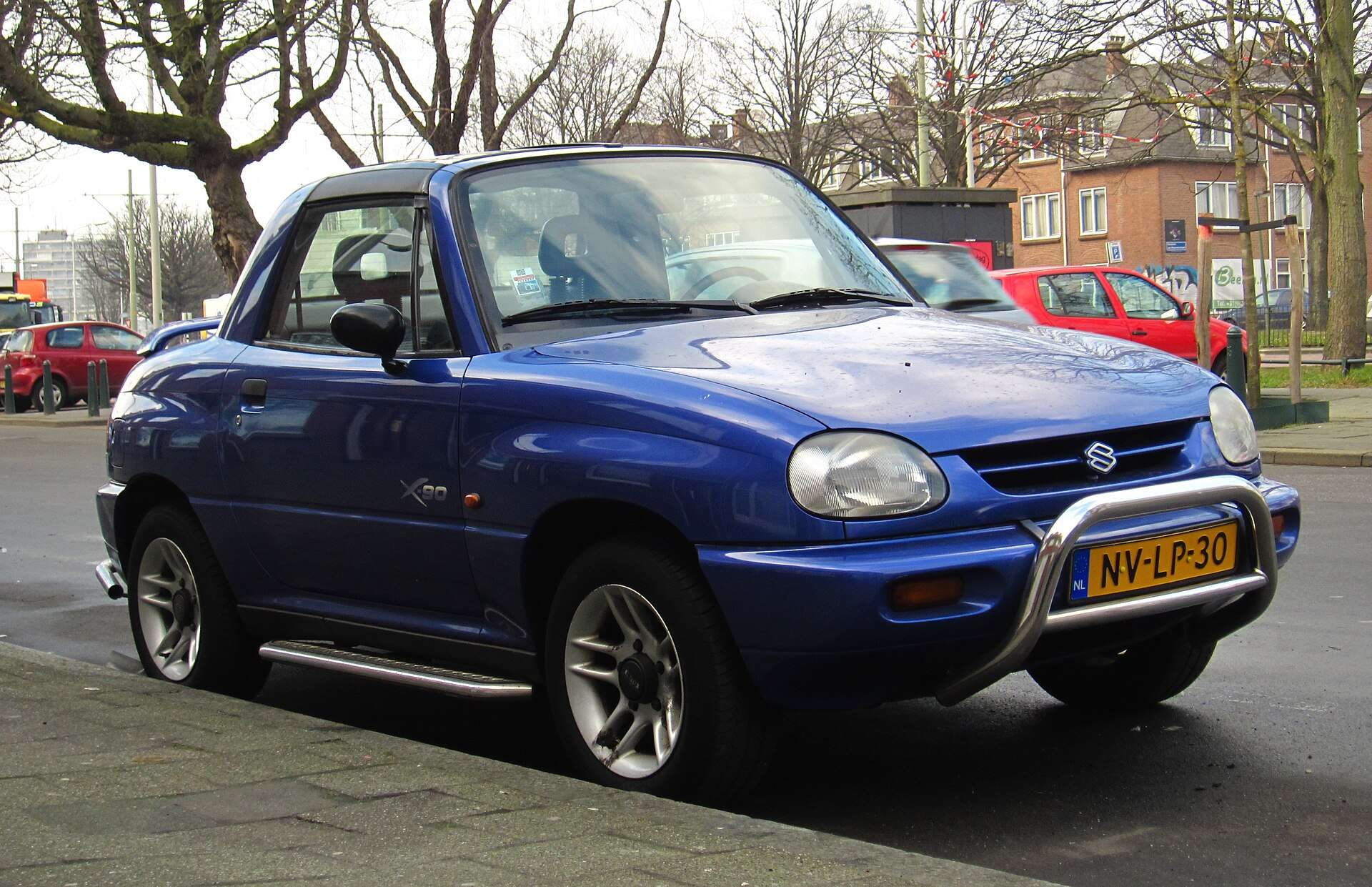
Suzuki X-90
The two-seat removable-roof mini-SUV: UK history, four-wheel-drive engineering and buying checks.
Photograph: Rutger van der Maar, CC BY 2.0, via Wikimedia Commons.
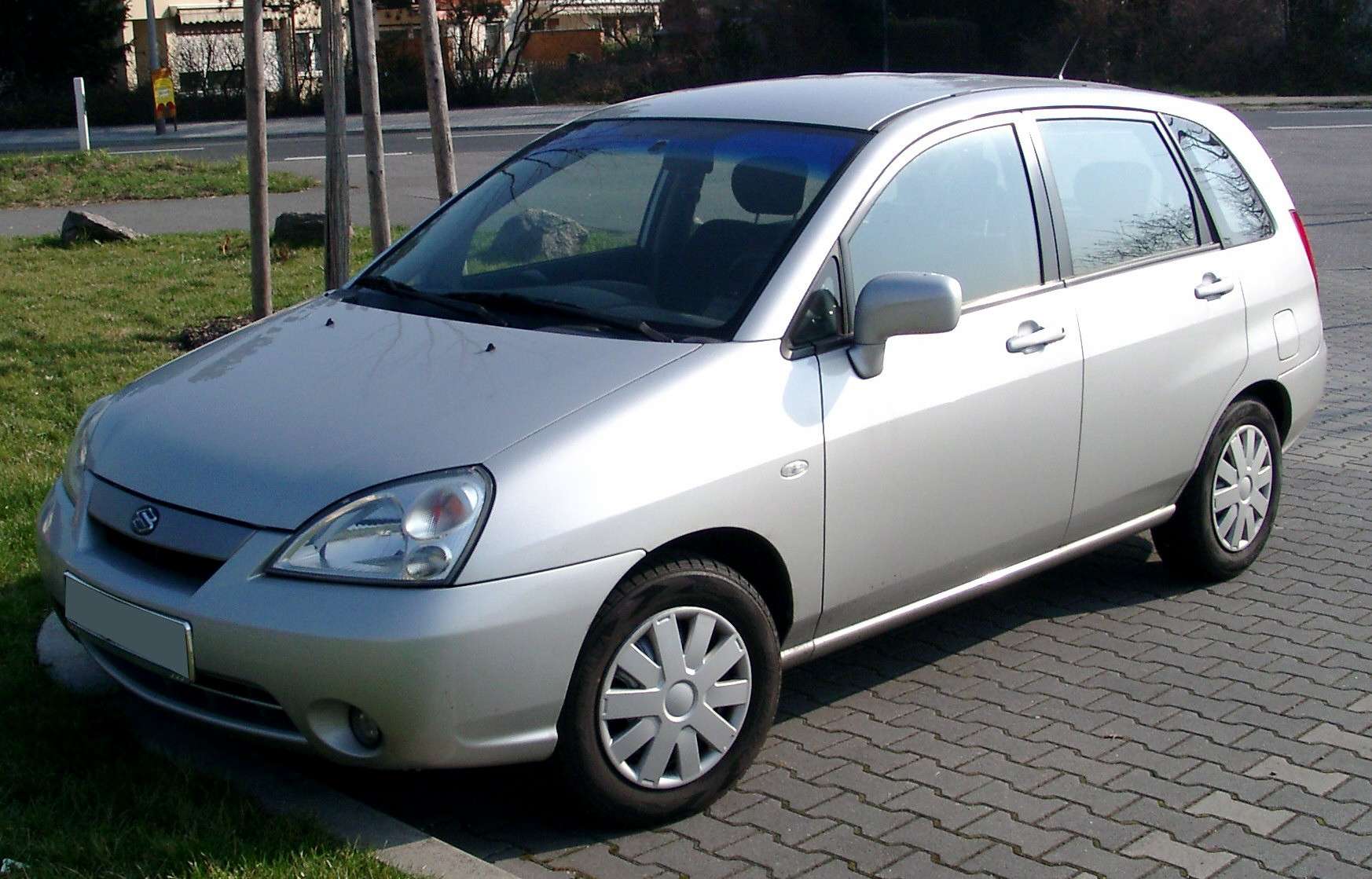
Suzuki Liana
The space-efficient UK family car, including Sport versions, Top Gear history and ownership checks.
Photograph: Rudolf Stricker, public domain, via Wikimedia Commons.
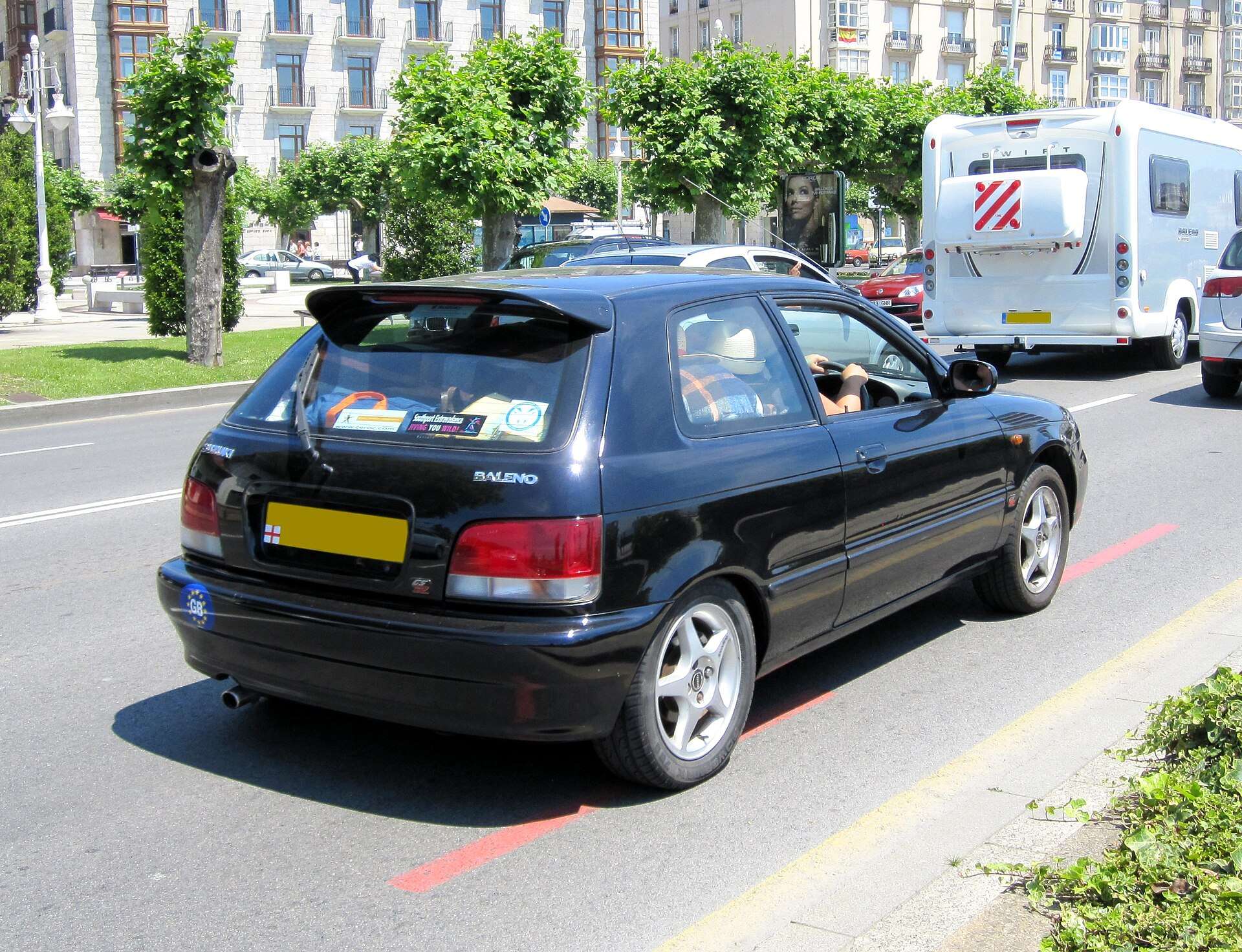
Suzuki Baleno GSR 1.8
The rare understated UK warm hatch, with J18A engine history, specifications and buying advice.
Photograph: Spanish Coches, CC BY 2.0, via Wikimedia Commons.
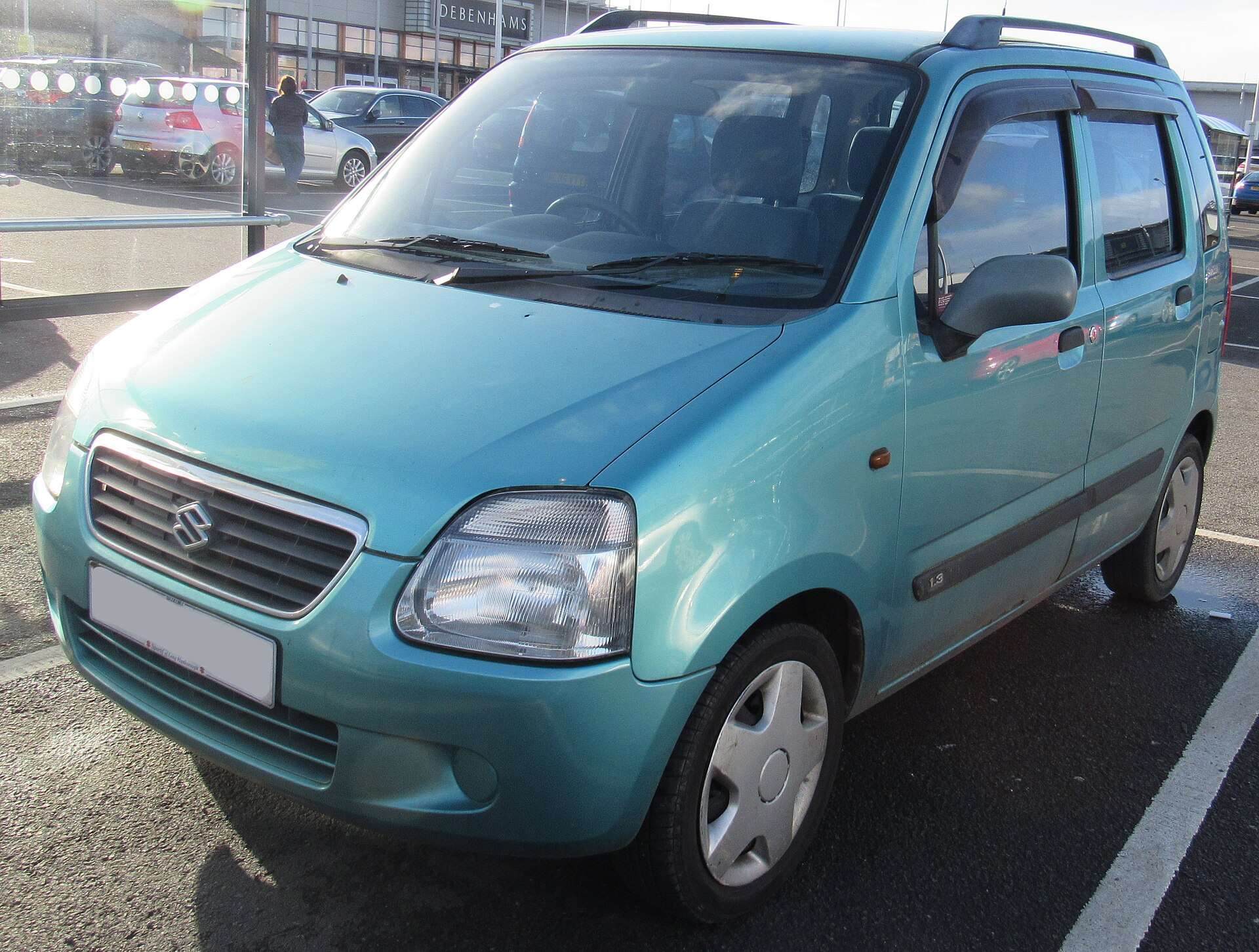
Suzuki Wagon R+
The tall, space-efficient UK hatchback, its Vauxhall Agila relationship, versions and buying checks.
Photograph: Vauxford, CC BY-SA 4.0, via Wikimedia Commons.
Love cars you don’t see every day?
Get forgotten cars, surprising motoring stories and the most interesting finds from Unusual Cars by email.
Free to join. No spam. Unsubscribe whenever you like. See our privacy policy.
What connects these Suzukis?
Light weight is the clearest theme. The SC100 used rear-engine packaging to make a very small coupé practical; the Swift GTi extracted performance from a naturally aspirated 1.3-litre engine; the Alto Works pursued turbocharged kei-car performance; and the Cappuccino recreated the classic roadster formula within kei dimensions.
They also require careful identification. Japanese and export names differ, model codes matter, and later imports can sit beside officially supplied UK cars. Each guide separates the generations and markets rather than treating a familiar badge as one fixed specification.
Buying an uncommon Suzuki
- Identity: record the complete VIN, model code, engine and drivetrain before ordering parts.
- Structure: inspect sills, floors, suspension mounts, inner wings and previous repairs.
- Cooling: small engines still depend on healthy radiators, fans, hoses and correct bleeding.
- Completeness: price rare glass, lights, trim, roof components and drivetrain parts before buying.
- Modifications: demand evidence for turbo, fuelling, suspension, brake and wiring changes.
Frequently asked questions
Which Suzuki in this collection was officially sold in Britain?
All of the models in this collection except the Alto Works were officially sold in Britain in at least one featured generation or version. Most Alto Works examples here are Japanese imports.
Which Suzuki is rear-engined?
The SC100 mounts its 970cc engine at the rear. The Cappuccino is front-engined and rear-wheel drive; the Swift GTi and most Alto Works versions are front-engined hatchbacks.
What is a kei car?
A kei car is a Japanese category defined by limits on dimensions and engine capacity. The Cappuccino and Alto Works were designed within those rules, while the export SC100 used a larger engine than its Cervo relative.
Which guide is best for a first-time buyer?
Start with the model that interests you, then use its identity, rust, cooling and parts checks. Condition and specialist support matter more than choosing solely by performance figures.





.jpg)
