UNUSUAL CARS MODEL GUIDE
Featured image: Vauxford, CC BY-SA 4.0, via Wikimedia Commons; locally hosted.
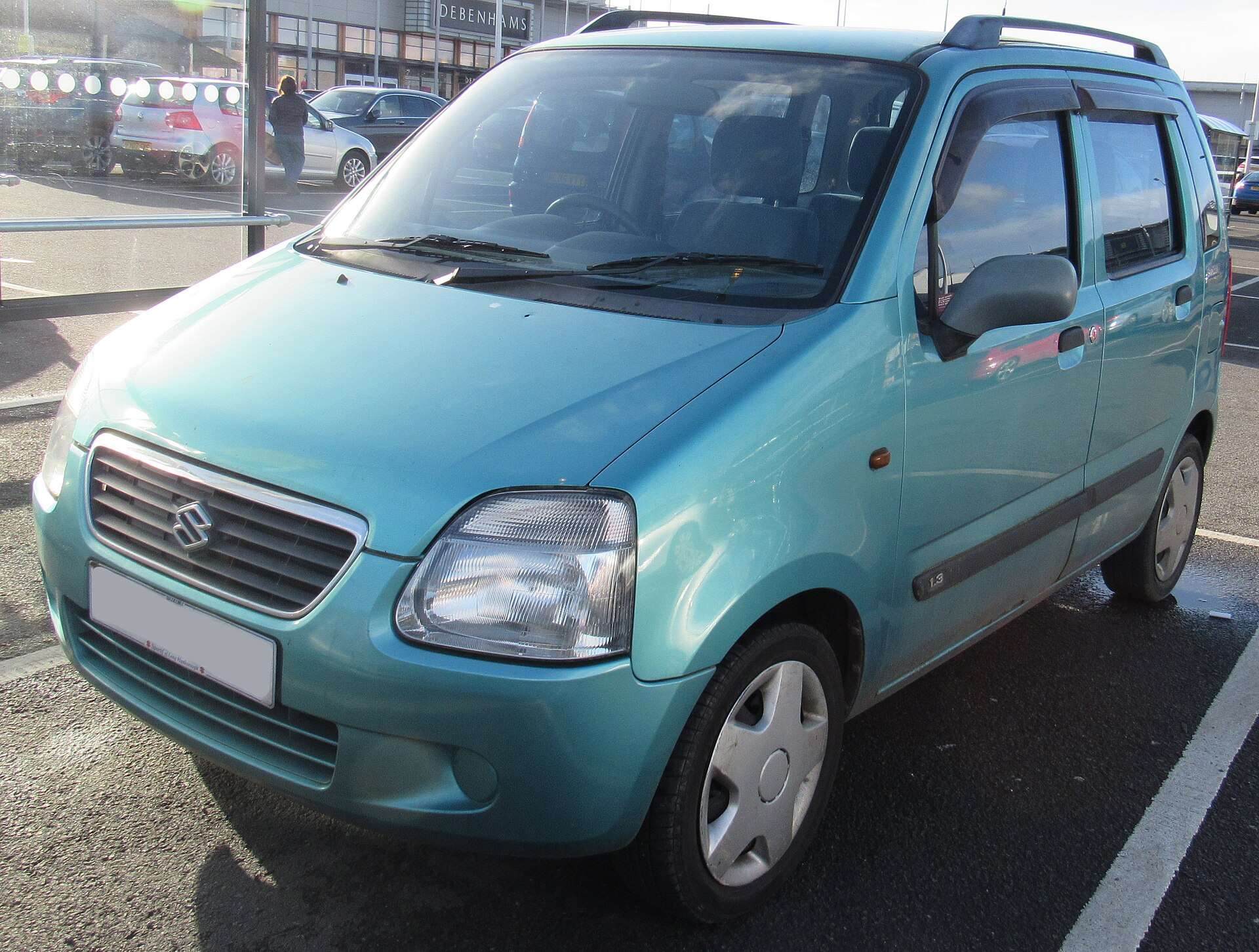
The Suzuki Wagon R+ brought Japanese tall-car thinking to British buyers before the idea became normal. Its upright body, short bonnet and wheels pushed towards the corners created remarkable passenger space from a tiny road footprint. The second-generation European model also shared its basic architecture with the first Vauxhall Agila, making it familiar and unusual at the same time.
Quick answer: the Wagon R+ is an honest, practical small car with excellent visibility and easy access. UK cars used petrol engines including 1.2- and 1.3-litre units depending on year. Rust, neglected servicing, worn suspension and automatic-transmission condition matter more than cosmetic perfection.
From Japanese kei car to European Wagon R+
Suzuki introduced the original Wagon R in Japan in 1993. Its tall, narrow body exploited kei-car regulations while delivering an unusually useful cabin. The wider Wagon R Wide, later known in export markets as Wagon R+, followed in 1997 with larger engines and dimensions suited to markets outside Japan.
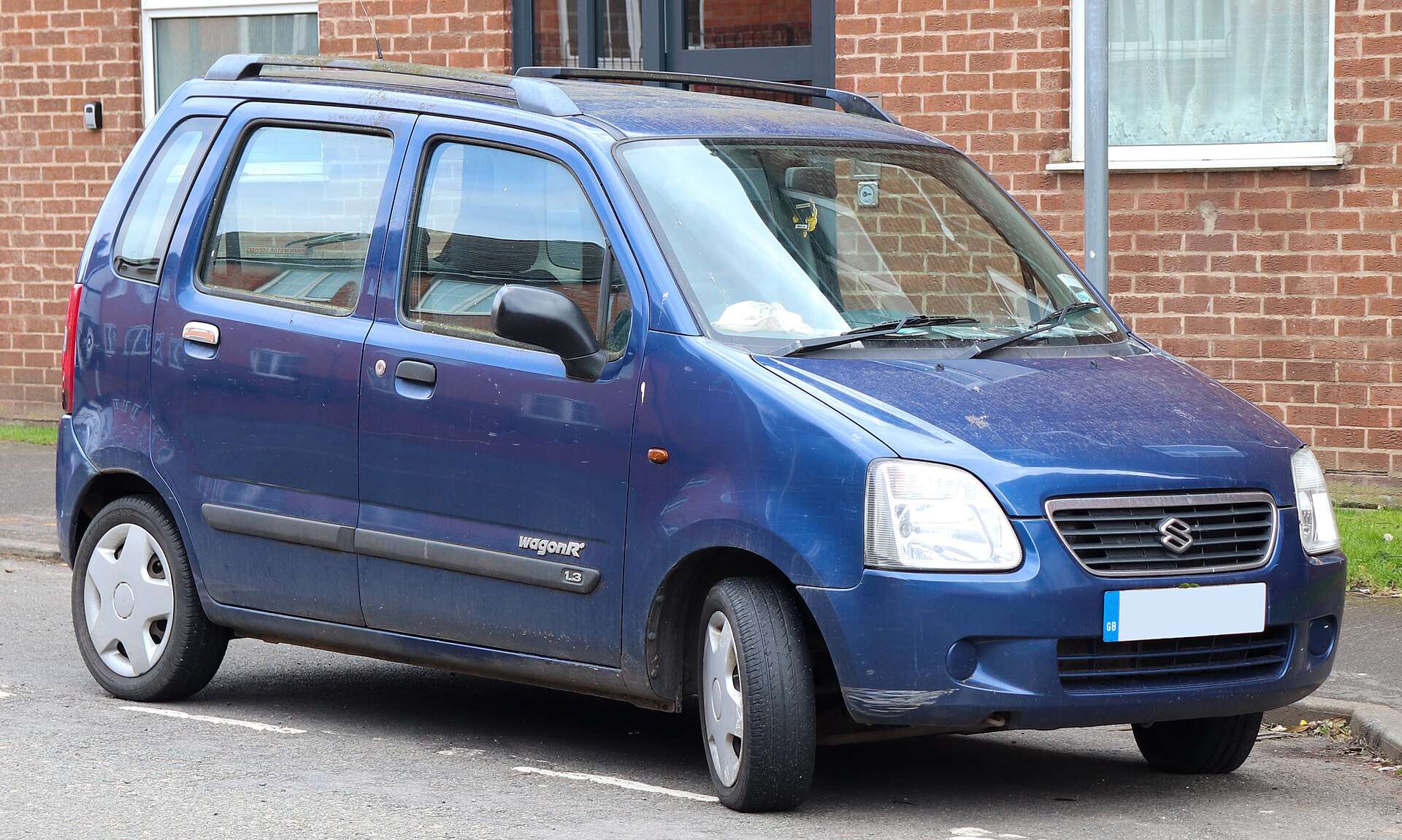
A redesigned Wagon R+ appeared around the turn of the century. European production and a development relationship with General Motors resulted in the closely related Vauxhall/Opel Agila. The Suzuki and Vauxhall were not identical in every engine, trim or component, so parts should still be matched to the exact chassis and year.
| UK-market theme | Detail |
|---|---|
| Body | Five-door tall hatchback with upright seating |
| Common petrol engines | 1.2 and 1.3 litres, depending on year and version |
| Transmissions | Five-speed manual and selected automatic versions |
| Related model | First-generation Vauxhall/Opel Agila |
| Main strength | Maximum cabin access and space within a very short body |
Love cars you don’t see every day?
Get forgotten cars, surprising motoring stories and the most interesting finds from Unusual Cars by email.
Free to join. No spam. Unsubscribe whenever you like. See our privacy policy.
Why the packaging worked
The high roof allows upright seats, so passengers need less longitudinal space. Large doors and a relatively high hip point ease entry, while the near-vertical tail creates a useful load area. The trade-off is a narrow stance and sensitivity to crosswinds compared with a lower hatchback.
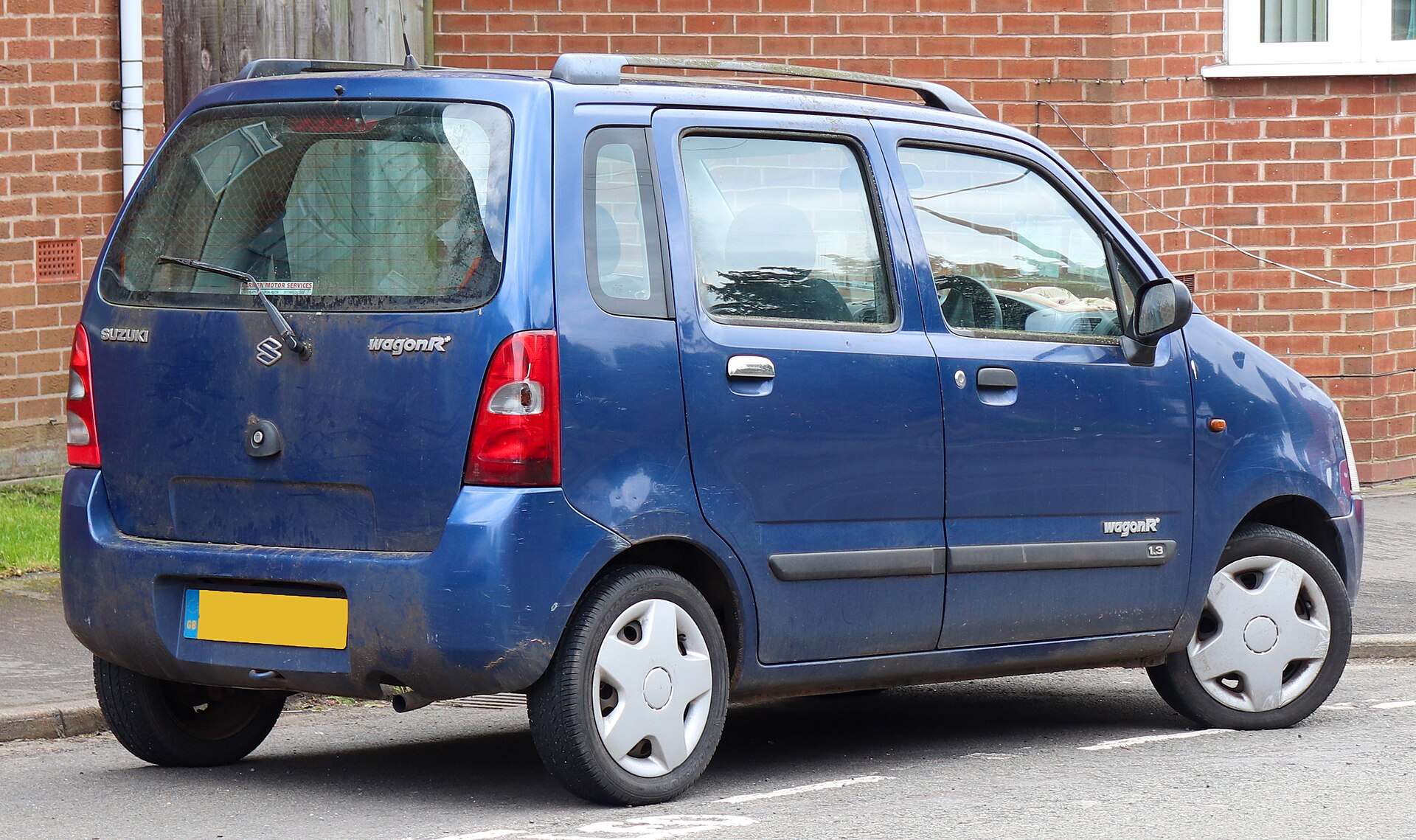
The design particularly suits urban work, short trips and drivers who value visibility. It was never intended to feel sporting. A healthy Wagon R+ should nevertheless track predictably and ride without severe bouncing or clattering.
Engines, gearboxes and servicing
Confirm the engine capacity and code before buying parts because UK specifications changed over time. Start from cold and listen for persistent mechanical noise. Check oil level, coolant, radiator and hoses, and look for evidence of regular fluid changes. Rough idle, warning lights and poor performance should be diagnosed rather than dismissed as old-car character.
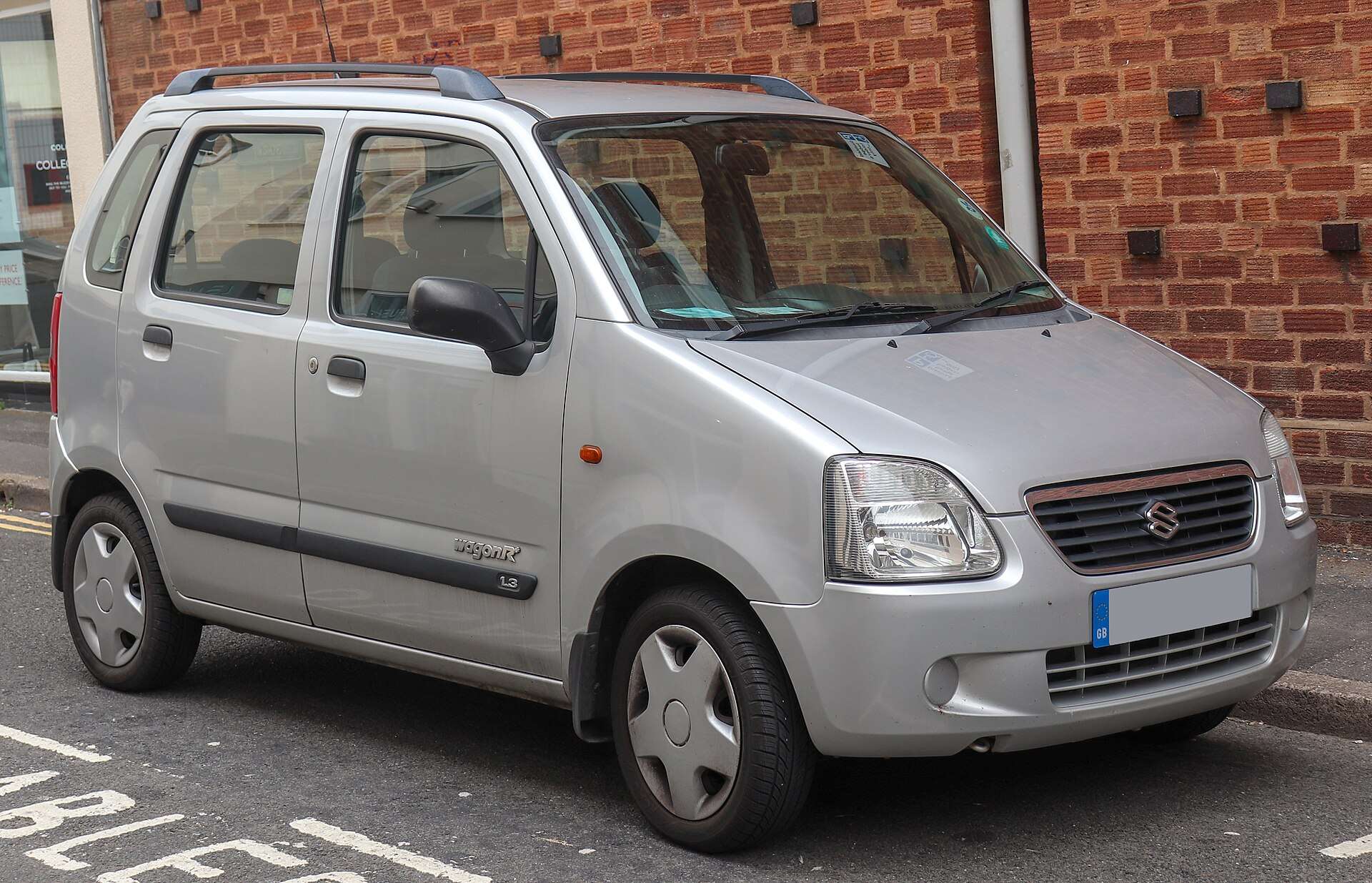
Manual gearboxes should select cleanly without clutch slip or driveshaft vibration. On an automatic, check the fluid, prompt engagement, smooth changes and behaviour after a long test drive. Cooling-system maintenance is especially important because heat damages ageing automatic transmissions.
Body and corrosion
Inspect sills, jacking points, floor seams, rear arches, subframes, suspension mounts, brake pipes and the area around the fuel tank. Check the bottom of all five doors and the tailgate. Short-trip urban use can mean plenty of road salt exposure despite low mileage.
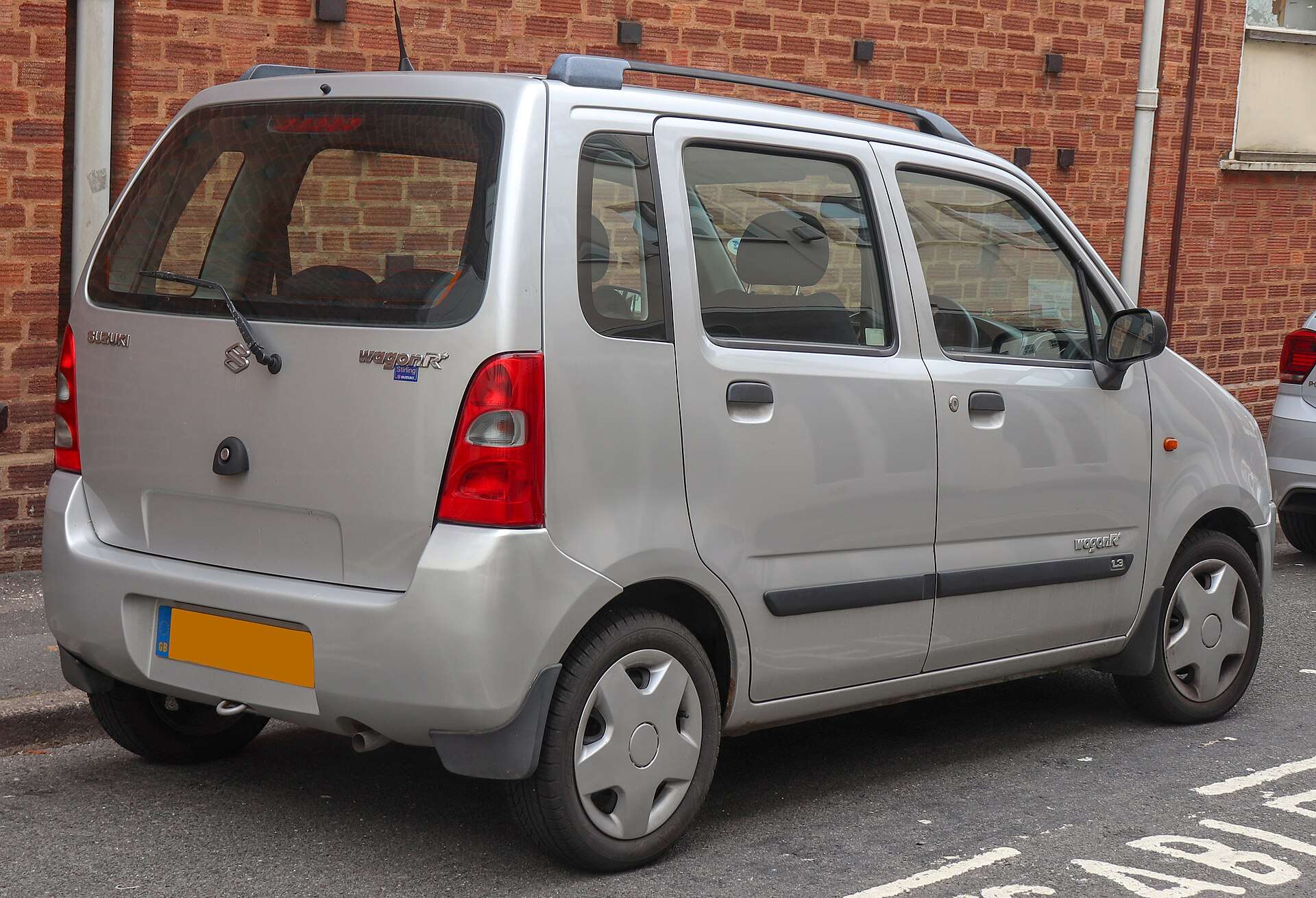
Look beneath carpets for damp and check the spare-wheel well. The tall body makes damaged door apertures and poor accident repairs noticeable through uneven gaps or wind noise. Replacement panels and trim colours are not always easy to find, so completeness matters.
Suspension, steering and brakes
Knocks commonly come from bushes, drop links, top mounts or worn dampers. Wheel-bearing noise, uneven tyres and vague steering deserve investigation. The brakes should operate evenly and the handbrake must hold securely. Narrow tyres are affordable, so mismatched or very old rubber is a sign of cost-cutting.

On the road, allow for the high centre of gravity. Excessive body movement can indicate worn dampers, but the car will never corner like a conventional low hatchback. Its strengths are low-speed manoeuvrability, visibility and space.
Cabin and everyday equipment
Test windows, locking, heater fan, air conditioning if fitted, radio and every warning light. Check seat mechanisms and rear-seat folding, and inspect the load floor for damage. The upright cabin often survived family duty well, but plastics, switches and seat trim can now be harder to source than service parts.
Wagon R+ or Vauxhall Agila?
Condition should decide the purchase. The related Agila may improve access to some service items, but engines and specifications differ. A Suzuki with clear history and no structural corrosion is a better buy than an Agila chosen only because it looks similar, and vice versa. Verify every cross-reference before ordering.
Sources and further reading
- The AA: December 2000 Suzuki Wagon R+ road test
- Suzuki centenary timeline: Wagon R and Wagon R+ milestones
- Suzuki: second-generation Wagon R+ launch information
Continue the Suzuki story
The Wagon R+ translated Suzuki’s space-efficient tall-car idea into a practical UK-market small car. Explore the Suzuki hub, the Ignis Sport guide, the Jimny guide.
Frequently asked questions
Was the Suzuki Wagon R+ sold in the UK?
Yes. Suzuki officially sold the wider Wagon R+ in Britain with petrol engines and manual or selected automatic transmissions.
Is the Suzuki Wagon R+ a kei car?
The original Japanese Wagon R was a kei car. The export Wagon R+ was wider and used larger engines for markets including the UK.
Is the Wagon R+ the same as a Vauxhall Agila?
The second-generation European Wagon R+ and first Vauxhall Agila are closely related, but engines, trim and individual components can differ.
Why is the Wagon R+ so spacious?
Its tall roof, upright seats, short bonnet and compact mechanical layout create generous passenger room within a very short body.
What should be checked before buying?
Check structural corrosion, cooling and service history, manual or automatic transmission operation, suspension noises, wheel bearings, brakes, tyres, damp and all cabin equipment.