UNUSUAL CARS MODEL GUIDE
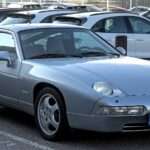
The Porsche 928 was a front-engined V8 grand tourer built from 1977 to 1995. Its aluminium-intensive V8, rear transaxle, Weissach rear axle and distinctive hatchback body made it unlike the 911 rather than a simple replacement for it. The later S4, GT and GTS models developed the idea into increasingly powerful and collectible forms.
Quick answer: buy a 928 for its engineering, long-distance ability and V8 character, but only after a specialist inspection. A neglected car can require expensive work to its timing belt, cooling system, automatic transmission, electrics, interior equipment and model-specific trim. Provenance and correct specification are essential.
Why Porsche created the 928
Porsche conceived the 928 as a modern, refined grand tourer capable of carrying four people and covering long distances at high speed. The engine moved to the front, while the gearbox remained at the rear to help weight distribution. The production car arrived in 1977 and won the 1978 European Car of the Year award, an unusual achievement for a high-performance coupé.
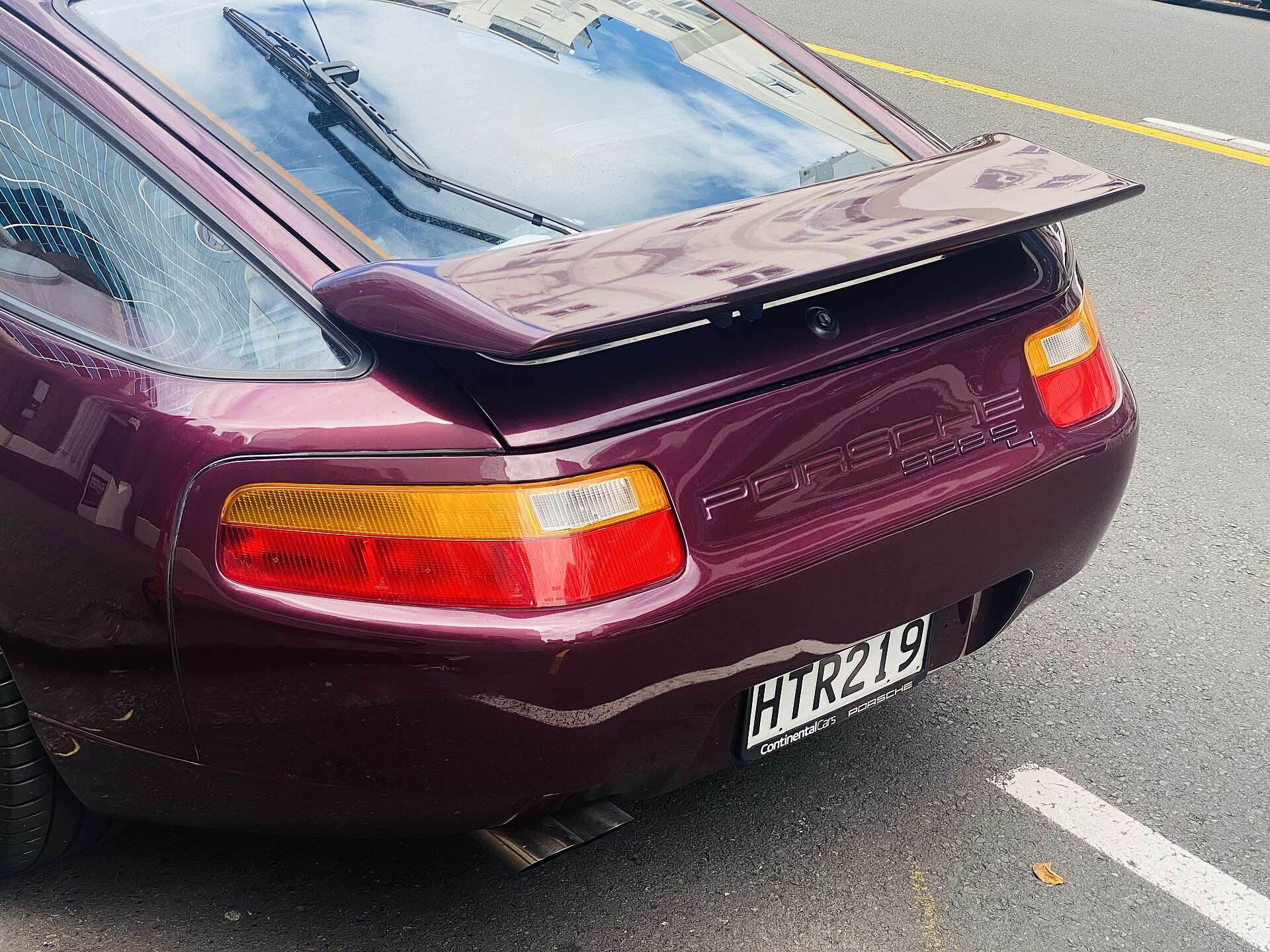
V8 engine, transaxle and Weissach axle
The water-cooled V8 was a major departure from Porsche’s air-cooled flat-six tradition. Its capacity and output grew throughout production. A torque tube connected the front engine to the rear gearbox, while the passive rear-steer effect of the Weissach axle helped stabilise the car when the driver lifted off the throttle in a corner.
Most later cars use an automatic transmission, although manual GT and earlier variants are especially sought after. The layout gives the 928 a different character from a 911: less compact and less rear-engined in its responses, but exceptionally composed as a fast grand tourer.

Porsche 928 S4, GT and GTS compared
| Version | Engine and output | Main distinction |
|---|---|---|
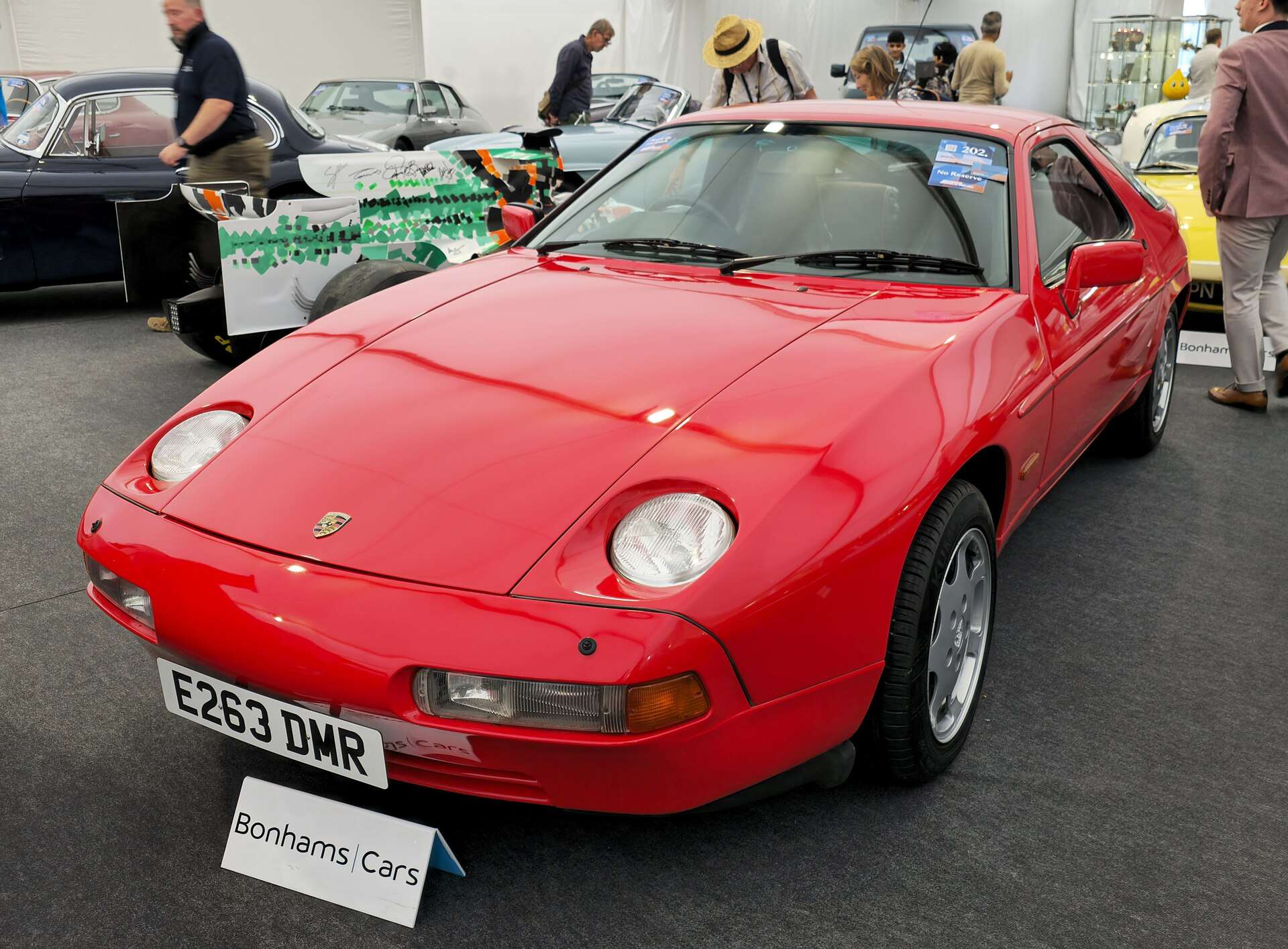
| 928 S4 | 5.0-litre V8, 320 PS | Major 1987-era update with smoother bodywork and four-valve engine |
| 928 GT | 5.0-litre V8, 330 PS | Driver-focused manual model with a more sporting specification |
| 928 GTS | 5.4-litre V8, 350 PS | Final wide-bodied flagship, produced from the early 1990s to 1995 |
Love cars you don’t see every day?
Get forgotten cars, surprising motoring stories and the most interesting finds from Unusual Cars by email.
Free to join. No spam. Unsubscribe whenever you like. See our privacy policy.
The 928 GTS
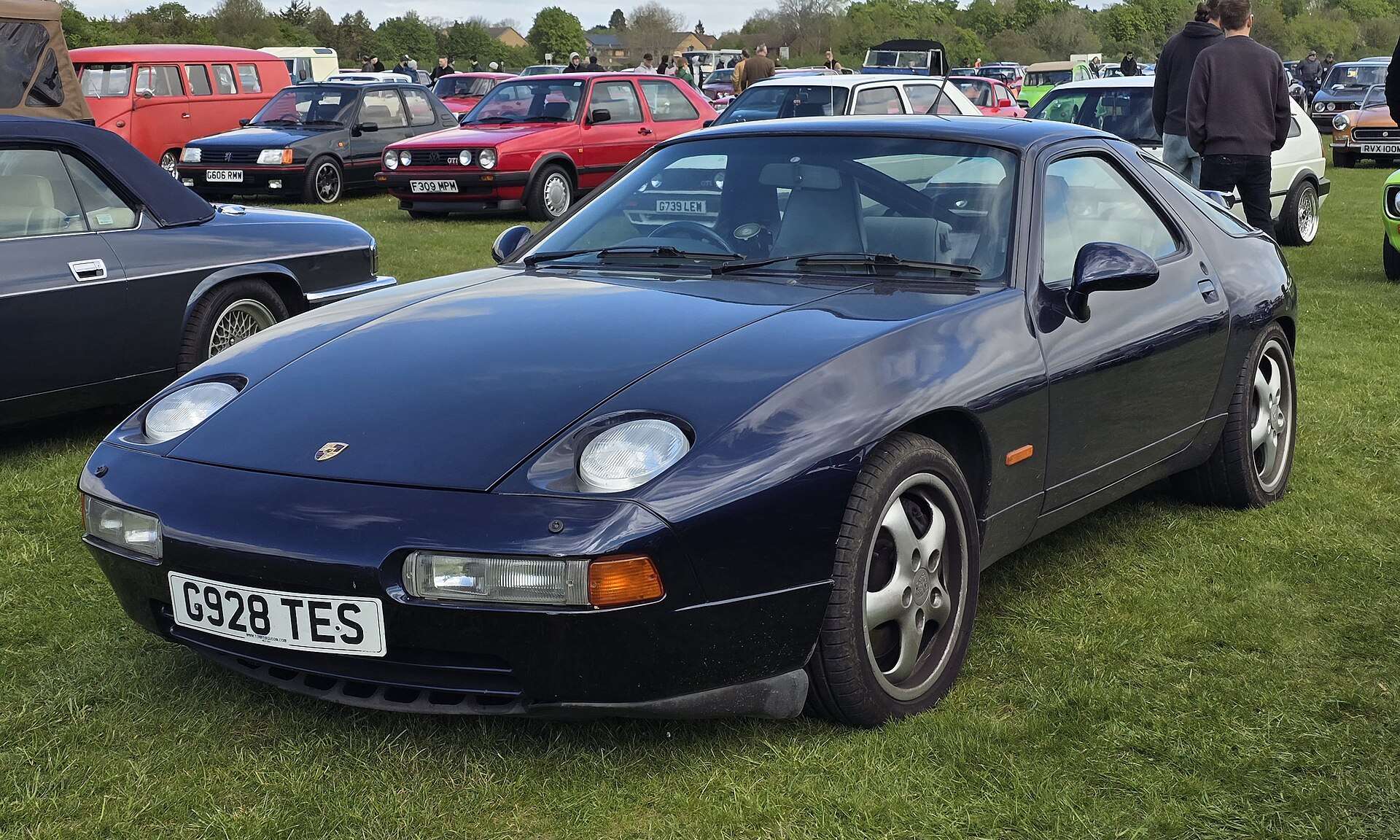
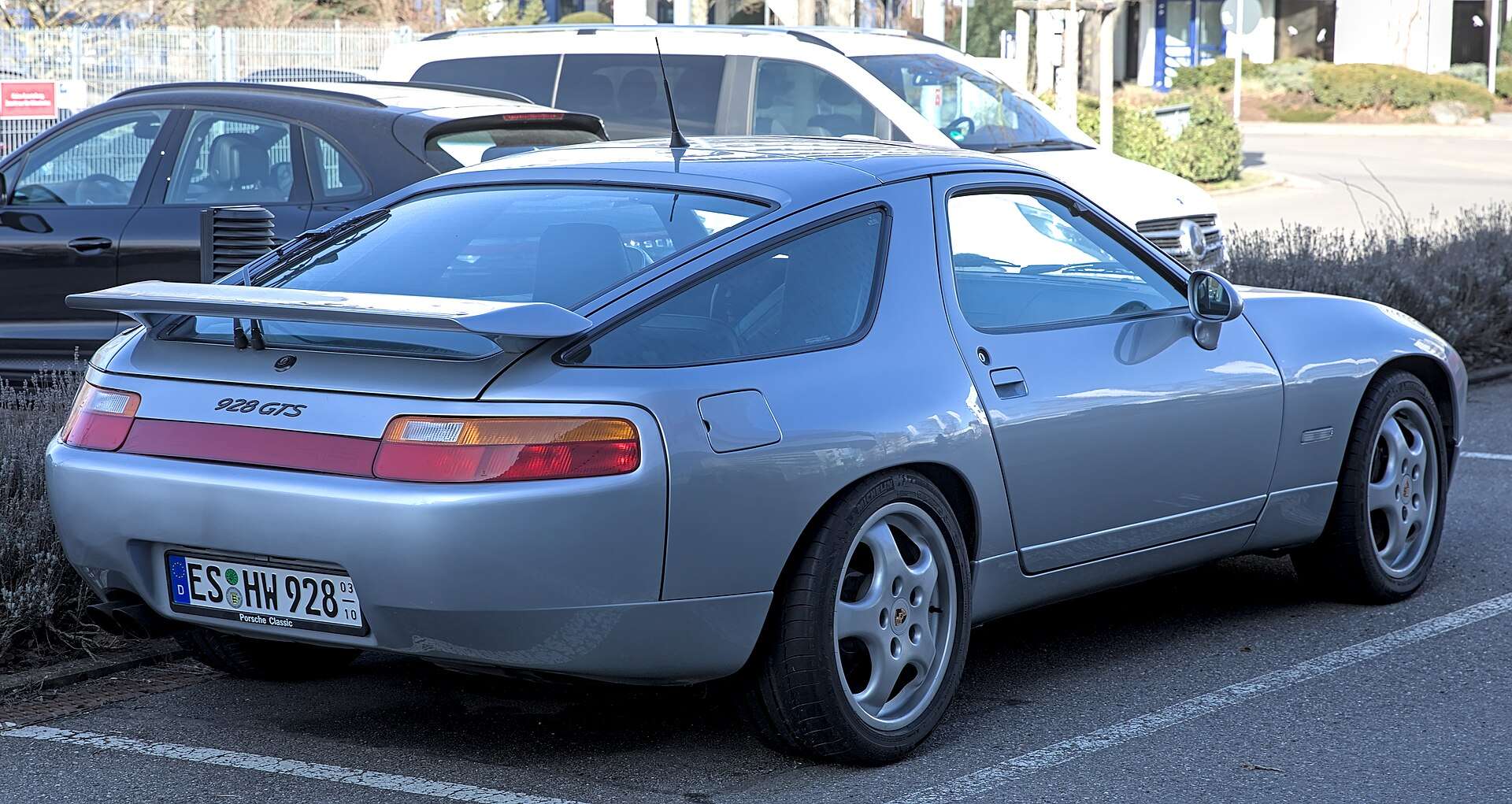
The GTS represented the final factory development of the road car. Its 5.4-litre V8 produced 350 PS, and its widened rear body, larger wheels and subtle visual changes gave it a more purposeful stance. Late production and high prices kept numbers limited, making correct GTS identity and original equipment particularly important today.
Porsche 928 buying guide
Start with the VIN, option codes, service records and evidence that the car is the derivative claimed. The timing belt and water pump are critical maintenance items. The V8 should start cleanly from cold, maintain stable temperature and show no unexplained oil-pressure, coolant or charging warnings. Inspect hoses, radiator, fans, engine mounts and fuel lines carefully.
Automatic gearboxes should select drive promptly and change smoothly; manual cars need checks for clutch wear, synchro condition and driveline noise. Suspension bushes, dampers, steering components and brakes are expensive to restore comprehensively. Uneven tyres or vague behaviour can indicate poor geometry or worn components rather than an inherent flaw.
The galvanised shell is durable but not invulnerable. Inspect the sills, floors, rear quarters, hatch area, jacking points and any previous repairs. Test every electrical function, including instruments, seats, mirrors, lamps, climate control, central locking and hatch release. Original interior trim, spoilers, wheels, lights and GTS-specific body parts can be difficult and costly to replace.

Research sources
Continue the Porsche story
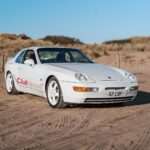
Explore the Rare & Performance Porsche hub, then compare the Porsche 944 Turbo and Porsche 968 Club Sport.
Frequently asked questions
Is the Porsche 928 rear-engined?
No. Its V8 engine is at the front, while the gearbox is mounted at the rear in a transaxle layout.
What is the difference between the 928 S4 and GTS?
The S4 uses a 5.0-litre 320 PS V8. The later GTS has a 5.4-litre 350 PS engine, wider rear bodywork and a final-series specification.
What was special about the 928 GT?
The GT was the more driver-focused late 5.0-litre version, with 330 PS and a manual gearbox.
What is the most important Porsche 928 maintenance item?
Documented timing-belt and water-pump maintenance is fundamental, alongside cooling-system, transmission and electrical checks.
Did the Porsche 928 replace the 911?
It was conceived as a modern flagship grand tourer, but Porsche continued developing the 911 alongside it.