UNUSUAL CARS MODEL GUIDE
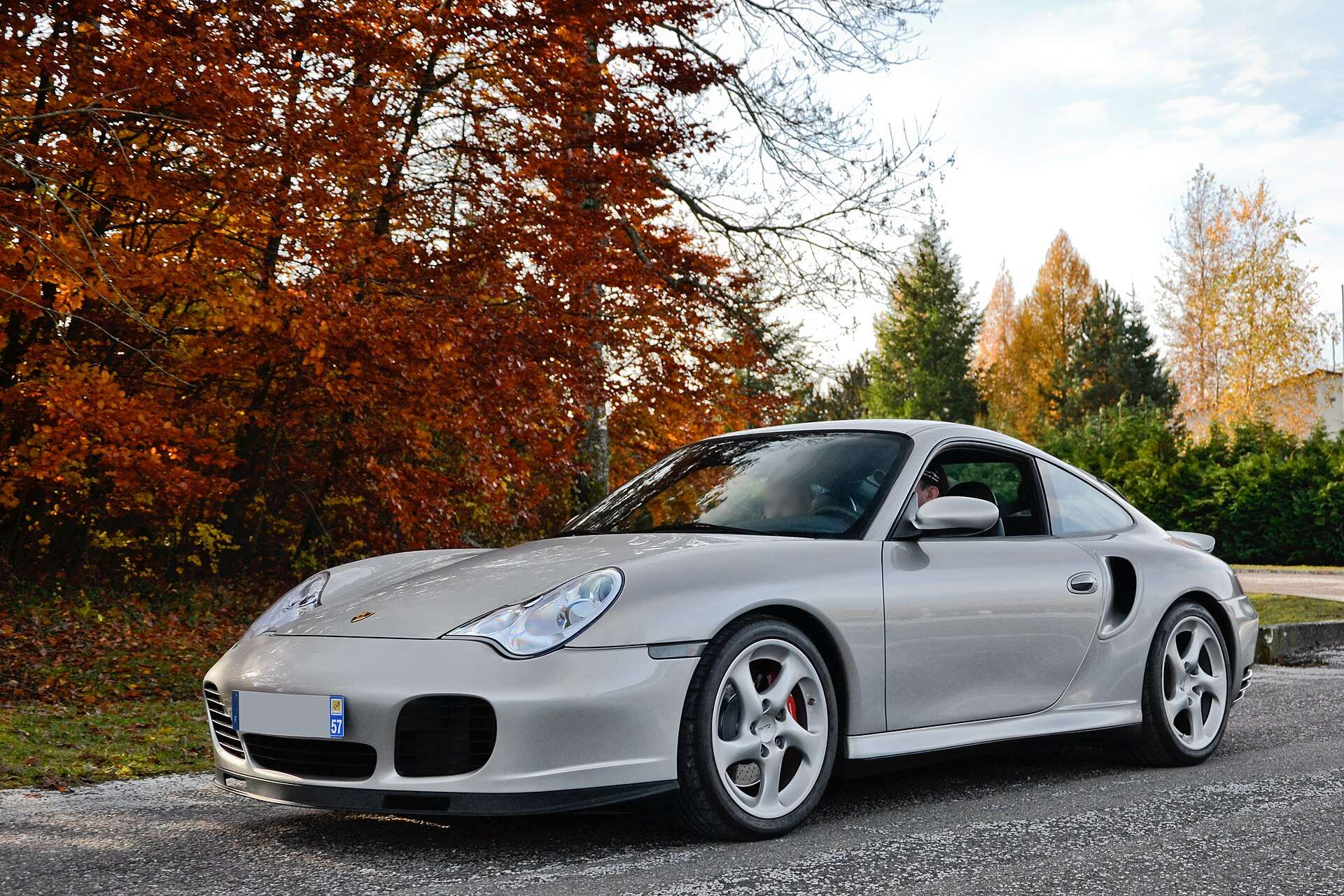
The Porsche 911 Turbo 996 was the first water-cooled 911 Turbo and the first series-production Porsche road car to exceed 300 km/h. Introduced in 2000, it used a 3.6-litre twin-turbo flat-six related to Porsche’s GT1 racing engine, standard all-wheel drive and either a six-speed manual or five-speed Tiptronic S transmission. The later X50 and Turbo S versions raised output from 420 to 450 PS.
Quick answer: the 996 Turbo combines supercar performance with everyday usability, but condition and history are decisive. Buyers should verify cooling-system health, turbo and boost operation, clutch or Tiptronic condition, four-wheel-drive components, brakes, suspension, corrosion and previous accident repairs. A full diagnostic scan and specialist inspection are essential.
Why the 996 Turbo mattered
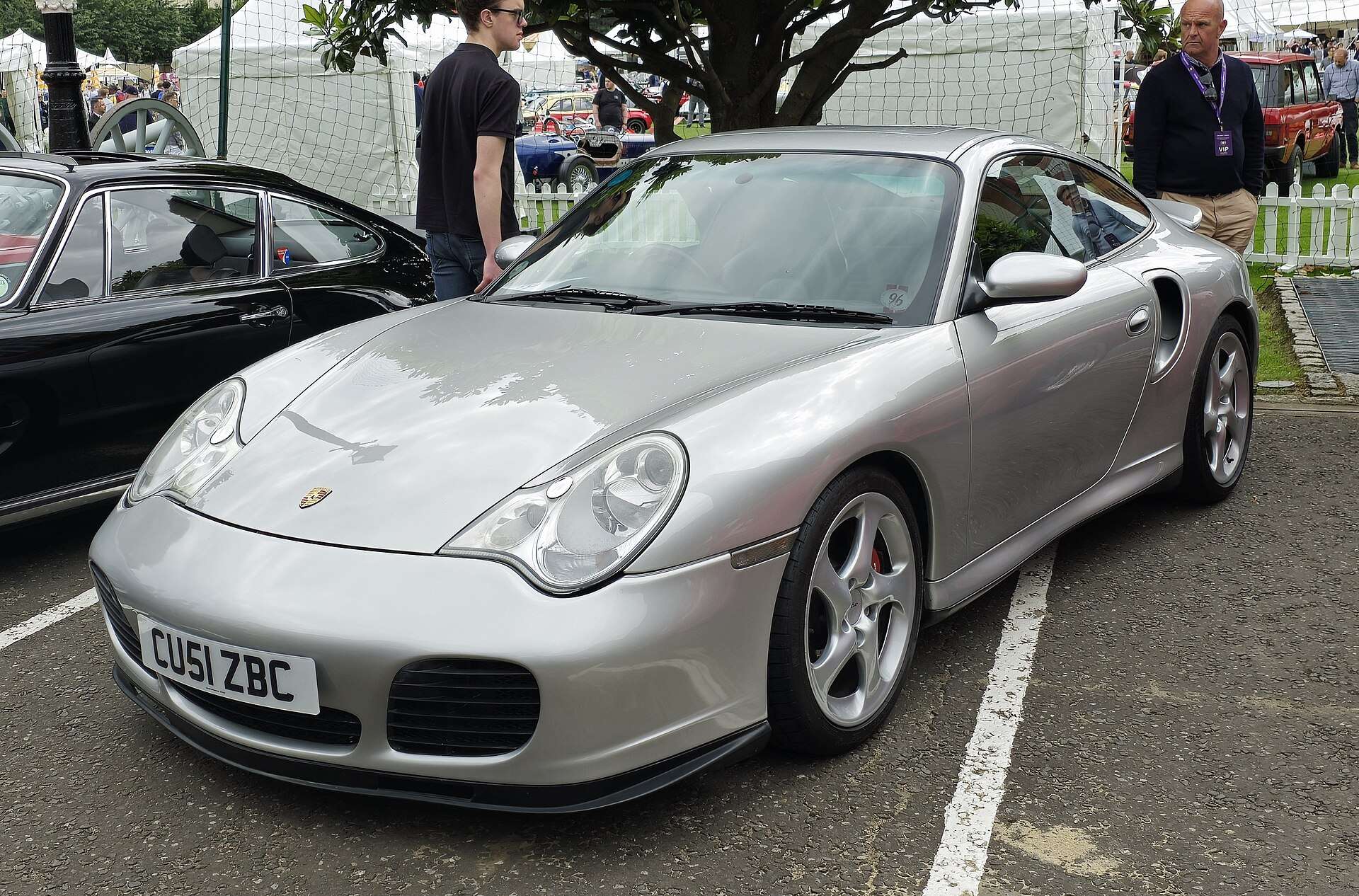
The 996 generation moved the 911 to water cooling and shared more structure with the Boxster, changes that remain controversial among traditionalists. The Turbo answered criticism with a technically distinct powertrain, huge performance and a wide body with characteristic side intakes and a retractable rear wing. Porsche unveiled it in 1999 and brought it to market in 2000.
The Mezger-based twin-turbo engine
The 3.6-litre flat-six differed fundamentally from the contemporary Carrera engine. Its architecture was related to the GT1 racing unit and used two turbochargers, four valves per cylinder and water cooling. Standard output was 309 kW, or 420 PS, with 560 Nm. Porsche quoted 0-100 km/h in 4.2 seconds and 305 km/h, making it the first series Porsche to pass the 300 km/h mark.

996 Turbo versions
| Version | Output | Main distinction |
|---|---|---|
| 911 Turbo Coupé | 420 PS | All-wheel drive; six-speed manual or Tiptronic S |
| 911 Turbo Cabriolet | 420 PS | Open version introduced later in the model cycle |
| X50 power kit | 450 PS | Factory engine upgrade with larger turbochargers and related changes |
| 911 Turbo S | 450 PS | X50 output with PCCB and flagship equipment as standard |

Love cars you don’t see every day?
Get forgotten cars, surprising motoring stories and the most interesting finds from Unusual Cars by email.
Free to join. No spam. Unsubscribe whenever you like. See our privacy policy.
Turbo S and X50
The factory X50 package increased output to 331 kW, or 450 PS. The 2004-2005 Turbo S incorporated that power level and Porsche Ceramic Composite Brakes as standard. Porsche states that 1,563 examples of the 996 Turbo S were produced. Option codes, invoices and factory data should be checked because later modifications do not turn a standard Turbo into a factory X50 or Turbo S.

Porsche 996 Turbo buying guide
Begin with the VIN, factory option record and a continuous service history. Confirm whether the car is a standard Turbo, X50 or Turbo S and whether it left the factory as a manual or Tiptronic. Examine invoices for cooling-system work, turbochargers, boost hoses, ignition components, clutch and flywheel or automatic-transmission servicing.
The engine should start cleanly when cold, hold stable oil pressure and temperature and produce boost without smoke, hesitation or warning lights. Inspect radiators and condensers behind the front intakes, coolant pipes and hoses, turbo oil lines and exhaust fixings. A specialist should check for fluid leaks, stored faults and signs of aggressive tuning.
Test the clutch and every gear on a manual car; on a Tiptronic, check prompt engagement and consistent shifts from cold and hot. Listen for driveline vibration and inspect the front differential, prop shaft and driveshaft boots. Standard steel brakes and optional PCCB systems both require careful assessment because replacement costs differ substantially.
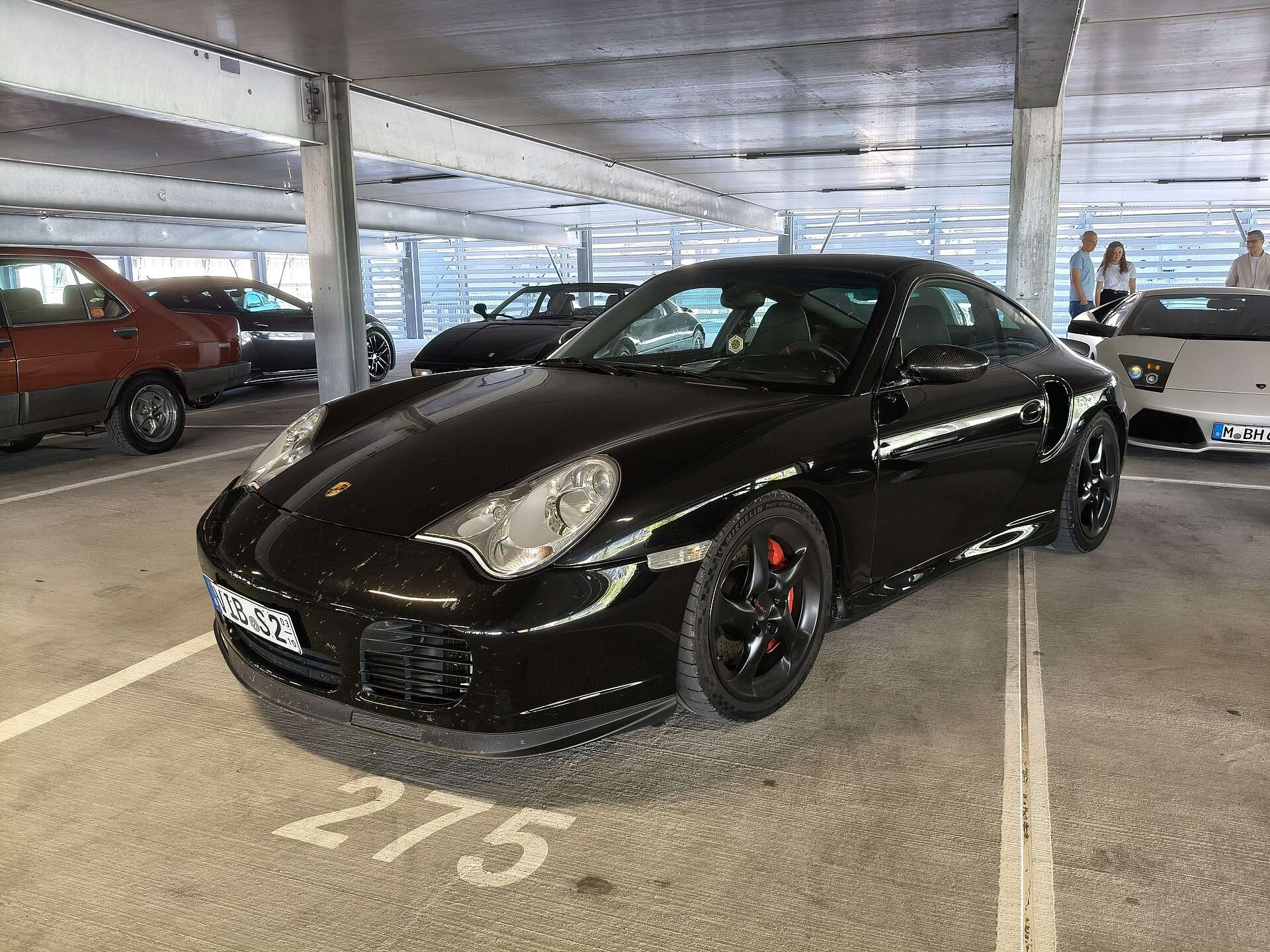
Inspect suspension arms, dampers, wheel bearings, steering, tyres and alignment. Check the front luggage compartment, underbody, sills, rear quarters and panel gaps for accident repair or corrosion. Test the active rear spoiler, air conditioning, windows, seats, instruments, alarm and all lighting. Modified cars need evidence that hardware, software, fuelling and cooling were engineered as a system.

Research sources
- Porsche Newsroom: 911 Turbo generations
- Porsche Newsroom: the 996 generation
- Porsche Newsroom: Turbo S history
Continue the Porsche story
Explore the Rare & Performance Porsche hub, then compare the Porsche 968 Club Sport and Porsche 944 Turbo.
Frequently asked questions
How much power does the Porsche 996 Turbo have?
The standard car produces 420 PS. Factory X50 and Turbo S versions produce 450 PS.
Is the Porsche 996 Turbo four-wheel drive?
Yes. The 996 Turbo uses all-wheel drive as standard.
Does the 996 Turbo use the Carrera engine?
No. Its twin-turbo engine has an architecture related to Porsche’s GT1 racing unit and differs fundamentally from the contemporary Carrera engine.
How fast is the Porsche 996 Turbo?
Porsche quoted 0-100 km/h in 4.2 seconds and a 305 km/h top speed for the 420 PS coupé.
What should be checked before buying a 996 Turbo?
Verify identity and history, then inspect engine and cooling systems, turbos, transmission, all-wheel drive, brakes, suspension, accident repairs, corrosion and electrical equipment.