UNUSUAL CARS MODEL GUIDE
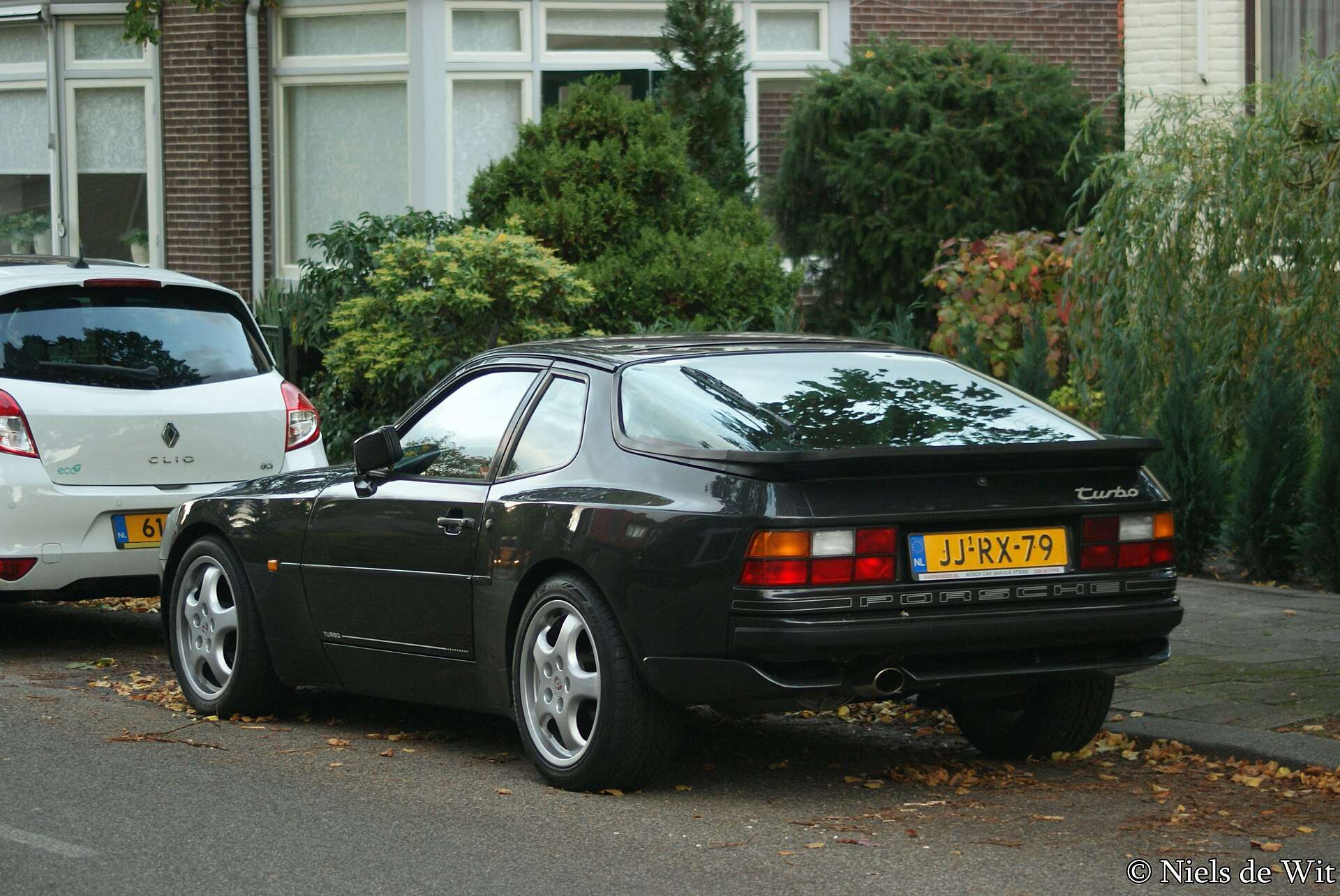
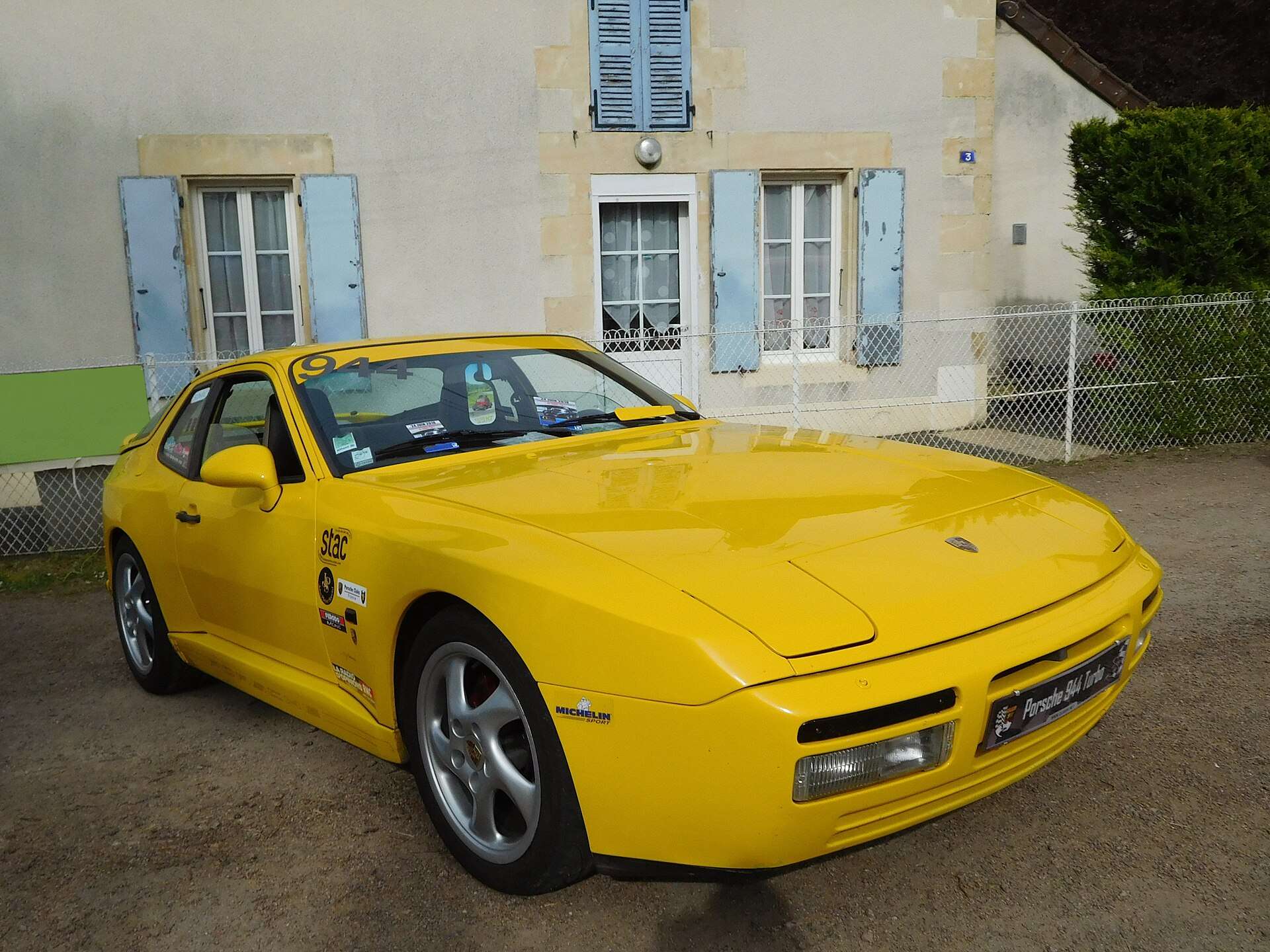
The Porsche 944 Turbo, internally known as the 951, turned Porsche’s front-engined transaxle coupé into a genuinely rapid performance car. Launched for the 1986 model year with 220 PS, it combined a turbocharged 2.5-litre four-cylinder engine with a rear-mounted gearbox, uprated brakes and cleaner aerodynamics. The 250 PS Turbo S of 1988 previewed the specification adopted by the regular Turbo from 1989.
Quick answer: the 944 Turbo is the fastest and most technically developed mainstream 944, but it is not a cheap old Porsche to neglect. A documented timing-belt and water-pump history, healthy turbo and cooling systems, sound body structure, functioning electrics and evidence of correct transaxle maintenance matter more than cosmetic shine.
How the 944 Turbo developed
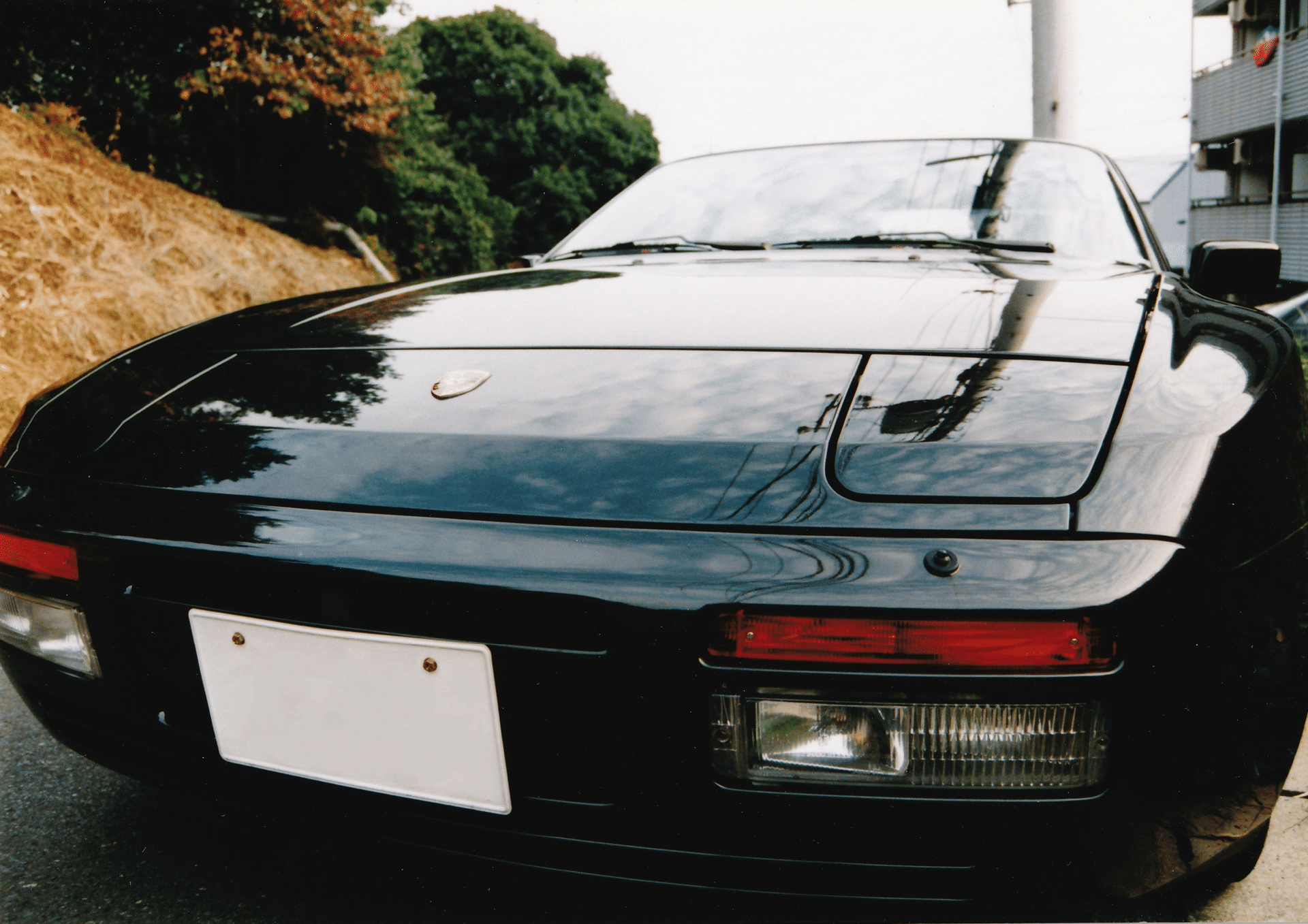
The normally aspirated 944 had already refined the front-engine, rear-transaxle layout inherited from the 924. Porsche added forced induction without abandoning the car’s balanced character. The Turbo received a smoother nose with integrated bumper forms, a deeper rear valance and aerodynamic underbody work, while chassis and brake upgrades matched the additional performance.
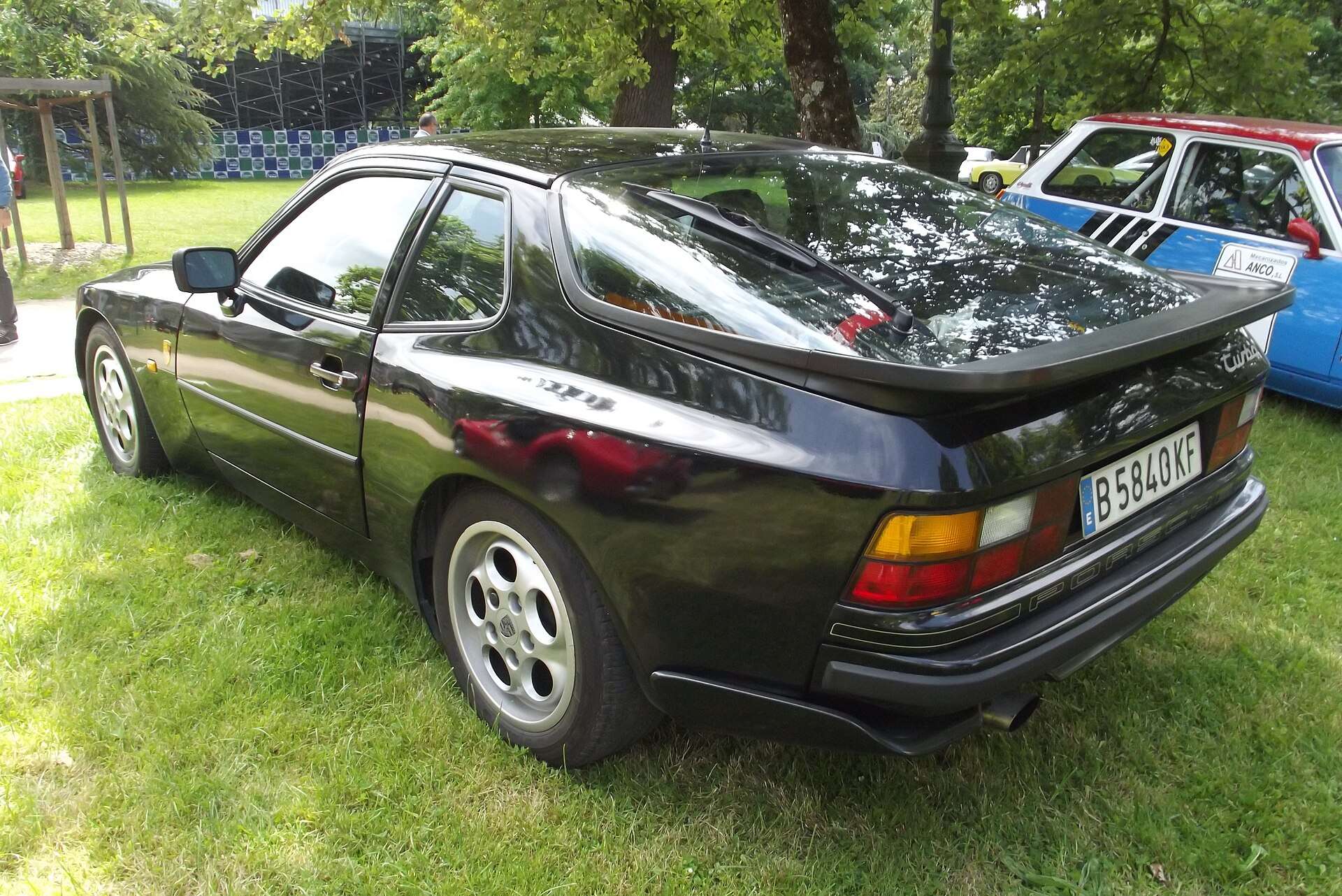
Engine, turbocharging and transaxle layout
The original 944 Turbo used a 2,479 cc eight-valve four-cylinder engine with a KKK turbocharger, intercooling and Bosch engine management. Porsche quoted 220 PS for the early car. The engine sat ahead of the cabin while the five-speed gearbox and final drive were mounted at the rear, connected by a torque tube. This helped distribute mass more evenly than a conventional front-engine gearbox layout.
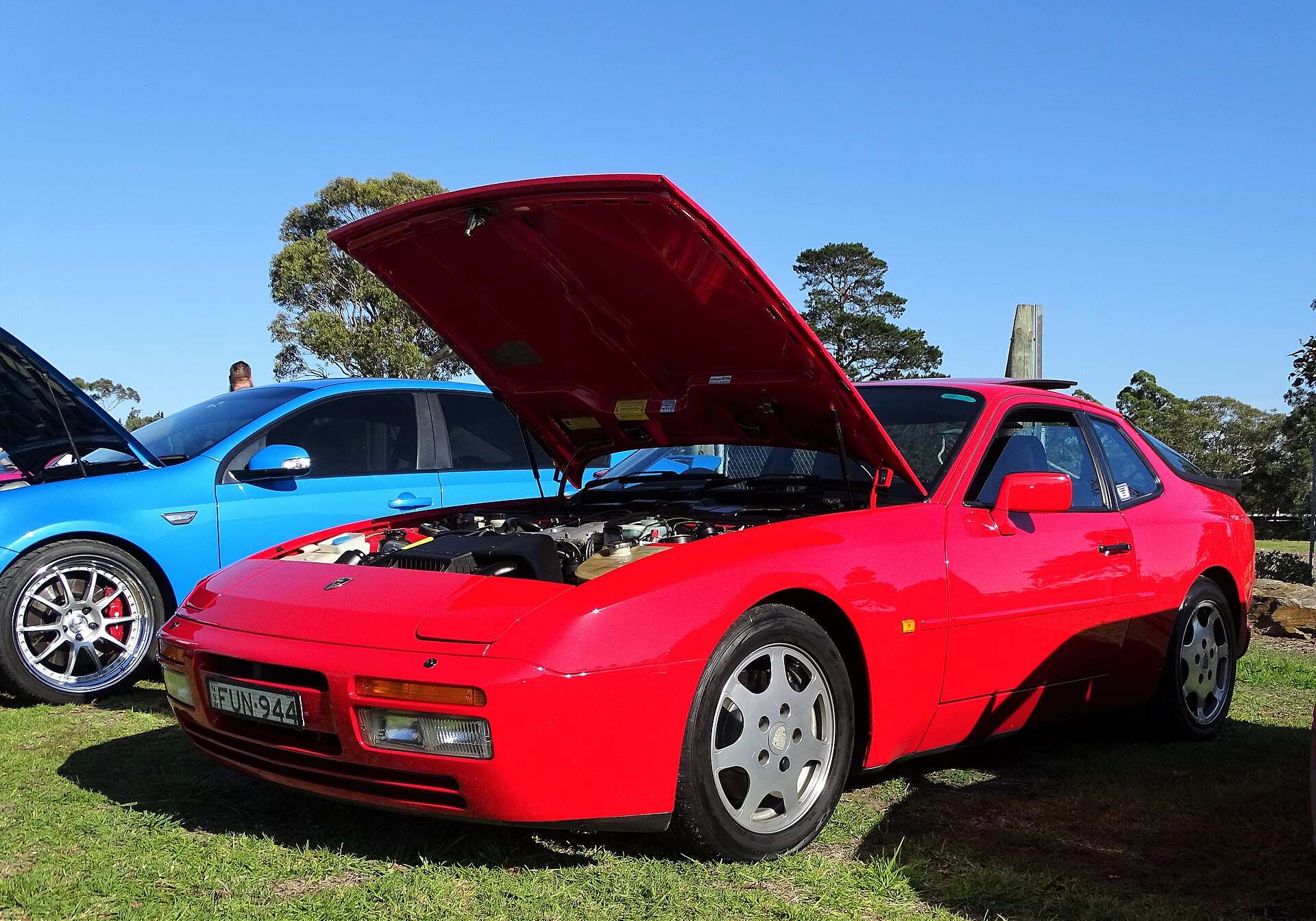
For 1988, the limited Turbo S raised output to 250 PS and added equipment derived from the 944 Turbo Cup programme. Its specification included the M030 sports chassis, a limited-slip differential and larger brakes. From the 1989 model year, the regular 944 Turbo adopted the 250 PS engine and much of the visual specification, so the badge alone does not tell the whole story.

Porsche 944 Turbo versions
| Version | Power | Main distinction |
|---|---|---|
| 944 Turbo, 1986-1988 | 220 PS | Original 951 specification with turbocharged 2.5-litre engine |
| 944 Turbo S, 1988 | 250 PS | Limited series with Cup-influenced engine, M030 chassis and limited-slip differential |
| 944 Turbo, 1989-1991 | 250 PS | Later production model using the higher-output engine |
| 944 Turbo Cabriolet, 1991 | 250 PS | Rare open model; Porsche records 528 examples |
Love cars you don’t see every day?
Get forgotten cars, surprising motoring stories and the most interesting finds from Unusual Cars by email.
Free to join. No spam. Unsubscribe whenever you like. See our privacy policy.
Performance and significance
Porsche’s museum data gives the 1989 250 PS Turbo a top speed of 260 km/h and 0-100 km/h in 5.9 seconds. Those numbers remain serious, but the car’s broader importance lies in how effectively it combined strong boost, long-distance usability and balanced handling. It also gave Porsche a competitive one-make racing platform through the 944 Turbo Cup.
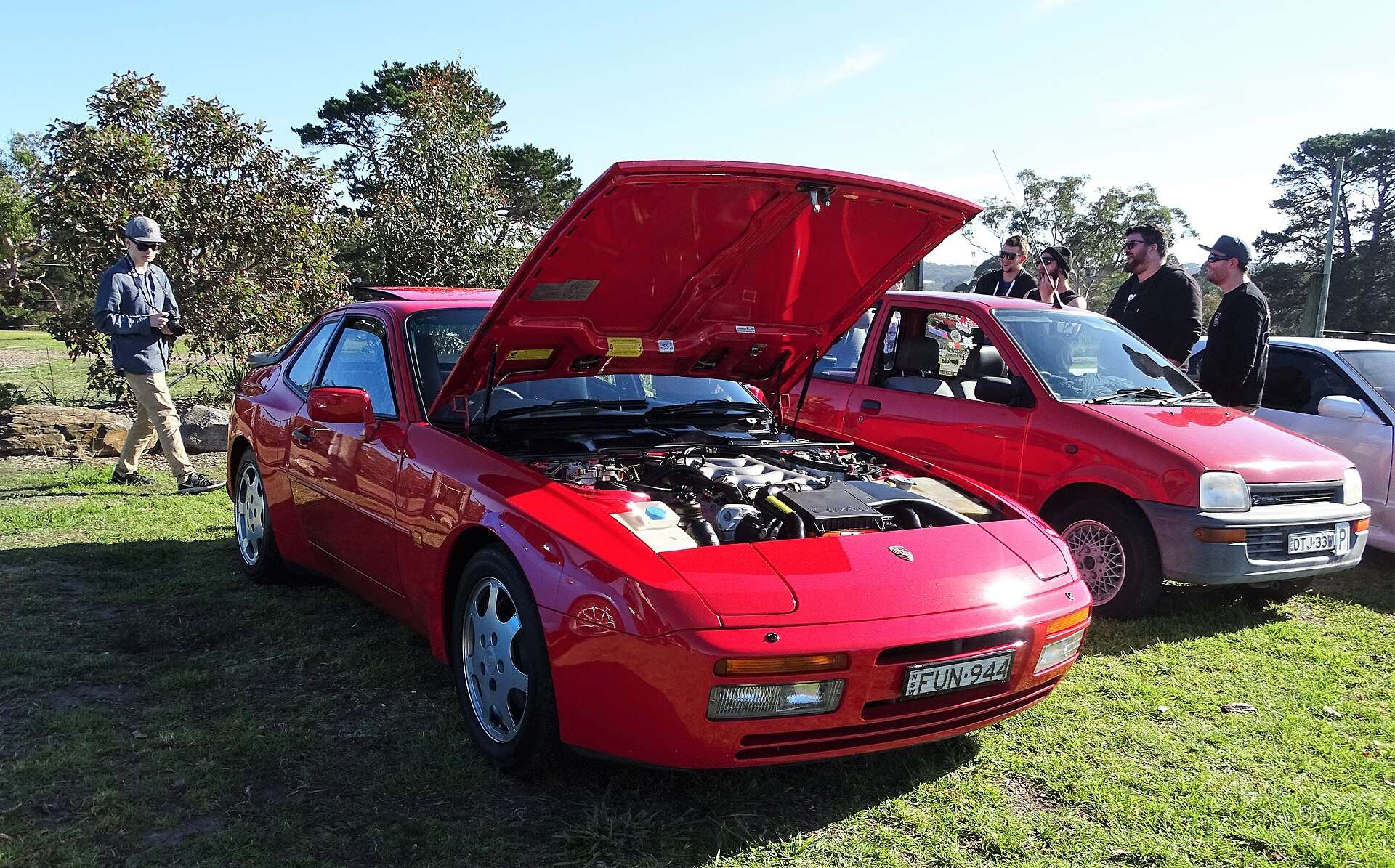
Porsche 944 Turbo buying guide
Begin with identity and service history. Confirm the model year, engine specification, option codes and whether a claimed Turbo S has the correct equipment. Timing belts, balance-shaft belts, tensioners and the water pump require documented maintenance. A specialist should inspect for oil or coolant leaks, overheating evidence, tired engine mounts and neglected hoses.
The turbocharger should build boost cleanly without smoke, hesitation or warning signs. Modified boost control, non-standard chips and improvised intake plumbing need invoices and careful assessment. Check clutch operation, gearbox synchros, torque-tube noise and the limited-slip differential where fitted.
Inspect sills, jacking points, floors, suspension mounts, front wings and previous accident repairs. Galvanised construction helps, but it does not make an old car immune to corrosion or poor repair work. Ageing dampers, bushes, steering components, brake hydraulics and tyres can transform the final bill. Inside, test the pop-up lamps, instruments, ventilation, windows, seat mechanisms and hatch release, and look for water ingress around the large rear glass.
Research sources
Continue the Porsche story
Explore the Rare & Performance Porsche hub, then compare the Porsche 968 Club Sport and Porsche 928.
Frequently asked questions
What is a Porsche 944 Turbo 951?
951 is the internal type designation commonly used for the 944 Turbo coupé.
How much power does a Porsche 944 Turbo have?
Early production cars were rated at 220 PS. The 1988 Turbo S produced 250 PS, and that output was adopted by the regular Turbo from the 1989 model year.
How rare is the Porsche 944 Turbo Cabriolet?
Porsche records 528 Turbo Cabriolets, all produced in 1991.
What is the most important 944 Turbo maintenance check?
Demand documented timing-belt, balance-shaft-belt and water-pump maintenance, then have the turbo, cooling system and transaxle inspected by a Porsche specialist.
Is the 944 Turbo rear-wheel drive?
Yes. Its engine is at the front and its gearbox is mounted at the rear in a transaxle layout.