UNUSUAL CARS MODEL GUIDE
The first-generation Saab 9-5 Aero turned a restrained executive saloon and estate into one of the fastest and most characterful front-wheel-drive cars of its era. Its appeal came from a muscular turbocharged four-cylinder engine, excellent long-distance seats and the ability to deliver serious overtaking performance without advertising it.
From Saab 9000 to 9-5
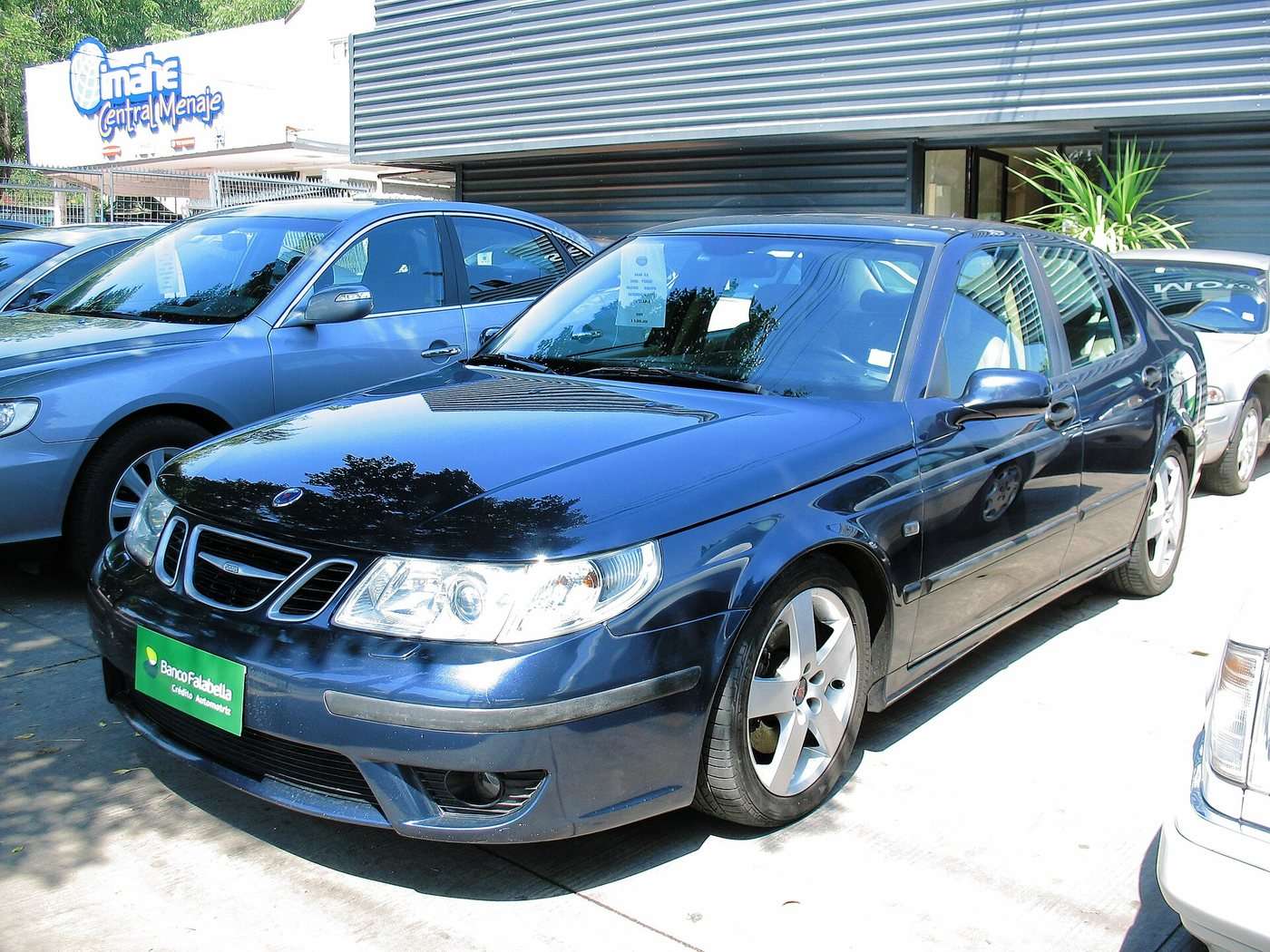
Saab presented the 9-5 in Trollhättan on 9 June 1997. Developed as Project 640 and styled under Saab’s own design organisation, it replaced the long-running 9000 while retaining familiar marque details: a driver-focused dashboard, clamshell bonnet, curved C-pillar and ignition switch between the seats. The estate joined the range soon afterwards and became especially closely associated with the Aero name.
The 9-5 shared elements of its architecture with other General Motors products, but its body, interior, suspension tuning, safety systems and turbo engines gave it a distinct identity. Saab Active Head Restraints debuted with the model, while Night Panel reduced dashboard illumination during night driving.

The Aero engine and performance
The Aero used Saab’s 2.3-litre B235R engine with a high-output turbocharger. Power varied by market and model year, rising from roughly 230PS in early cars to 250PS and, in later specifications, around 260PS. Manuals generally delivered the strongest acceleration, while automatics offered the relaxed character many buyers expected from a large Saab.
Aero specification included firmer suspension, larger wheels, stronger brakes and distinctive trim. The engine’s broad torque band mattered more in daily use than a single peak-power figure: the 9-5 could surge past slower traffic in a high gear, yet remain quiet and comfortable on a motorway.
| Version | Character | Buyer priority |
|---|---|---|
| Early Aero | Original body and strong B235R performance | PCV updates, sludge history and corrosion |
| 2002–05 Aero | Revised appearance and higher outputs | Suspension bushes, turbo and gearbox |
| 2006–09 Aero | Late facelift and updated cabin details | Electrical equipment and model-specific trim |
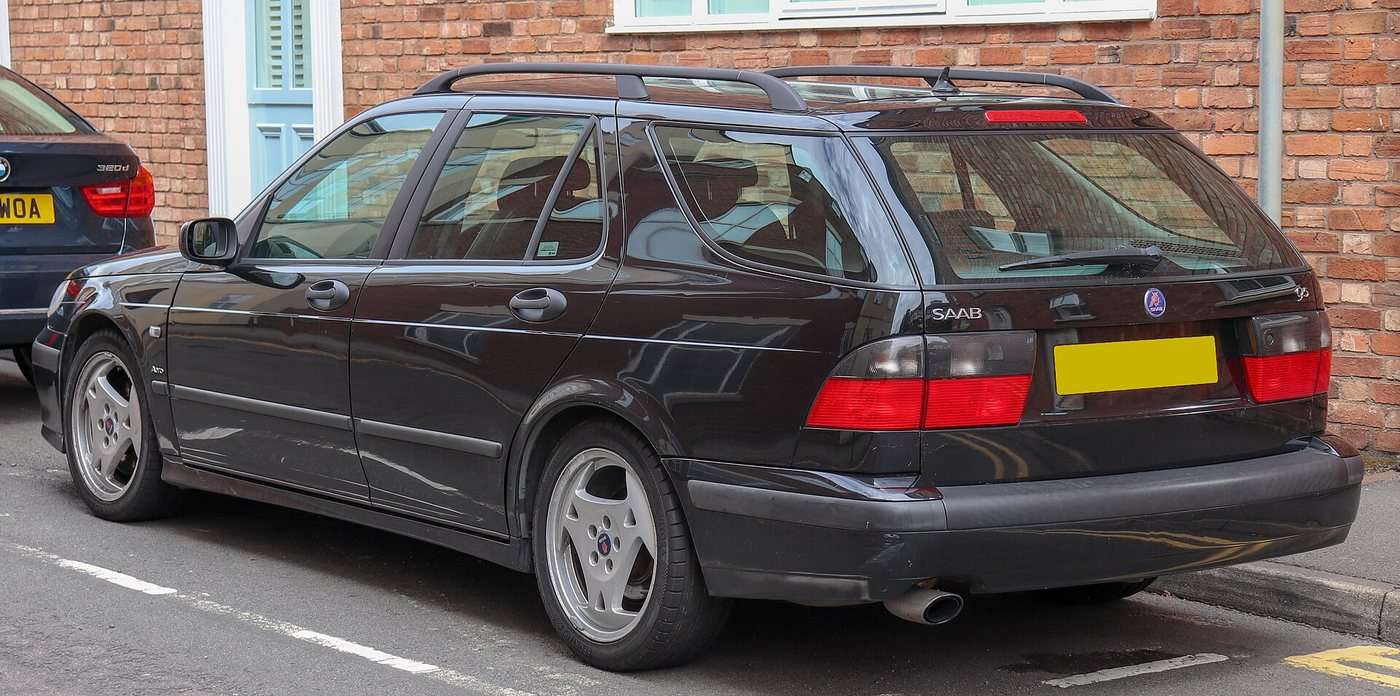
| Aero estate | Fast, practical load carrier | Rear suspension, tailgate and load-area wear |

Love cars you don’t see every day?
Get forgotten cars, surprising motoring stories and the most interesting finds from Unusual Cars by email.
Free to join. No spam. Unsubscribe whenever you like. See our privacy policy.
Why the 9-5 Aero still matters
The Aero belongs to a disappearing class of understated executive performance car. It is fast without looking theatrical and practical without driving like an appliance. The saloon offers a large boot and composed high-speed manners; the estate adds a long, useful load floor while preserving almost all of the performance.
Its continuing appeal also comes from its engine. Saab’s turbo calibration created effortless mid-range response, and careful owners can improve longevity without erasing the car’s original character. Standard, well-documented examples increasingly stand apart from heavily modified cars.
Saab 9-5 Aero buying guide
Engine lubrication and PCV system
Early B235 engines became associated with oil sludge where servicing, oil quality or crankcase ventilation was inadequate. Look for documented sump inspection or cleaning, the latest appropriate PCV revision, frequent oil changes and a clean, quiet engine. Low oil pressure, timing-chain noise or heavy deposits demand investigation.
Turbo, cooling and ignition
Check for smoke after idling, weak boost, split hoses and oil leakage. The direct-ignition cassette is a service item whose failure can cause misfires or non-starting. Cooling fans, radiator, expansion tank and hoses should hold temperature correctly in traffic.
Gearbox, clutch and drivetrain
A manual should select every gear cleanly and pull hard without clutch slip. Automatics need smooth shifts when cold and hot, with evidence of sensible fluid maintenance. Engine mounts and driveshaft joints can reveal themselves through vibration or movement under load.
Suspension, steering and brakes
Front subframe bushes, control-arm bushes, rear suspension components and dampers all affect stability. Listen for knocks and check tyre wear. A 9-5 that wanders, tramlines excessively or feels loose at the rear may need a comprehensive suspension refresh rather than one isolated part.
Body and cabin
Inspect rear wheelarches, sills, dog-leg areas, subframes, door bottoms and the underside. Test climate control, display pixels, seat functions, central locking and every switch. Replacement Aero trim, wheels and interior pieces can be disproportionately difficult to source.

Continue the Saab story
Return to the Rare & Performance Saabs hub, then compare the earlier Saab 9000 Aero and the compact 9-3 Viggen.
Research sources
- SaabMuseum.com: Saab 9-5 history
- SaabMuseum.com: 9-5 model-year changes
- SaabMuseum.com: Saab innovations
Frequently asked questions
When was the first Saab 9-5 produced?
Saab presented the 9-5 in June 1997 for the 1998 model year. The first generation remained in production through 2009.
What engine does the Saab 9-5 Aero use?
First-generation Aero models use Saab’s turbocharged 2.3-litre B235R four-cylinder engine, with output varying by market and model year.
Is the Saab 9-5 Aero available as an estate?
Yes. Saab offered the Aero as both a saloon and an estate, often called SportWagon or estate depending on the market.
What is the main Saab 9-5 Aero engine risk?
Inadequate oil servicing and early crankcase-ventilation arrangements can contribute to sludge, so maintenance evidence and sump condition are important.
Is a Saab 9-5 Aero a good modern classic?
A sound, standard Aero combines strong performance, comfort and practicality, but neglected suspension, corrosion and engine problems can make a cheap example expensive.