UNUSUAL CARS MODEL GUIDE
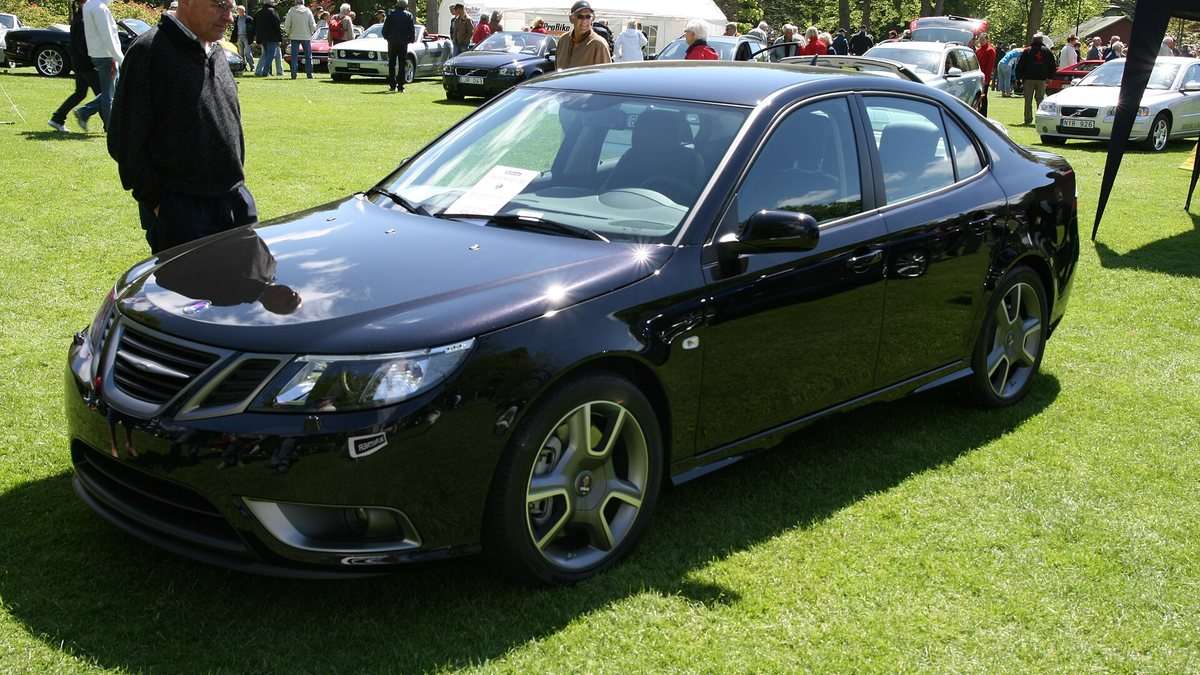
The Saab 9-3 Turbo X celebrated 30 years of Saab production turbocharging by combining a 280PS V6 with the company’s new XWD all-wheel-drive system. Sold only in metallic black as a limited edition, it connected the visual memory of the black 900 Turbo with one of Saab’s most advanced production drivetrains.
A 30th-anniversary performance Saab
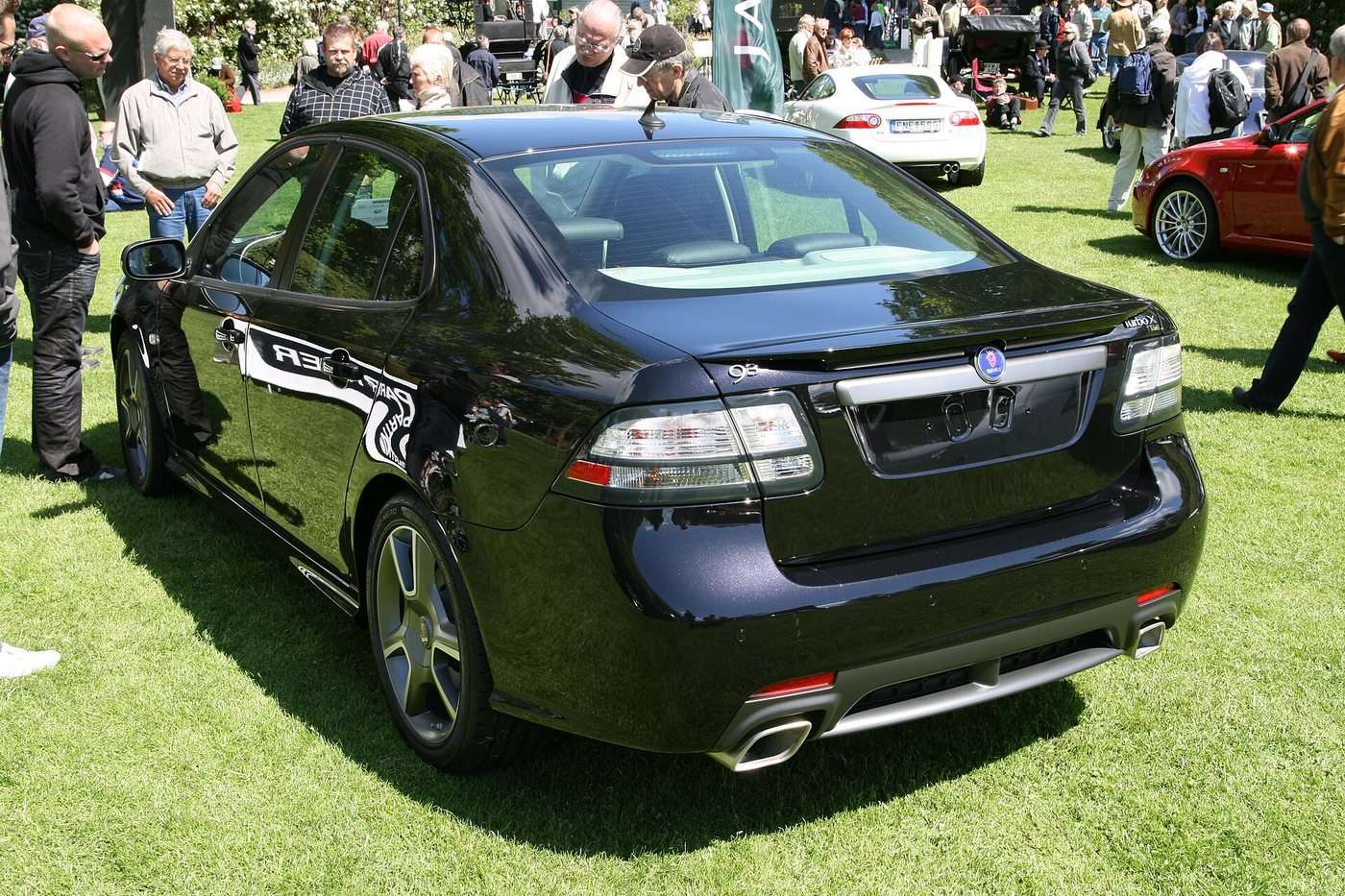
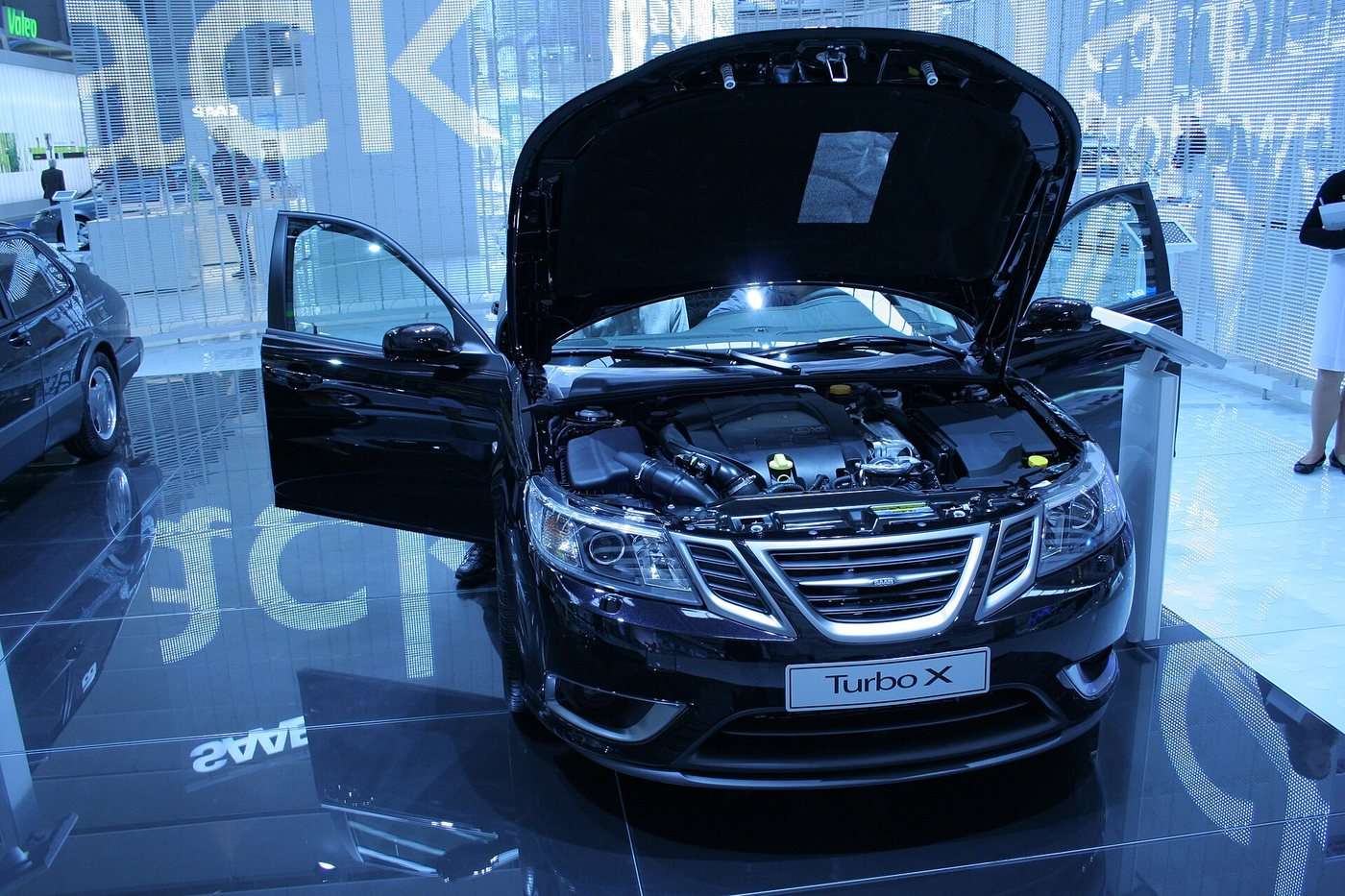
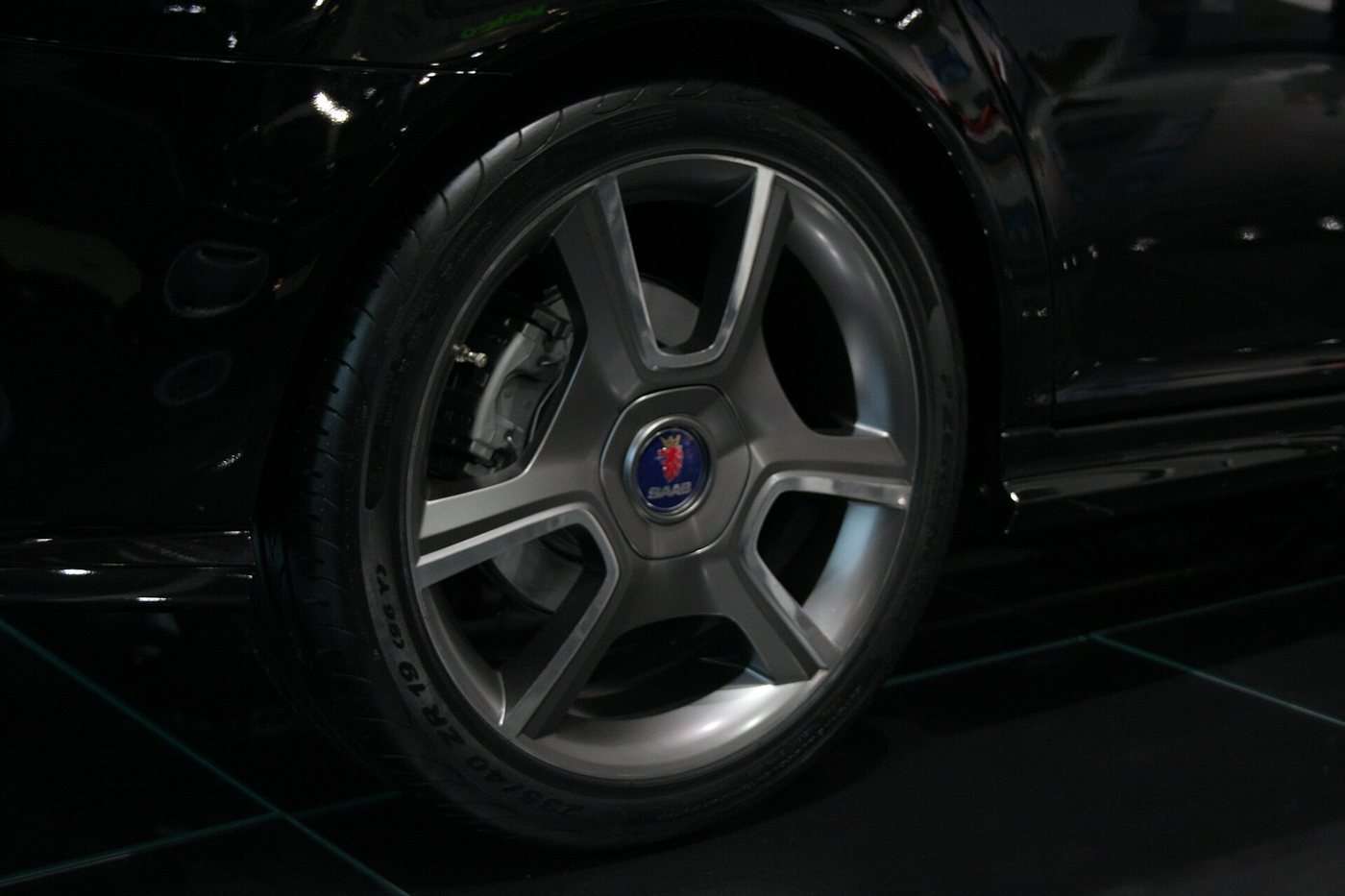
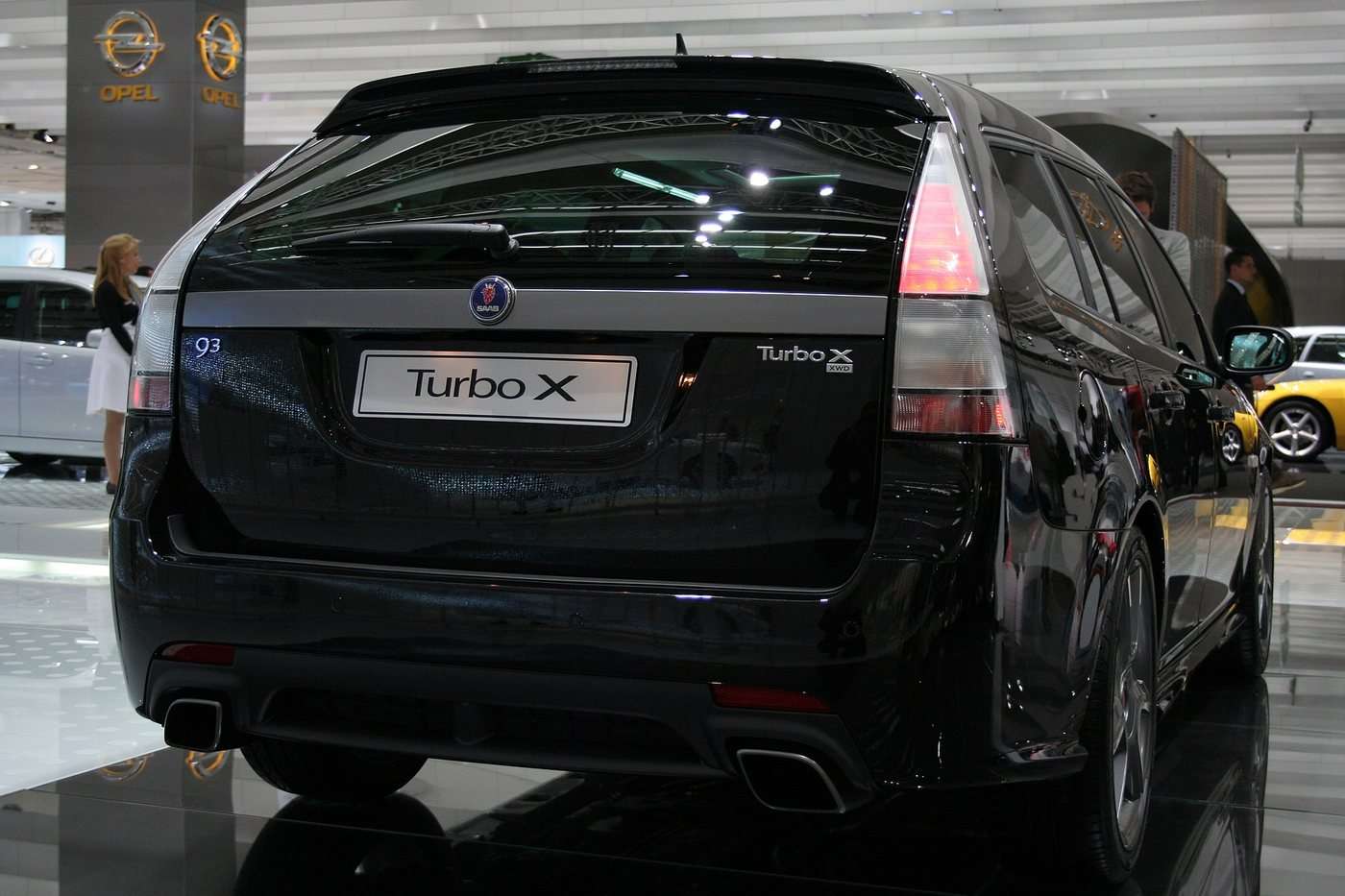
Saab presented the Turbo X exactly three decades after the 99 Turbo’s Frankfurt debut. The limited edition was available as a Sport Sedan and SportCombi, finished in Jet Black Metallic with deeper aerodynamic additions, grey exterior details, unique wheels and a cabin intended to recall the classic black Turbo.
The engine was an all-aluminium 2.8-litre V6 with variable inlet timing and a twin-scroll turbocharger. Saab quoted 280PS and 400Nm, enough for a claimed 0–100km/h time of 5.7 seconds for the saloon. A six-speed manual or six-speed automatic was offered.
How Saab XWD works
XWD used a fourth-generation Haldex coupling to vary torque between the front and rear axles. The Turbo X also used an electronically controlled rear limited-slip differential capable of moving torque from side to side across the rear axle. Inputs from wheel-speed, steering and stability sensors allowed the system to respond before simple wheelspin control would have acted.
Saab aligned the chassis with the new drivetrain. The Turbo X sat 10mm lower, used firmer springs and dampers, self-levelling rear dampers and larger brakes. Its behaviour was intended to feel more neutral and adjustable than a powerful front-drive 9-3.
| Specification | Turbo X |
|---|---|
| Engine | 2.8-litre turbocharged V6 |
| Output | 280PS and 400Nm |
| Transmission | Six-speed manual or automatic |
| Drive | Saab XWD with rear eLSD |
| Body styles | Sport Sedan and SportCombi |
| Claimed 0–100km/h | 5.7 seconds for the saloon |
Love cars you don’t see every day?
Get forgotten cars, surprising motoring stories and the most interesting finds from Unusual Cars by email.
Free to join. No spam. Unsubscribe whenever you like. See our privacy policy.
What makes a genuine Turbo X?
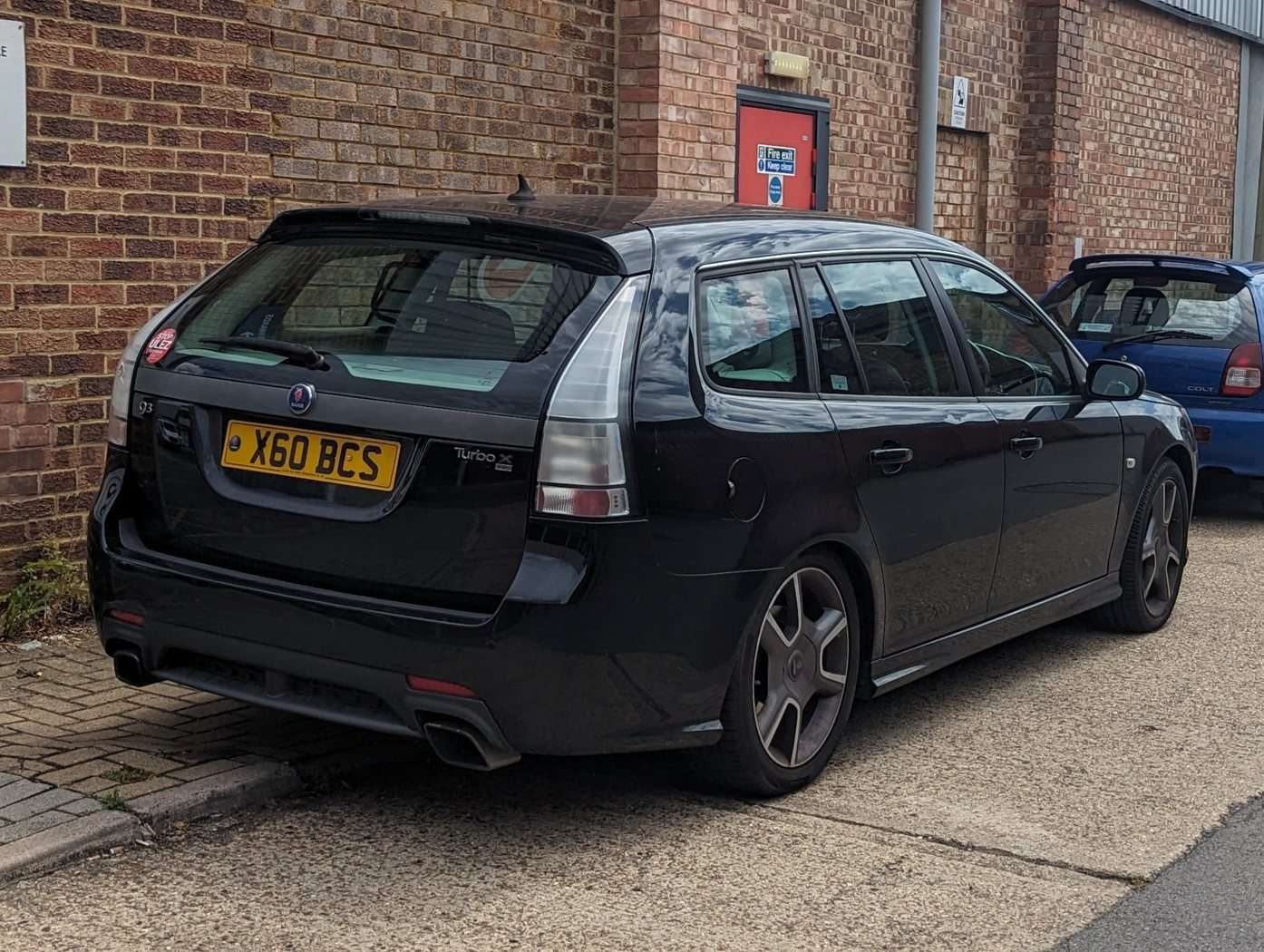
The Turbo X was more than a black 9-3 Aero. Its drivetrain, suspension calibration, brakes, wheels, exterior pieces, interior trim and instrumentation distinguish it. Because normal 9-3 models could also be specified with V6 power or XWD, buyers should verify the VIN, original build specification and supporting documents rather than judging from badges.
Original parts matter. Wheels, spoilers, diffusers and cabin details can be damaged or substituted, and replacements may be scarce. Modifications to engine software, exhaust, suspension or wheels should be documented and assessed for their effect on durability.
Saab Turbo X buying guide
XWD and rear differential
Evidence of correct fluid and filter servicing is essential. Listen for bearing noise, vibration or binding, and check the underside for leakage. Mismatched tyres can force an all-wheel-drive system to compensate continuously, so all four should be the correct size, similar brand and closely matched in wear.
V6 turbo engine
Inspect the cooling system, expansion tank, hoses and radiator. Check for oil leakage, ignition misfires, stretched timing-chain symptoms and evidence of careful servicing. The engine should deliver boost smoothly without warning lights or reduced-power behaviour.
Gearbox and clutch
Manual cars need a clean clutch engagement and precise selection under load. Automatics should shift smoothly cold and hot. Confirm that drivetrain behaviour remains consistent during tight turns, hard acceleration and gentle cruising.
Suspension and brakes
Self-levelling rear dampers and Turbo X-specific suspension can be costly. Check for sagging, knocks, uneven tyre wear and poor geometry. Brake discs, callipers and wheels should be inspected for damage and non-standard substitutions.
Electronics and body
Test climate control, infotainment, lighting, parking sensors, seat functions and every warning system. Examine the black paint carefully for repairs and inspect the aerodynamic extensions, wheel finish and interior trim for originality.
Continue the Saab story
Return to the Rare & Performance Saabs hub, compare the earlier 9-3 Viggen, or explore Saab’s classic turbo formula in the 900 Turbo.
Research sources
- Saab press material: Turbo X world premiere
- Haldex: fourth-generation XWD system
- SaabMuseum.com: Saab innovations
Frequently asked questions
When was the Saab Turbo X launched?
Saab unveiled the Turbo X at the 2007 Frankfurt motor show, with customer deliveries following in 2008.
What engine is in the Saab 9-3 Turbo X?
It uses a turbocharged 2.8-litre V6 producing 280PS and 400Nm.
Is the Saab Turbo X four-wheel drive?
Yes. It introduced Saab XWD with active front-to-rear torque distribution and an electronically controlled rear limited-slip differential.
Was the Saab Turbo X available as an estate?
Yes. Saab offered it as both the Sport Sedan and SportCombi estate.
What should be checked before buying a Turbo X?
Prioritise XWD servicing, matched tyres, V6 cooling and timing condition, suspension, brakes and proof that the car retains its correct Turbo X components.