UNUSUAL CARS MODEL GUIDE
The Saab 9000 Aero was the fastest and most focused version of Saab’s large executive hatchback. It combined a 2.3-litre high-output turbo engine with deeply sculpted seats, aerodynamic body trim and a chassis designed for sustained high-speed travel.
Quick answer: the 9000 Aero arrived for the 1993 model year and continued until the 9000 ended in 1998. Manual cars delivered the highest output, while automatics used a lower torque specification. Buy the best-documented example, checking oil history, timing chain, turbo, gearbox, suspension, rust and scarce Aero-specific interior parts.
Saab enters the executive class
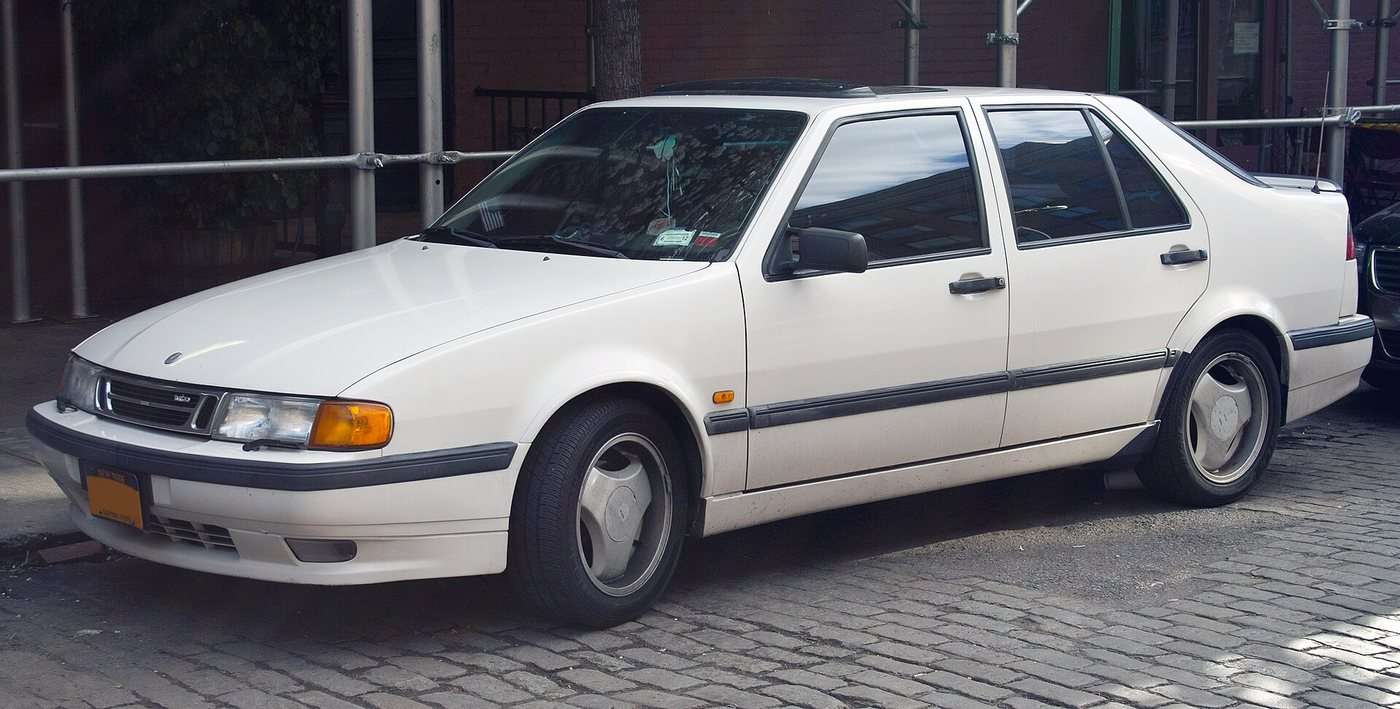
The Saab 9000 was introduced in 1984 as the marque’s first large executive car. It shared the Type Four development programme with the Fiat Croma, Lancia Thema and Alfa Romeo 164, but Saab engineered its own body structure, suspension tuning, engines and interior.
Early 9000s used a five-door hatchback body. The CD saloon followed, and the later CS hatchback introduced a revised nose, tail and stronger safety structure. This CS body provided the basis for the Aero.
The 2.3-litre Aero engine
The Aero used Saab’s 2.3-litre B234R turbocharged four-cylinder engine with Trionic management. European manual cars were rated at 225PS and produced substantial mid-range torque. Automatic versions were detuned to protect the transmission, so gearbox choice changes both character and specification.
The tall gearing and broad torque suited fast long-distance travel. Saab’s famous 9000 endurance runs at Talladega had already demonstrated the platform’s ability to maintain high speed, and the Aero applied that reputation to a road-going flagship.

| Version | Typical distinction | Buyer note |
|---|---|---|
| Manual Aero | Highest-output B234R specification | Check clutch, gearbox and boost control |
| Automatic Aero | Reduced output and torque | Test hot shifts and transmission cooling |
| Earlier model years | Different equipment and management details | Verify market and production year |
| Final cars | Late trim and specification combinations | Originality and history influence value |

Love cars you don’t see every day?
Get forgotten cars, surprising motoring stories and the most interesting finds from Unusual Cars by email.
Free to join. No spam. Unsubscribe whenever you like. See our privacy policy.
Aero chassis and cabin
The Aero sat lower than ordinary 9000s and used firmer suspension, larger wheels and more assertive aerodynamic trim. Its wide track and long wheelbase delivered stability rather than the compact agility of a 900 Turbo.
Inside, the heavily bolstered Aero seats are central to the car’s identity and comfort. Leather wear, broken frames or missing trim can be expensive to correct because good original interiors are scarce.

Saab 9000 Aero buying guide
Oil pressure, timing chain and turbo
Require evidence of frequent oil changes with the correct lubricant. Listen for chain noise at start-up and when hot, check oil pressure warnings, inspect crankcase ventilation and look for turbo smoke or boost irregularities.
Gearbox and clutch
Manual cars must pull hard without clutch slip, gear noise or jumping out of ratio. Automatics should engage promptly and shift smoothly when hot. Modified boost places additional stress on both transmissions.
Suspension, steering and brakes
Inspect dampers, springs, bushes, ball joints, steering rack, brake lines and tyres. Worn front suspension can disguise itself as torque steer or vague tracking.
Rust, electrics and Aero trim
Examine sills, jacking points, wheelarches, floor seams, suspension mounts and screen surrounds. Test climate control, seat heaters, windows, central locking, instruments and displays. Price damaged Aero bumpers, wheels and seats before agreeing a purchase.

Research sources
- Saab Heritage Car Museum USA collection
- Saab Car Museum Supporters: 40 years of the Saab 9000
- Saab 9000 enthusiast technical and buying archive
Continue the Saab story
Return to the Rare & Performance Saabs hub, then compare the smaller Saab 900 Turbo and later Saab 9-3 Viggen.
Frequently asked questions
When was the Saab 9000 Aero produced?
The Aero joined the range for the 1993 model year and remained available until 9000 production ended in 1998.
What engine is in the Saab 9000 Aero?
It uses Saab’s 2.3-litre B234R turbocharged four-cylinder engine with Trionic management.
Why is the automatic 9000 Aero less powerful?
Saab reduced output and torque on automatic cars to remain within the transmission’s operating limits.
Is the Saab 9000 related to the Fiat Croma?
The cars emerged from the shared Type Four programme, but Saab engineered its own structure, engines, suspension tuning and interior.
What are the main 9000 Aero buying risks?
Neglected oil and timing-chain maintenance, worn transmissions, structural rust, suspension wear and missing Aero-specific trim are the major concerns.