Origins and development
BMW Motorsport had already demonstrated the appeal of a discreet high-performance saloon with the M535i. The M635CSi applied the same philosophy to BMW’s flagship coupé, using the long-running E24 body but giving it an engine closely related to the M1 unit. It appeared in Europe in 1984; the M6 name followed in emissions-controlled markets.

Engineering and driving character
The European M88/3 displaced 3,453cc and used four valves per cylinder, six individual throttle bodies and Bosch electronic management. Its 286hp passed through a Getrag five-speed manual gearbox and limited-slip differential. Uprated suspension, larger brakes and 415mm metric wheels supported sustained high-speed driving. The result was more cultured than a homologation special, yet far more focused than the standard 635CSi.
Love cars you don’t see every day?
Get forgotten cars, surprising motoring stories and the most interesting finds from Unusual Cars by email.
Free to join. No spam. Unsubscribe whenever you like. See our privacy policy.
Versions and model evolution
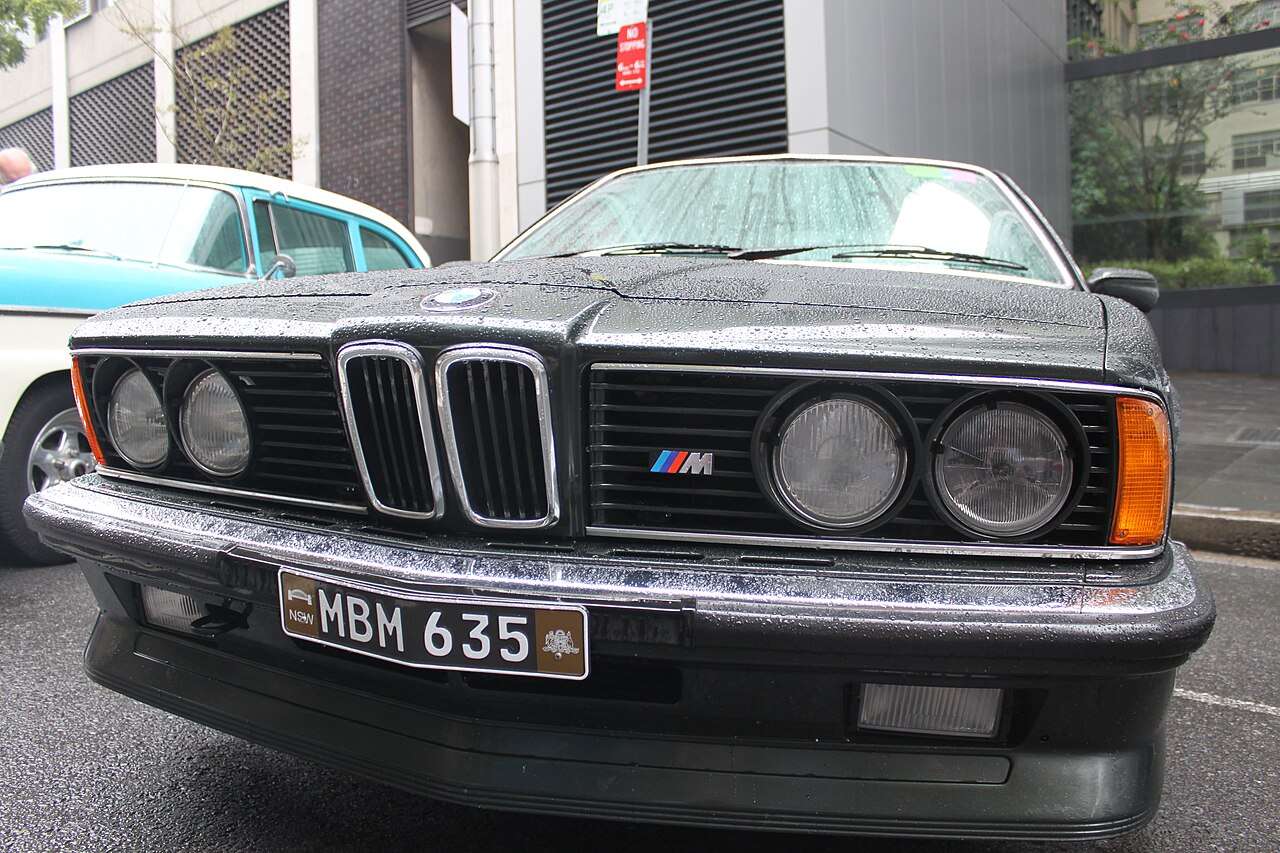
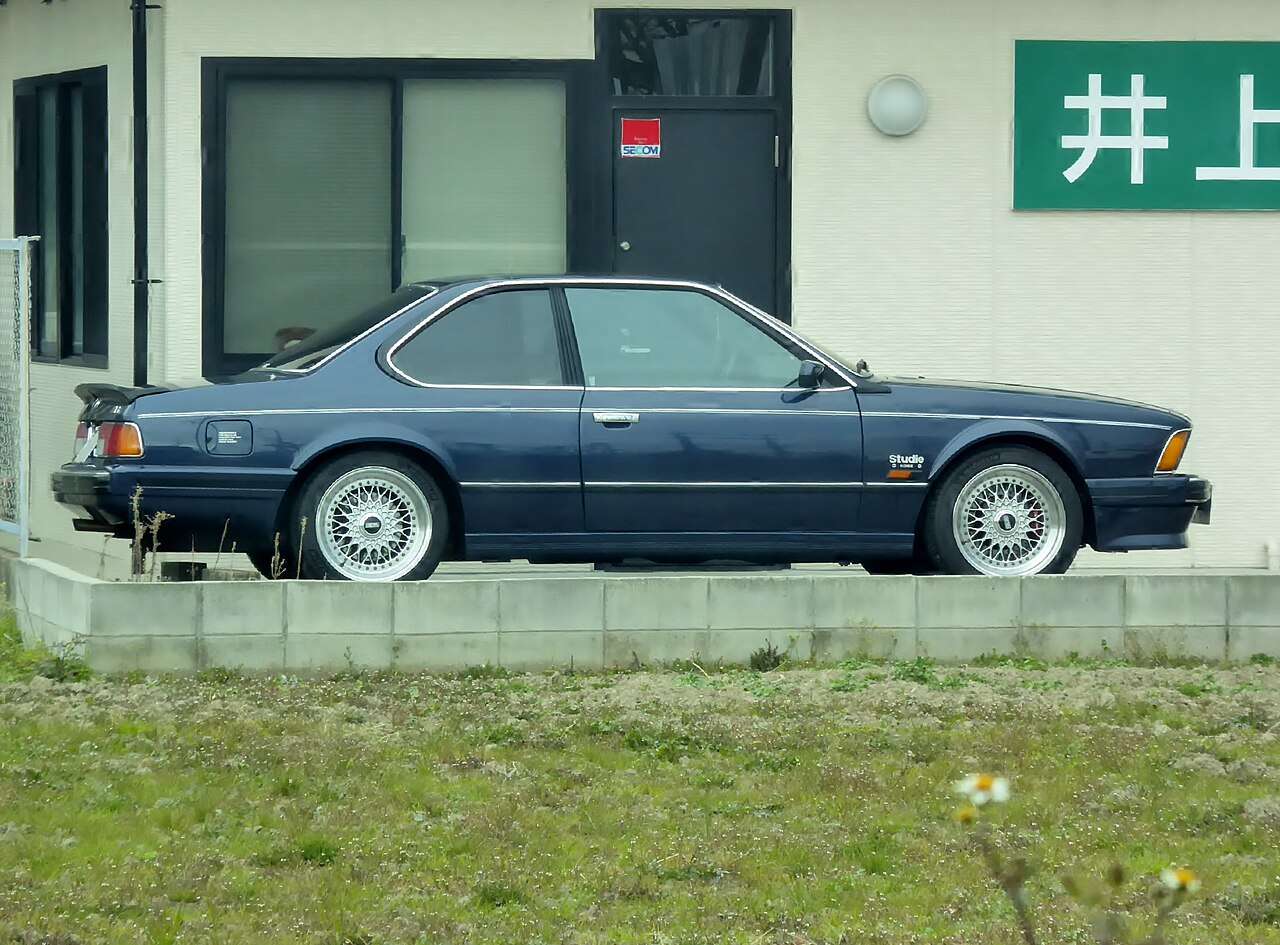
European cars are usually identified as M635CSi and retain the full 286hp output. North American and Japanese M6 models used the related S38 engine with emissions equipment and lower quoted power. Later cars gained revised bumpers and equipment as the E24 evolved. Shadowline trim, spoilers and M badging differentiated the model without overwhelming Paul Bracq’s original design.

Why it matters
The M635CSi proved that BMW M could build a high-speed luxury coupé without sacrificing engine character or chassis precision. Its M88 links it directly to the M1 and E28 M5, while its usability established the path followed by later M6 generations.

Identity, originality and surviving cars
Engine type and market specification matter. A genuine European M635CSi should carry the correct M88/3, while an M6 will normally have an S38. Original metric wheels are historically correct but affect tyre choices; many cars now wear conventional-inch alternatives. Service records for the complex 24-valve engine are essential context.
Key specifications
| Production | 1984–1989; 5,855 cars |
|---|---|
| Engine | 3,453cc M88/3 24-valve straight-six |
| Power | 286hp European specification |
| Layout | Front-engine, rear-wheel drive; five-speed manual |
| Related model | Catalysed M6 with S38 engine |
Frequently asked questions
Is the M635CSi the same as the M6?
They are market versions of the same E24 M model. Europe received the 286hp M635CSi; North America and Japan generally received the emissions-controlled M6 with an S38 engine.
Does the M635CSi use an M1 engine?
Its M88/3 is developed from the M1’s M88/1 architecture, adapted for a front-engined road car with wet-sump lubrication and different management.
How many M635CSi and M6 cars were built?
BMW records 5,855 E24 M cars in total across M635CSi and M6 versions.
Why are the original wheels unusual?
Many cars used 415mm metric wheels with Michelin TRX tyres. The historically correct size limits modern tyre choice, so period-style conventional wheels are common.
Research note: BMW M E24 archive and BMW Group Classic 6 Series history. Specifications can vary by market and model year; where production totals differ between sources, the article uses BMW’s published figure or states the uncertainty.