Origins and development
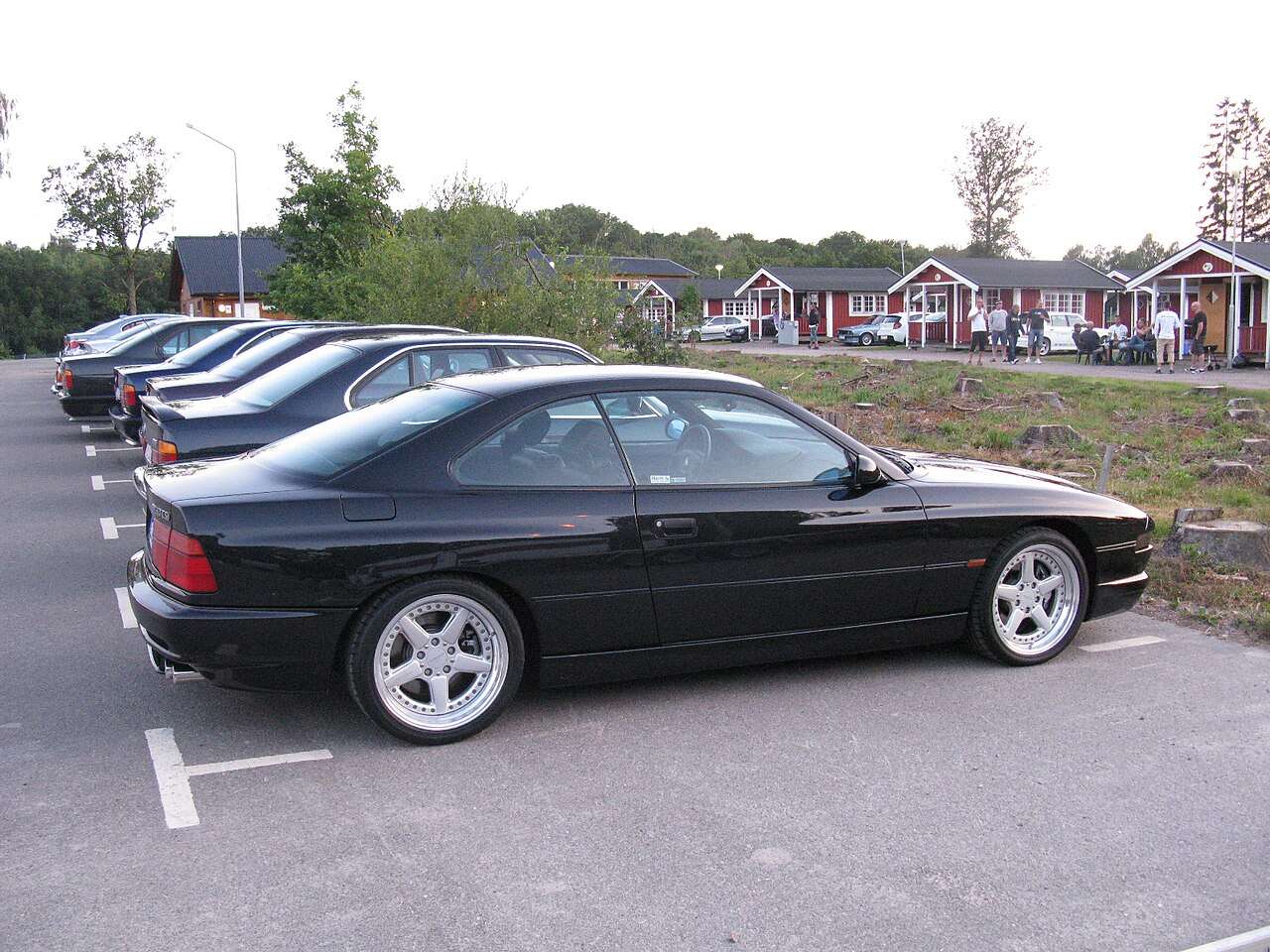
The E31 arrived as BMW’s technology-led grand tourer, with the 850i introducing a V12, drive-by-wire throttles and a clean pillarless profile. BMW Motorsport developed a substantially more focused derivative after the separate M8 prototype programme did not reach production. The 850CSi entered the market in 1992 and sat above both the V8 840Ci and regular V12 models.

Engineering and driving character
BMW enlarged the V12 to 5,576cc and designated it S70B56, signalling an M-developed engine rather than a standard M70. Output was 380hp and 550Nm, delivered only through a Getrag six-speed manual. A quicker steering ratio, firmer and lower suspension, stronger brakes, revised aerodynamics and AHK rear-wheel steering gave the heavy coupé greater agility. Its character remained that of a refined high-speed GT, not a stripped circuit car.
Love cars you don’t see every day?
Get forgotten cars, surprising motoring stories and the most interesting finds from Unusual Cars by email.
Free to join. No spam. Unsubscribe whenever you like. See our privacy policy.
Versions and model evolution
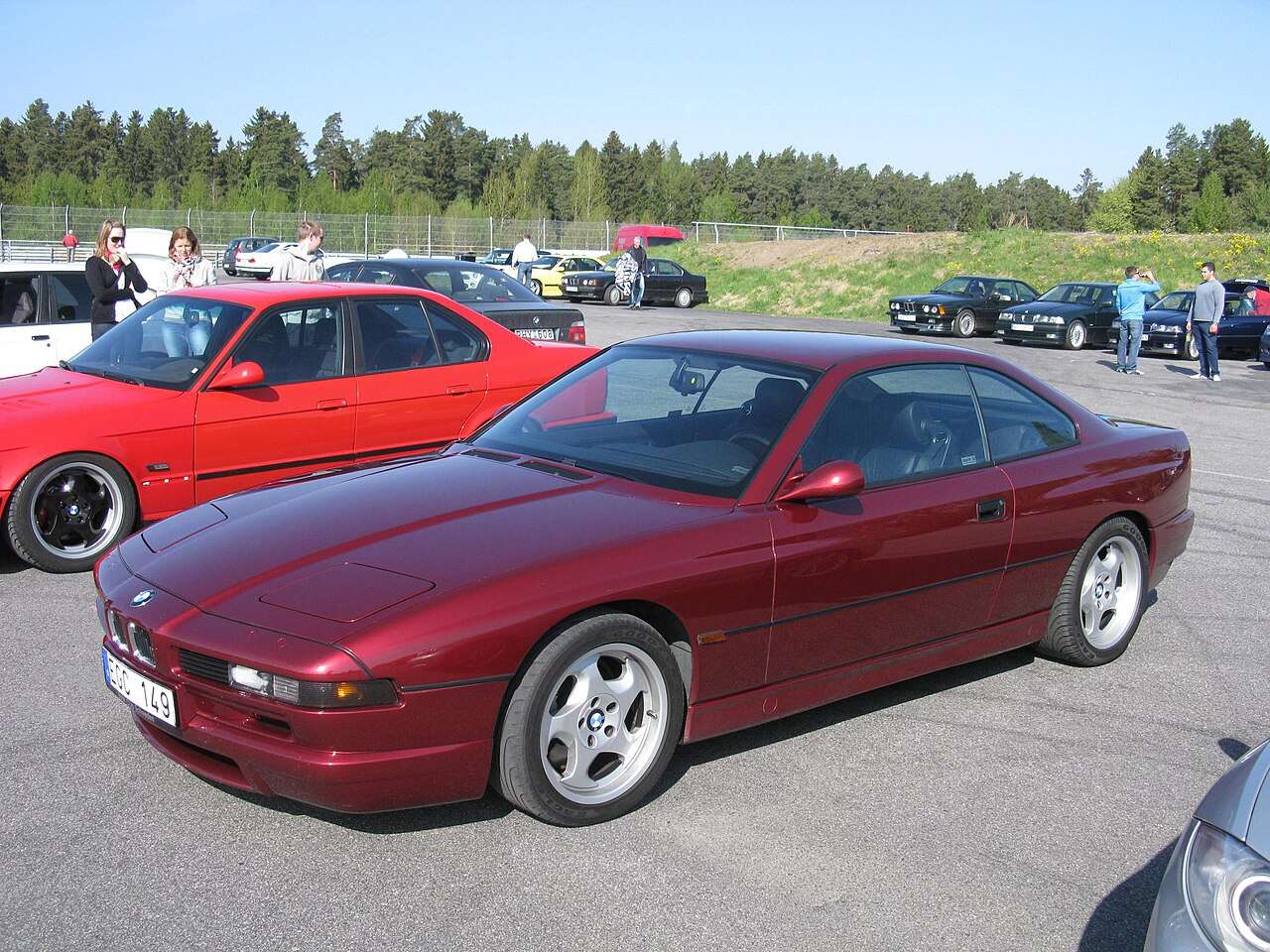
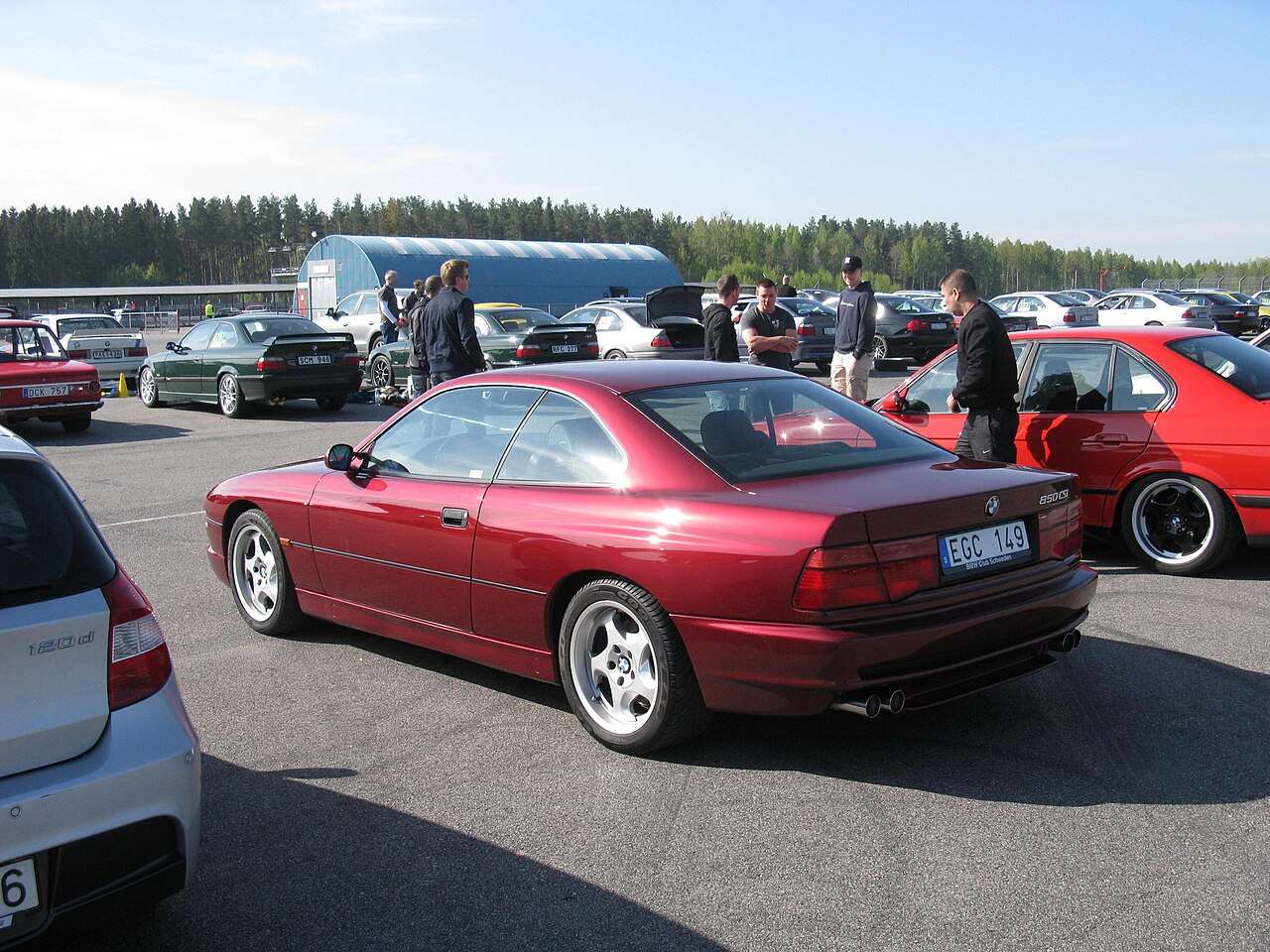
There was one core 850CSi model, though equipment and emissions specification varied by market. US cars had different output figures and federal equipment. The CSi can be identified by its deeper bumpers, four round exhaust outlets, unique wheels and chassis details, but many cosmetic parts have been fitted to ordinary E31s.
Why it matters
The 850CSi was one of the most technically ambitious BMWs of the 1990s and the last manual V12 road car BMW produced in series. Its S70 engine family is distinct from the S70/2 built for the McLaren F1, despite the shared prefix. The car’s rarity and engineering depth have transformed it from an expensive used GT into a recognised modern classic.
Identity, originality and surviving cars
A genuine car is confirmed by its VIN and model data, not CSi-style bumpers. The S70 engine, six-speed manual, AHK system and model-specific electronics are costly and specialised. Service history and evidence that complex systems operate correctly are central to understanding any example.
Key specifications
| Production | 1992–1996; 1,510 cars |
|---|---|
| Engine | 5,576cc S70B56 V12 |
| Power | 380hp European specification |
| Torque | 550Nm |
| Layout | Front-engine, rear-wheel drive; six-speed manual |
Frequently asked questions
Is the BMW 850CSi an M car?
It was developed by BMW Motorsport, carries an S-prefix engine and an M-specific internal type code, but BMW sold it as 850CSi rather than M8.
How many BMW 850CSi cars were built?
BMW production data records 1,510 worldwide between 1992 and 1996.
Is the 850CSi engine the same as the McLaren F1 engine?
No. The S70B56 and McLaren’s S70/2 share an engine-family label but differ substantially in architecture, cylinder heads, capacity and purpose.
Did every 850CSi have a manual gearbox?
Yes. The production 850CSi was paired with a six-speed manual, unlike many other V12 E31 models.
Research note: BMW Group Classic E31 archive and BMW M 850CSi heritage material. Specifications can vary by market and model year; where production totals differ between sources, the article uses BMW’s published figure or states the uncertainty.