Origins and development
BMW intended the M1 to replace the 3.0 CSL in Group 4 and initially contracted Lamborghini to engineer and assemble it. Lamborghini’s financial crisis forced BMW to reorganise the project: Marchesi produced the chassis, Italdesign supplied bodies, Baur completed assembly and BMW Motorsport finished the cars. That complicated chain delayed homologation and left BMW with a racing car whose original competitive target was moving away.

Engineering and driving character
Giorgetto Giugiaro translated the 1972 BMW Turbo concept into a low, crisp wedge with trademark kidney grilles. Behind the cabin sat the M88/1, a dry-sump 3,453cc 24-valve straight-six with individual throttle bodies. Road output was 277hp, sent through a five-speed ZF gearbox to the rear wheels. At roughly 1,300kg, the M1 combined period-supercar speed with unusually approachable balance and visibility.
Love cars you don’t see every day?
Get forgotten cars, surprising motoring stories and the most interesting finds from Unusual Cars by email.
Free to join. No spam. Unsubscribe whenever you like. See our privacy policy.
Versions and model evolution
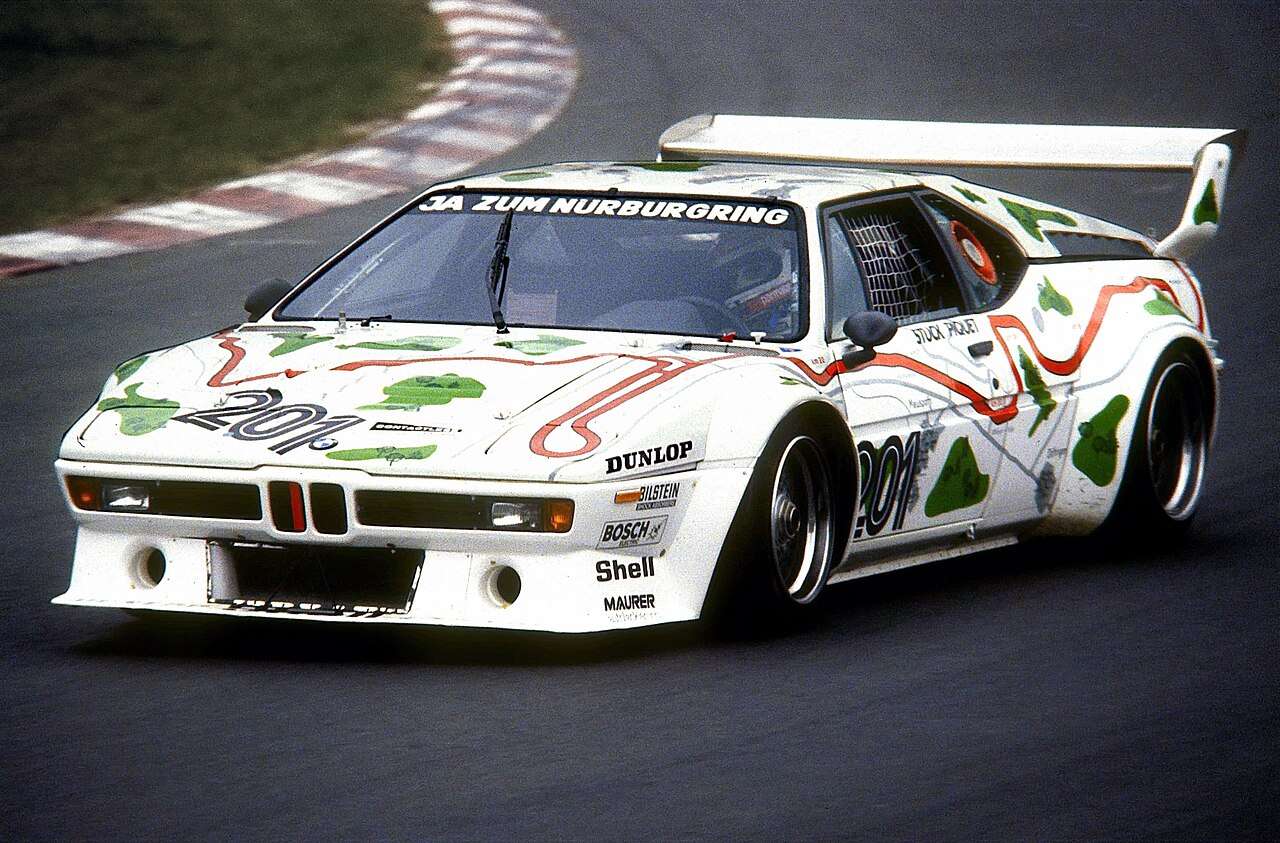
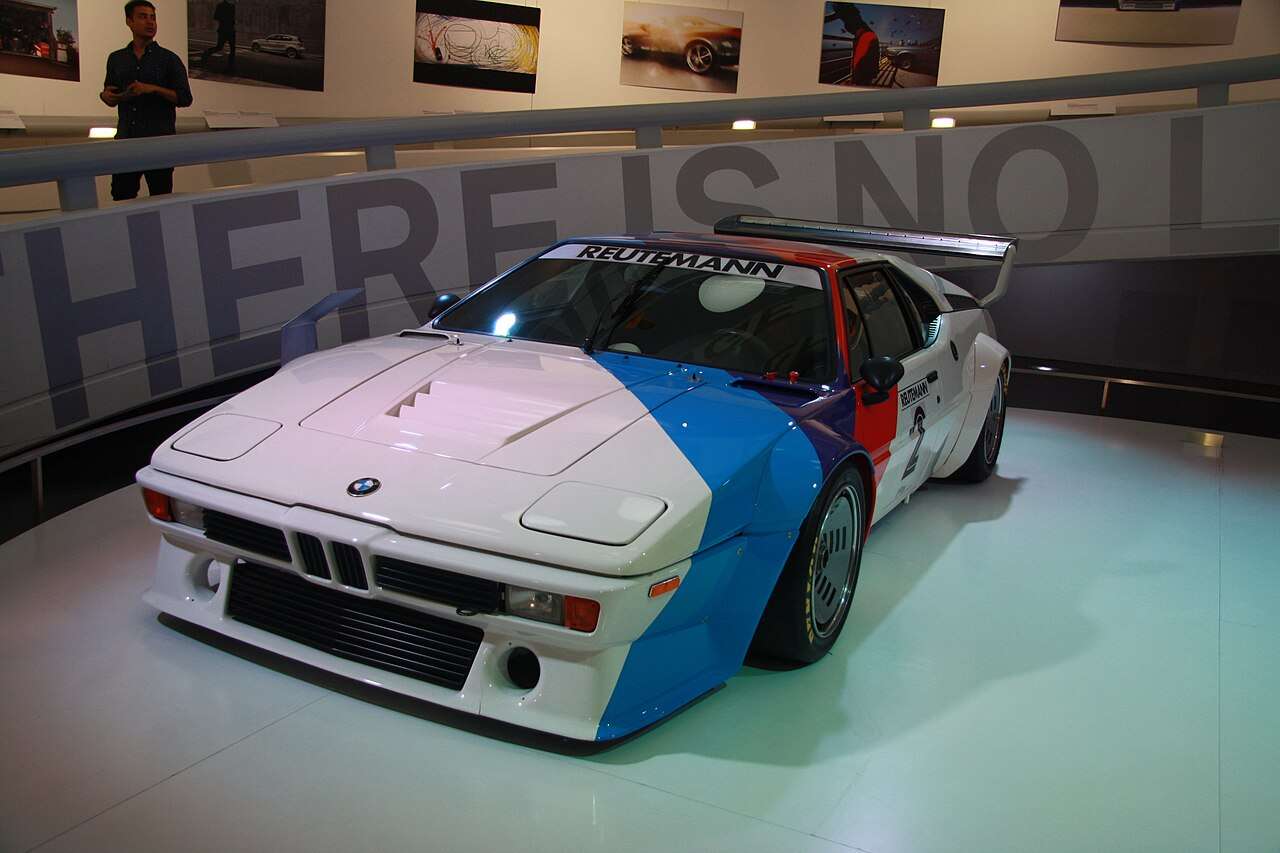
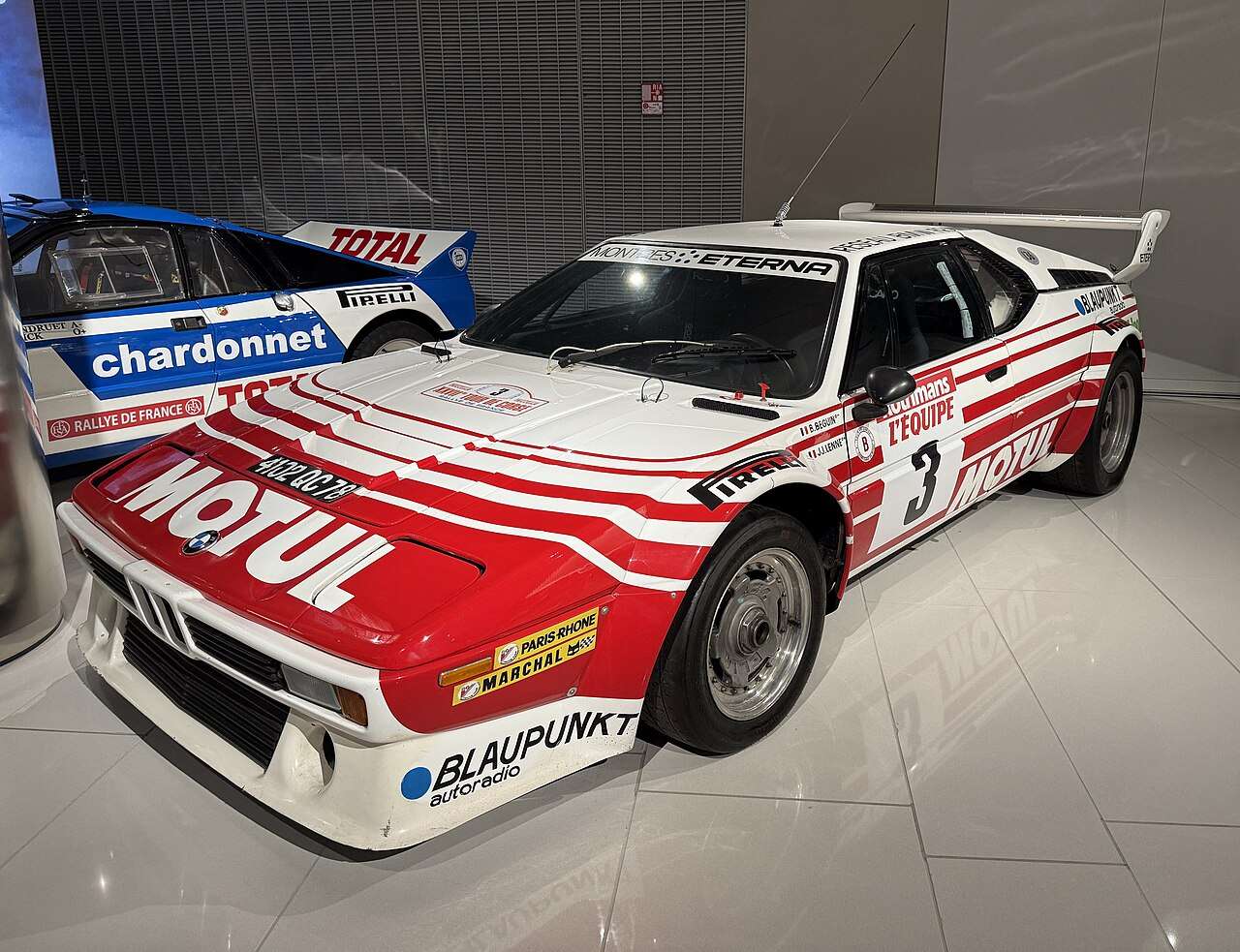
Road cars created the homologation base, Group 4 racers raised power substantially and Group 5 versions became extreme silhouette machines. Because homologation took too long, Jochen Neerpasch created the BMW M1 Procar Championship. Identically prepared M1s supported European Formula One rounds in 1979 and 1980, putting leading F1 drivers against touring-car specialists in one of motorsport’s most memorable single-make series.
Why it matters
The M1’s production story was troubled, but its engineering influence was enormous. The M88 family powered the M635CSi and E28 M5, giving BMW M a straight-six lineage that defined the division for decades. The car also established a pattern of technically serious, visually restrained M products—even though BMW never put another mid-engined M supercar into regular production.
Identity, originality and surviving cars
Surviving M1s have high values and a complex international history, making provenance essential. Road, Procar and later converted competition cars should not be conflated. Chassis records, engine type, body construction and continuous documentation are the foundation of any credible history.
Key specifications
| Production | 1978–1981; about 400 road cars |
|---|---|
| Engine | 3,453cc M88/1 24-valve straight-six |
| Power | 277hp road specification |
| Layout | Mid-engine, rear-wheel drive; five-speed manual |
| Body | Giugiaro-designed glassfibre panels |
Frequently asked questions
Did Lamborghini build the BMW M1?
Lamborghini contributed early engineering, but financial problems ended the arrangement. BMW then coordinated a network of Italian and German suppliers before final completion by BMW Motorsport.
How many BMW M1s were built?
BMW sources generally describe approximately 450 cars in total, of which around 400 were road cars; figures vary slightly according to whether prototypes and race shells are counted.
What was the M1 Procar series?
It was a one-make championship held in 1979 and 1980, often supporting Formula One, with leading F1 and touring-car drivers competing in closely matched racing M1s.
Is the BMW M1 related to the later 1 Series M Coupé?
No. The M1 is the mid-engined supercar. BMW deliberately named the later compact performance model ‘1 Series M Coupé’ to avoid reusing the M1 name.
Research note: BMW M heritage history, BMW Group Classic M1 archive and Procar records. Specifications can vary by market and model year; where production totals differ between sources, the article uses BMW’s published figure or states the uncertainty.